
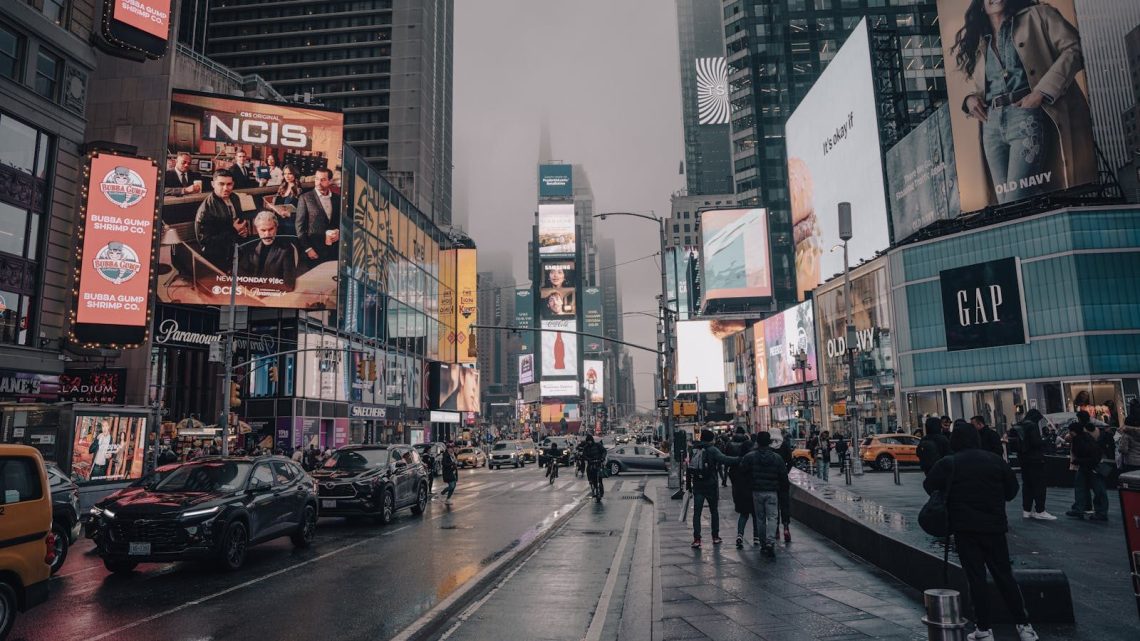
Eight million people live here and none of them do any of this.
New York City has one of the steepest tourist learning curves of any major world city — not because it is unfriendly or difficult to navigate, but because the city operates by a set of unwritten rules and practical realities that guidebooks consistently fail to convey. Most first-time visitors figure these things out by the end of the trip. Here is the information upfront.
You Do Not Need to See Everything.

The pressure to visit every famous attraction in a single trip is the primary driver of New York tourist misery. The Metropolitan Museum of Art alone requires a full day to see meaningfully. Central Park rewards hours of wandering. The city’s neighborhoods — each one a complete world — could each absorb a day. Pick three things you genuinely want to do and do them slowly. Leave the checklist mentality at home.
The Subway Is the Right Way to Get Around.
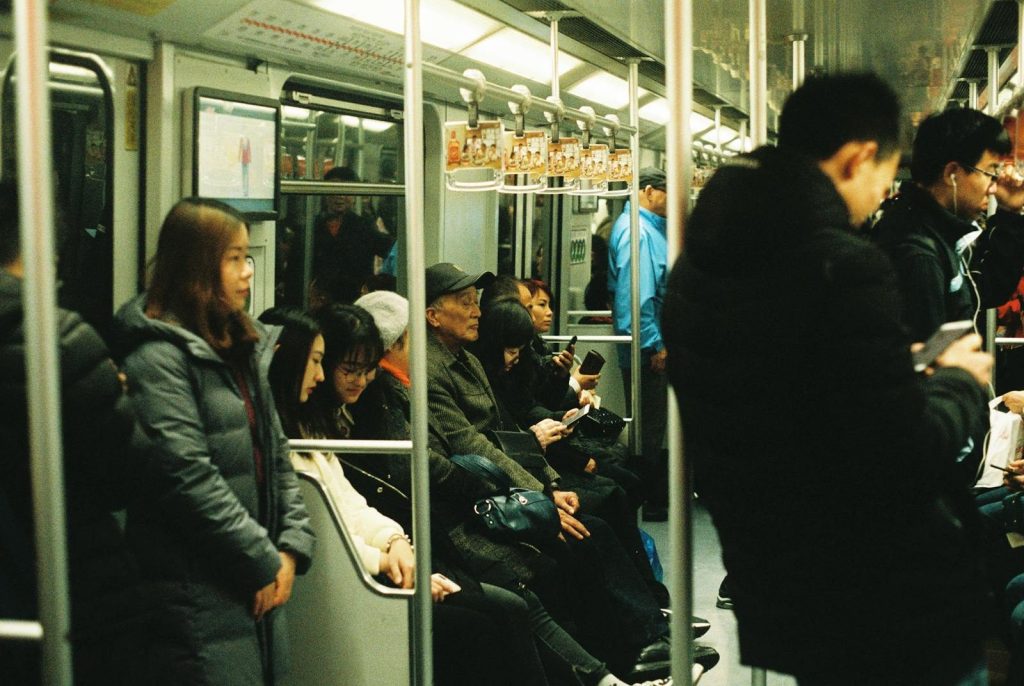
Taxis and ride-share cars in New York sit in the same traffic that everything else sits in. The subway goes underneath all of it. A subway ride costs a flat fare regardless of distance and gets you from Midtown to Brooklyn faster than any surface vehicle during the day. Learn four or five key lines before you arrive and use them without anxiety.
Midtown Is Not New York.
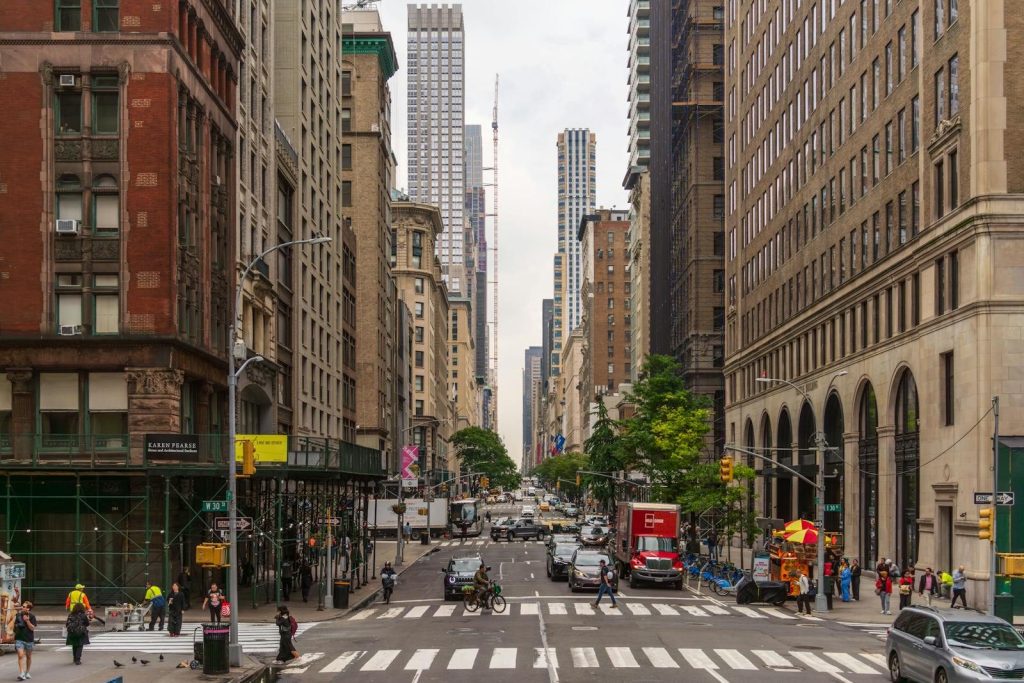
Times Square, the Empire State Building, Rockefeller Center, and the theater district are all in Midtown Manhattan. Midtown is the tourist district. New York is the neighborhoods — the West Village, Carroll Gardens, Astoria, Jackson Heights, Flushing, Harlem, Williamsburg, and dozens of others — where the food is better, the prices are lower, and the city is actually itself rather than performing for visitors.
The Portion Sizes Are Large and the Prices Are High.

New York restaurants serve generous portions and charge prices that reflect the city’s real estate and labor costs. Splitting dishes is normal and expected. A meal that would cost $40 for two people in a mid-size American city costs $80 to $120 for the same two people at a comparable New York restaurant. Budget accordingly.
Walking Is Often the Best Option in Manhattan.

Manhattan is a narrow island where north-south distances are covered faster on foot than often expected. The distance from 14th Street to 34th Street — twenty blocks — is about a mile and can be walked in 20 minutes. East-west distances between avenues are longer and the subway is better for those. Learn the grid and walk the avenues.
The Best Bagel and Pizza Are Not at the Famous Places.

The bagel spots and pizza places that appear in every travel guide have lines that tourists wait in enthusiastically. New Yorkers get their bagels and pizza from the neighborhood spot around the corner that has been there for thirty years and has no line because the locals know it is just as good or better. Ask a hotel employee where they personally get their bagel.
Cash Is Still Needed in Some Important Places.

New York has an enormous economy of cash-preferred or cash-only businesses — corner bodegas, some taxi drivers, certain restaurants, food carts, and the informal economy of street vendors and market stalls. Walking around New York with no cash at all creates situations that are avoidable with a twenty-dollar bill in your pocket.
The City Does Not Stop at Midnight.

New York’s reputation as the city that never sleeps is real in certain neighborhoods and during certain seasons. It is also specifically real for people who are actively seeking out the city’s nightlife. For visitors who are exhausted after a day of sightseeing and want to be in bed by ten, New York accommodates that perfectly well. The city does not require participation in its late-night energy. It simply makes it available if you want it.
Go to New York. Go slowly. Go to the neighborhoods.