It is not a grill. It is not a sauce. And it is definitely not a hamburger.
American barbecue is one of the most misunderstood culinary traditions in the world when viewed from outside the country. The word itself is used differently in different parts of America, the techniques vary dramatically by region, and the cultural significance of barbecue in specific American communities goes far deeper than food. Here is a clear-eyed introduction to what barbecue actually is for anyone who is encountering it for the first time.
Barbecue Is Not Grilling.
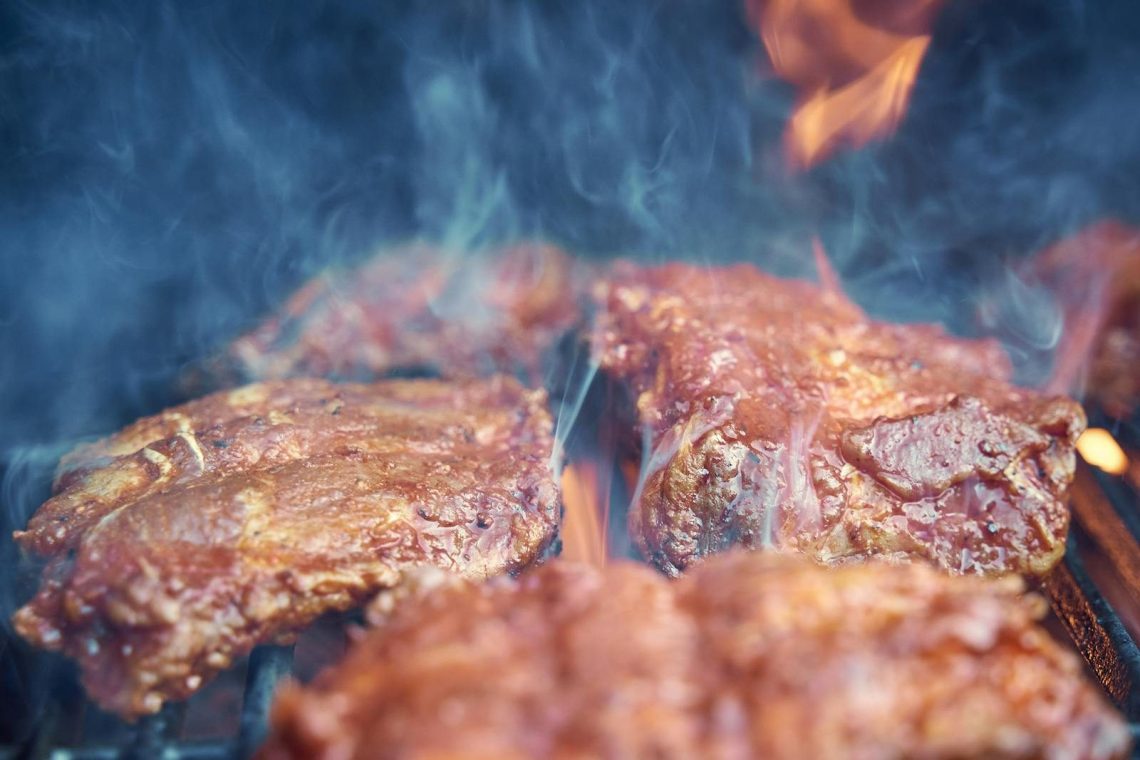
This is the foundational distinction that most of the world misses. Grilling is cooking food quickly over high direct heat. Barbecue is cooking meat slowly over low indirect heat with smoke. The two methods produce completely different results. A hamburger cooked on a backyard grill is grilled. A brisket cooked for fourteen hours in a wood-burning smoker is barbecue. These are not the same thing.
The Smoke Is the Point.
Authentic barbecue gets its flavor primarily from wood smoke — not from sauce, not from spice rubs, not from marinades, but from the specific interaction of meat protein and wood smoke over many hours. The type of wood matters. Hickory, oak, pecan, mesquite, apple, and cherry all produce different flavors and are preferred in different regional traditions.
There Are Four Major Regional Traditions and They Are All Different.
Texas barbecue is primarily beef — specifically brisket — seasoned simply with salt and pepper and cooked with post oak smoke. Carolina barbecue is whole hog or pork shoulder, sauced with vinegar-based or mustard-based preparations depending on the specific part of the Carolinas. Kansas City barbecue uses a wider range of meats with a thick, sweet, tomato-based sauce. Memphis barbecue is pork ribs — wet (sauced) or dry (rub only) — with a thinner, tangy sauce tradition.
The Best Barbecue Is Almost Never in a Restaurant That Looks Like a Restaurant.
The great barbecue places in America are in modified gas stations, converted houses, roadside trailers, cinderblock buildings with no windows, and structures of ambiguous classification. The investment goes into the smoker and the meat, not the dining room. If a barbecue place looks like a nice restaurant, it is probably fine. If it looks like it might not be legal, it might be extraordinary.
Brisket Is the Hardest Barbecue to Cook Correctly.
Texas brisket — a whole beef packer brisket of twelve to fifteen pounds cooked for twelve to sixteen hours to an internal temperature that produces both tender slices and a proper smoke ring and bark — is considered the most technically demanding cook in American barbecue. The margin for error is small. The gap between good and great brisket is enormous. When you find great brisket, appreciate it.
The Sauce Goes On Last If It Goes On At All.
In authentic American barbecue tradition, sauce is served on the side and applied by the eater rather than cooked into the meat. Sauce that is applied to meat during cooking burns because of its sugar content and masks the smoke flavor. Great barbecue does not need sauce. Sauce is an accompaniment, not an ingredient.
The Line at a Famous Barbecue Place Is Sometimes Worth It.
The famous Texas barbecue places that open at 11am and sell out by 1pm and have a line beginning at 9am have those lines because the barbecue is genuinely exceptional. The wait at Franklin Barbecue in Austin or Snow’s Barbecue in Lexington is long and real. People who have waited report that the experience lives up to the reputation. This is not universally true of long-line restaurants. It is true of these specific places.
Barbecue Is Deeply Connected to African American Culinary History.
The technique of slow-smoking pork in the American South was developed and refined primarily by enslaved African Americans and their descendants, who transformed the less desirable cuts of pork — ribs, shoulders, whole hogs — into something extraordinary. This history is inseparable from the food itself and deserves acknowledgment and respect by anyone engaging seriously with American barbecue culture.
Side Dishes Matter as Much as the Meat.
Great barbecue sides — coleslaw, baked beans, mac and cheese, collard greens, potato salad, white bread, pickles, and onions — are not afterthoughts. They are integral parts of the meal that balance and complement the richness of the smoked meat. Dismissing the sides misses half the meal.
Barbecue Is a Community Event as Much as a Food.
At its most authentic, American barbecue is not restaurant dining. It is a gathering — a church fundraiser, a community celebration, a backyard event, a family reunion — where the preparation of the food is as communal and as valued as the eating of it. The pitmaster who stays up all night tending the fire is not just making food. They are doing something for the people who will eat it.
Find the cinderblock building. Wait in the line. Eat the brisket.