Leave it alone. Seriously. Put the sandpaper down.
The instinct to fix, clean, restore, and improve old things is natural and understandable. It is also one of the most expensive mistakes in the antique and collectible market. For a wide range of categories, original unrestored condition — even with honest wear, surface aging, and the marks of actual use — is significantly more valuable to serious collectors than a piece that has been cleaned, repaired, or refinished. Here is where that rule matters most.
Antique Furniture With Original Finish.
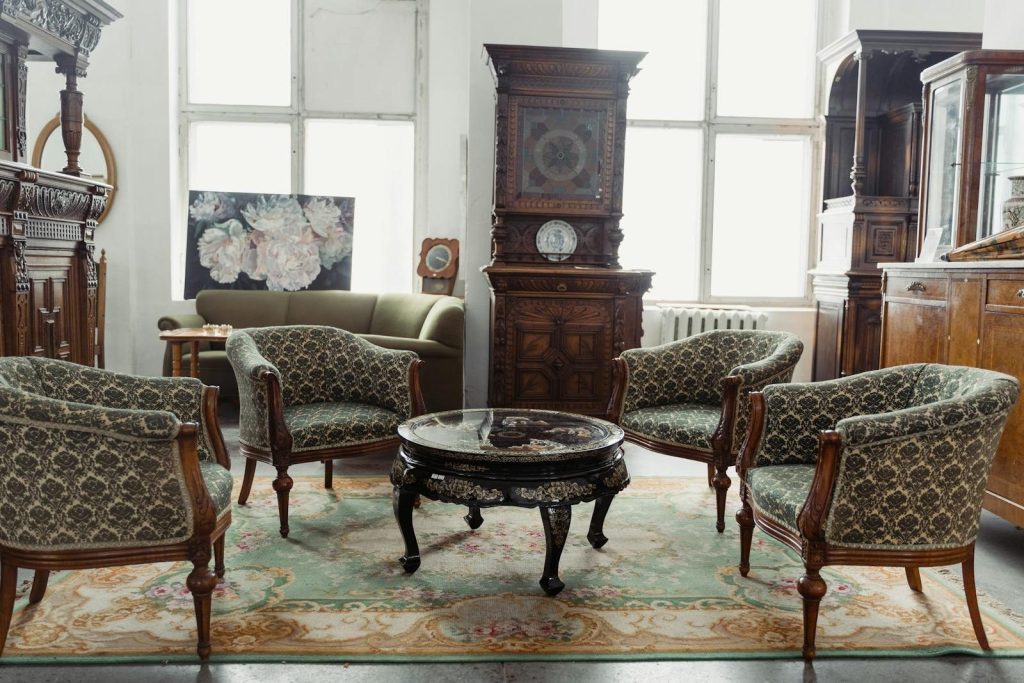
The difference in value between an antique piece of American furniture with its original finish intact and the same piece that has been stripped and refinished is often 50 to 80 percent. Serious furniture collectors pay significant premiums for original surfaces. A 19th century piece with original finish showing honest wear is worth dramatically more than a beautifully refinished version of the same piece.
Sterling Silver With Patina.
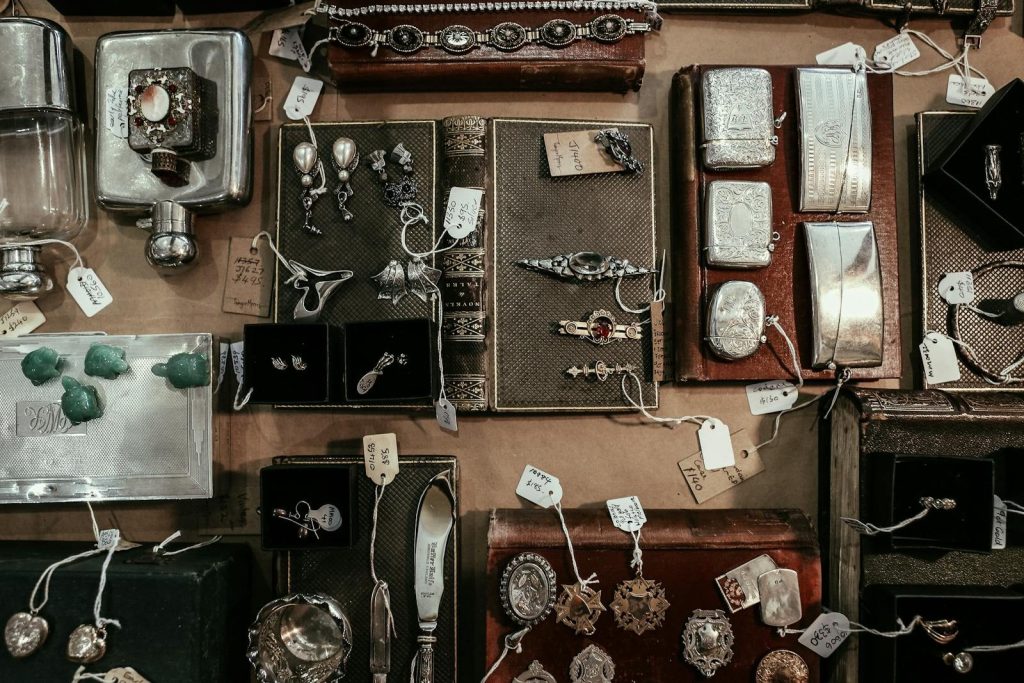
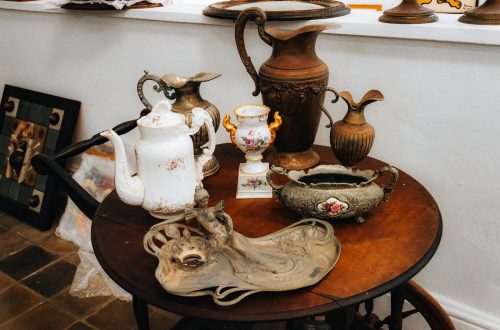
Silver develops a patina — a specific darkening in recessed areas — over time that collectors and decorators consider attractive and authentic. Aggressively polished silver loses this patina and looks raw and bright rather than aged. Light cleaning to remove tarnish is acceptable. Polishing that removes all evidence of age reduces both the aesthetic and collector value.
Cast Iron Cookware With Original Seasoning.
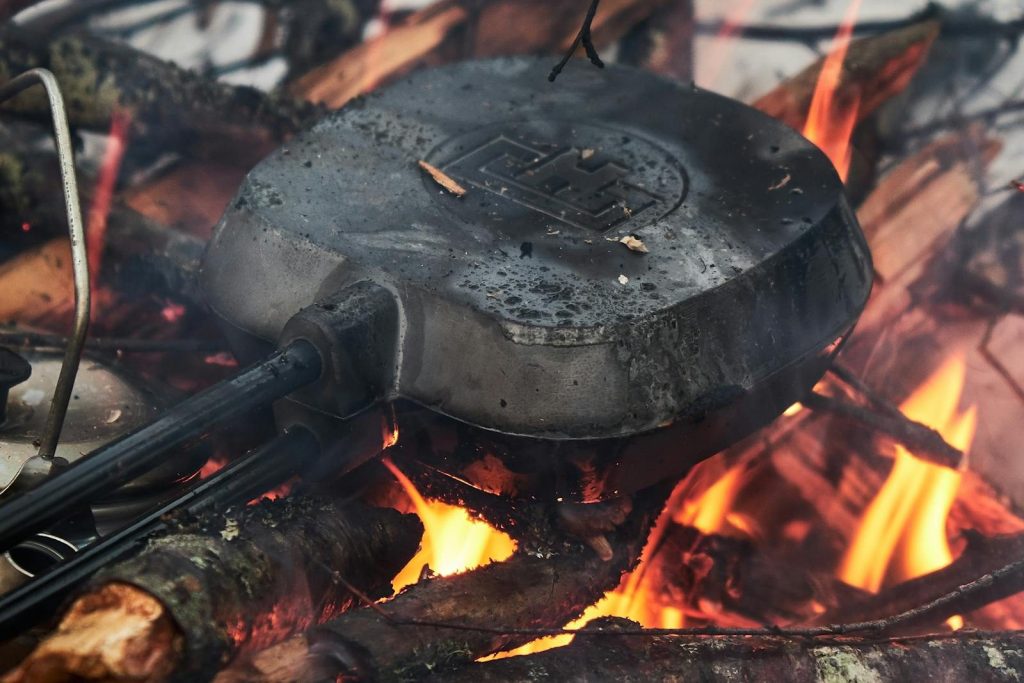
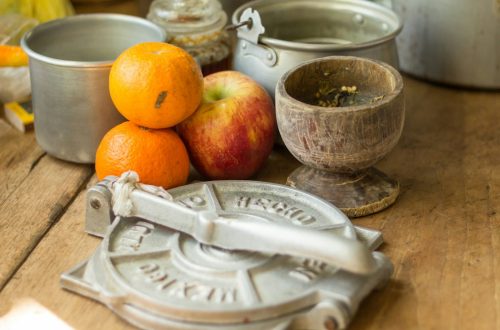
A piece of antique cast iron that has developed a genuine patina through decades of use has a surface that cookware collectors prize. Stripping the seasoning with harsh chemicals, sandblasting the surface, or electrolytic cleaning that takes the piece back to bare iron removes this evidence of authentic use. Clean cast iron gently. Do not refinish it.
Vintage Watches Without Service Records.
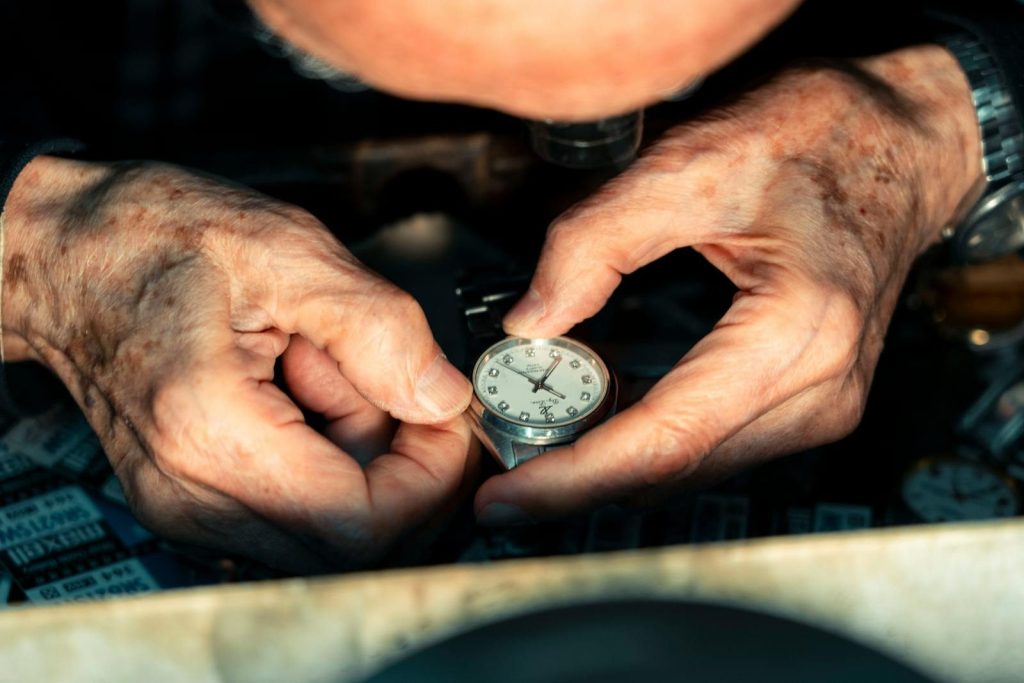
A vintage watch that has never been serviced — meaning the movement is in the same condition as it left the factory — is worth more to collectors than a watch that has been repeatedly serviced with parts replaced. If a vintage watch runs adequately, research its collector value before having it serviced. Servicing changes parts and reduces originality.
Old Leather Items With Natural Aging.
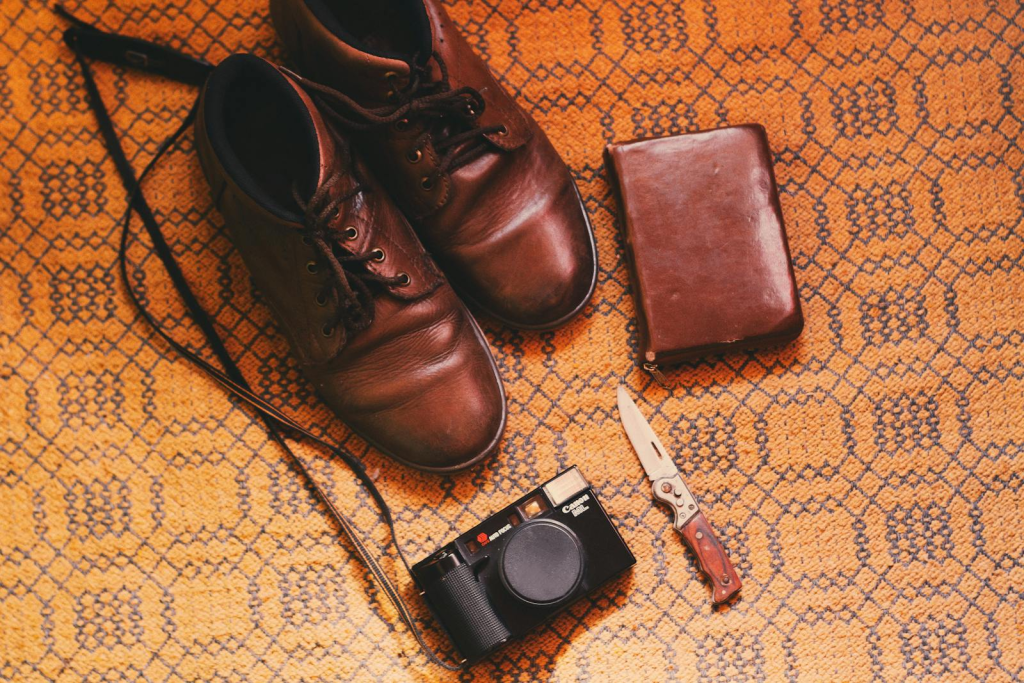
Vintage leather goods — briefcases, belts, wallets, saddles — develop a specific patina and character over decades of use that cannot be replicated. Aggressively conditioning, dying, or refinishing old leather destroys the aged character that vintage leather buyers pay premiums for. Clean leather gently. Do not try to restore it to a new appearance.
Vintage Toys With Original Paint.
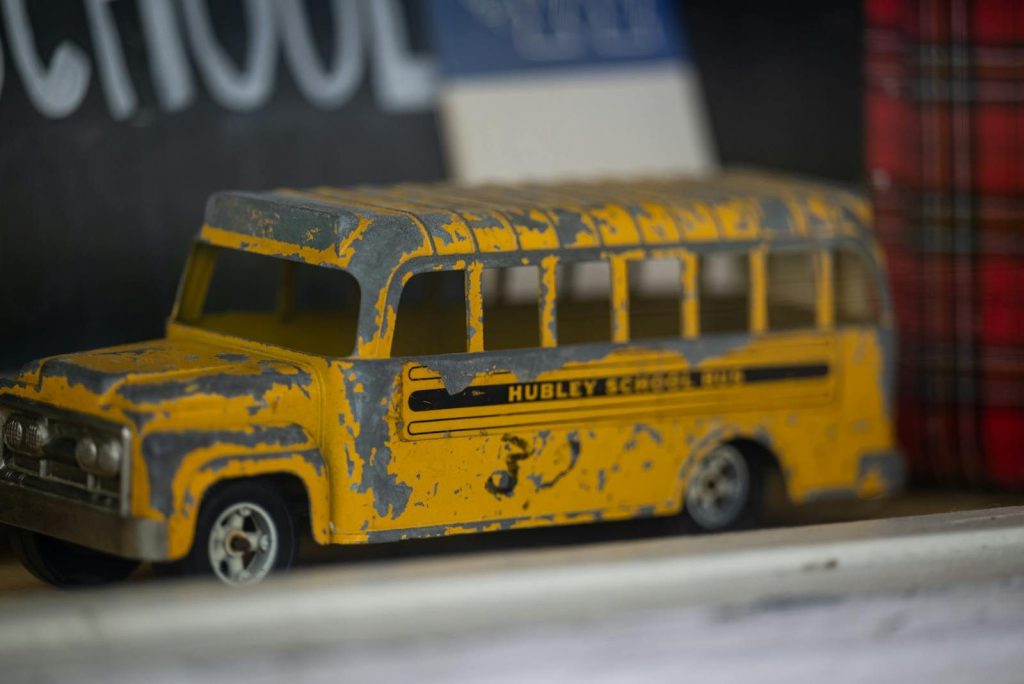
The original paint on vintage cast iron and tin toys is what collectors are paying for. Repainting a vintage toy — even in the original colors — dramatically reduces its collector value. A toy with honest wear to original paint in identifiable colors and patterns is worth more than a perfectly painted reproduction appearance.
Antique Books With Original Covers.
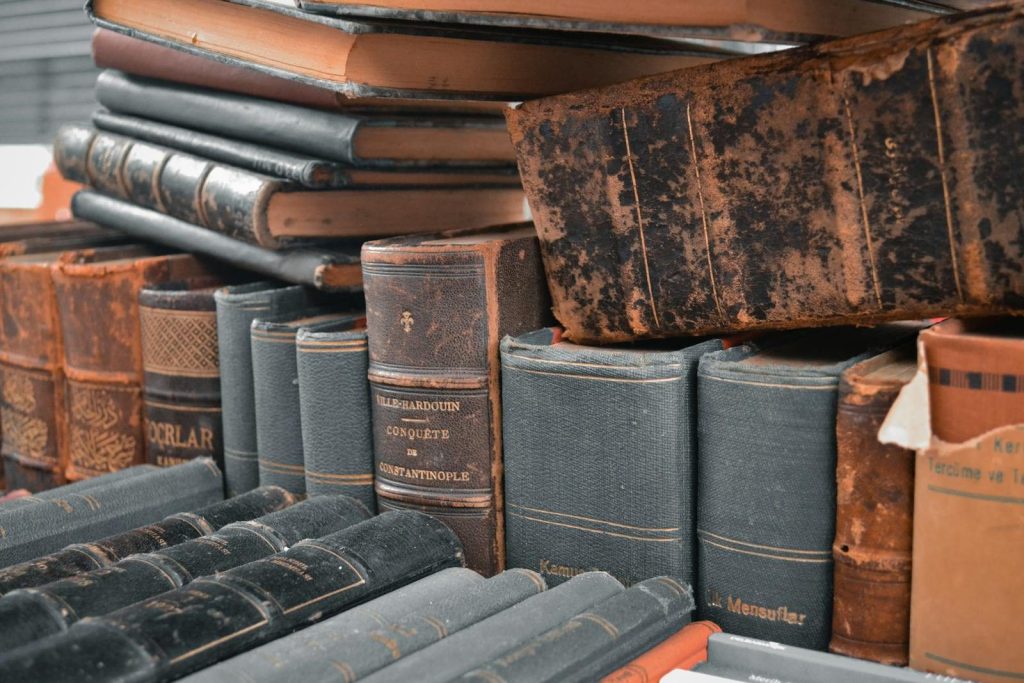
Recovering an antique book in new leather or cloth destroys the original binding that book collectors and bibliophiles prize. Even damaged original covers are preferred by serious collectors over new bindings. Antique book conservation — which is different from restoration — stabilizes without replacing and is the appropriate intervention for valuable books.
Old Maps and Documents Without Cleaning.
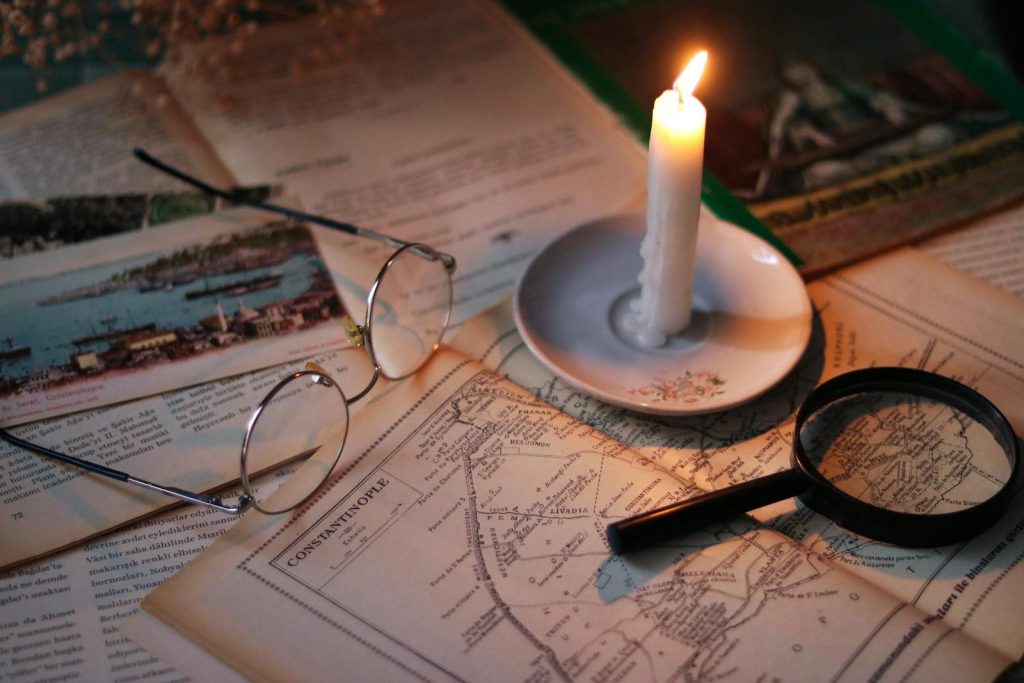
Antique paper items — maps, documents, photographs, prints — should not be cleaned, bleached, flattened under pressure, or otherwise treated without consultation with a professional conservator. Well-meaning cleaning of antique paper items has destroyed irreplaceable historical documents. Leave them as they are until you speak to a specialist.
Vintage Advertising Signs With Original Paint.
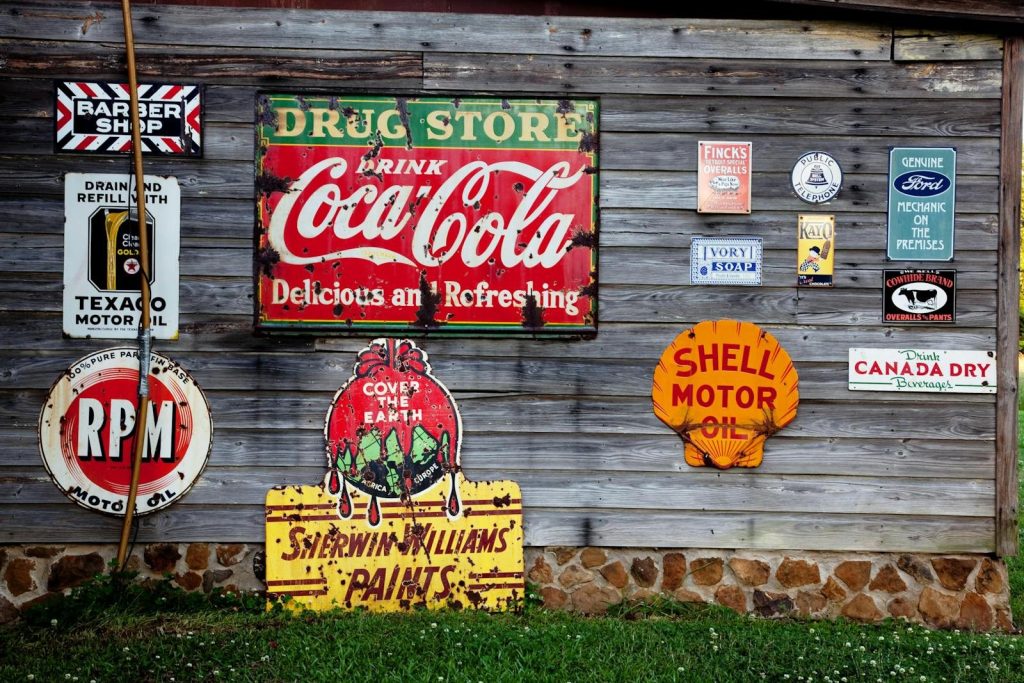
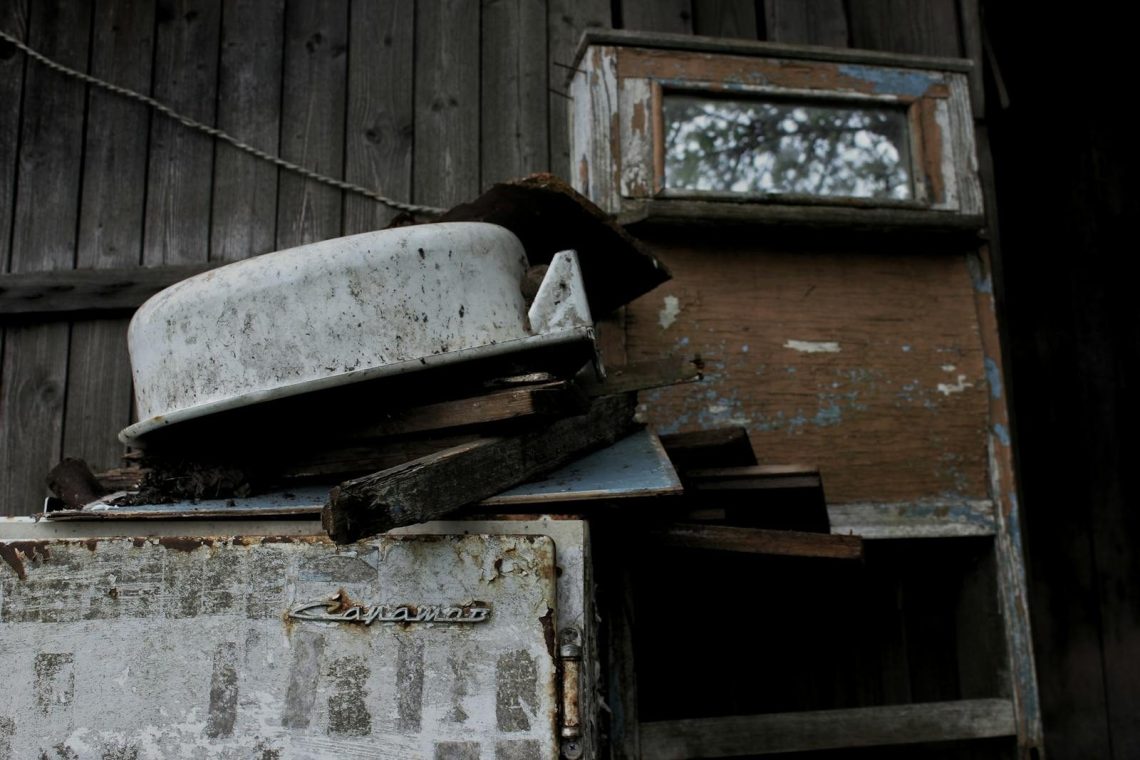
Antique tin and porcelain advertising signs with original paint — even with significant rust, chips, and weathering — are worth more than the same signs that have been cleaned, repainted, or touched up. The original manufacturing methods and original paint colors are what collectors authenticate and value. Every touch-up reduces value.
Native American Pottery and Textiles Without Treatment.
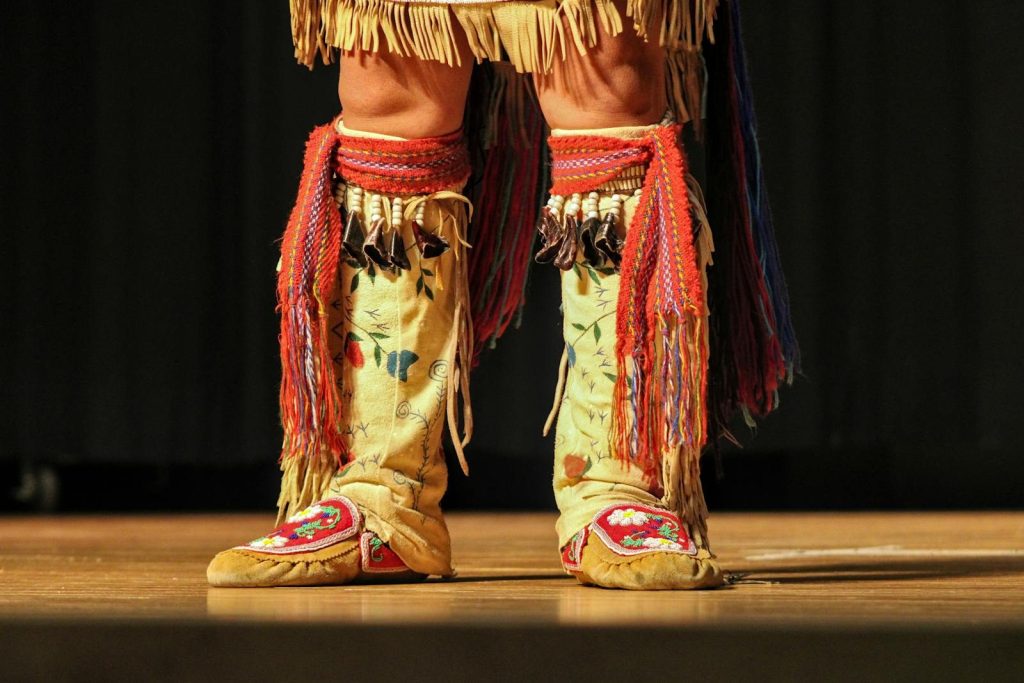
Antique Native American ceramics, baskets, and textiles should never be cleaned, repaired, consolidated, or treated without consultation with a specialist in Native American material culture. Amateur cleaning of these items has caused irreparable damage to historically significant objects. Consult a specialist before touching anything.
When in doubt, leave it alone. The patina is the value.