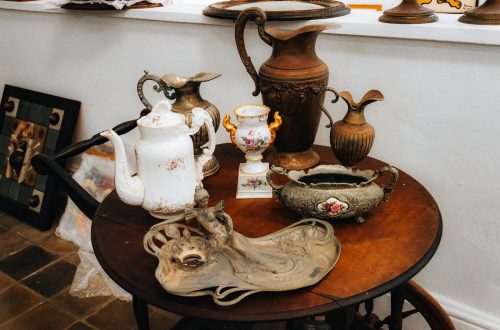
You found something valuable. Do not leave money on the table selling it wrong.
Finding a valuable antique is only half the challenge. Selling it correctly — at the right price, on the right platform, with the right presentation — is the other half that most first-time sellers get wrong in ways that cost them significant money. Here is what experienced sellers know that beginners typically have to learn the expensive way.
Cleaning It Destroys the Value.
This is the number one mistake and it costs sellers more money than any other error. Cleaning antiques — especially polishing silver, washing cast iron, refinishing wood, cleaning the patina off brass — routinely destroys the very thing that collectors are paying for. Original patina, original finish, and honest age are features, not flaws. Do not clean anything before researching whether cleaning it will hurt the value.
Listing on the Wrong Platform.
Different collectibles sell best on different platforms. eBay is the broadest marketplace but charges significant fees and is competitive on price. Etsy is better for vintage aesthetic items and reaches buyers who pay premiums for presentation. Ruby Lane and 1stDibs reach serious collectors willing to pay high prices for quality items. Local Facebook Marketplace and Craigslist eliminate shipping but limit your buyer pool. Matching the item to the right platform can double the price you receive.
Taking Bad Photos.
Online resale is entirely visual and buyers make decisions based on photos. Poor lighting, cluttered backgrounds, blurry close-ups, and missing angles cost sellers money every day. Good photos require natural light or a simple lightbox, a clean neutral background, multiple angles including top, bottom, and all sides, and close-ups of any marks, signatures, labels, or condition issues.
Writing a Poor Description.
A description that says “old vase, pretty blue” sells for much less than one that says “circa 1910 McCoy pottery vase in cobalt blue glaze with impressed mark, 9 inches tall, no chips or cracks, excellent condition.” Learn the vocabulary of the category you are selling in. Use the words that serious buyers search for.
Starting the Price Too High.
Items listed at optimistic prices with no bids sit unsold while identical items listed at realistic starting prices attract competitive bidding and sometimes sell for more than the optimistic listing would have. Starting an eBay auction at a realistic minimum price and letting bidders compete is often the most effective pricing strategy for genuinely desirable items.
Not Researching Completed Sales.
The asking price for an item tells you nothing about what it actually sells for. On eBay, filtering search results to show only “Sold” listings gives you real transaction data — what buyers actually paid, not what sellers hoped for. Pricing based on completed sales data rather than active listings produces dramatically more accurate and more profitable pricing.
Ignoring Shipping Realities.
Large, heavy, or fragile antiques are expensive to ship and buyers know it. Listing a heavy cast iron piece with no shipping information or an unrealistic flat rate drives buyers away. Calculating actual shipping costs, offering local pickup as an alternative, and being transparent about packaging methods builds buyer confidence and produces sales.
Selling Individual Pieces From Sets.
Buyers of vintage china, glassware, silverware, and similar items often want complete sets or at minimum matching pieces. Selling individual pieces from a set produces less total revenue than selling the complete set. Before breaking up a set for individual sales, research whether the complete set commands a premium that exceeds the sum of individual piece prices.
Not Getting an Appraisal for Significant Items.
For items that research suggests might be worth several hundred dollars or more, a professional appraisal is worth the cost. An appraiser who specializes in the relevant category will identify features that increase value, confirm authenticity, and provide documentation that serious buyers require for significant purchases.
Sell smart. The research before the sale is worth more than the sale itself.