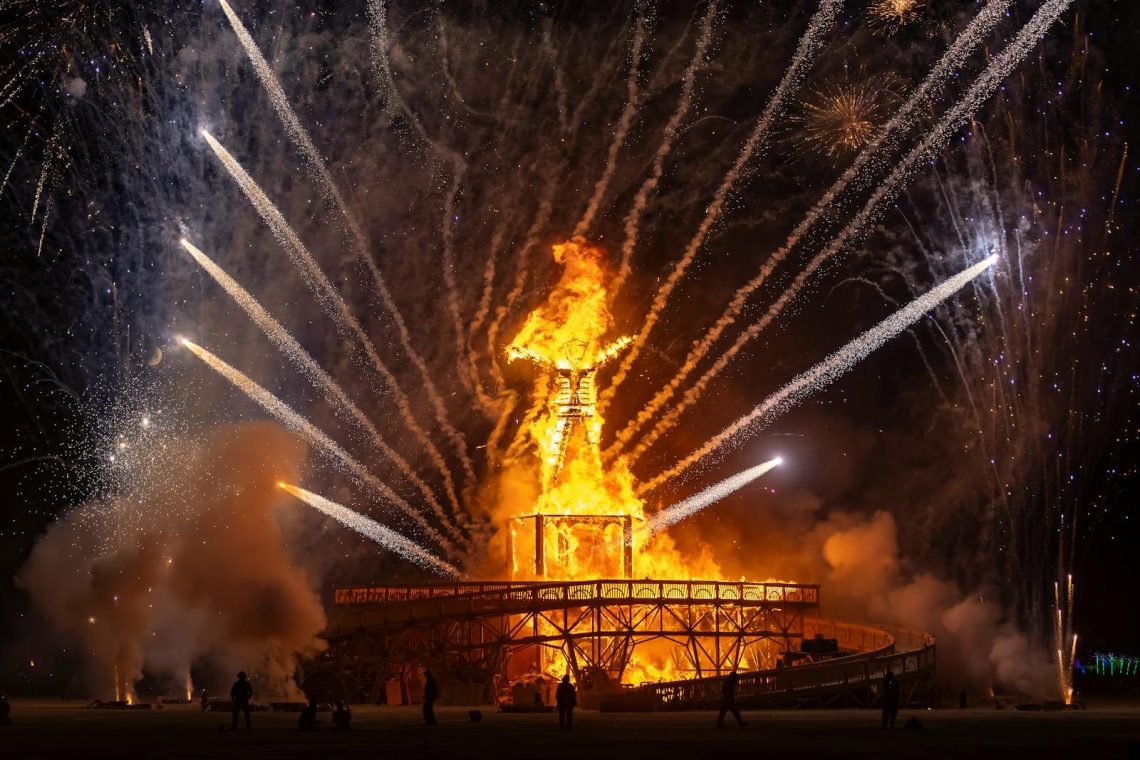
The out-of-towners love it. The people who live there spend the week hiding.
America’s most famous festivals and annual events generate enormous tourism revenue and national media attention. They also generate an annual wave of dread among the residents who have to live through them. Here is the honest conversation about eight events that the tourism board version and the local version describe very differently.
Mardi Gras in New Orleans
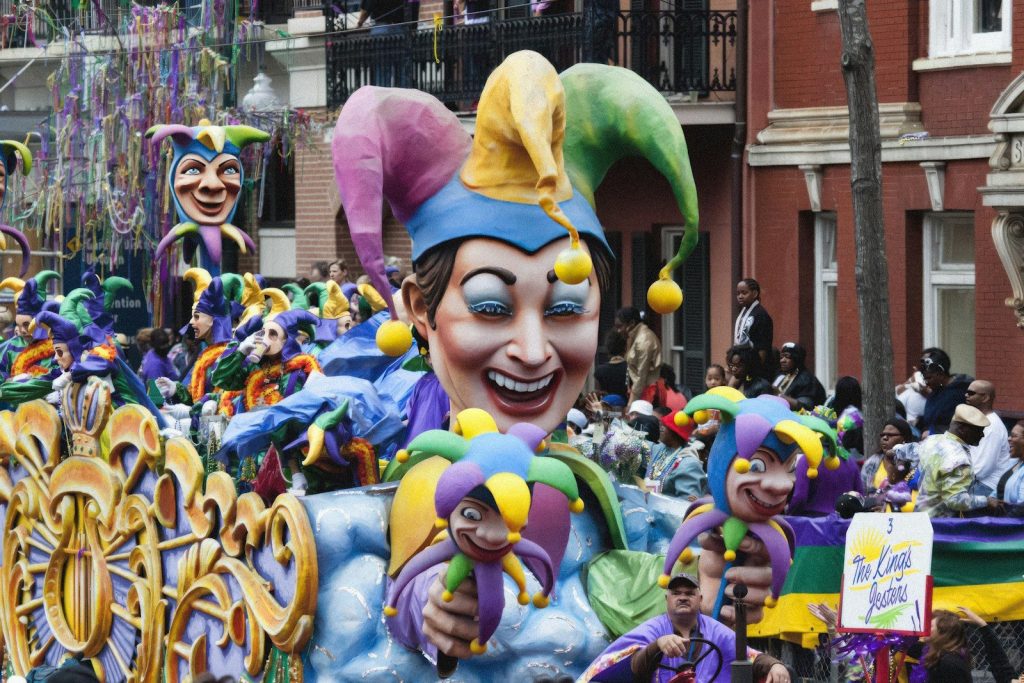
Is a genuinely extraordinary cultural event with deep roots in Louisiana history and tradition. It is also, in certain areas of the city, a week-long event that fills the streets with crowds, noise, and behavior that residents describe with varying degrees of tolerance depending on which neighborhood they live in. Locals who love Mardi Gras love it in their own neighborhood parades and krewe events. The Bourbon Street version is another matter entirely.
South by Southwest in Austin, Texas
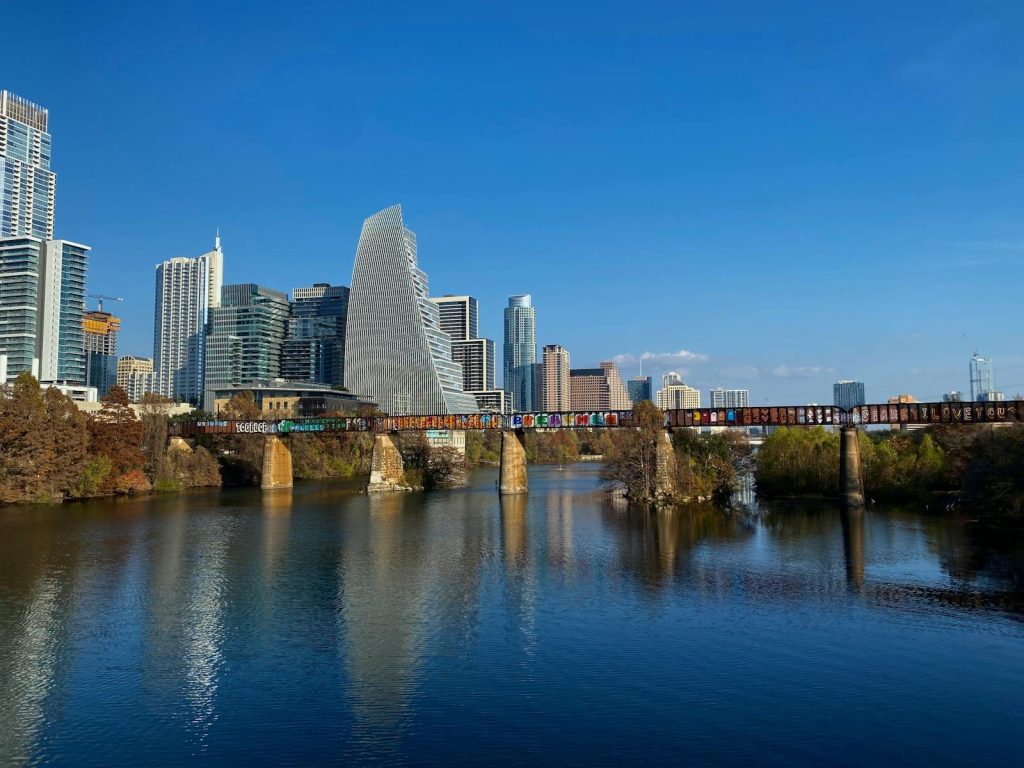
Has transformed from a music industry showcase into a massive technology and culture conference that Austin residents describe as making their city temporarily unrecognizable. The traffic becomes impossible. Every restaurant has a line. Every venue is ticketed or closed for private events. The music is still there. Getting to it requires navigating an infrastructure that was designed for a much smaller event.
Sturgis Motorcycle Rally in Sturgis, South Dakota
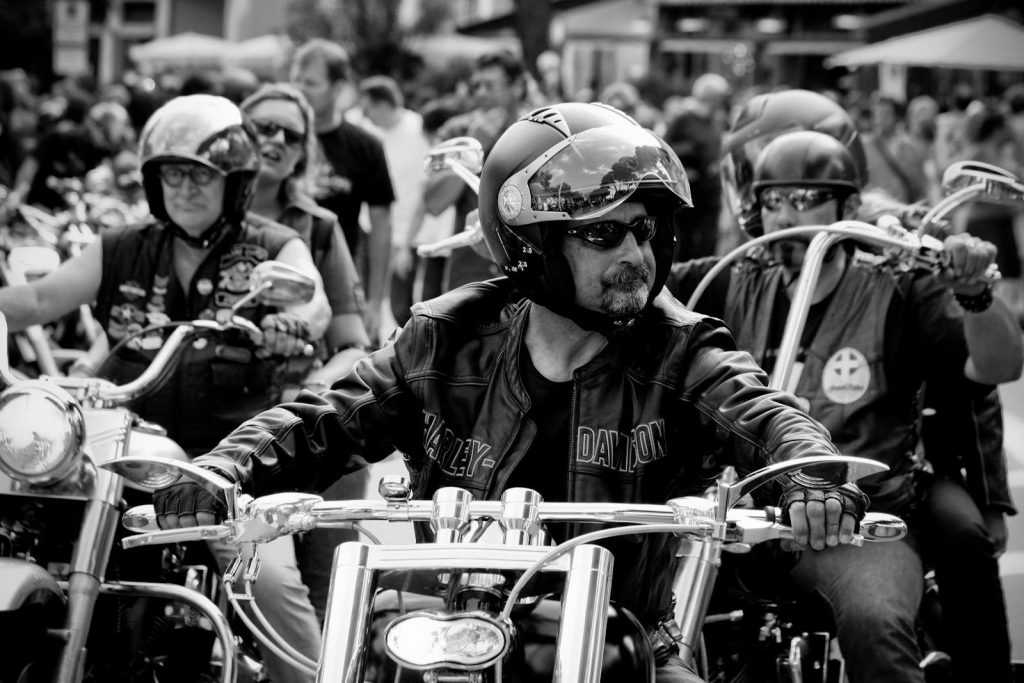
Brings half a million motorcyclists to a town of seven thousand people for ten days every August. The economic benefit to the region is significant. The lived experience of being a Sturgis resident during the rally is an annual exercise in patience that long-term residents describe with a range of emotions.
Fantasy Fest in Key West, Florida
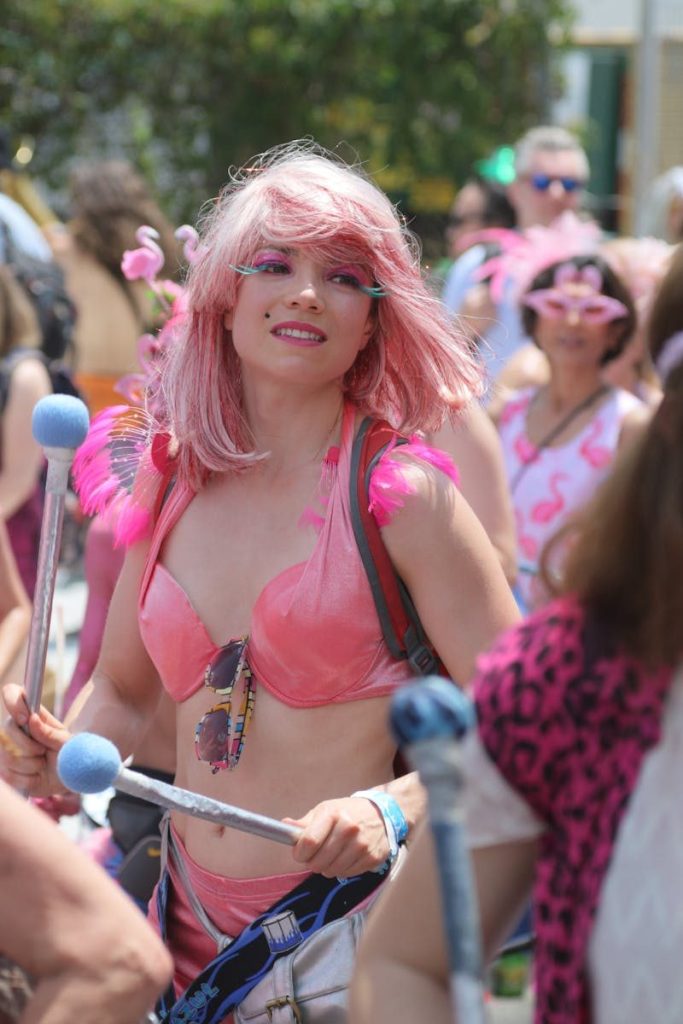
Is a ten-day festival in late October that is famous for its body paint and general absence of clothing restrictions. Key West residents are tolerant and proud of their city’s culture. Fantasy Fest in recent years has grown to a scale that has tested even Key West’s legendary tolerance for unusual behavior.
Burning Man in Black Rock City, Nevada
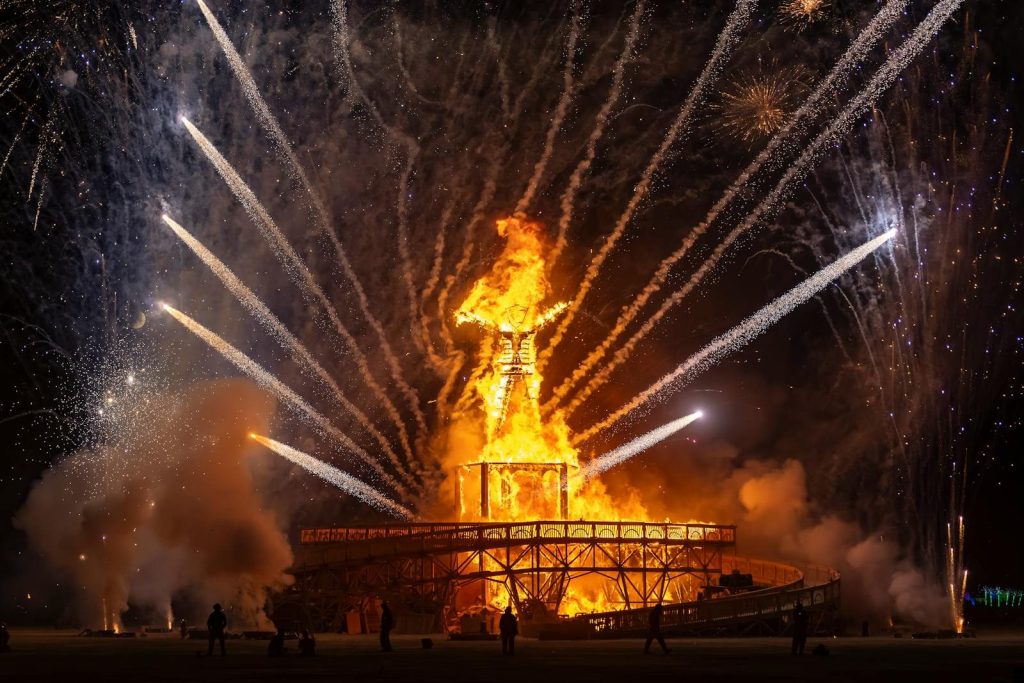
Is not in a town, which means the nearest actual town — Gerlach, Nevada, population around 200 — bears the burden of being the last stop before the desert event for tens of thousands of people. The residents of Gerlach have a nuanced relationship with Burning Man’s existence that is not fully represented in the festival’s mythology.
Bike Week in Daytona Beach, Florida
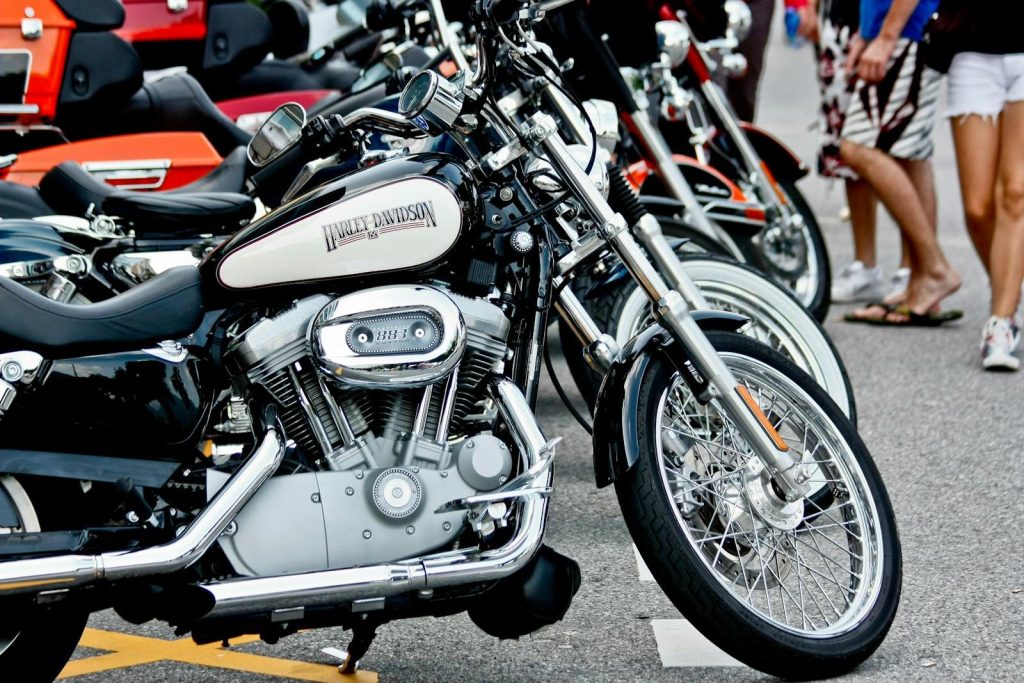
Brings half a million visitors to a beach town twice a year — once in March and once in October. Daytona Beach is a city that has built significant infrastructure around tourism and is generally prepared. The lived experience of Daytona Beach residents during Bike Week is simply life at a much higher volume than normal for ten days.
The Kentucky Derby in Louisville, Kentucky
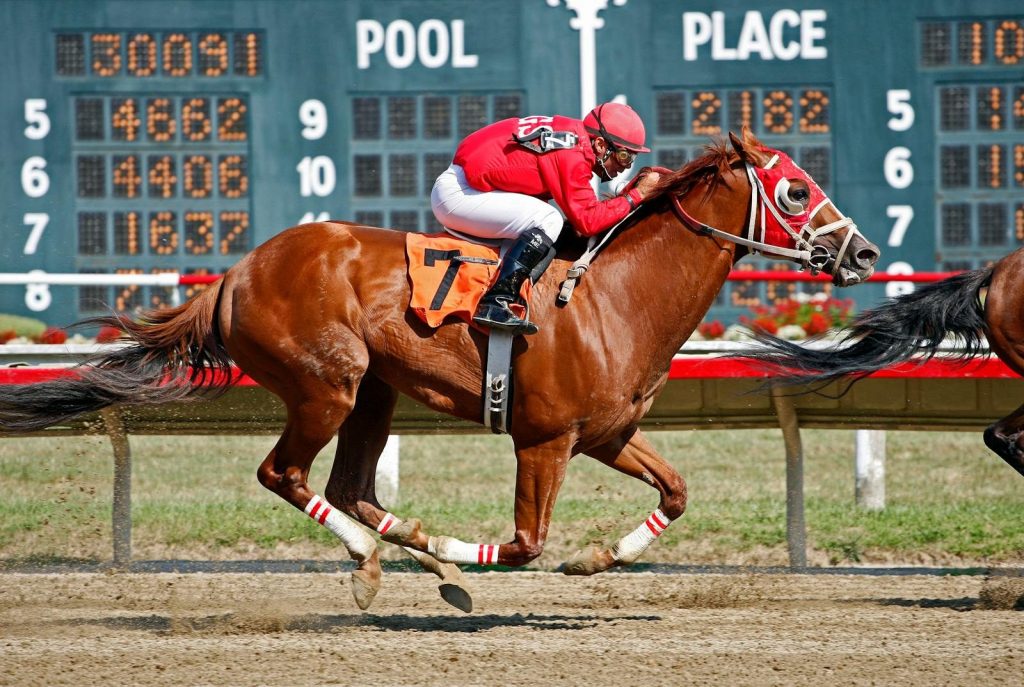
Is a two-minute horse race surrounded by two weeks of parties, events, and logistics that transform Louisville into a different city. The Derby itself — the race, the fashion, the genuine pageantry — is extraordinary and worth experiencing. Getting anywhere in Louisville in the two weeks around Derby is a different experience from the rest of the year.
Lollapalooza in Chicago, Illinois
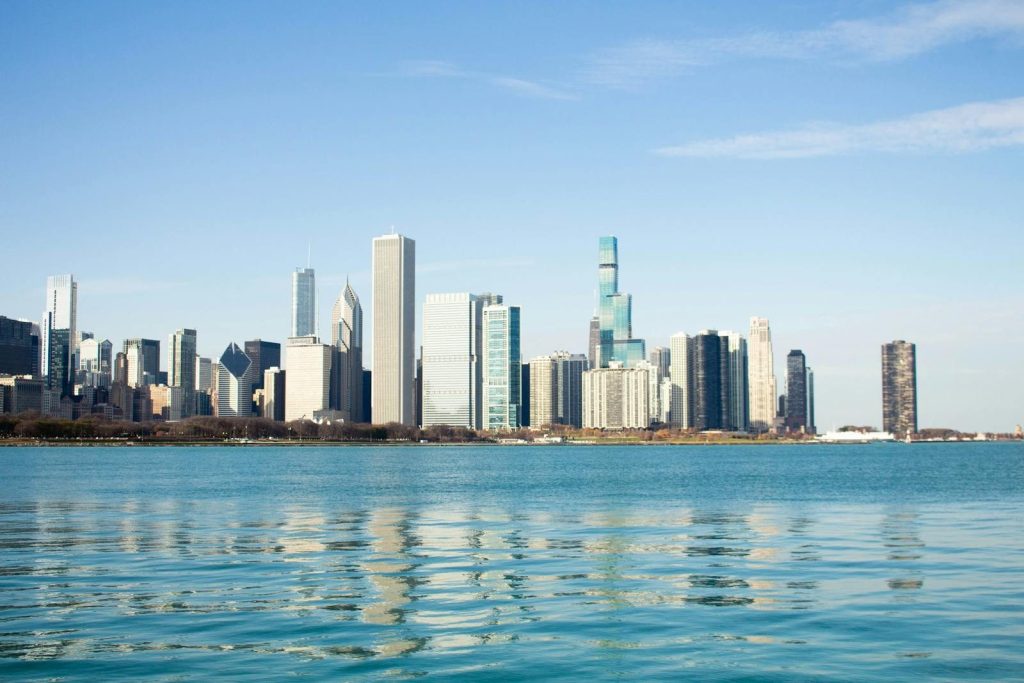
Occupies Grant Park — Chicago’s front yard — for four days every summer with 100,000 people per day. Chicagoans who live or work near Grant Park develop a specific annual relationship with the weekend. The music is genuinely impressive. The logistical impact on the surrounding neighborhood is real and significant.
Every great festival has a local population that absorbs it. Tip well. Clean up after yourself. Be the visitor they do not dread next year.