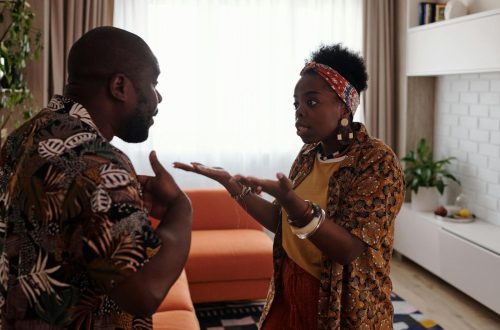

Marriage is built on more than the promises exchanged at the altar. Beneath the daily routines of shared meals, parenting, and finances lies a quieter layer of the relationship — one made up of unspoken expectations that both partners carry into the union. For husbands especially, many of these expectations are never voiced, yet they quietly shape how satisfied, valued, and connected they feel in their marriage.
When these silent expectations go unmet for too long, they can breed resentment, emotional withdrawal, or a slow erosion of intimacy. The good news is that awareness is the first step toward change. Understanding what your husband may be silently hoping for — without ever saying it out loud — can transform the way you connect and communicate as a couple.
This article explores 11 of the most common unspoken expectations husbands hold, and what couples can do to address them before they become fault lines in the relationship.
1. To Feel Respected, Not Just Loved
Many husbands need to feel respected as deeply as they need to feel loved. Respect, in this context, means being trusted to make decisions, having opinions taken seriously, and not being corrected or dismissed in front of others. According to research published in Psychological Science, men often report feeling more distressed by perceived disrespect than by conflict itself.
A husband who doesn’t feel respected may become quiet, distant, or defensive — not out of stubbornness, but out of emotional pain he may not know how to articulate.
2. To Be Appreciated for What They Provide
Whether emotional, financial, or practical, husbands often measure their contribution to the marriage through what they do. Many silently hope their efforts — long work hours, household repairs, or showing up consistently — will be noticed and acknowledged. When those contributions go unrecognized over time, a husband may begin to feel invisible or taken for granted.
Simple, sincere expressions of gratitude can go a long way. It’s not about grand gestures — it’s about noticing the everyday ones.
3. To Have Their Need for Space Understood
Men are often socialized to process emotions internally. Many husbands silently expect their partners to understand that occasional withdrawal isn’t rejection — it’s decompression. The need for alone time, a hobby, or an hour of quiet doesn’t mean something is wrong in the marriage.
Misreading this need as emotional unavailability can create tension. Allowing space without making it a source of conflict builds trust and emotional safety for both partners.
4. To Feel Desired and Physically Connected
Physical intimacy is more than a want for most husbands — it’s a primary language of emotional connection. Many men struggle to articulate that feeling consistently desired by their partner matters deeply to their sense of security in the marriage. When intimacy becomes infrequent or feels obligatory, husbands may internalize it as rejection.
Opening honest, gentle conversations about physical needs — without pressure or shame — creates space for both partners to feel seen.
5. To Be Trusted With Decisions
Husbands often carry an unspoken expectation that their judgment will be trusted, particularly in areas they’ve taken ownership of. Constant second-guessing, micromanaging, or overriding their decisions can feel undermining, even when the intention is to help. Trust in decision-making is closely tied to how valued and capable a husband feels in the relationship.
6. To Have a Partner, Not a Manager
One of the most common quiet frustrations husbands experience is feeling managed rather than partnered with. When communication shifts toward task delegation, correction, or criticism — even well-meaning — a husband may begin to feel more like an employee than an equal. Healthy marriages thrive on collaboration, not hierarchy.
7. To Be Heard During Conflict, Not Just Managed
During disagreements, many husbands silently hope to be genuinely heard — not placated, not interrupted, not talked over. They want to know their perspective matters, even if it’s not ultimately the one that prevails. Feeling consistently unheard during conflict is one of the leading precursors to emotional disengagement in marriage.
8. To See Their Wife Happy
This one surprises many people: most husbands deeply want their wives to be happy, and when she isn’t, they often feel like they’ve failed. This unspoken expectation isn’t about carrying responsibility for a partner’s emotions — it’s about wanting to contribute to her joy. When a husband perceives chronic unhappiness or dissatisfaction, it can trigger helplessness or guilt that he may express as withdrawal.
9. To Feel Like a Priority
Life gets busy — careers, children, friendships, and obligations compete for time and energy. Many husbands silently hope that even in the chaos, they still rank as a genuine priority to their partner. Small, intentional moments of focused attention — a conversation without phones, a shared activity, a moment of warmth — signal that the marriage still comes first.
10. To Not Feel Alone in the Marriage
Loneliness inside a marriage is more common than most people acknowledge. Husbands who feel emotionally disconnected from their partners — who share a home but not genuine closeness — often suffer in silence. This loneliness rarely gets named directly. Instead, it surfaces as irritability, distraction, or emotional flatness.
Regular emotional check-ins and intentional quality time are among the most effective ways to prevent this quiet drift.
11. To Grow Together, Not Apart
Most husbands enter marriage with an unspoken hope that the relationship will be a living, growing partnership — not a static arrangement that slowly calcifies into routine. They want to evolve alongside their partner, share new experiences, and feel that the relationship is moving toward something. When growth stalls, so does connection.
How Couples Can Close the Gap
Understanding silent expectations is only half the work. The other half is creating a relationship culture where both partners feel safe voicing what they need — before resentment builds.
Start with curiosity rather than assumption. Ask open-ended questions: What’s something you’ve been wanting more of lately? or Is there something I do that makes you feel unappreciated? These conversations may feel vulnerable, but they are often where the most meaningful shifts happen.
Couples therapy or structured relationship conversations using tools like the Gottman Method can also provide a guided framework for uncovering and addressing unspoken needs on both sides.
Conclusion
Silent expectations don’t have to stay silent. When husbands and wives alike bring their unspoken hopes into the open — with empathy, patience, and a genuine desire to understand — marriages don’t just survive. They deepen.
Every expectation on this list is, at its core, a desire to feel valued, connected, and chosen. And that’s something both partners in a marriage can work toward together.