
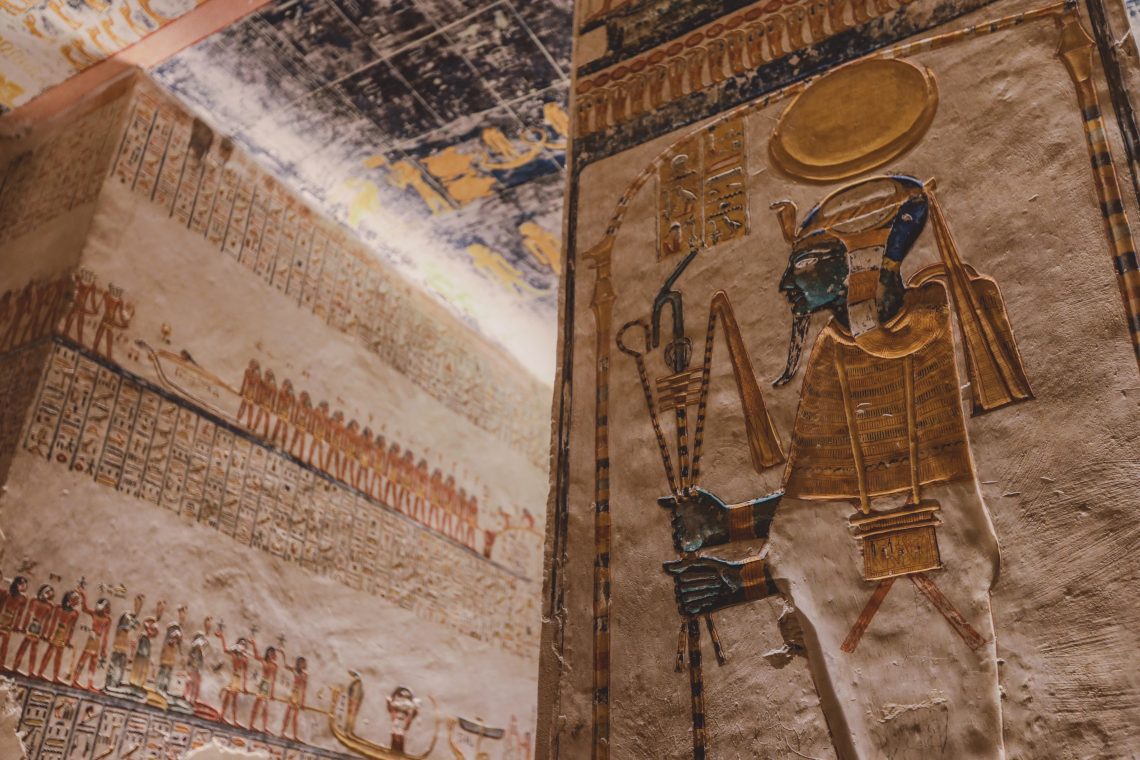
Anomalous Genetic Sequencing
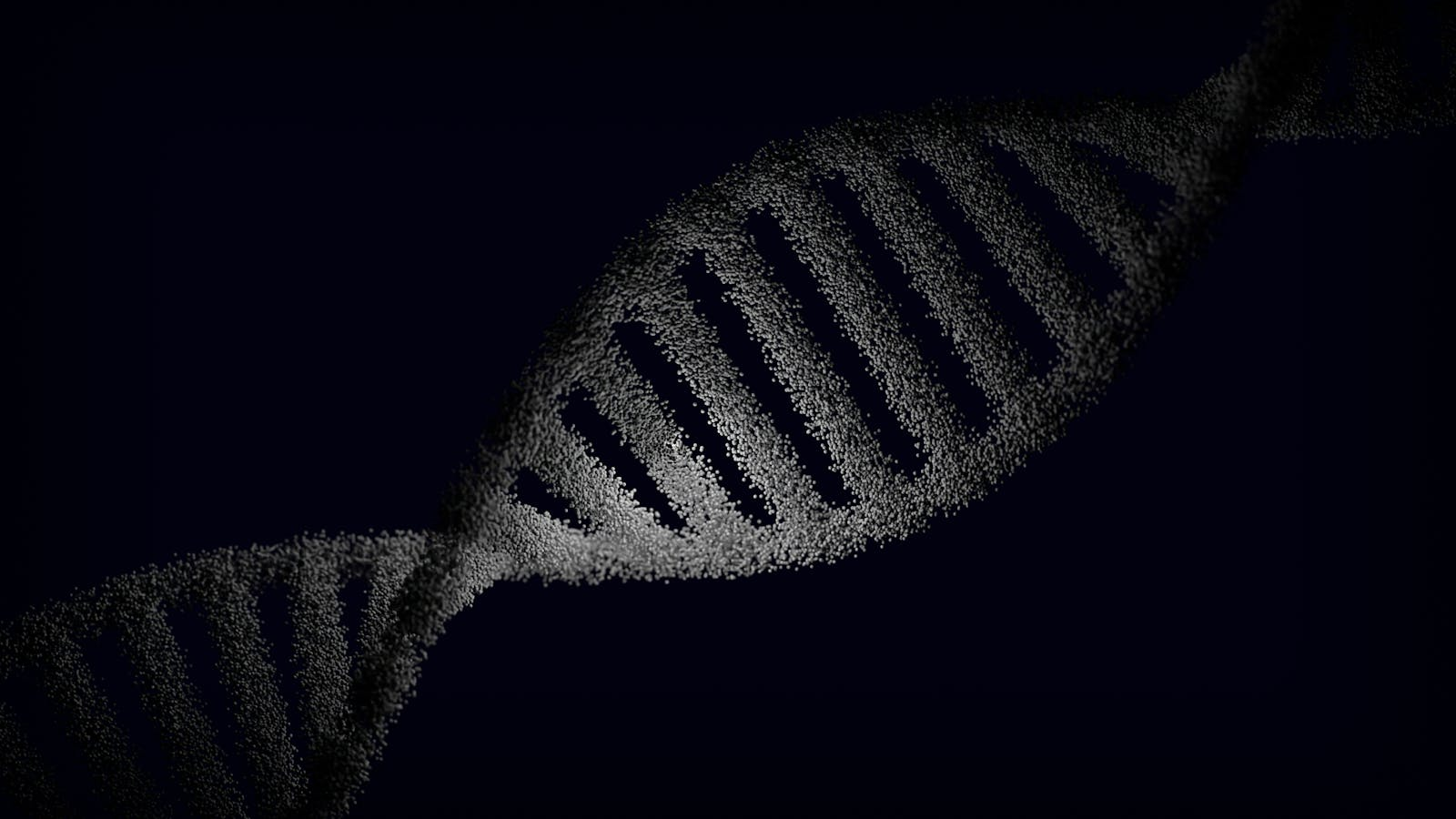
Anthropologists have made a genuinely startling find — 7,000-year-old mummies whose DNA bears no resemblance to human genetic material. The discovery emerged from a demanding excavation at a remote site where extraordinarily favorable environmental conditions kept biological tissue intact across millennia. Early genetic sequencing revealed a sharp deviation from the genetic markers typically associated with homo sapiens of that period. The results have pushed researchers to reconsider established migration theories and entertain the possibility of unknown lineages that once occupied the region. Analysis of the samples is ongoing as scientists work to place these individuals within the wider story of life on Earth.
Preservation Of Biological Tissue
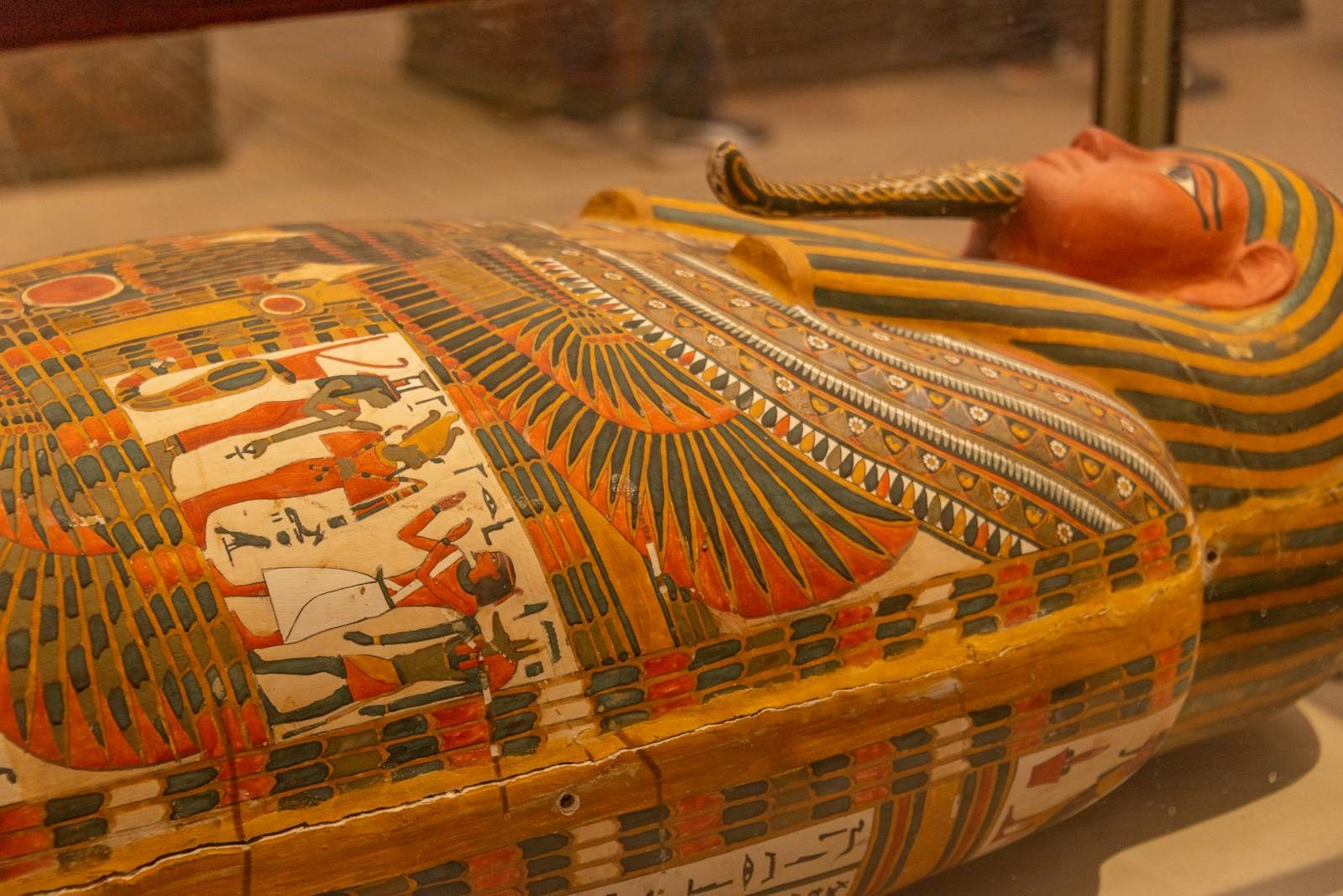
Laboratory examination of preliminary bone marrow samples produced sequences that stray far outside the boundaries of the known human genome. Scientists noted that critical protein structures and chemical configurations within the double helix bear no resemblance to any recorded primate specimen. The complete absence of shared genetic material points toward a wholly separate biological lineage that coexisted with early human populations. Existing computational databases were unable to classify the samples, prompting the involvement of international specialist teams. The degree to which these findings contradict established biological understanding has made them a central concern for researchers working in evolutionary biology and genetics.
Archaeological Site Significance
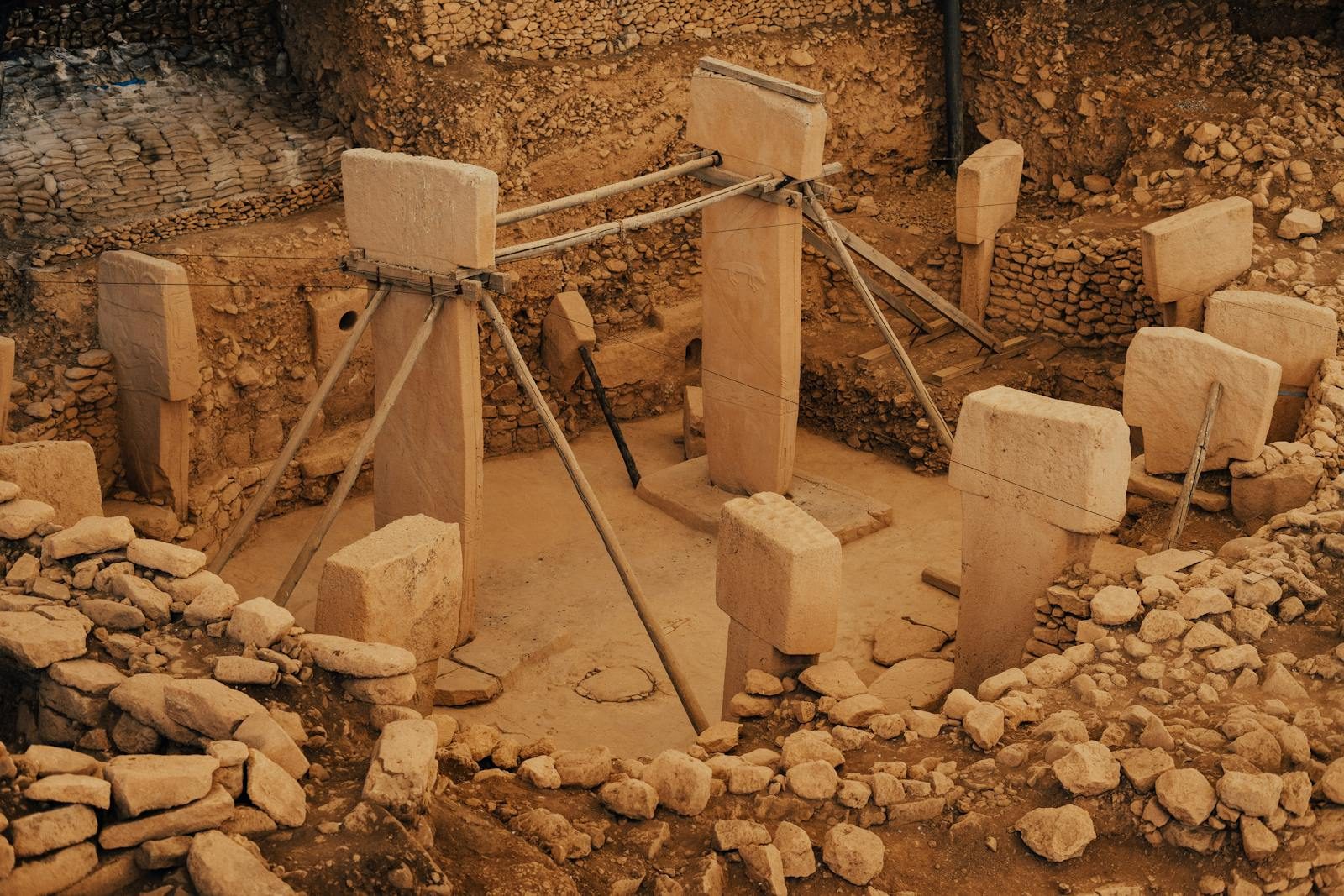
Extraordinary preservation conditions allowed ancient skin and muscle tissue to endure without the typical deterioration seen in remains of comparable age. The mineral composition of the surrounding soil combined with distinctive atmospheric conditions created a natural seal that blocked bacterial activity and prevented moisture from reaching the bodies. This exceptional state of preservation gave researchers access to abundant, high-quality cellular material suitable for thorough laboratory examination. Rather than the usual fragmentary skeletal remains, these mummies offer a rare window into the physical characteristics of a people who left no written record behind. The cellular integrity of the tissue further points to a sophisticated biological resilience adapted to the demanding local environment.
Comparison To Known Lineages
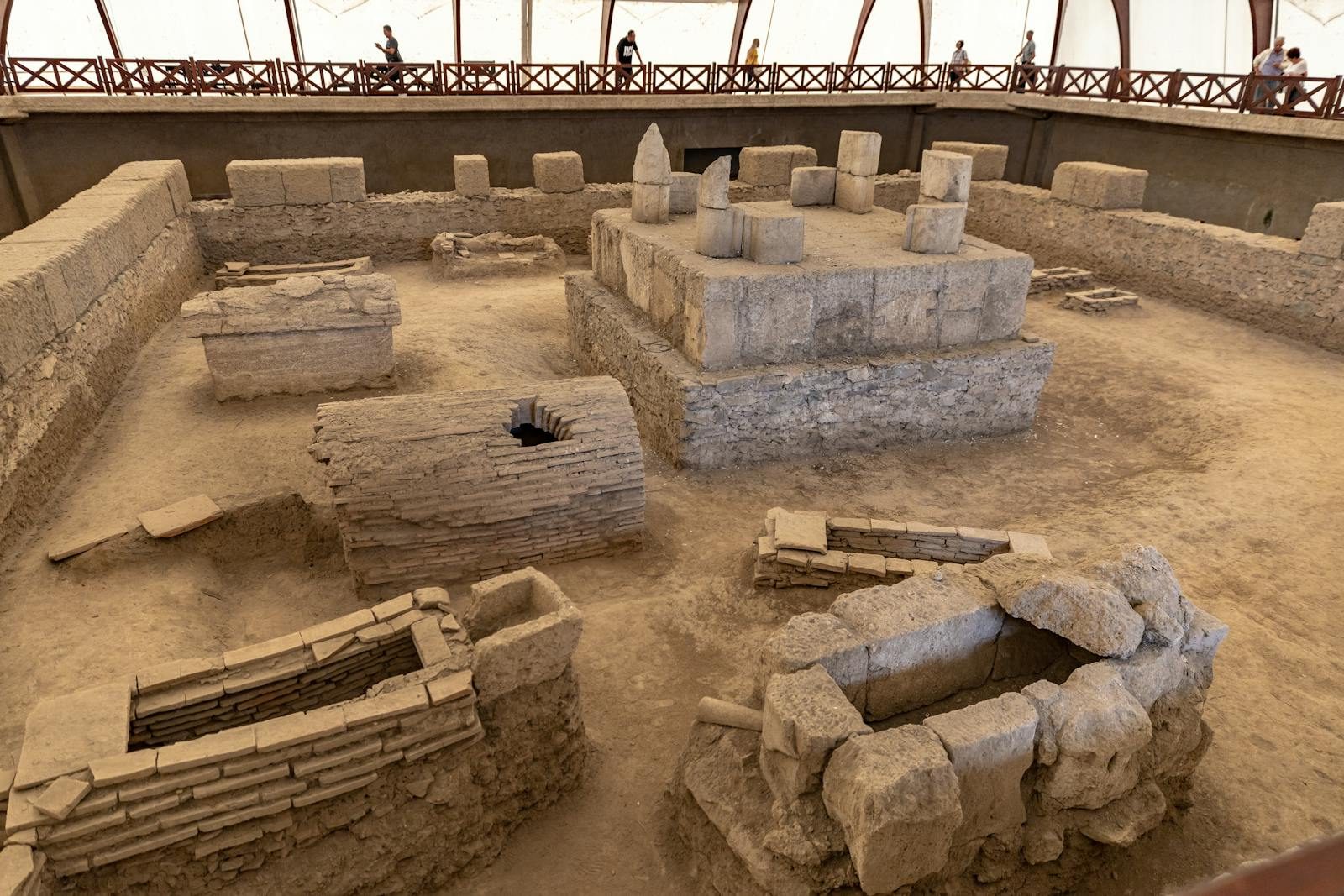
The discovery site occupies a historically significant position at the intersection of ancient trade corridors and migratory routes used by early settlers. Among the remains, excavators uncovered artifacts that bear no cultural connection to the surrounding agricultural communities of the era. These objects — including precisely finished stones and metallic alloys — indicate a command of metallurgy that far exceeds what was thought achievable at the time. The arrangement of the burial space reflects a nuanced awareness of astronomical patterns and the movement of celestial bodies. Taken together, the evidence paints a picture of a highly organized society with its own distinct traditions and a rich inner spiritual world.
Implications For Evolutionary Science
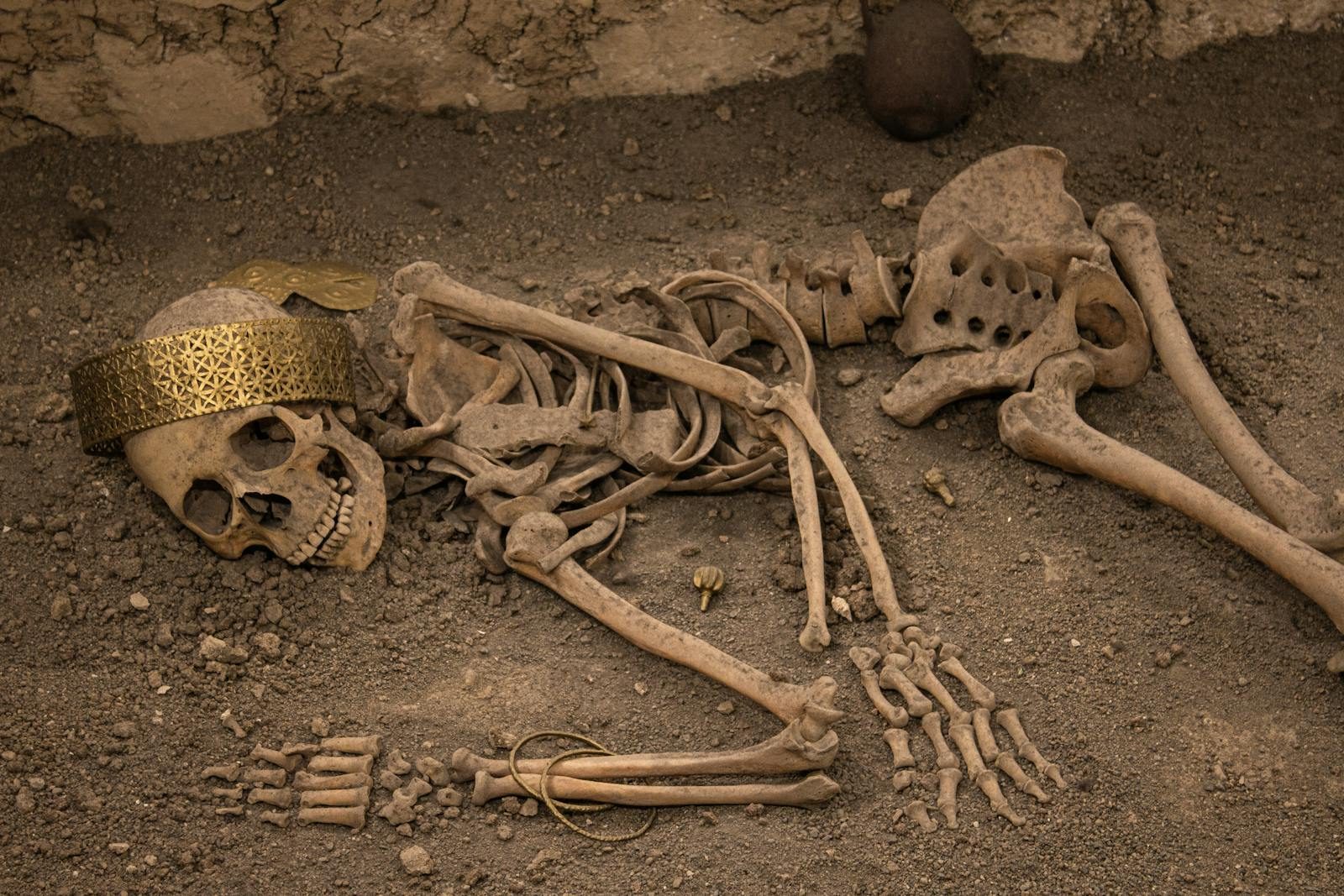
Genetic data extracted from the remains was cross-referenced against an extensive global archive of ancient hominid specimens in search of overlapping markers. Testing for connections to both Neanderthals and Denisovans returned completely negative results across every parameter examined. This total disconnection from humanity’s shared ancestral lineage implies an independent evolutionary trajectory that existing science has yet to map. Some researchers propose that the group may have descended from a small, geographically isolated population that developed distinct biological traits across thousands of generations. The absence of any common human markers positions these individuals as the most consequential biological enigma uncovered in the twenty-first century.
The confirmation that a non-human lineage existed during the early rise of organized civilization fundamentally challenges long-held assumptions about the past. Prevailing frameworks for understanding human development may need substantial restructuring to properly account for such a biologically distinct and seemingly advanced group. Scholarly debate is currently focused on how to integrate these findings into the accepted chronology of life on Earth without undermining existing consensus. The discovery lays bare the enormous blind spots that remain in our understanding of the diverse species that once shared this planet with our direct ancestors. Above all, it stands as a vivid reminder that the ground beneath us still guards truths capable of reshaping the entire human story.