
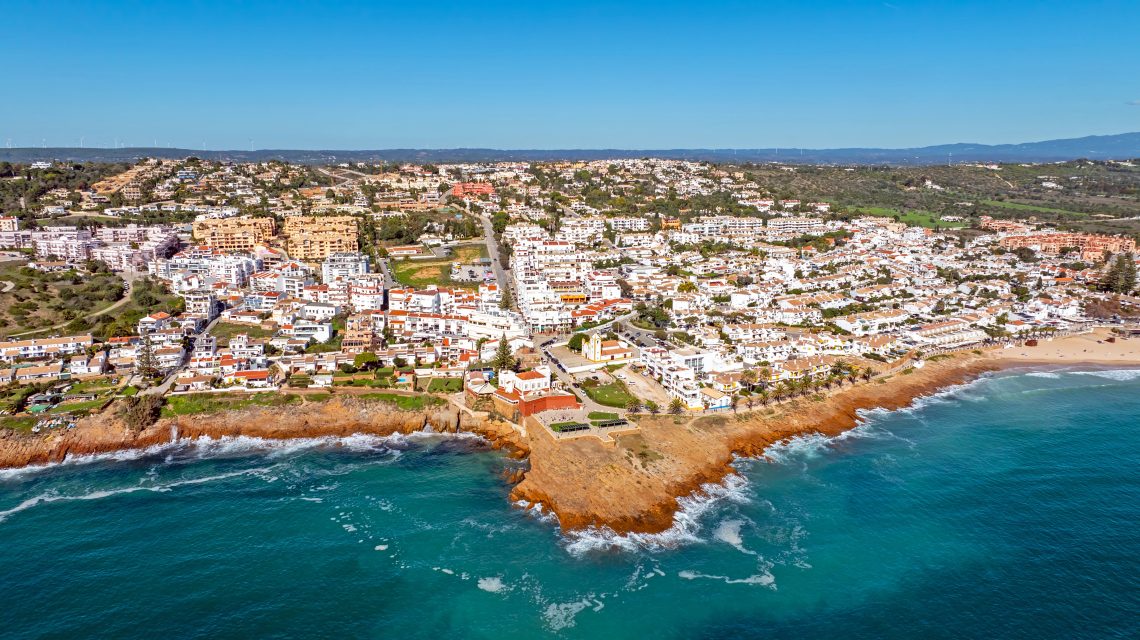
Picture this: a plate of freshly made mezze with the Mediterranean glittering just beyond the terrace, golden-hour light spilling across cobblestone squares during evening aperitivo, and lazy weekends spent drifting between sun-drenched islands on a private yacht. Sound like the retirement you’ve always had in mind? Then keep reading, because this guide breaks down five European coastal cities where that lifestyle isn’t a fantasy — it’s just a Tuesday.
To build this list, we turned to the people who actually crunch the numbers on this stuff. Two major studies served as the backbone of our research: one from global property platform Pacaso and another from financial advisory firm Money Minder, both of which zeroed in on the best places in Europe to hang up your working boots. We then layered on our own set of criteria to make sure every city on this list truly earns the “coastal” label — real beaches, real shoreline, all within reach.
What came out the other side is genuinely hard to put down. The range alone is striking — from the perpetually sun-baked shores of Malaga on Spain’s Mediterranean coast all the way up to the edge of the Gulf of Finland, this list covers balmy beach escapes, rugged northern hideaways, and everything in between.
Valencia, Spain

Valencia kicks things off at the top, and honestly, it’s not a close competition. It earned mentions in both source studies and claimed the number-one slot in Pacaso’s full rankings — a list that also included Paris and London, just for some perspective. It might not carry the same instant name recognition as those European giants, but spend a little time wandering its ancient streets — some of which date back more than 2,000 years — and the appeal becomes impossible to miss.
The résumé speaks for itself. Valencia was crowned the best city in the world to live in according to the 2024 InterNations ranking, a verdict delivered by more than 12,500 expats spread across the globe. Not a single respondent living there had anything negative to report. And this wasn’t a one-off — Valencia held that same top position back in 2022 and 2020 as well.
On Reddit’s r/retirement community, one user who visited the city put it plainly: the food was excellent, the streets felt completely safe at all hours, and the beachside promenade was genuinely impressive. That beach access sits right alongside world-class science museums and a historic city center that punches well above its weight. Whether you want the lively buzz of Las Arenas or the quiet calm of El Saler’s pine-backed dunes, the variety is there.
Helsinki, Finland
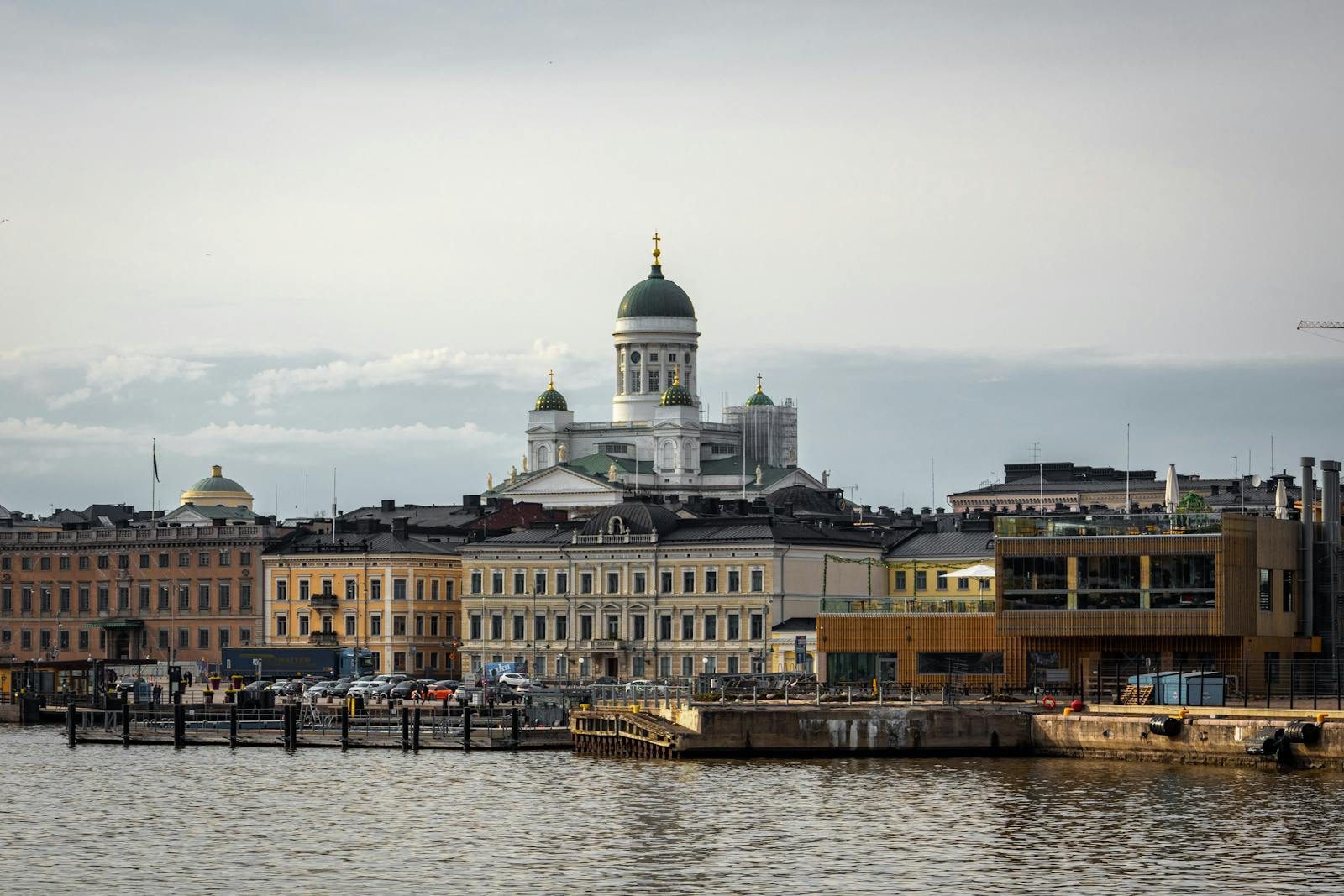
For retirees whose dream involves rambling through centuries-old coastal fortresses or spending weekends in national parks thick with wild berries, Finland’s capital deserves serious consideration. Helsinki was the only other city to earn points from both source studies — a distinction that says a lot in a field this competitive.
Independent research backs that up. Helsinki ranks among the most sustainably livable places on the planet according to the city’s own data, and Finland as a whole has topped the World Happiness Report for nine consecutive years — the kind of track record that’s genuinely hard to argue with.
The coastal angle here looks different from southern Europe, but it’s far from a consolation prize. Helsinki sits at the gateway to an archipelago of more than 300 islands, each dotted with pine forests, hidden rocky coves, and walking trails that feel a world away from city life. The Finnish sauna culture adds another dimension entirely — estimates put the number of saunas across the country at upward of three million, with some of the finest lining the waterfront around the capital itself.
The Hague, The Netherlands
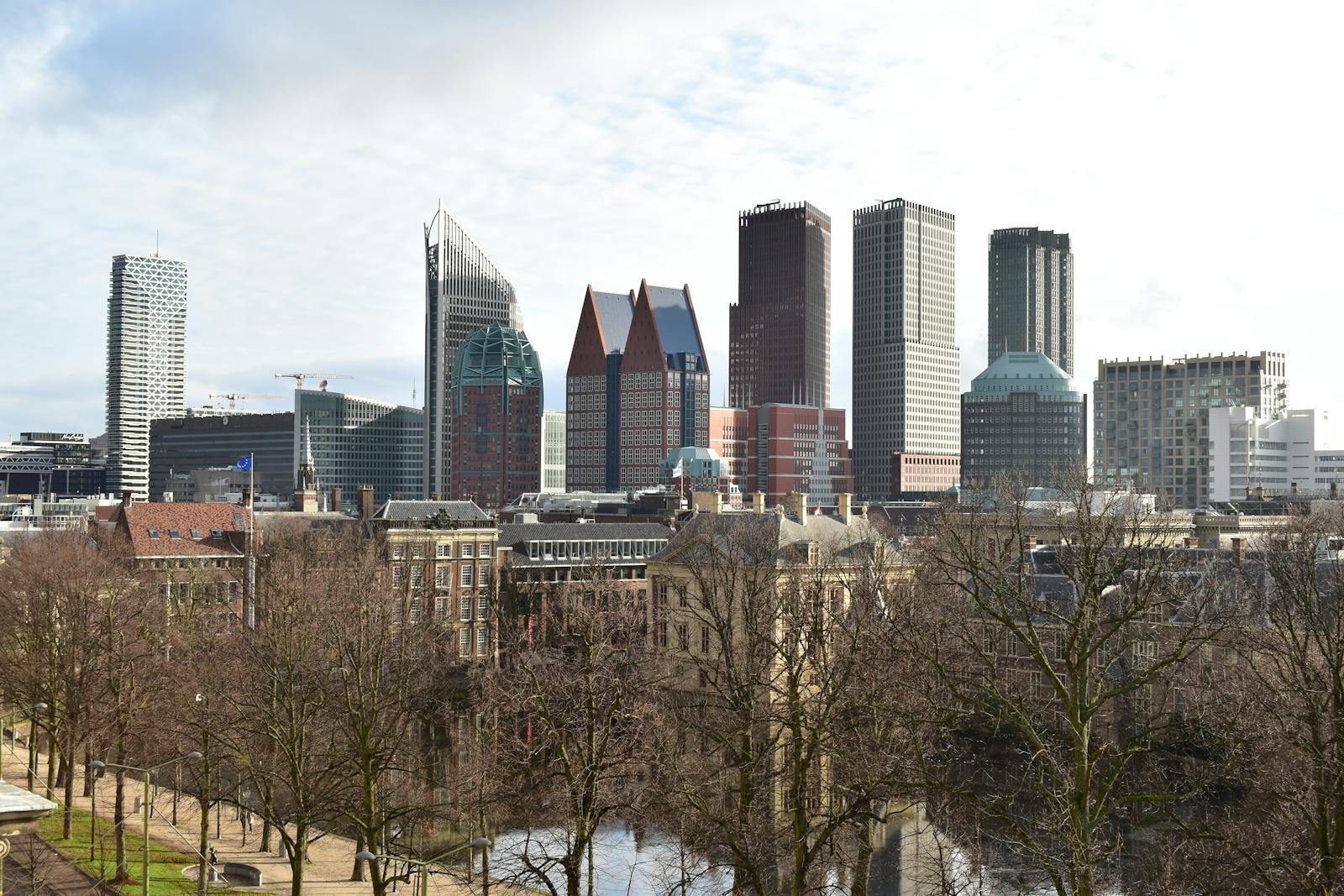
The Hague has a reputation problem. Visitors tend to write it off as a city of bureaucrats and international courts — politically significant, perhaps, but not exactly the backdrop for a vibrant retirement. Lonely Planet disagrees, and so do we. Scratch beneath that administrative exterior and you’ll find a thriving cultural scene, a food culture that’s quietly becoming something to talk about, and — crucially — nearly seven miles of unbroken North Sea coastline.
In Pacaso’s ranking of Europe’s top retirement destinations, The Hague landed third, with strong marks for healthcare access and personal safety. The Netherlands consistently ranks among the countries with the most respected healthcare systems in the world, while The Hague itself sits ninth on Numbeo’s global safety index.
Getting to the beach from the city center takes about thirty minutes by tram. At Scheveningen Strand, wide sandy shores host sailing regattas and open-air wine bars. Push further out and the atmosphere shifts entirely — at Wassenaarse Slag, the crowds thin out and rolling dunes take over as far as the eye can see.
Malaga, Spain
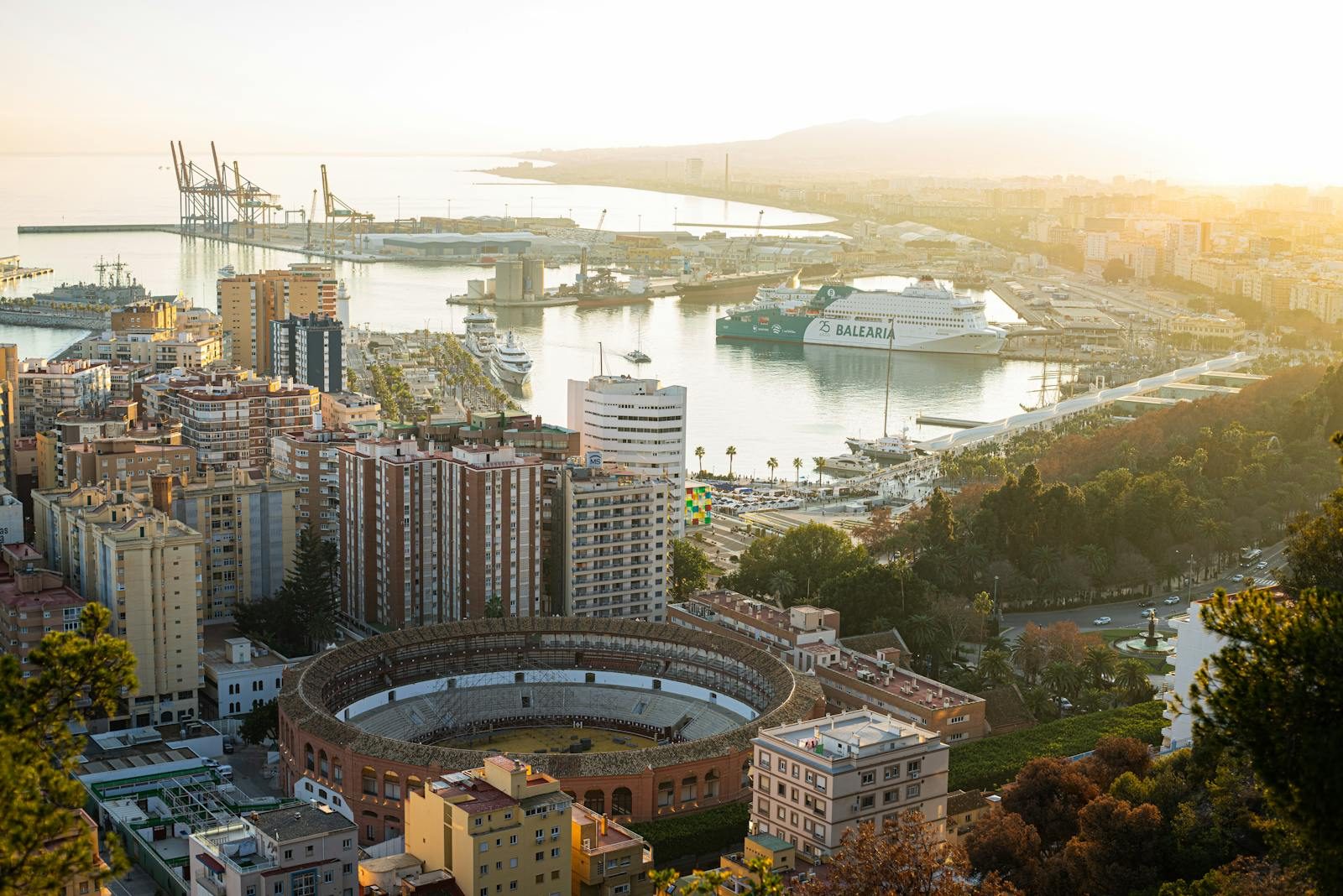
Malaga doesn’t need to do much convincing. Spain already hosts an estimated 300,000 British retirees, and a large chunk make a beeline for the Costa del Sol — the sun-soaked southern stretch where Malaga sits at the center. Around eight percent of the city’s entire population is made up of foreign residents aged 65 and older, making it the second most popular retirement destination in all of Spain.
Money Minder placed it third on their European retirement index, crediting a well-rounded mix of factors: strong leisure infrastructure, a healthy museum scene, and — perhaps most persuasively — an impressive concentration of local wineries. The climate seals the deal. Malaga averages more than 300 days of sunshine per year and records some of the warmest winter temperatures anywhere on the continent.
The beaches spread out in dramatically different styles in both directions. Head an hour east and you’ll reach Playa de las Lindes, one of Spain’s most beloved swim beaches — it famously employs trained dog lifeguards. Head 25 minutes southwest and you’re in Torremolinos, where long stretches of pale sand run alongside a promenade packed with bars and restaurants.
Lagos, Portugal
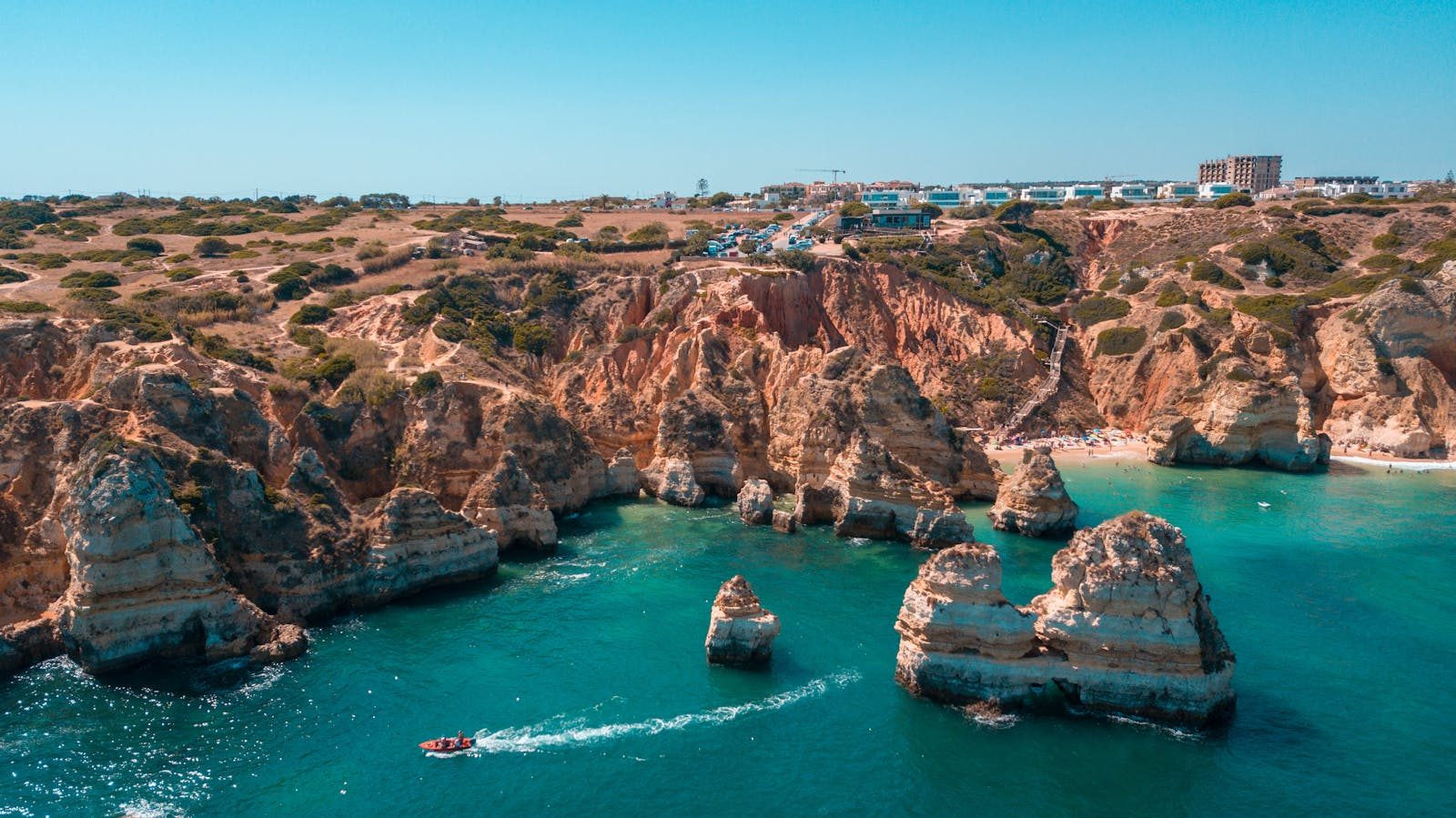
No serious conversation about European retirement wraps up without the Portuguese Algarve entering the picture. Global mobility specialists Sable International have called it the “ideal destination for retirees,” pointing to year-round sunshine, a cost of living that still makes financial sense, and a well-established expat community that takes the edge off relocating abroad. Among the Algarve’s many appealing spots, Lagos earns its place here with a ninth-place finish in Pacaso’s rankings.
The setting alone would be enough for most people. Lagos delivers the full Algarvian coastal experience — terracotta cliffs dropping to beaches of warm golden sand, with water that turns a startling shade of turquoise in the afternoon light. Praia Dona Ana captures that mood perfectly and sits within easy walking distance of the town center. For something quieter, the fishing village of Salema is just 25 minutes away, offering what travel writer Rick Steves once described as the authentic old soul of the Algarve.
But Lagos rewards those who look beyond the shoreline. The old town holds centuries of layered history — ornate Baroque churches, Roman-era defensive walls, and traditional fish markets where the catch comes in fresh each morning. Clifftop hiking trails run along the Atlantic edge, offering the kind of views that tend to make people reconsider their timelines for moving here.
Methodology
This list was built on the findings of two independent studies. The first came from global co-ownership platform Pacaso, which assessed European retirement destinations across a range of practical metrics including climate, social infrastructure, and property factors. The second was compiled by wealth consultants Money Minder, who evaluated the 50 largest European cities on criteria such as housing costs, safety statistics, grocery expenses, and more.
Both lists were then run through our own additional filters. Every city included here had to have genuine coastal access — beaches or shoreline within city limits, not just nearby. Smaller towns, islands, and country-wide mentions were set aside in favor of proper urban destinations. Each qualifying city earned a point for every appearance across the source studies, with multiple mentions pushing a city higher on the final list.