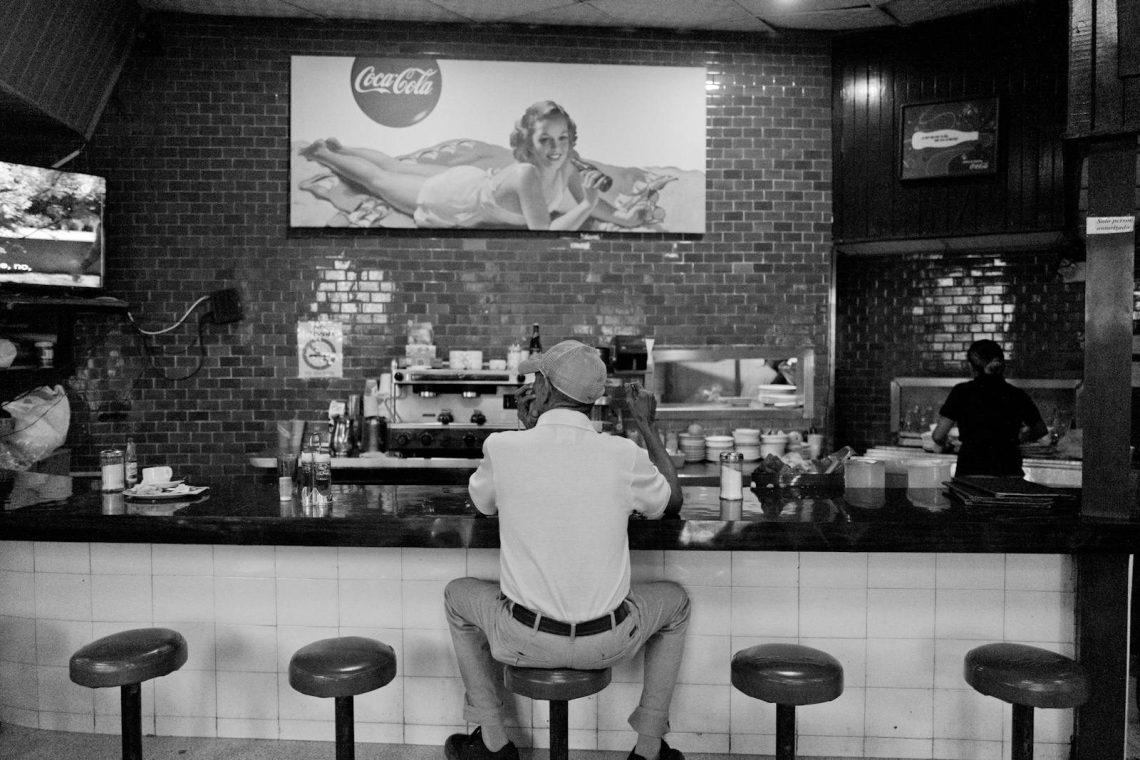
The regulars figured this out years ago. Now you know too.
The American diner is one of the most democratic and underappreciated institutions in the country. A great diner treats the truck driver, the banker, the night-shift nurse, and the tourist exactly the same — with a cup of coffee, a laminated menu, and food that is frequently better than its humble presentation suggests. But there is a language to diner culture that regulars speak fluently and first-timers often miss. Here is the translation.
The Breakfast Is Almost Always the Reason to Go.
Diners got their reputations on breakfast. The eggs, the pancakes, the hash browns, the toast — these are what the kitchen has been doing every morning for decades and what the staff can execute perfectly under any conditions. The dinner menu at a diner is often perfectly fine. The breakfast is almost always excellent.
The Specials Board Is the Chef Showing Off.
When a diner has a handwritten specials board, it usually means someone in the kitchen has access to something fresh and seasonal and is actually cooking rather than just reheating. The specials at a good diner are often the best thing on the menu. Regular customers know to ask about them immediately.
The Regulars at the Counter Know Everything.
Sit at the counter if you want the real experience. The person two stools down has been eating at this diner three times a week for fifteen years and knows exactly what to order. They will tell you if you ask. Diner counter culture is one of the last forms of spontaneous American community conversation.
Order the Pie.
A diner that makes its own pie is a different institution from a diner that buys it frozen. Ask if the pie is made on premises. If it is, order a slice. A great diner pie is one of the genuine pleasures of American food culture and increasingly rare.
The Coffee Pot Comes to You.
Diner coffee culture is built around refills. You do not wait for the coffee to run out and then try to flag someone down. The coffee comes to you before you need it. If you are at a diner and you have to ask for a refill, something has gone wrong.
Cash Is Still King at Many Diners.
A significant number of excellent American diners operate cash only or prefer cash for small orders. This is not an inconvenience — it is a signal that the place has been operating the same way for decades and has not needed to change. Carry twenty dollars when visiting a new diner.
The Waitress (or Waiter) Has Probably Been There Longer Than You Have Been Alive.
Diner service culture is built on experience, efficiency, and a kind of professional warmth that takes years to develop. The server who calls you hon and has your coffee in front of you before you sat down completely is not being informal — they are being excellent at a job they have mastered. Tip accordingly.
The Best Diners Look the Worst From the Outside.
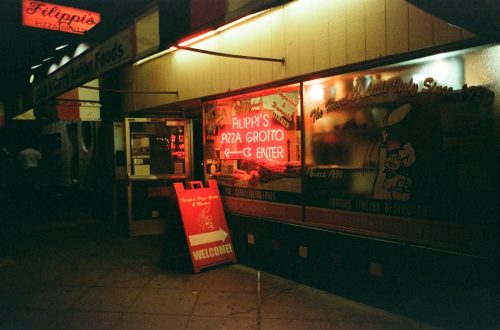
The correlation between a diner’s exterior appearance and the quality of its food is inverse. The chrome and neon beauty parlor diner that looks exactly like what a movie set designer thinks a diner should look like is often fine. The diner in a converted building with a hand-painted sign that looks like it might have been there since the Eisenhower administration is where the food is.
Go Before 9am or After 2pm.
The peak breakfast rush at a good diner is a beautiful chaos that regulars navigate easily and first-timers can find overwhelming. Arriving at 7am or 8am on a weekend puts you in the heart of it with waits and noise. Arriving at 6am or after 2pm gives you the full diner experience with elbow room.
Tip More Than You Think You Should.
Diner servers work harder for smaller checks than almost any other category of restaurant server. The check is small. The work is real. The tip should reflect both the percentage and the acknowledgment that excellent diner service is a specific and undervalued skill.
Find a great diner. Go back regularly. Become a regular. It is one of the better decisions available to an American.