

Choosing a life partner is one of the most significant decisions you’ll ever make. While no one is perfect, certain patterns of behavior can signal deep incompatibility — or even emotional harm. Note: While this article uses “he/him” for readability, these warning signs apply to partners of any gender.
Take an honest look at these 15 habits before walking down the aisle. If your partner consistently displays most of them, relationship experts agree it may be time to reconsider.
1. NARROW-MINDEDNESS

Spending your life with someone who is not open to new ideas or perspectives can be deeply isolating. A partner who constantly restricts you out of fear or mistrust — rather than communicating openly — can slowly erode your sense of self. Healthy relationships are built on mutual trust, not control.
2. LACK OF EMPATHY TOWARD ANIMALS

Most people have at least some fondness for animals, so a complete aversion — without valid reasons like allergies or past trauma — can signal a lack of empathy. Asking you to choose between him and a beloved pet is a telling sign of prioritization. A complete absence of empathy toward animals can reflect broader emotional coldness that may affect your relationship.
3. DISREGARD FOR RELATIONSHIP BOUNDARIES

Every healthy relationship has boundaries that both partners agree to respect. If he repeatedly crosses lines you’ve clearly communicated — without remorse or change — that’s not just disrespect toward you. It’s a disregard for the relationship itself. Absolute, repeated disrespect is a serious warning sign.
4. BREAKS PROMISES REPEATEDLY

Everyone forgets occasionally, and a rare broken promise can be forgiven. But when promise-breaking becomes a pattern — nods of agreement followed days later by dismissal — it signals that your trust is being taken for granted. Consistency and follow-through are fundamental to a lasting partnership.
5. MAKES YOU FEEL LIKE A SECONDARY PRIORITY

Relationships thrive on mutual investment. If you consistently give your best while your partner remains disengaged or indifferent, the emotional imbalance will wear you down over time. You deserve to be a genuine priority, not an afterthought.
6. NEVER REFLECTS OR SELF-CORRECTS

According to relationship experts, a partner who is never open to self-reflection can create an unhealthy dynamic where growth and compromise become impossible. Healthy self-awareness — the ability to recognize mistakes and grow from them — is essential in a lifelong partner.
7. EXCESSIVE EXCUSES

Occasional explanations are understandable, but a constant stream of excuses — especially implausible ones — suggests your needs are consistently being deprioritized. Over time, this pattern communicates that you simply don’t rank high enough to warrant genuine effort.
8. REFUSES TO RESOLVE CONFLICTS

Disagreements are normal and even healthy in relationships. But a partner who refuses to settle disputes, dismisses your perspective entirely, or keeps arguments alive indefinitely is not engaging in good faith. Both people must be willing to respect differences and work toward resolution.
9. DOMINATES OR DISMISSES CONVERSATIONS

Communication is a two-way exchange. If he consistently talks over you, cuts you off, or shows visible disinterest when you speak, it signals that your voice doesn’t matter to him. Being chronically unheard in a relationship is emotionally exhausting — and unsustainable.
10. CHRONIC DISHONESTY

Small social fibs are human. But lies that affect your relationship — especially repeated ones — erode the trust that holds everything together. As relationship counselors often note, trust, once broken repeatedly, is very difficult to rebuild. A partner who lies to you regularly is not a safe foundation for marriage.
11. EXCESSIVE CLINGINESS

Healthy love includes space. A partner who cannot tolerate any independence — monitoring your movements, requiring constant contact, or becoming anxious when you’re apart — often signals underlying insecurity or control issues. Two emotionally healthy adults can love each other while also maintaining their individuality.
12. ESTRANGEMENT FROM FAMILY WITHOUT CAUSE

Family relationships are complicated, and estrangement is sometimes necessary and valid. But if your partner has cut off family members over minor disagreements — without serious reason — it may reflect an impulsive, all-or-nothing approach to relationships that could eventually extend to you.
13. DISMISSING YOUR HEALTH CONCERNS

If you’ve sincerely expressed concern about a habit that affects your shared life and wellbeing — and he is unwilling to even consider addressing it — that may reflect a broader pattern of dismissing your needs. A partner who genuinely values you will take your concerns seriously, even when change is difficult.
14. IMMATURITY IN RELATIONSHIPS

How your partner handles conflict with friends, family, or colleagues tells you a great deal about how he’ll handle conflict with you. If he routinely cuts people off after minor disagreements, acts impulsively, or refuses to work through friction, that pattern is unlikely to change once you’re married.
15. ANY FORM OF ABUSE
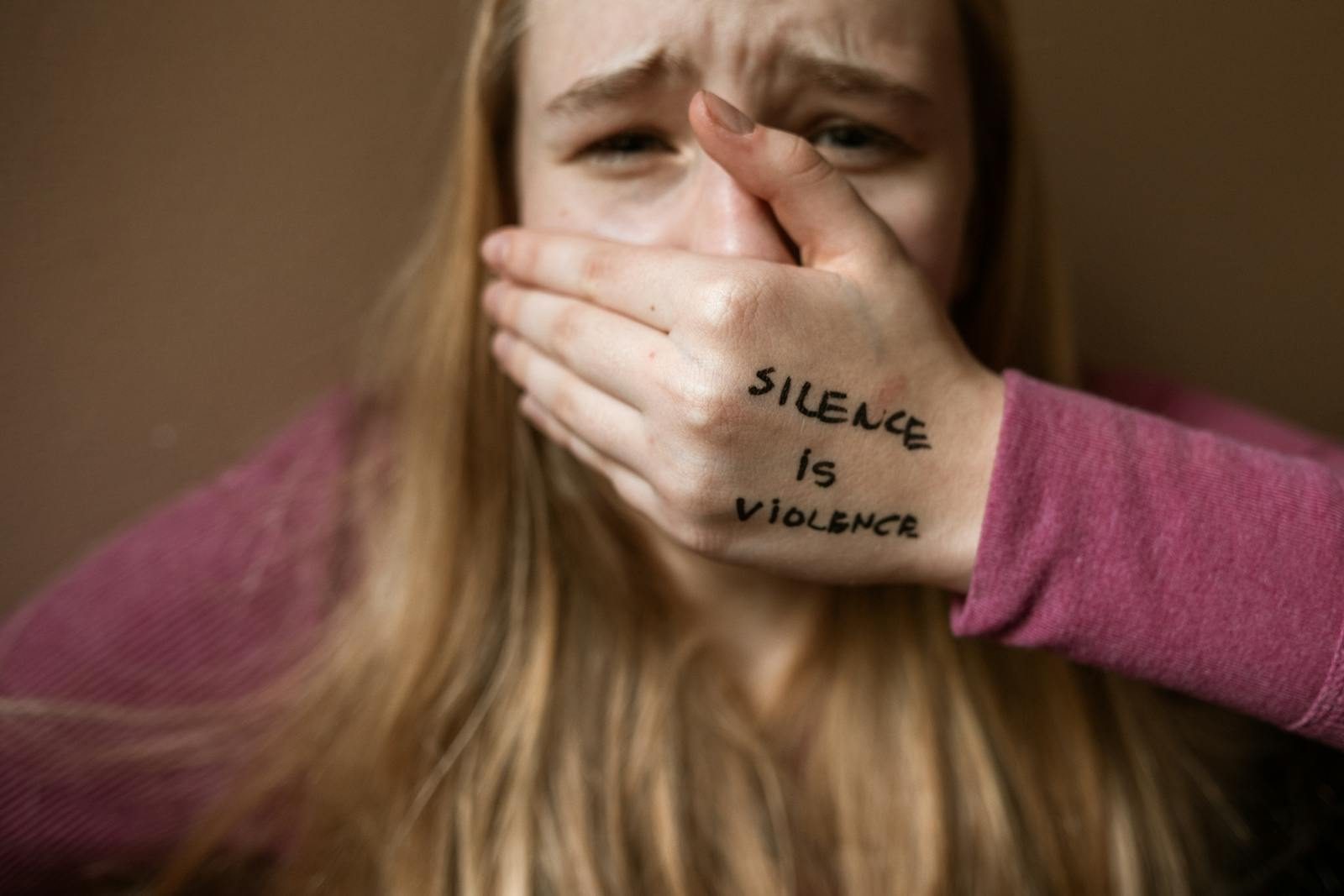
Every other consideration fades when physical or emotional abuse is present. Love is not compatible with violence, intimidation, humiliation, or control.