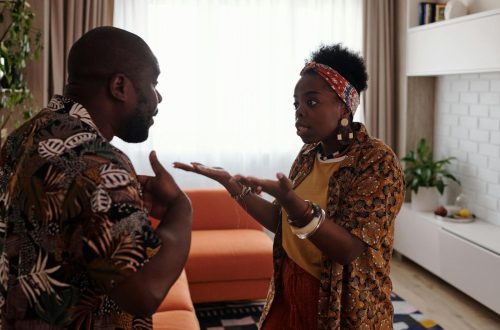

Total submissiveness in romantic relationships is something a striking number of young men consider non-negotiable — viewing their wives and girlfriends as sexual subordinates, according to eye-opening new research.
“Thirty-one percent of Gen Z men agree that a wife should always obey her husband, and 33% say a husband should have the final word on important decisions,” based on a global survey of 23,000 people.
Researchers from Ipsos, a UK-based market research firm, alongside the Global Institute for Women’s Leadership at King’s Business School in London, surveyed men and women of all ages across 29 countries — including the US, Great Britain, Brazil, and India.
Timed just ahead of International Women’s Day on Sunday, March 8, the investigation aimed to uncover sharp generational divides — from Baby Boomers to Gen Xers to millennials to Zoomers — around attitudes toward gender roles.
Adults over 30 largely pushed back against outdated, misogynistic ideas that women occupy a lesser social standing than men. But Gen Z respondents — those between the ages of 18 and 29 — broadly clung to more “traditional” values, elevating men while confining women to domestic roles.
The findings, though troubling, come as little shock given the recent surge in “red pill” male culture — a subculture built on opposing feminist ideas and perpetuating deeply embedded hostility toward women.
Figures like Andrew Tate, a polarizing online personality, and Scott Galloway, author of the 2026 book “Notes on Being a Man,” have faced widespread criticism for packaging “toxic masculinity” in ways that resonate with impressionable young men of Gen Z.
And clearly, many of them are absorbing it wholeheartedly.
On the topic of sexual initiation, 21% of Gen Z men globally argued that a “real woman” should never make the first move. Only 12% of Gen Z women shared that view, a figure that dropped to just 7% among Boomer men and women.
Gen Z men also led other demographics in believing women “should not appear too independent or self-sufficient.”
Oddly enough, however, 41% of that same group said women with successful careers are actually more attractive — a contradictory stance that raises more questions than it answers.
Kelly Beaver, Chief Executive of Ipsos, says this tension “opens a vital dialogue on how gender norms are being reshaped, highlighting the complex interplay between modernity and tradition and urging us to delve deeper into the cultural, social, and economic factors that influence these beliefs.”
And those problematic views extend beyond expectations placed on women.
Gen Z men also impose remarkably rigid standards on themselves.

While 30% insist that men should never tell a friend “I love you,” 43% believe young men should strive to appear physically tough — regardless of their natural build. Both stances place hyper-masculine performance above emotional openness.
When it comes to household duties and child-rearing, 21% of Gen Z men believe that men who take on caregiving roles are less masculine than those who don’t. Only 14% of Gen Z women and 8% of Boomer men held the same view.
Across all age groups globally, a large share of respondents claimed to personally support gender equality — especially at home — yet admitted feeling pressured to conform to the more traditional expectations of their culture or country.
Heejung Chung, director of the Global Institute for Women’s Leadership at King’s Business School, is calling for an urgent shift.
“It is deeply concerning to see traditional gender norms persisting today, and more troubling still that many people appear to be pressured by social expectations that do not actually reflect what most of us believe,” said the professor.
“Our data reveals a striking gap between people’s personal views, which are far more progressive, and what they imagine society demands of them. This gap is particularly pronounced among Gen Z men, who not only appear to feel intense pressure to conform to rigid masculine ideals, but in some cases seem to also expect women to retreat to more traditional ways of being,” Chung continued.
She sees the study as a meaningful first step toward broader change.
“Our report aims to cut through these misperceptions and show people what we as a society truly believe: that gender norms are genuinely shifting, and more and more people want a more equal, flexible approach to gender roles.”