Breakups are tough — but sometimes the price tag that follows stings even more.
When Australian teacher Mia Pimentel ended things with her fiancé, she figured selling her engagement ring would at least soften the financial blow and help her turn the page. What she got instead was a reality check that landed harder than the breakup itself.
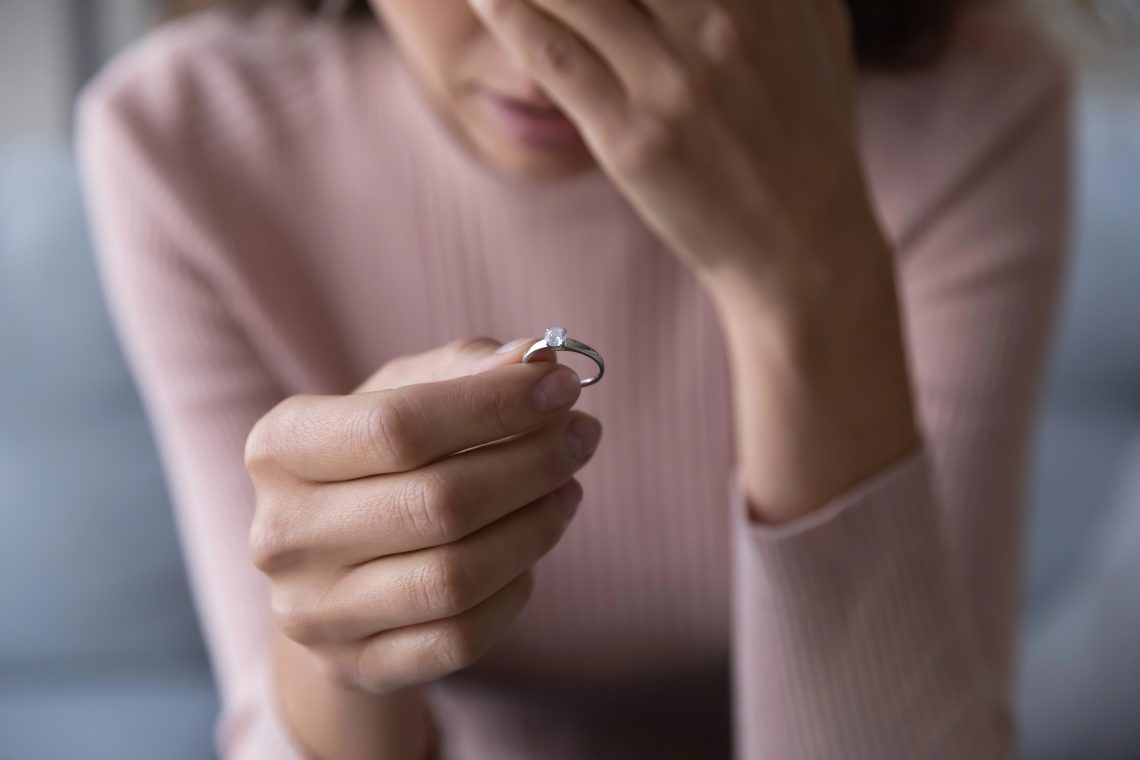
The pair had gotten engaged back in 2021, after five years of dating, exchanging rings to make it official. When the relationship ran its course two years later, both held onto their jewelry — including Pimentel’s 1-carat diamond solitaire, which had originally set someone back around US$6,500.
For a while, the ring just sat there — a shiny reminder of a chapter she was eager to leave behind.
Eventually, the Sydney-based teacher decided it was time to let it go, fully expecting to walk away with a reasonable amount of cash. That expectation evaporated quickly.
“But when he told me how little I’d get for it, my jaw hit the floor,” Pimentel shared with Yahoo Lifestyle in a candid recent interview.
The number? A mere $350 — leaving her out roughly $6,150 from what the ring once cost.
So where did all that value disappear to?
Sydney master jeweler Ernesto Buono says this kind of loss is far more common than most people realize. “Jewelers often take the ring apart, remake it into something new, and then factor in their own margin on top. There’s a lot of skilled labor involved — and that’s essentially what buyers are paying for,” he explained.
Put simply, a ring’s original price reflects far more than just the stone — it bundles in artistry, craftsmanship, and retail markup, none of which follow the piece into the secondhand market.
Pimentel’s ring faced another disadvantage on top of that: the diamond was lab-grown.
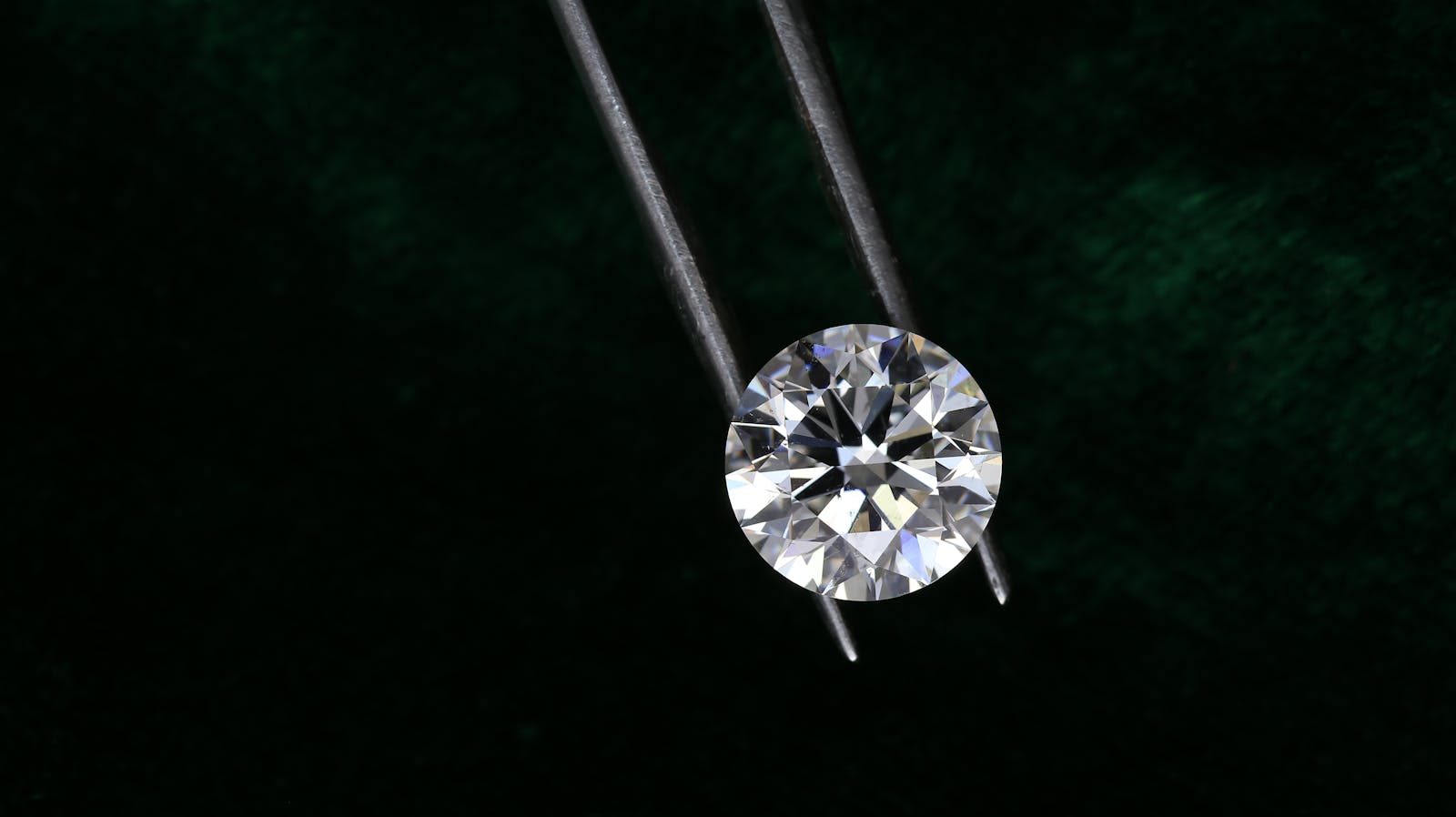
Buono points out that rapid advances in lab-grown diamond technology have made production far more affordable in recent years, pulling resale prices down with them. “What once cost $2,000 per carat might now go for around $500,” he noted. “That brings the overall diamond value down considerably — it simply doesn’t hold its worth the way a natural stone does.”
That lines up with what industry insiders have been saying for a while now. Mara Opperman, co-founder of Louped, has noted that lab-grown diamonds “don’t hold resale value the way natural stones do” — a tradeoff couples often accept willingly in exchange for a larger stone, a lower price point, or cleaner ethics.
Opperman has also observed a growing shift among buyers toward pre-owned natural diamonds, drawn by their durability in value and lighter environmental impact. She’s partial to them herself, noting they “come with a past, they’ve stood the test of time, and still hold up their value — both emotionally and financially.” And unlike freshly mined stones, she adds, they don’t demand new extraction or an expanded environmental footprint.
Rachelle Bergstein, author of Brilliance and Fire: A Biography of Diamonds, adds useful context: lab-grown diamonds began entering the market in the early 2000s but didn’t truly rival mined stones until the 2010s, when the technology matured enough to make them genuinely competitive. Since then, falling costs and rising consumer interest have helped them claim a meaningful slice of the U.S. engagement ring market — growing from a small fraction a decade ago to a far more significant share today.
Still, for anyone eyeing a future resale, the lesson seems clear: bigger, newer, or more affordable at purchase doesn’t always translate to value when it’s time to let go.