They mean well. It still drives people crazy.
American tourists are, by global reputation, enthusiastic travelers who bring significant economic benefit to the places they visit along with a set of behaviors that locals in destinations around the world find consistently challenging. This is not a criticism — it is an observation that comes with practical advice for being a better traveler and having a better trip. Here is what the locals in tourist destinations around the world wish they could tell every American visitor.
Talking About How Much Everything Costs.

The habit of constant price comparison — “this is so much cheaper than at home” or “can you believe what this costs compared to America” — is a form of commentary that reminds everyone within earshot that you are a visitor with a different economic frame of reference from the local population. It is not rude in intent. It is audible in effect.
Expecting English Everywhere.
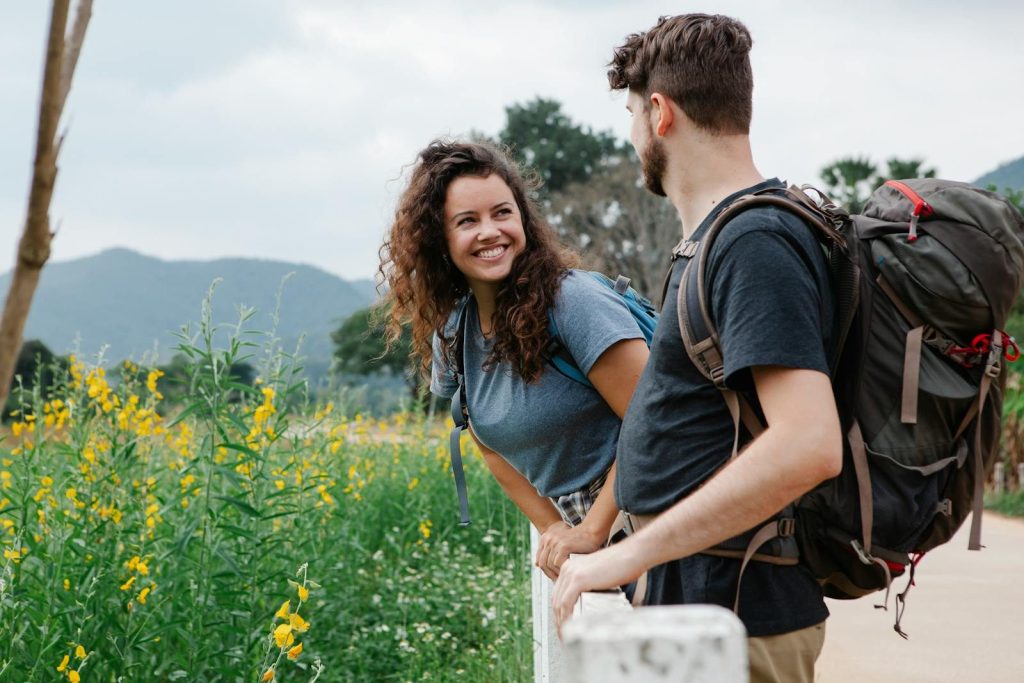
English is spoken in an enormous number of countries and tourist destinations around the world. The expectation that it will be spoken everywhere, and the frustration when it is not, is a behavior that American tourists are specifically known for internationally. Learning five words in the local language — hello, please, thank you, excuse me, where is — costs almost nothing and changes the entire dynamic of every interaction.
Photographing Everything Before Experiencing Anything.
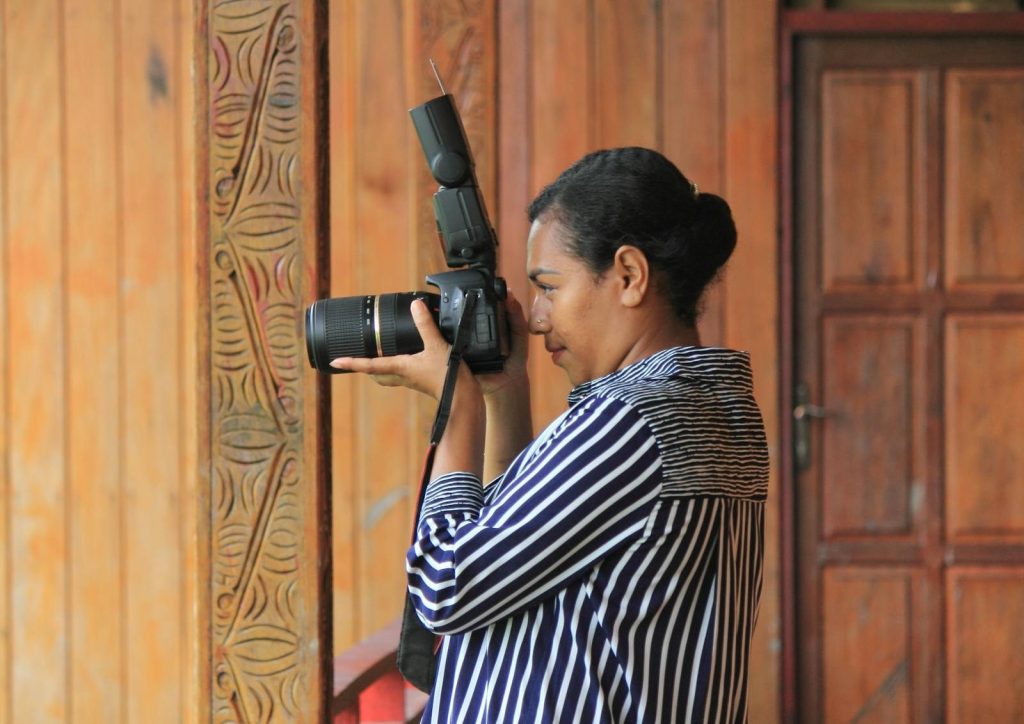
The behavior of arriving at an experience and immediately photographing it before actually having the experience is a cultural pattern that locals observe with bemused regularity. The person who spends their entire restaurant meal photographing the food rather than eating it. The tourist who photographs the performance rather than watching it. The visitor who photographs the landscape rather than standing in it for a moment. The camera will remember. Try to remember too.
Tipping in Countries Where Tipping Is Not the Custom.
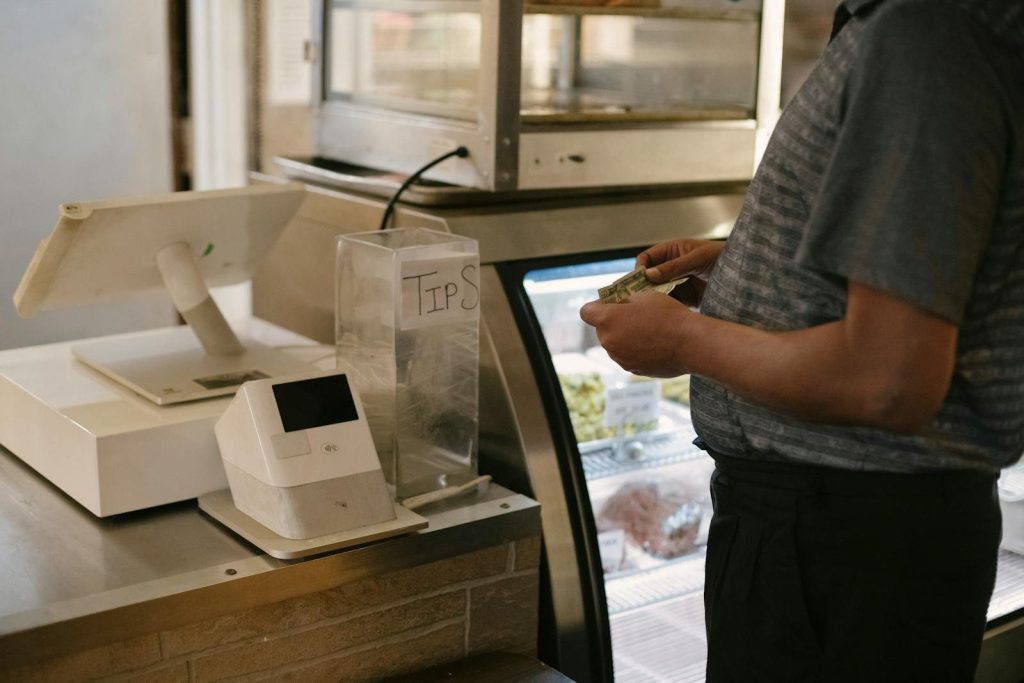
American tipping culture does not export uniformly. In Japan, tipping is considered rude and is actively refused. In many European countries, a small service charge is included in the bill and additional tipping is appreciated but not expected. In some countries, tipping reinforces a two-tiered service economy that local workers and cultural observers find objectionable. Research tipping customs before you travel.
Wearing Athletic Clothing Everywhere.

The American travel uniform of athletic shoes, athletic shorts or leggings, a performance fabric t-shirt, and a baseball cap is comfortable, practical, and immediately identifying in almost every country in the world. Europeans in particular dress differently for daily activities than Americans typically do. This is not a requirement to dress formally — just an awareness that the athletic uniform reads as specifically American in ways that some travelers prefer to avoid.
Assuming the Biggest Serving Is Available.
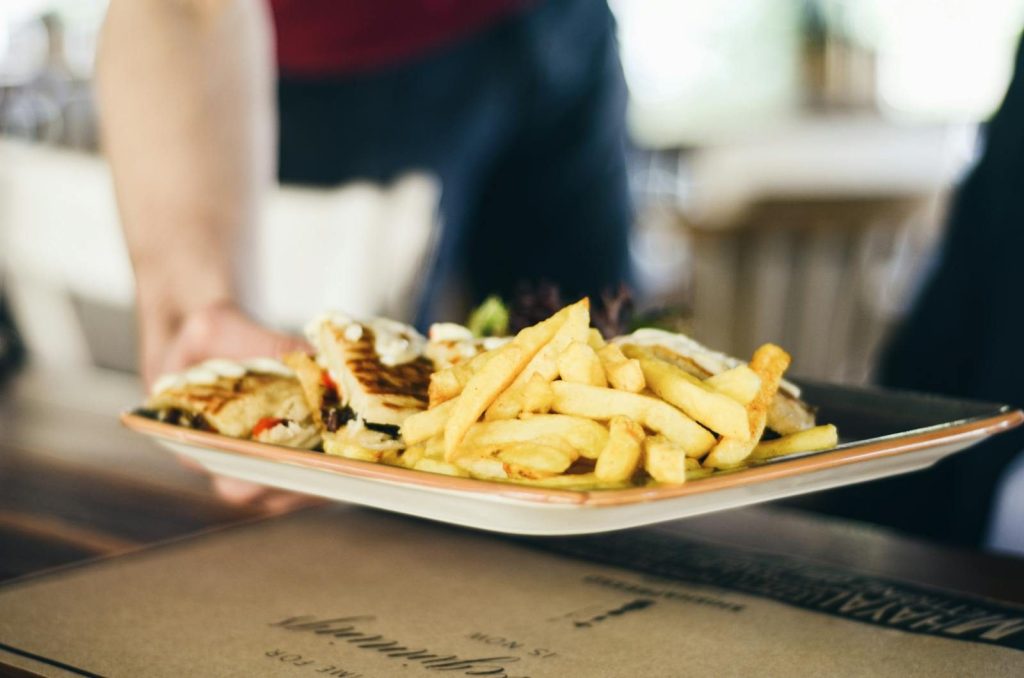
American portion sizes are genuinely different from portion sizes in most of the world. Expecting and requesting larger portions, extra sides, substitutions, and customization of dishes in contexts where this is not the custom can strain relationships with restaurant staff and signal unfamiliarity with local food culture. Try the dish as it comes before modifying it.
Being Loudly Enthusiastic in Contexts That Call for Quiet.

Americans are culturally trained toward exuberance and vocal enthusiasm in ways that transfer awkwardly to contexts — museums, historic sites, religious spaces, public transit — where the local norm is quiet and restraint. The volume of a group of American tourists in a European museum or a Japanese temple is audible and noticeable. Match the energy of the space.
Scheduling Every Minute of Every Day.

The American vacation tendency to maximize every hour with scheduled activities, planned restaurant visits, booked tours, and structured experiences is understandable given the limited vacation time most Americans have. It produces a kind of exhausted efficiency that misses the best parts of travel — the unplanned walk down an interesting street, the conversation with a stranger, the afternoon that became something unexpected.
Treating Local Food Traditions as Inferior.

The request for a well-done steak in a country where the cattle are exceptional and the chefs cook them to a temperature that reflects the quality of the meat. The complaint that the pasta is different from the version at the Italian restaurant at home. The search for familiar fast food in a city with extraordinary local cuisine. Locals notice and it stings a little every time.
Only Interacting With Other Americans.
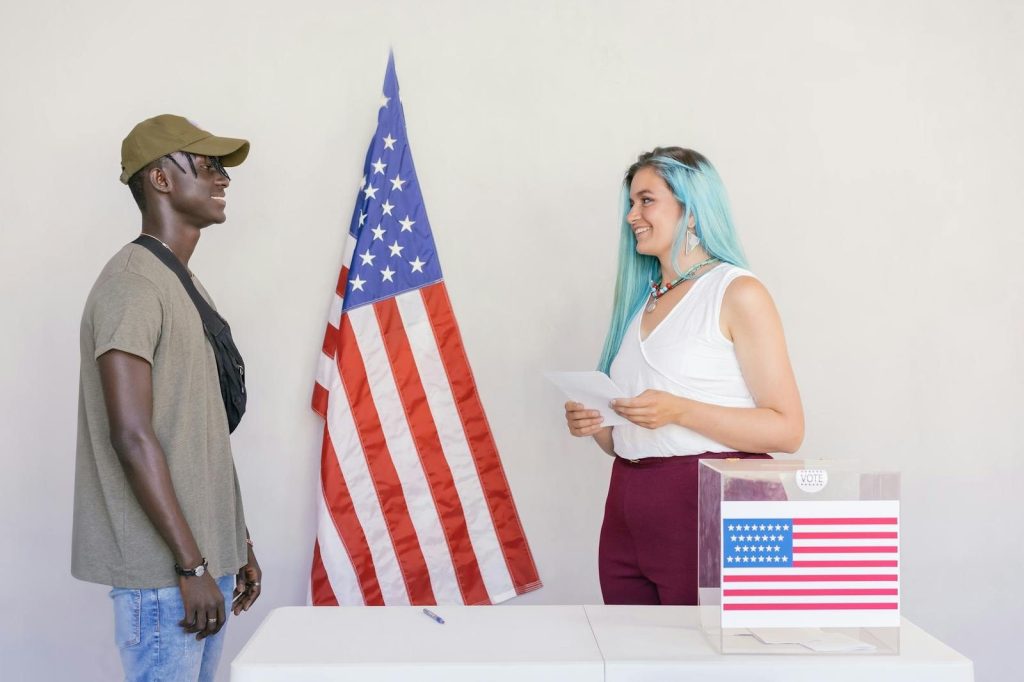
Traveling to another country and spending most of your social time with other American tourists — at the hotel bar, at the American-friendly restaurants, at the English-language tour — is an expensive way to stay in your comfort zone. The most memorable travel experiences consistently involve genuine interaction with local people. Seek it out. It requires less effort than it feels like it does.
Leaving Without Understanding Anything That Was Different.
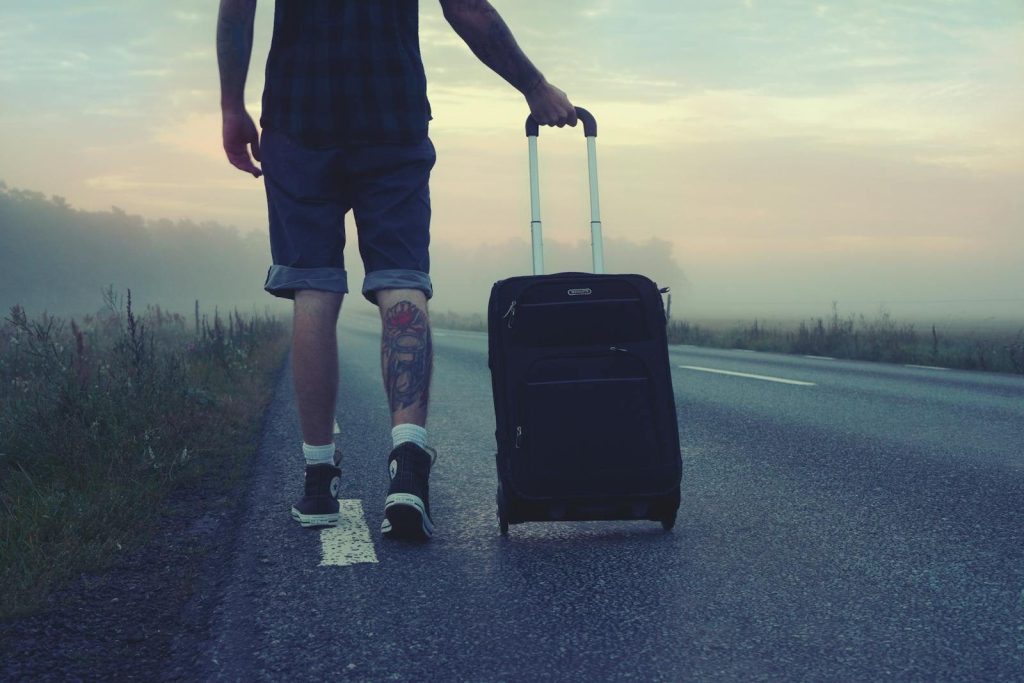
The best version of travel produces a specific kind of discomfort — the recognition that the way things are done at home is not the only way, not necessarily the best way, and not universal. The worst version of travel is a series of photographs taken in foreign locations without any genuine encounter with what made those locations different from home. Go further. Stay longer. Ask more questions.
Travel is the best education. Get your money’s worth.