
Some memories announce themselves. Others barely register at the time, then quietly become part of a life story.
Why ordinary moments outlast major milestones
People often assume they will remember the big days forever: graduations, weddings, job offers, dramatic turning points. Yet memory research keeps showing something more interesting. What stays vivid years later is often a brief exchange in a kitchen, a ride home after bad news, a joke told at exactly the right moment, or the look on someone’s face when they realized they were loved. Those scenes endure not because they were formally important, but because they fused emotion, context, and personal meaning in a way the brain could use.
Psychologists have long noted that autobiographical memory is selective rather than archival. A large body of work on emotional memory shows that feeling gives events a stronger subjective sense of vividness, even when every detail is not perfectly accurate. Research summarized by the National Institutes of Health and other academic reviews has found that emotional events are often remembered with high confidence, but confidence is not the same as flawless recall. That distinction matters, because the moments people revisit most are often not fact-checked records. They are emotionally organized scenes that help explain who we are.
That also helps explain why ordinary moments can beat ceremonial ones. A wedding may blur from overload, but the minute before it starts, when a parent straightens a collar with shaking hands, may remain crystal clear. A promotion email may be forgotten, but the memory of calling a sibling from a parking lot and hearing them scream with joy can stay intact for decades. A 2025 study in Scientific Reports found that novelty can strengthen later memory, especially when a new experience also connects to familiar mental patterns. In plain language, we remember moments that feel both fresh and instantly meaningful.
There is another twist. Studies of so-called flashbulb memories, including research indexed by PubMed and reviewed in major memory literature, show that even highly emotional public events are not remembered as accurately as people believe. In some studies, memories for shocking events were no more consistent over time than memories for ordinary personal events. That finding is surprisingly comforting. It suggests the “simple” moments people keep are not lesser memories. They are built by the same deep human machinery that stores the scenes we return to when we want to understand our own lives.
The hidden ingredients that make a moment unforgettable

If you look closely, remembered moments tend to share a few ingredients. The first is emotional contrast. A tiny act becomes memorable when it interrupts fear, loneliness, embarrassment, or uncertainty. Someone handing you a coat when you are cold is nice. Someone handing you a coat after a humiliating day can become unforgettable. The emotional shift is what gives the brain a before-and-after structure, and those structures are easier to retrieve later.
The second ingredient is attention. Many lasting memories are anchored in sensory detail because, for a brief instant, we were fully present. You remember the steam coming off soup after a funeral, the song on the car radio when your child fell asleep on your shoulder, the chipped paint on a porch where a hard conversation turned hopeful. Neuroscience research has consistently linked memory strength to attention and salience, and recent work in Nature Communications on novelty points in the same direction: when something stands out against the expected pattern of a day, the brain marks it as worth keeping.
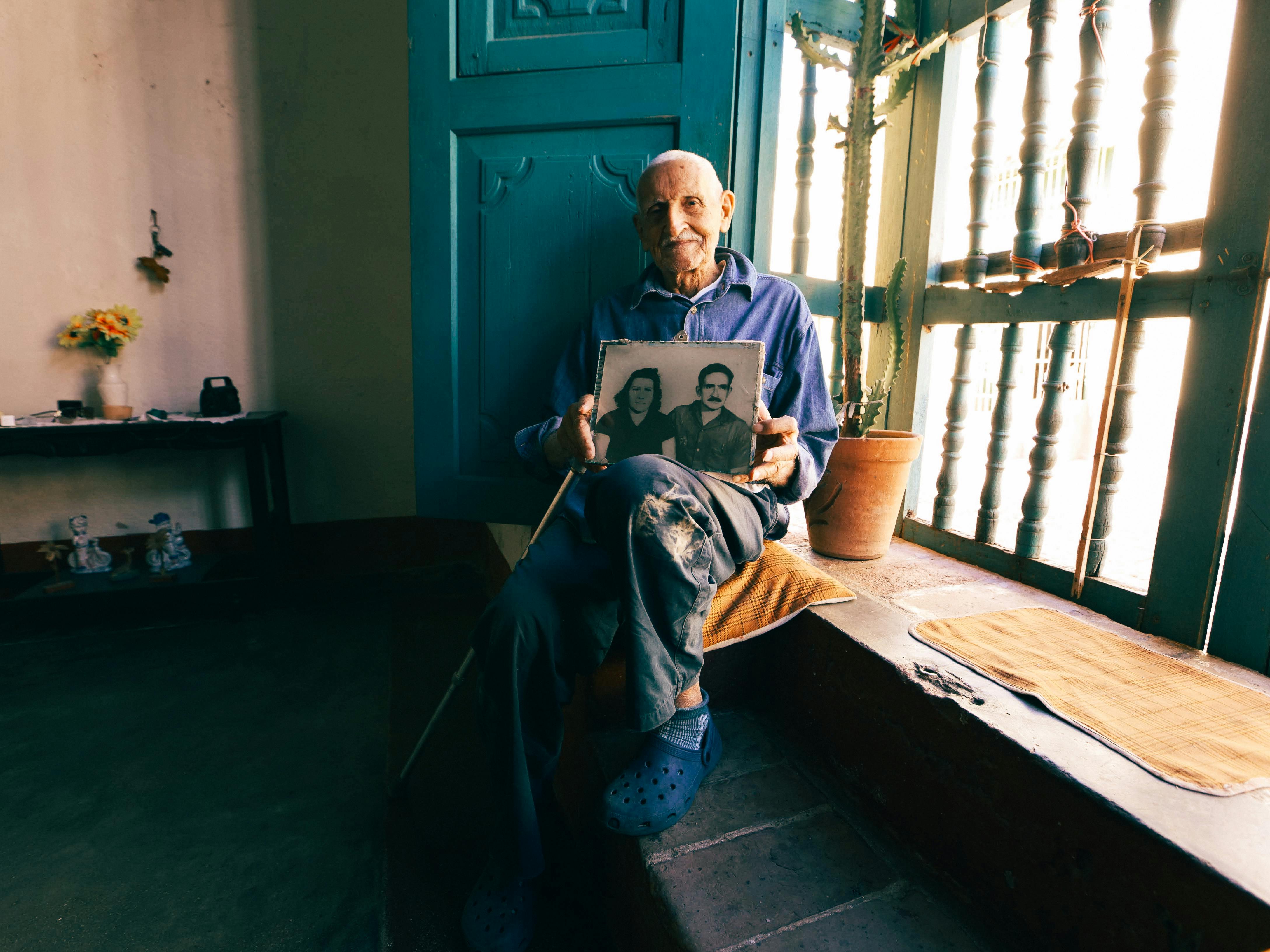
A third ingredient is relational meaning. People remember moments when they felt recognized, protected, chosen, or forgiven. In everyday life, those are often very small. A teacher pausing after class to say, “You’re better at this than you think.” A partner bringing home your favorite snack without being asked. A grandfather repeating a story he has told many times, and realizing halfway through that you are still listening as if it matters. These moments confirm identity. They tell us something about our place in other people’s minds, and that gives them staying power.
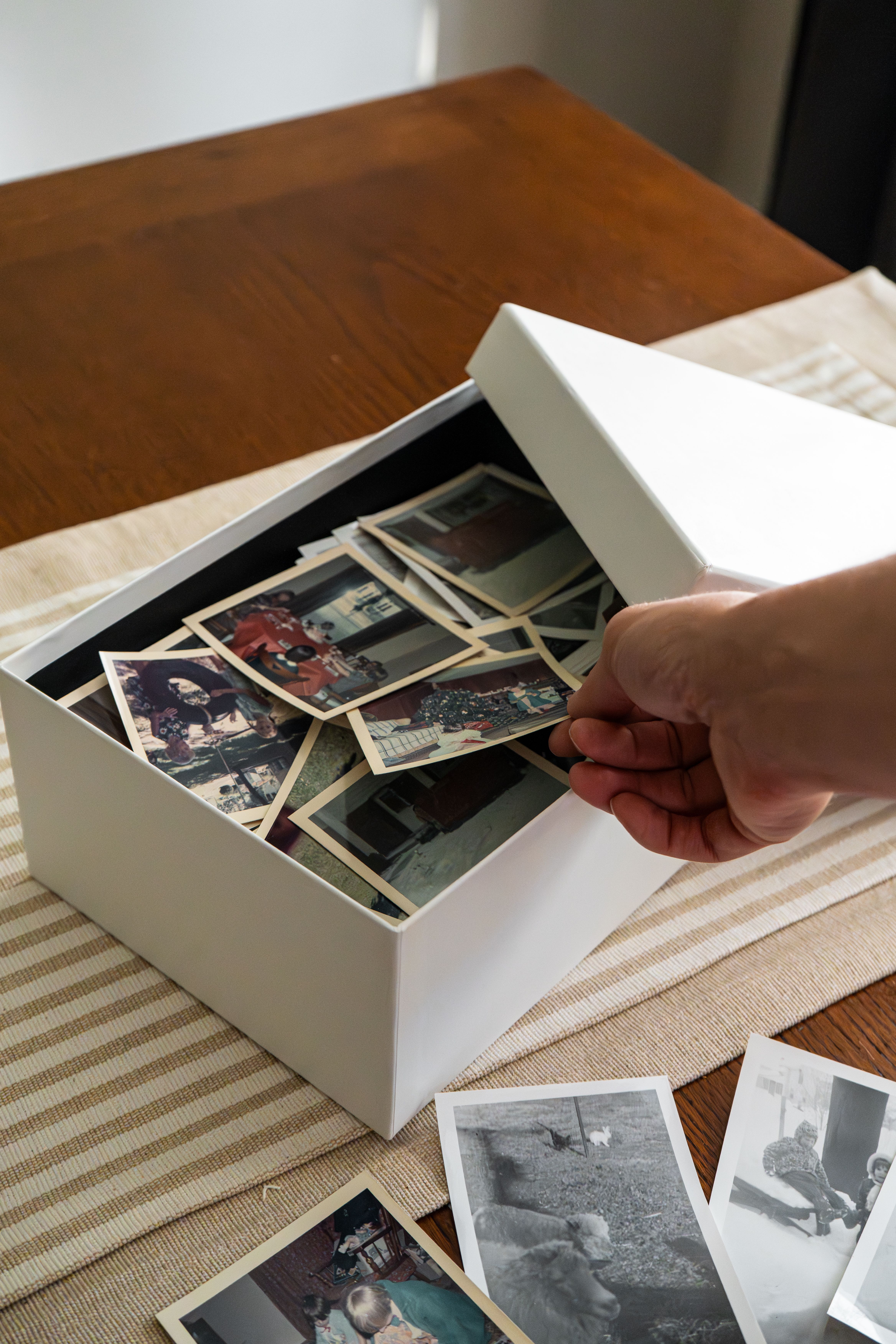
Repetition also plays a role, but not in the way people think. We do not just remember singular events; we remember what gets revisited in conversation, photographs, rituals, and family storytelling. A routine Saturday pancake breakfast may become iconic because it was repeated, described, and emotionally reinforced over years. Memory researchers have shown that autobiographical recall is reconstructive, meaning each retelling can stabilize certain elements while letting others fade. That is why a five-minute exchange can grow in importance over time. The moment did happen, but its significance deepened each time life proved it meant more than it first seemed.
The kinds of small moments people tend to carry for decades
One category is care during vulnerability. People remember who showed up when they were sick, ashamed, scared, or overwhelmed. Not always the grand rescuer, either. Often it is the friend who sat on the floor while they cried, the neighbor who drove them to an appointment without making conversation, or the coworker who covered a shift and never asked for recognition. These moments feel large in retrospect because they arrived when the self was most fragile. The memory becomes a marker: this is what kindness looked like when I needed proof it existed.
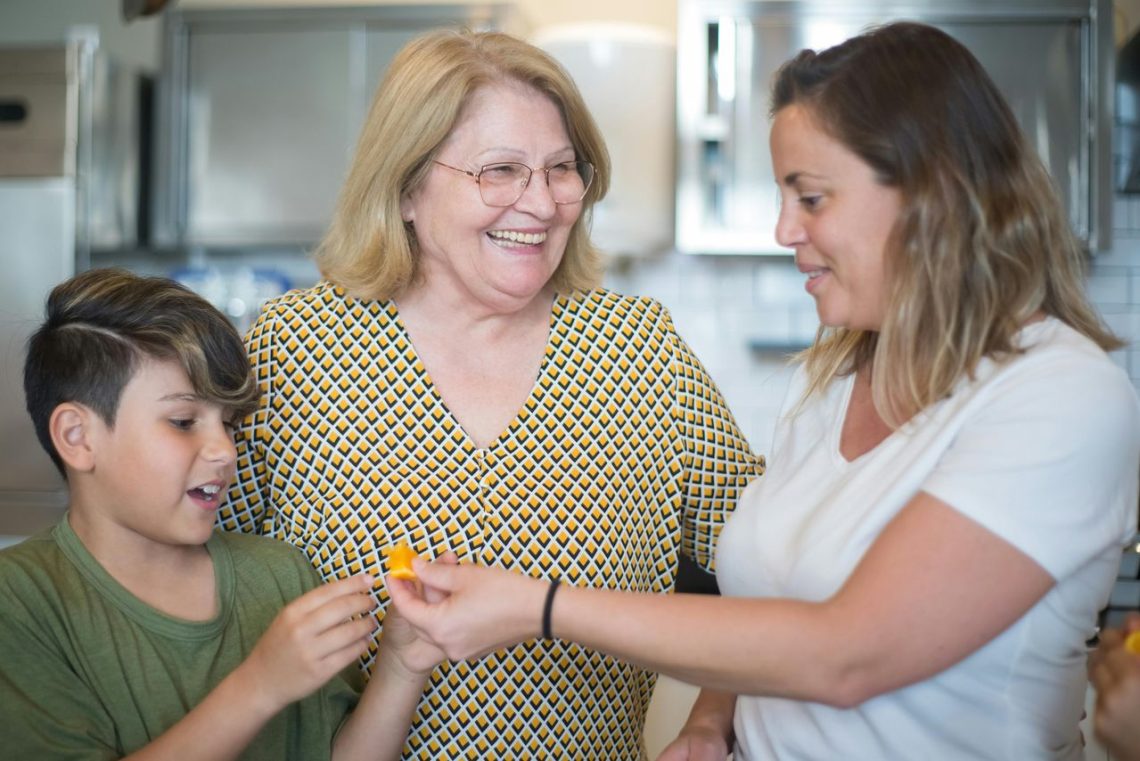
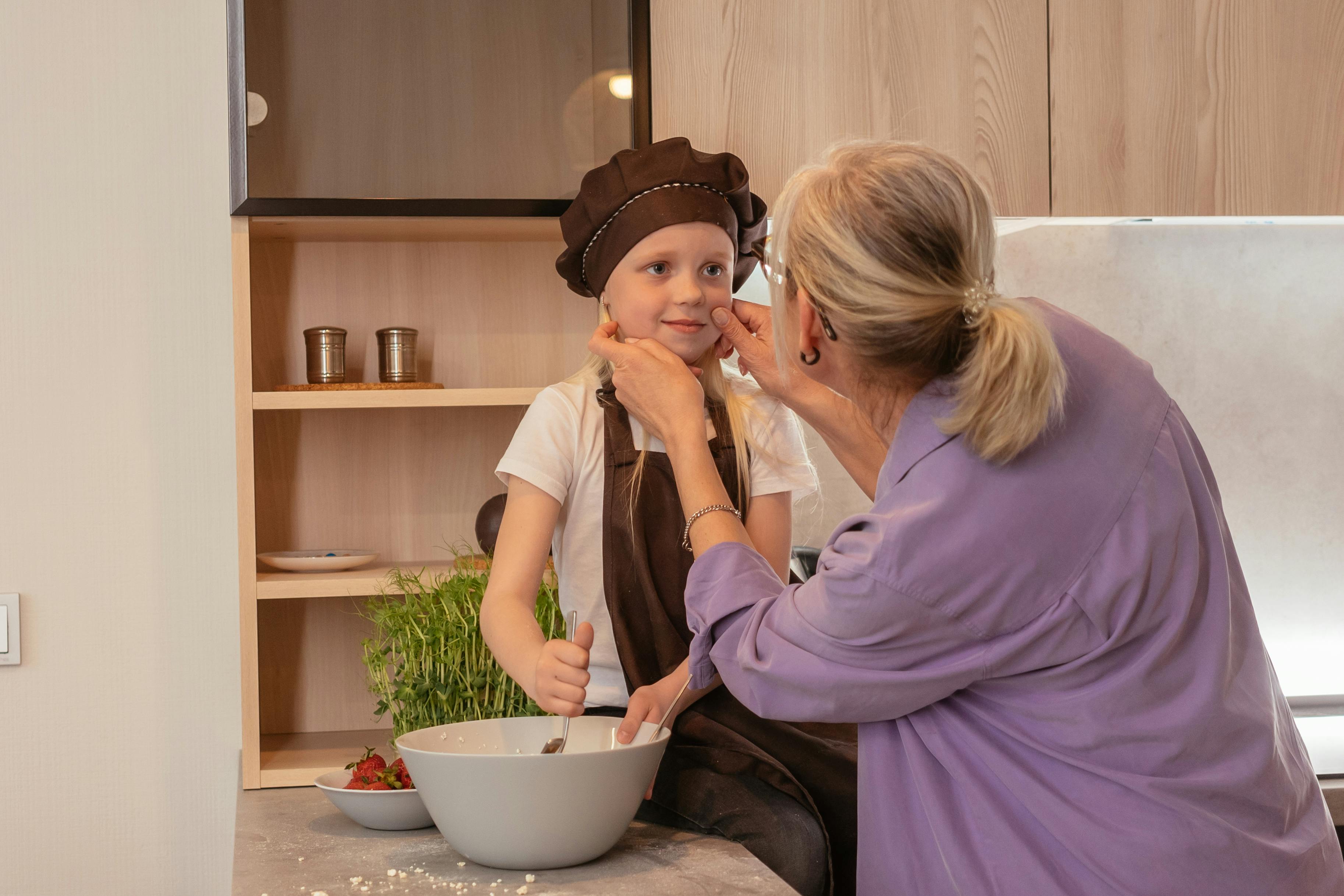
Another category is everyday family texture. Ask adults what they miss after years have passed, and they often do not start with holidays or expensive trips. They mention the sound of one parent washing dishes while the other hummed in the next room. They remember cut fruit on the counter after school, the smell of a jacket borrowed from a sibling, the way a grandmother folded napkins, or the exact sentence said before lights-out every night. These memories are ordinary on paper, but they form the emotional architecture of belonging. They are often what grief and nostalgia reach for first.
There are also threshold moments, the tiny scenes that quietly divide a before from an after. A doctor knocking gently before entering. A child letting go of your hand on the first day of school. A text message that simply says, “Call me when you can.” The event attached to that threshold may be huge, but what people remember is usually the small sensory frame around it. According to established autobiographical memory research, people often retain contextual fragments such as place, sound, and timing because those details help organize emotional experience into narrative form.
Finally, people carry moments of unexpected joy. A stranger making everyone laugh in a checkout line. Rain starting at the end of a heat wave. Seeing a parent dance when they thought nobody was watching. A quiet breakfast on vacation before the rest of the house wakes up. These are not life-changing in the dramatic sense, but they become evidence that life was not made only of tasks and stress. They are remembered because they interrupted routine with delight. Years later, they function almost like emotional shorthand, proof that a whole season of life was real, textured, and worth having lived.
Why these memories grow more meaningful as time passes
A simple moment rarely arrives labeled as permanent. Its meaning expands later, when experience gives it context. The joke your brother made on a random Tuesday may become precious after he moves away. The walk you took with your father after dinner may seem ordinary until there are no more walks. Time changes the value of memory because time reveals what was finite. What once felt casual begins to look sacred precisely because it was unannounced and unrepeatable.
This is one reason nostalgia is so powerful. It is not just longing for the past; it is a way of extracting coherence from it. Researchers studying autobiographical memory have found that people use remembered scenes to support identity, emotional regulation, and social connection. In practice, that means we return to simple moments because they help us answer difficult questions: Who loved me well? When did I feel safe? What kind of home did I come from? What did happiness look like before I knew to measure it? The smaller the memory, the more honestly it often answers.
There is also a grief dimension. After loss, people often report forgetting formal speeches, timelines, and dates while vividly recalling gestures: how someone laughed before finishing a sentence, how they peeled an orange, how they always checked the locks at night. These details can feel almost trivial until they become all that remains of daily life with a person. Memory studies repeatedly show that sensory and emotionally loaded details can remain especially durable over long periods, even as other facts blur. That is why mourning is so often built from fragments.
As the years pass, these fragments also become relational assets. Families tell the same small stories because the stories do social work. They keep absent people present, explain values without lectures, and transmit atmosphere across generations. Children may never meet the relative who slipped extra candy into coat pockets or woke early to warm up the car, but they come to know that person through repeated scenes. In that sense, the simple remembered moment is not just a private keepsake. It is one of the main ways human beings preserve tenderness, identity, and continuity over time.
How to notice and keep more of the moments that matter
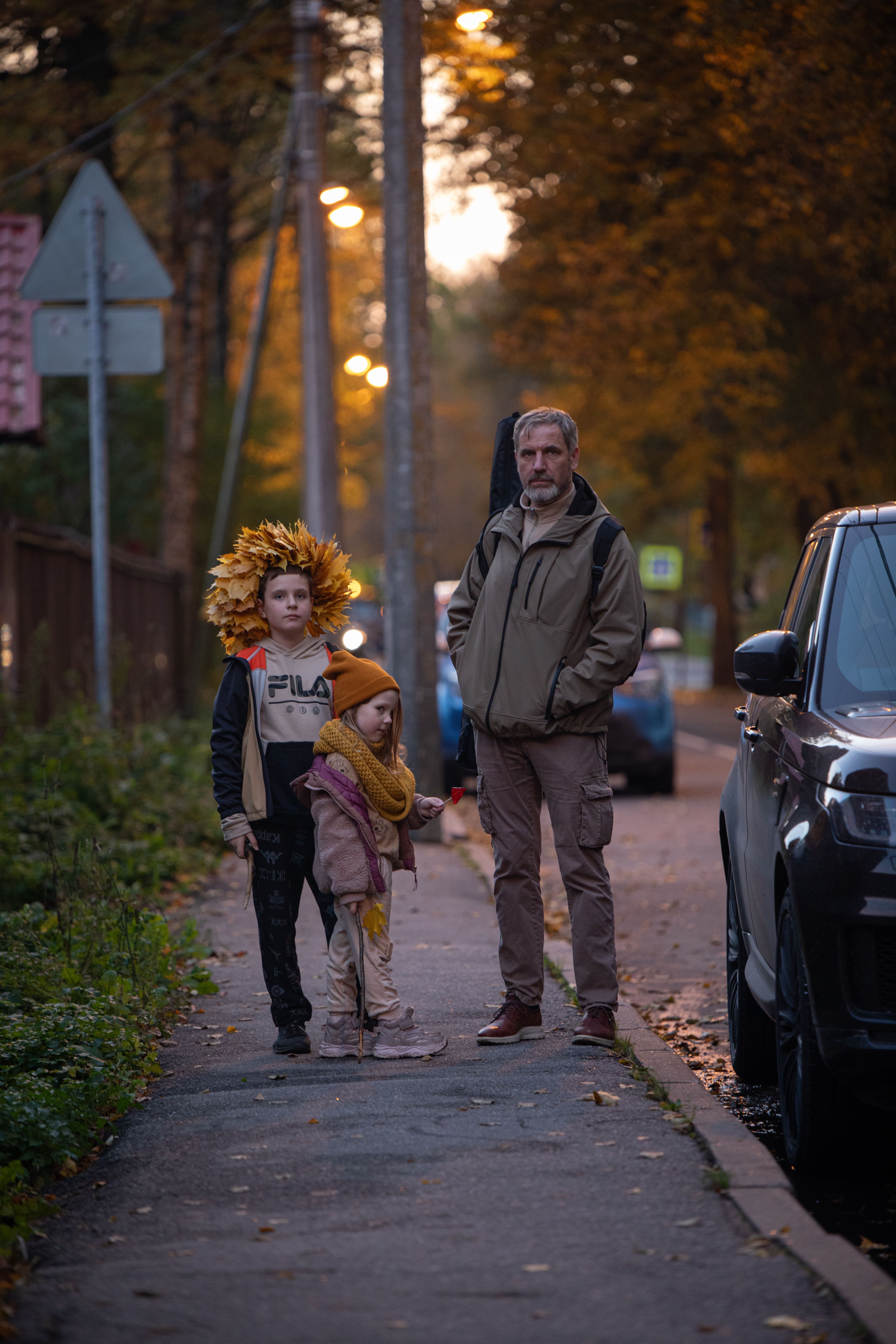
The goal is not to turn life into a constant memory-harvesting exercise. In fact, trying too hard can flatten experience. What helps more is learning to notice when a moment carries emotional weight. Usually there is a signal: a sudden hush, an absurd burst of laughter, a surprising wave of gratitude, a feeling that time slowed for a second. Those are often the moments worth staying inside a little longer. Put the phone down. Look carefully. Let the scene land before rushing to document it.
Rituals help too, because they give ordinary life shape. Shared dinners, Sunday walks, bedtime phrases, familiar songs in the car, and recurring acts of care create repeated opportunities for emotionally meaningful memory. The beauty of ritual is that it lowers the cost of significance. You do not need an extraordinary budget or a major life event to build something lasting. You need consistency, attention, and warmth. Many of the memories people treasure most were not expensive to create. They were simply repeated with love until they became part of a person’s inner landscape.
It can also help to record small details rather than big summaries. Instead of writing “great trip,” write “the café window fogged up while we laughed about getting lost.” Instead of “hard day with Mom,” write “she squeezed my hand twice before we left the hospital.” Specificity is what gives memory a doorway. A short note, a voice memo, or a photograph of an unremarkable object can later recover an entire emotional world. The point is not perfect preservation. It is giving your future self a thread to pull.
Most of all, treat small moments as real life, not filler between major events. People rarely remember years as a neat list of achievements. They remember being met, surprised, comforted, amused, and loved in the middle of ordinary days. That is the quiet truth underneath so many enduring memories: what lasts is often not the headline event, but the human feeling wrapped around it. Years later, the simplest moments remain because they revealed something essential. For one brief instant, they showed us where we belonged and what mattered.