
This as-told-to essay is based on a conversation with Kim Perell, author of “Mistakes That Made Me A Millionaire.” It has been edited for length and clarity.
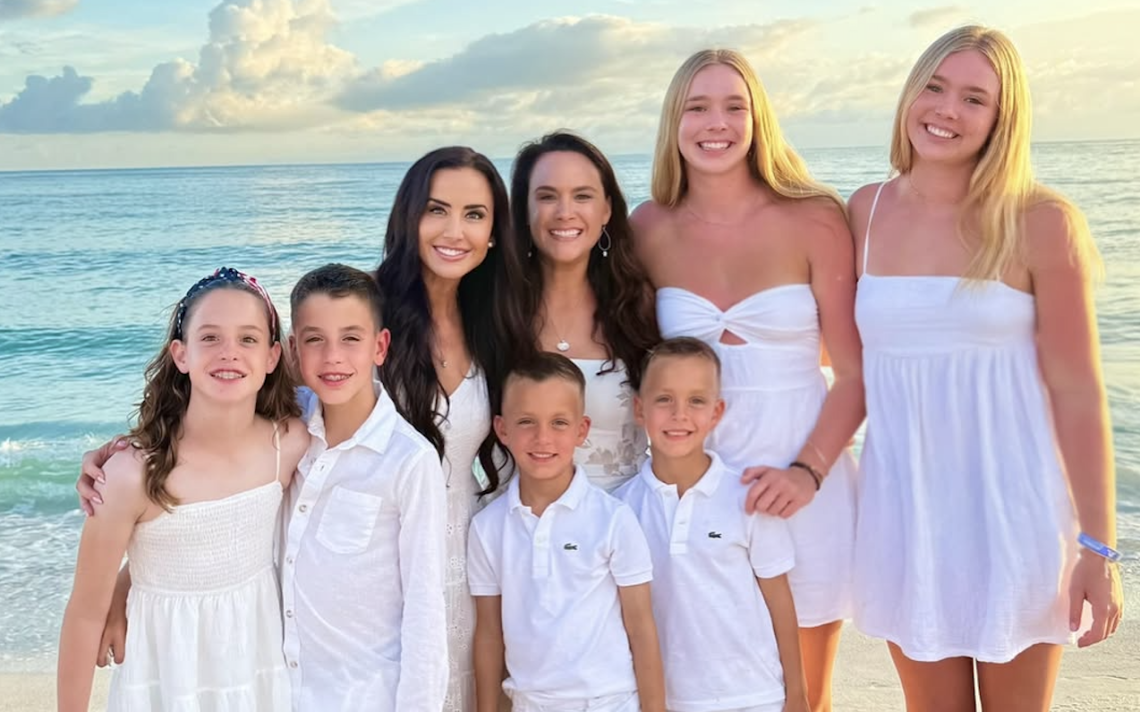
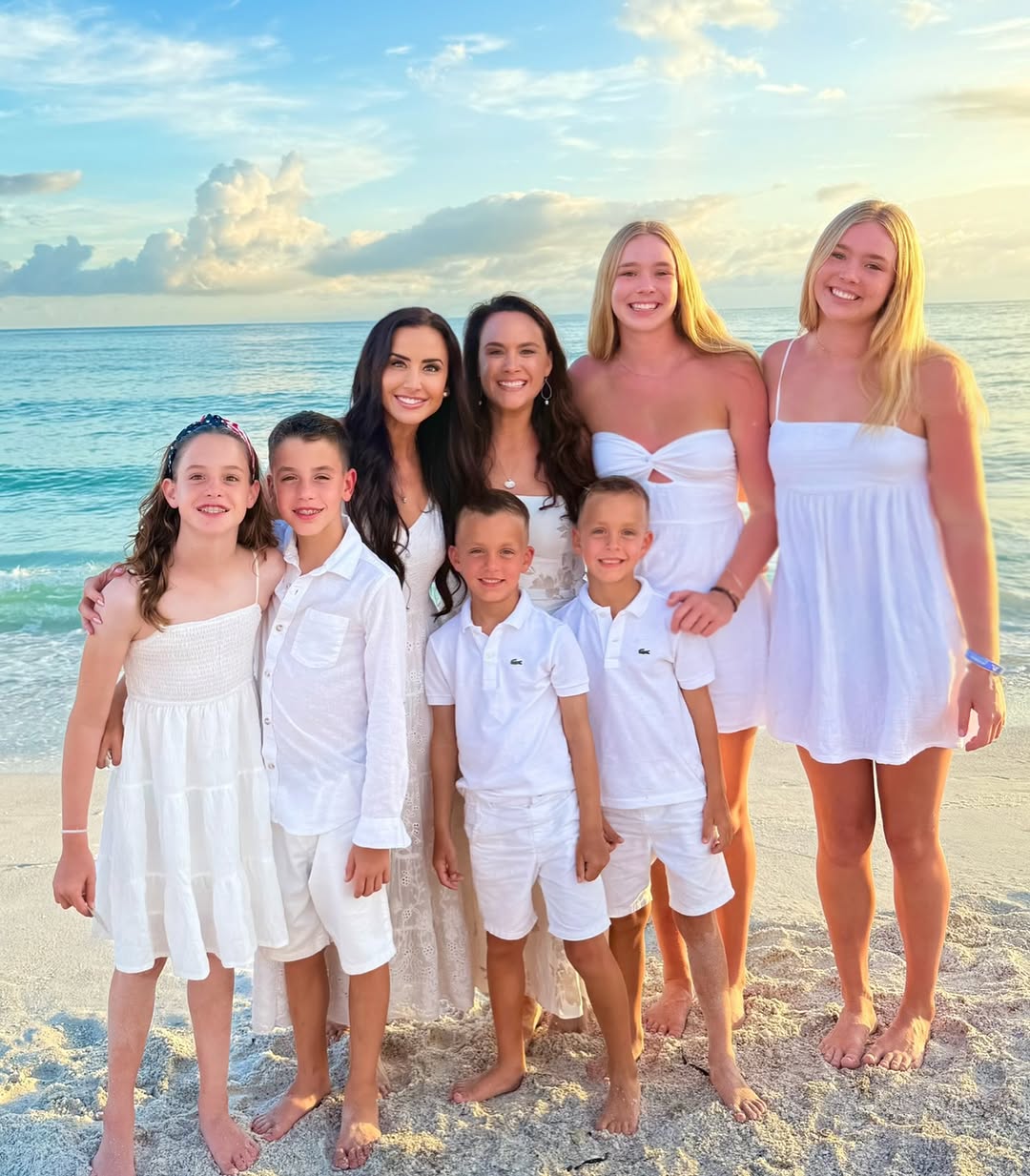
Twins run deep in my family. My twin sister and I look remarkably alike, though we aren’t identical. I’m currently raising two sets of twins myself: an 11-year-old boy-girl fraternal pair, and 6-year-old identical boys. My sister has 18-year-old identical twin girls of her own. And it doesn’t stop there — my grandfather was a twin, and my husband carries the trait in his family as well.
When we’re all in the same room, things get wonderfully loud and chaotic, but I genuinely cherish it. People frequently tell me they don’t know how I manage, but I’ve never viewed twin life as a burden. To me, it’s a gift — even if it comes with its share of challenges.
Growing up as a twin was tough
My sister always seemed to outpace me — sharper, quicker, more athletic. When you grow up alongside someone who shares almost your entire life experience and most of your DNA, comparison becomes almost unavoidable. For me, it was rarely a flattering one. She was academically gifted enough to be bused to a special program, while I stayed at our neighborhood school.
My mom had a saying she shared with me early on: “Comparison is the thief of joy.” She pushed me to discover my own strengths instead of measuring myself against my sister. I gravitated toward individual sports like tennis and swimming, while she thrived in team settings. That experience shaped how I think about identity — it showed me that being different isn’t something to overcome.
I encourage individuality in my kids
My 11-year-old son is sports-obsessed, while his twin sister gravitates toward books and the arts. I genuinely love that they’ve carved out such different paths, even if it turns our schedule into a juggling act. Four kids in four separate activities is, to put it mildly, a logistical challenge.
That said, I’m realistic — sibling competition is inevitable, especially between twins. Whether it’s grades or sports, comparisons happen. We acknowledge that openly, while also making sure there’s room for shared wins. Water sports like surfing and wakeboarding are a family favorite that everyone can enjoy and feel good at.
A schedule is critical
Our household runs with real intention behind it. Every evening, we sit down together for dinner at 6. By 7, we’re usually outside doing something as a family. And by 8, the house is quiet and every child is in bed.
That kind of structure matters just as much now as it did during the baby years. It keeps the kids grounded and gives everyone a reliable sense of what comes next.
I chose to have twins, but also got a surprise
My husband and I went through an extended IVF process. During that journey, I actually hoped for twins, so we transferred two embryos — and when the ultrasound confirmed it had worked, I was overjoyed.
The second time around, though, nobody in their right mind would plan for twins again. It took considerable convincing just to get my husband on board with another child at all. We transferred a single embryo — and somehow, it split on its own. Our double set of twins was never part of the plan.
We had a choice in how we framed that moment. Overwhelming was one option. Efficient family-building was another, and that’s the one we picked. There was no way we could manage it alone, so we leaned heavily on family, close friends, and hired support. Our after-school nanny remains essential even now that all four kids are in school.
The connection that twins share is something truly special. I’ve lived it with my sister my whole life, and watching my children and nieces experience that same bond is something I wouldn’t trade for anything.