Foods You Should Avoid When Eating Out
Going out for a meal often means trying things you wouldn’t normally make at home. But a lot of those tempting dishes and drinks aren’t quite what they appear to be. Here’s what you might want to think twice about next time you sit down at a restaurant.
Entrée Salads
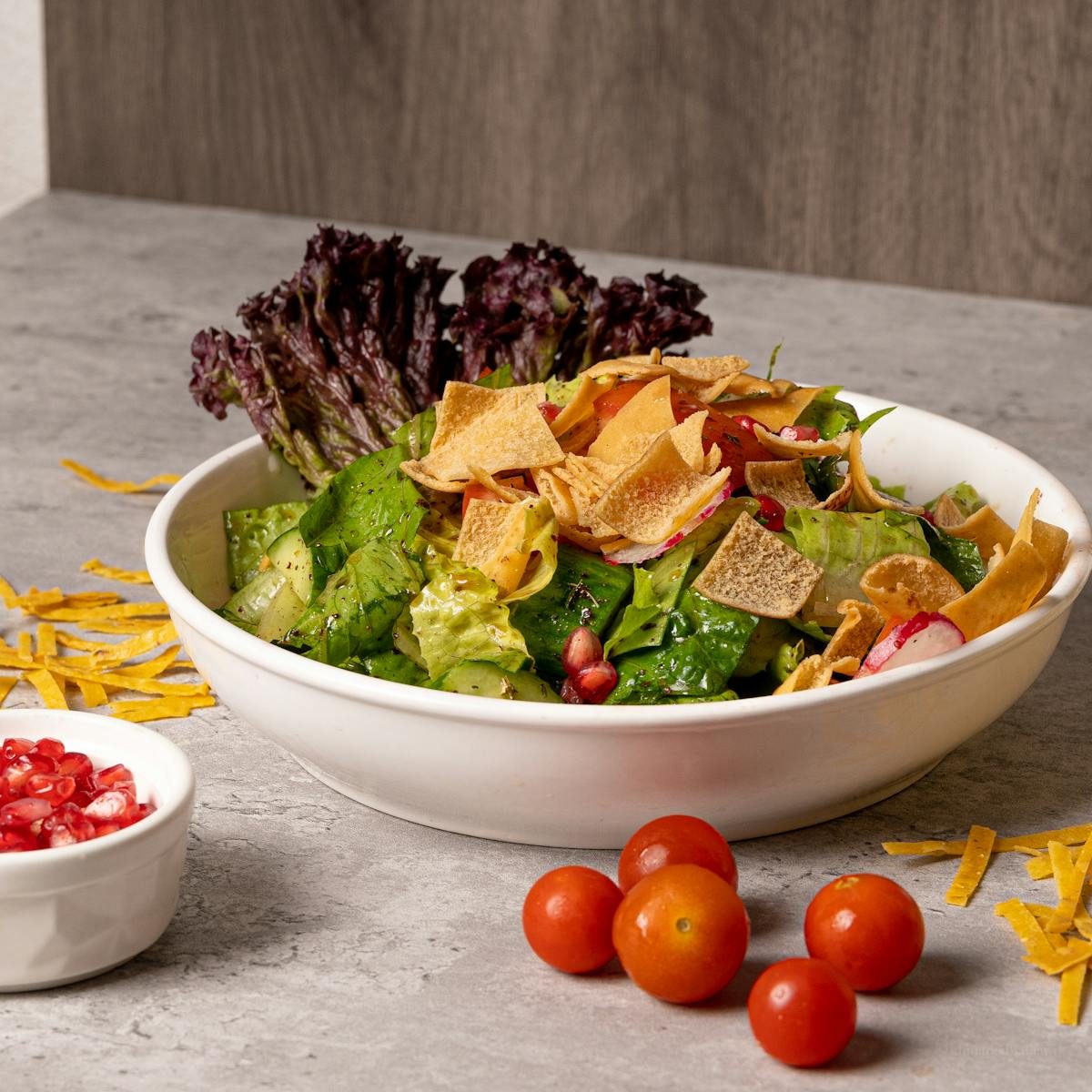
Salads sound like the smart, healthy pick — but they can be surprisingly deceptive. One widely popular American restaurant chain serves a chicken salad that packs around 1,300 calories and 84 grams of fat. So before you go for that Cobb or grilled chicken salad, it’s worth a second thought.
Frozen Yogurt

Many people reach for frozen yogurt thinking it’s a lighter swap for regular ice cream. In reality, a single serving can carry roughly 32 grams of sugar — and that’s before you pile on any toppings.
Fast Food Combos
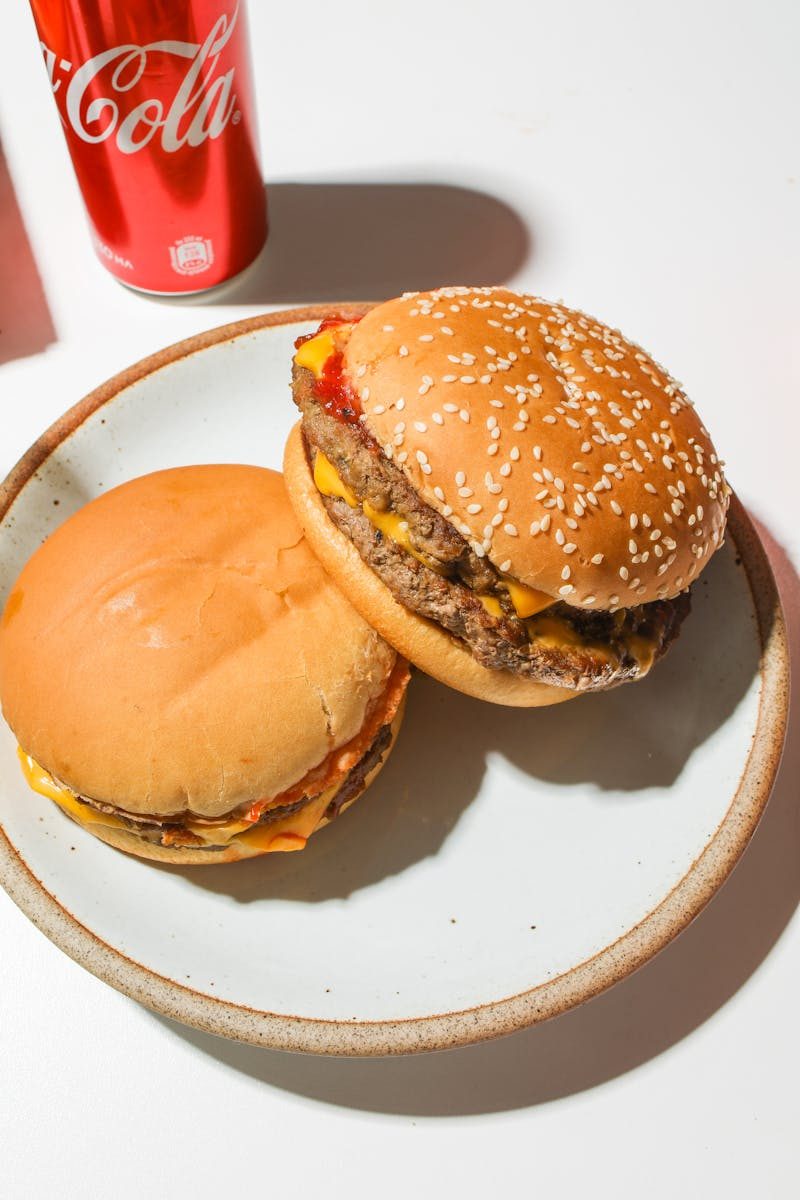
As appealing as a classic fast food meal sounds, the numbers tell a different story. A basic burger, fries, and soda combo can easily add up to around 1,100 calories and close to 50 grams of fat in one sitting.
The Breakfast Special
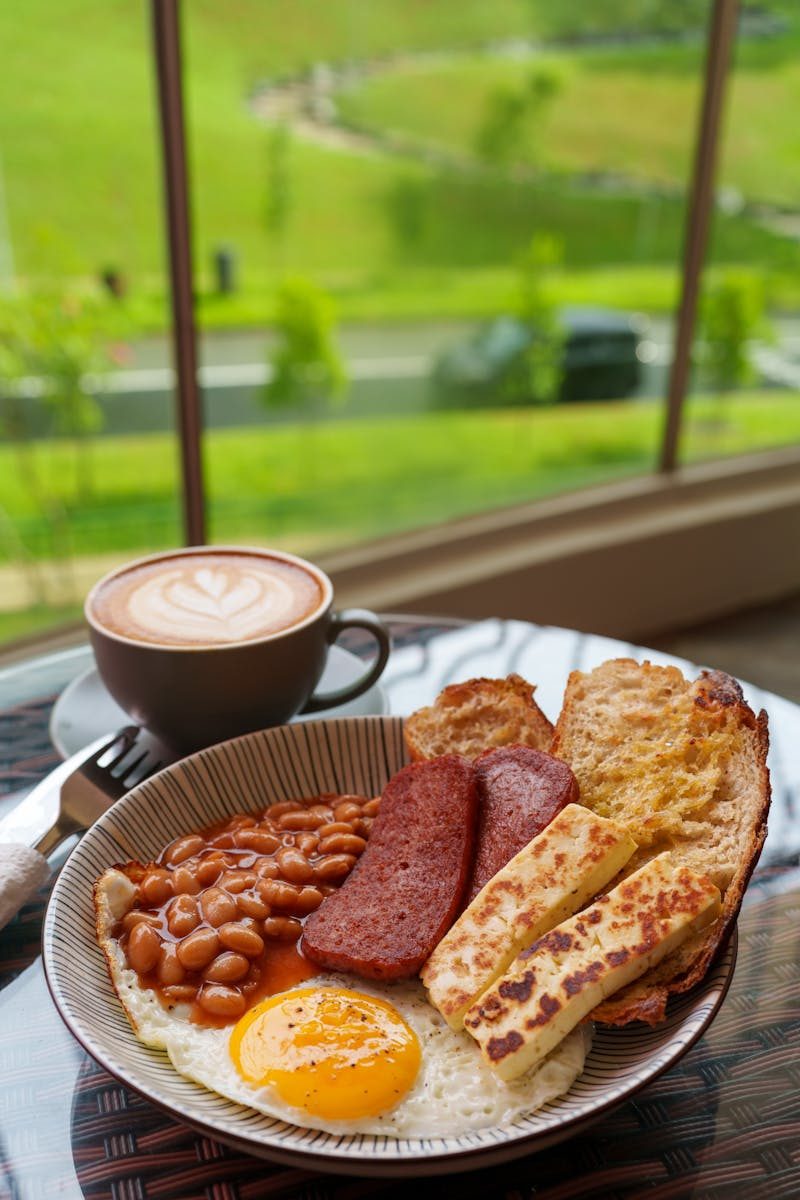
A big breakfast loaded with bacon, eggs, sausages, and pancakes is a weekend favorite for many. If you do go for it, try to balance things out with some fruit or vegetables on the side.
Large Popcorn Tub
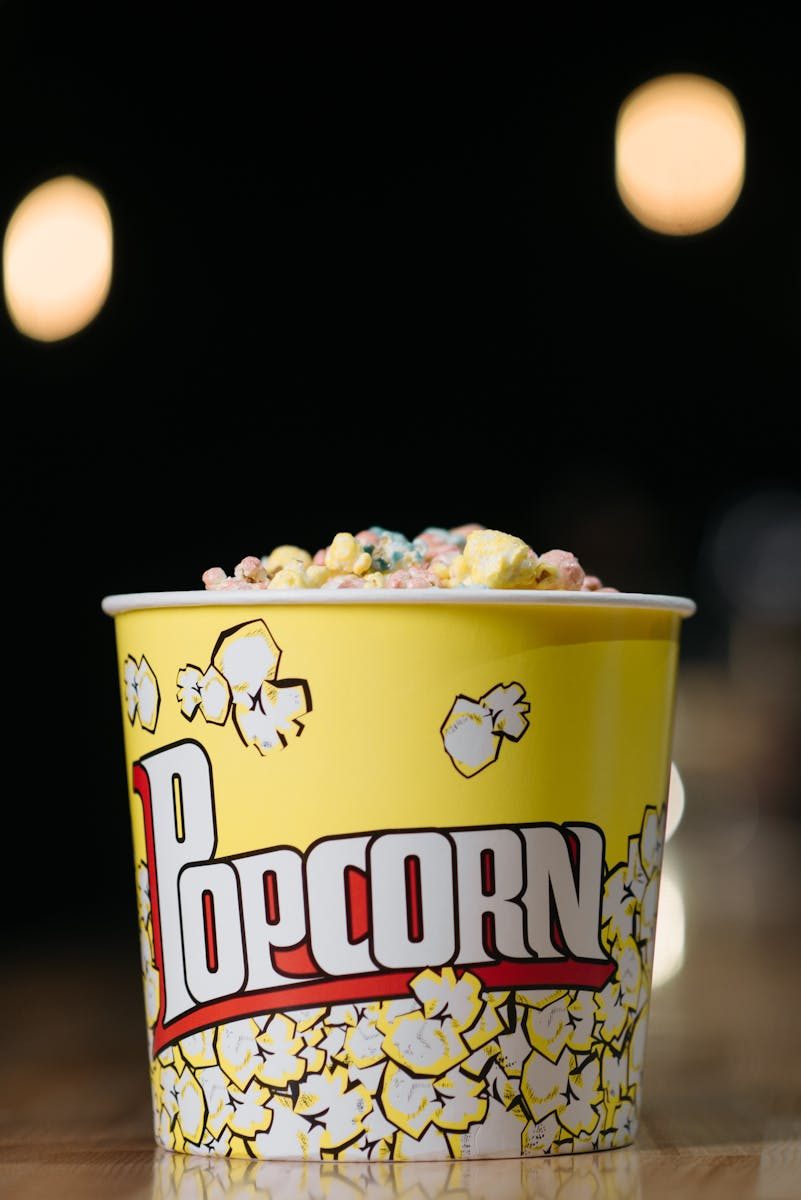
The jumbo tub at the movies always feels like the better deal — but it can quietly deliver up to 1,200 calories along with a hefty dose of saturated fat. A smaller size you share with someone is a much smarter move.
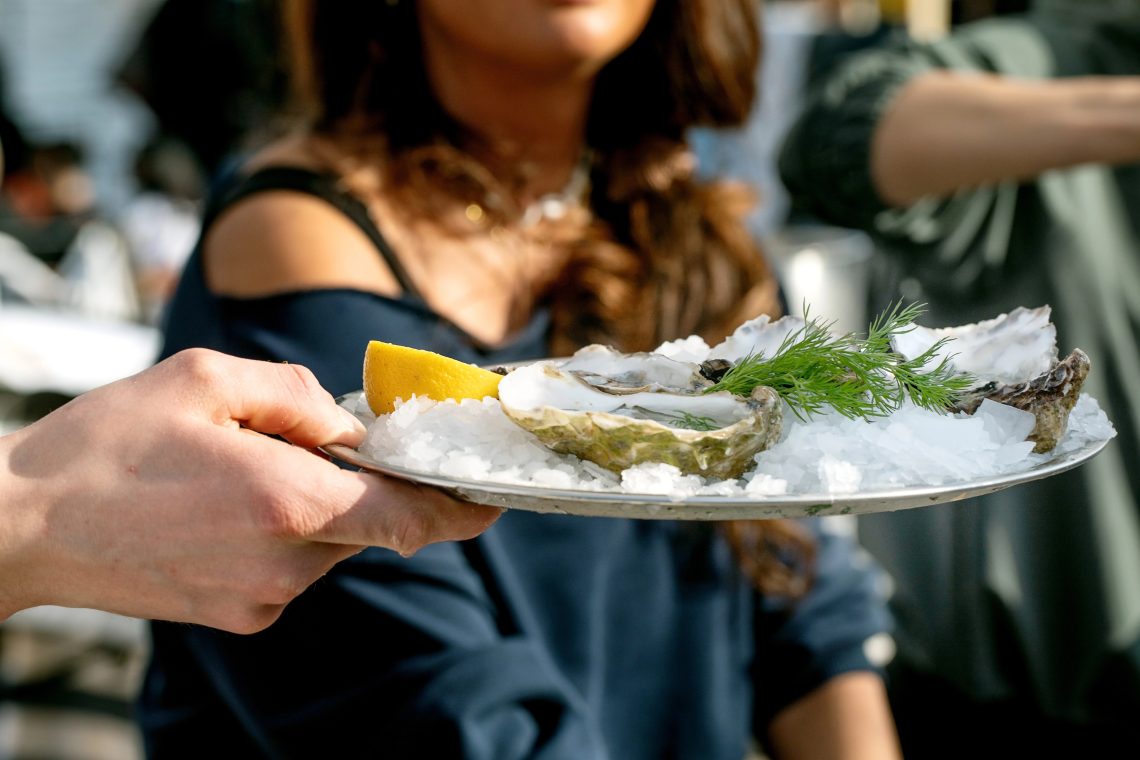
Raw Oysters
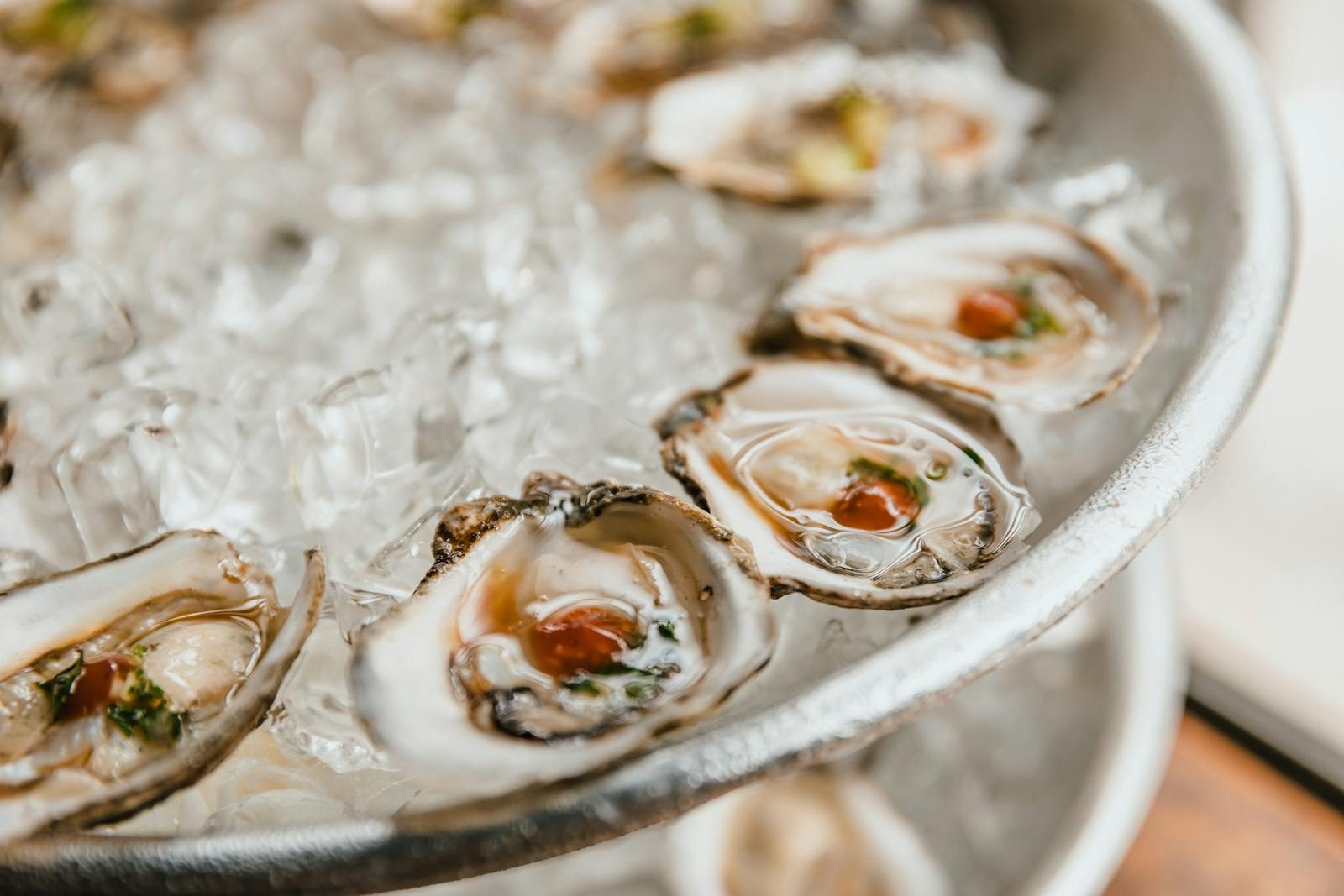
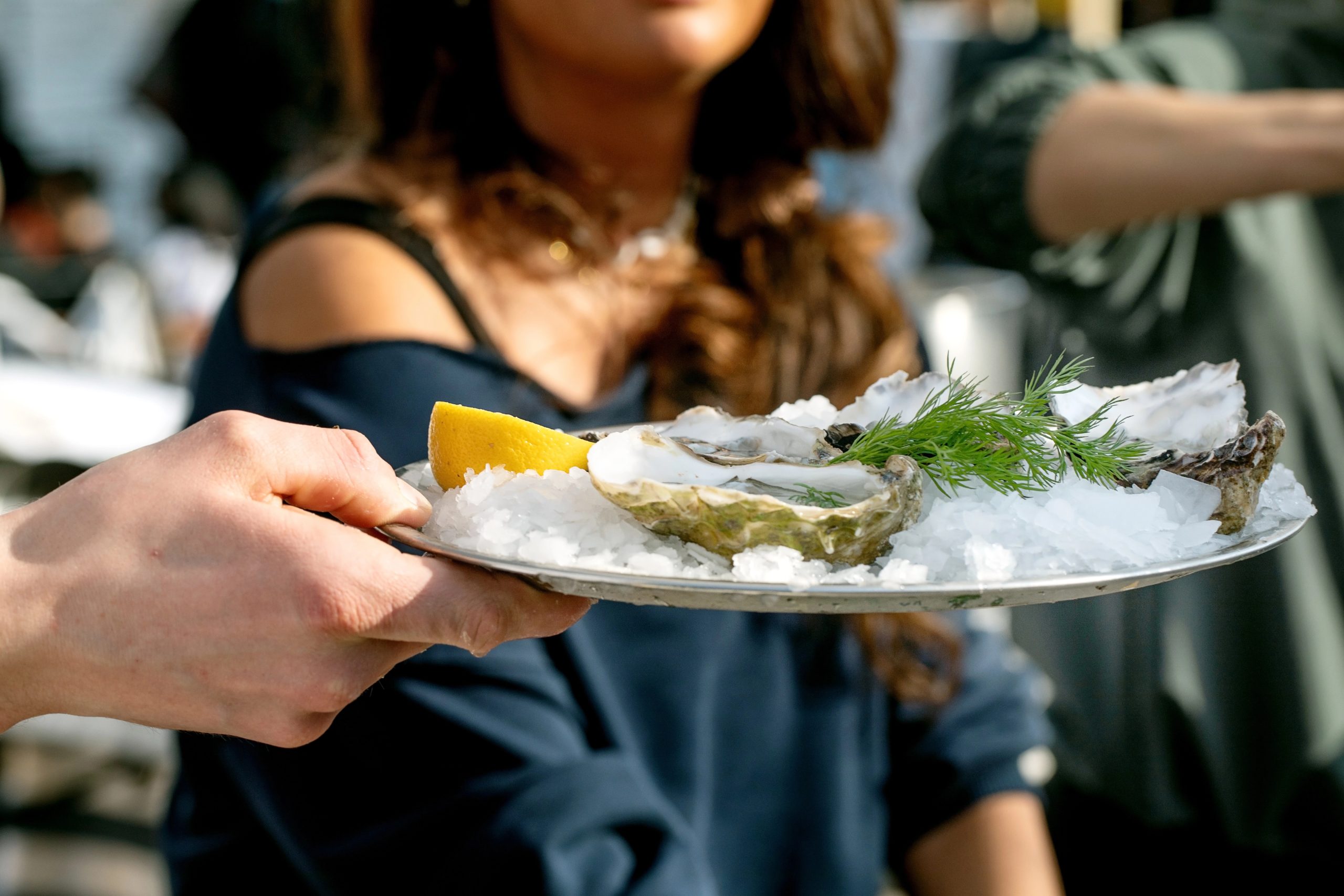
This popular delicacy carries a genuine health risk. Raw oysters can harbor Hepatitis A and a bacterium known as Vibrio vulnificus, both of which can trigger vomiting and diarrhea. It’s best to skip them altogether.
Shark
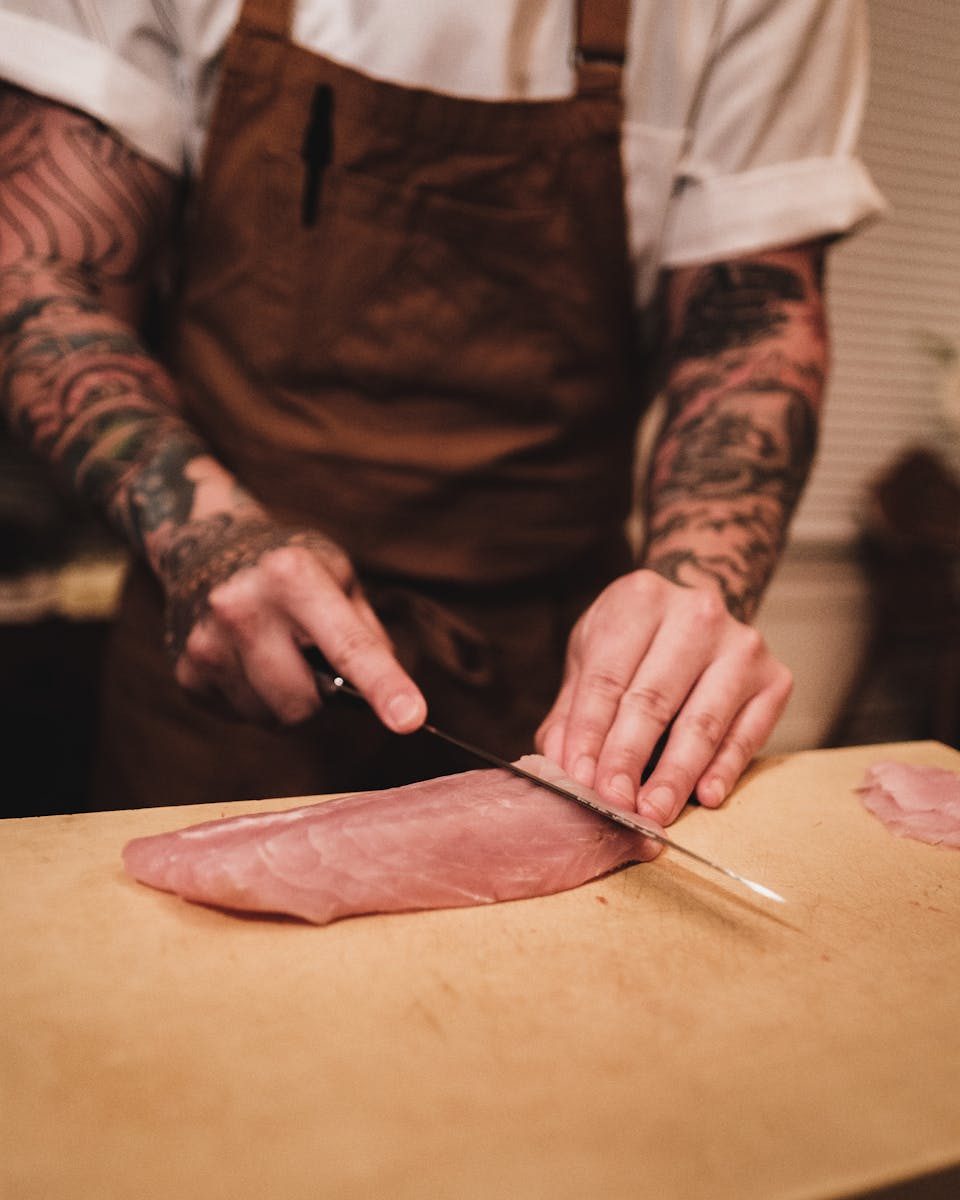
Not every restaurant serves it, but those that do are offering something worth avoiding. Shark meat holds high concentrations of mercury — a particularly serious concern for pregnant women.
Starters Exceeding 700 Calories
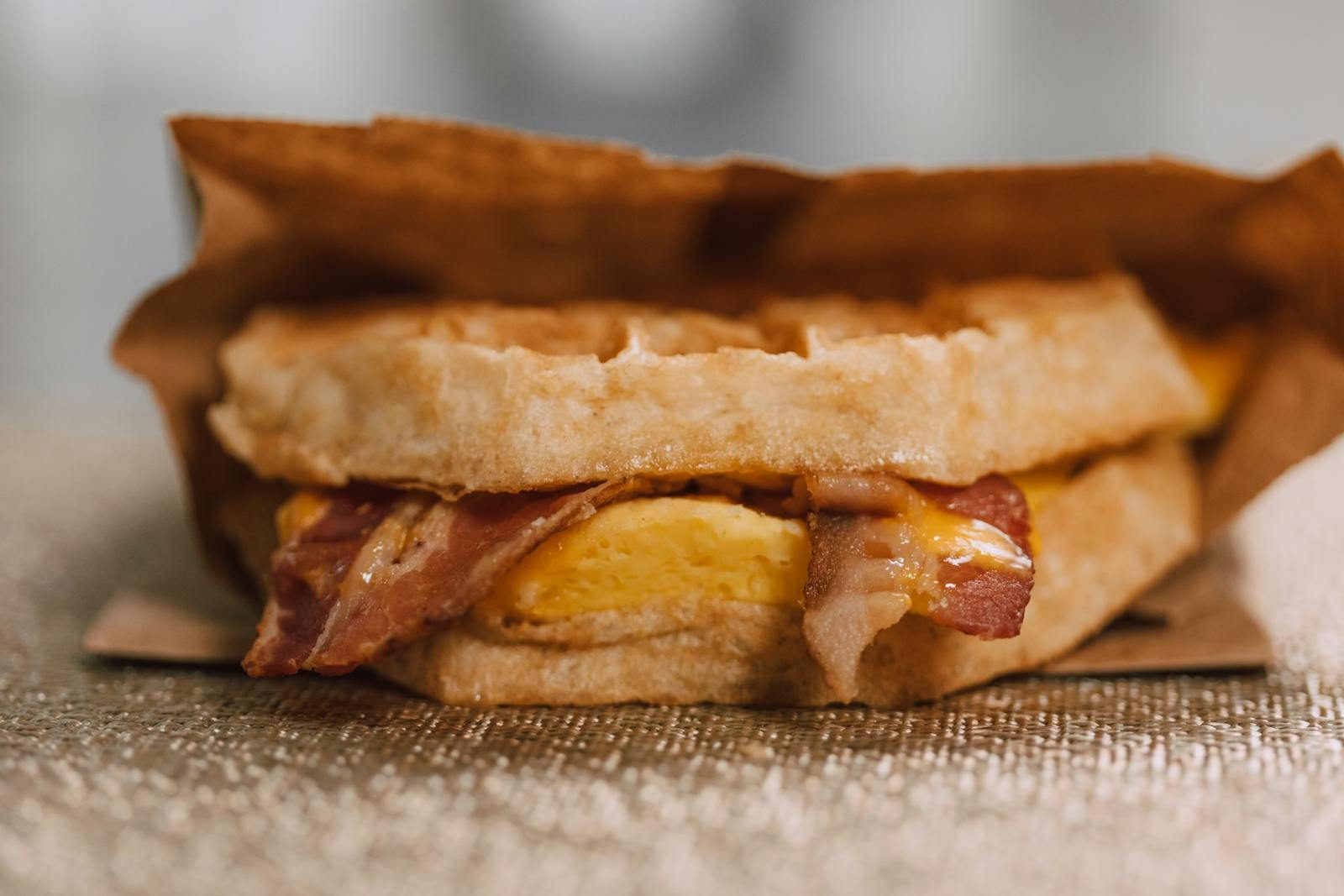
The general guideline is to keep a single meal under 700 calories. Eating out makes that easy to blow past — an omelette alone, for instance, can clock in at 1,300 calories.
Cheese Fries with Ranch Dressing
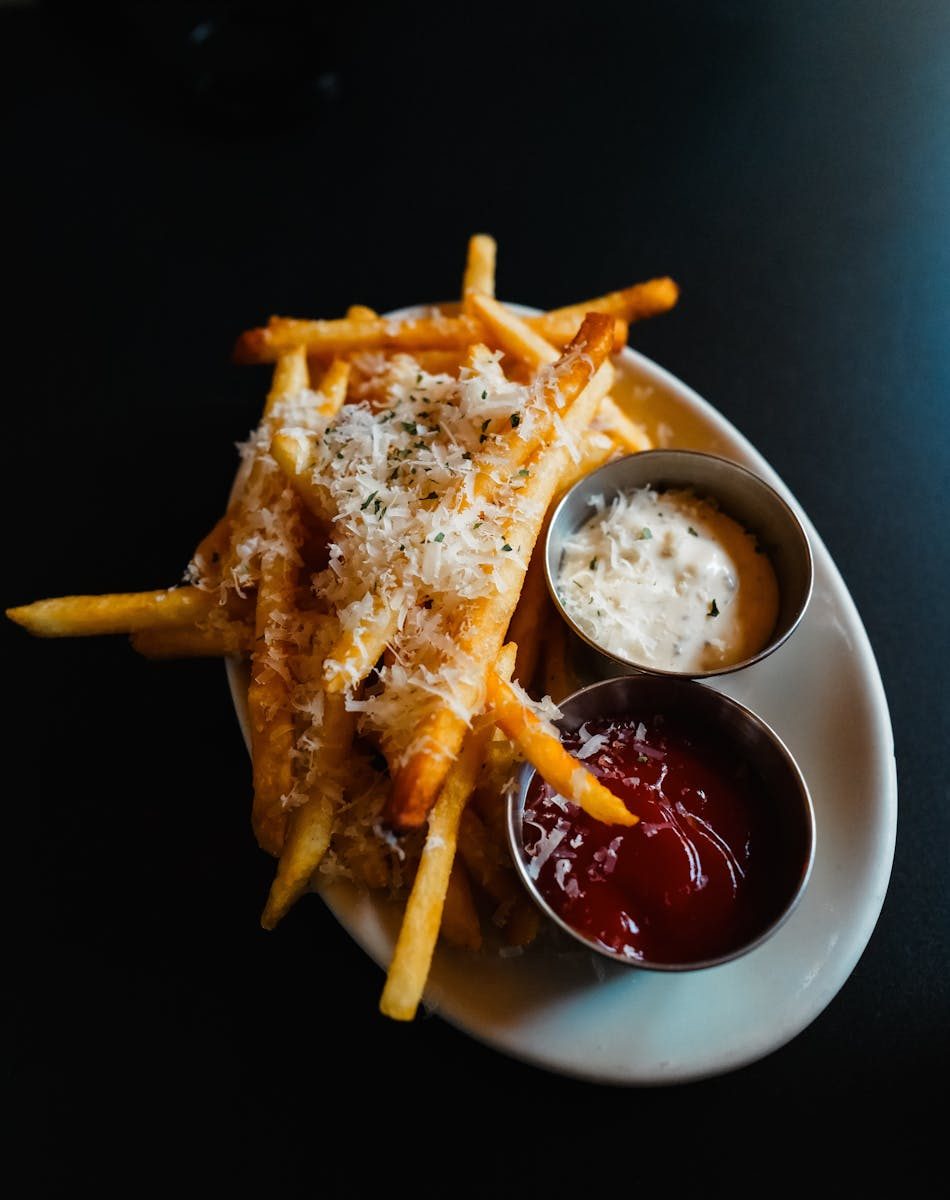
This combination is loaded with sodium, often far beyond what your body needs in a day. Research published in the American Journal of Clinical Nutrition found that blood vessel function can become noticeably impaired within just 30 minutes of eating heavily salted food.
Trans Fat-Heavy Dishes
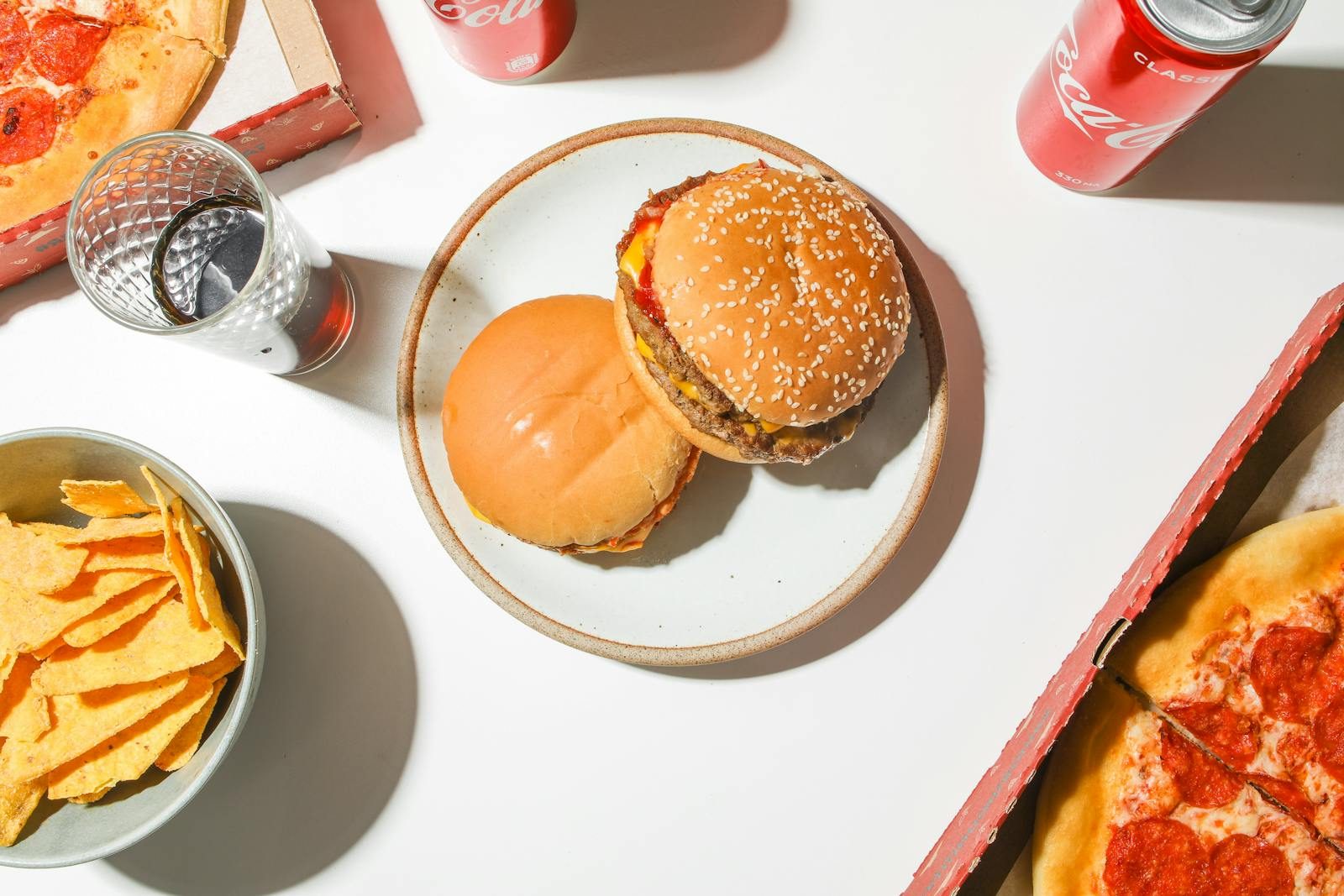
Trans fats are genuinely harmful, and they show up frequently in fast food menus. Any dish heavy in this type of fat is worth avoiding whenever possible.
Green Smoothies
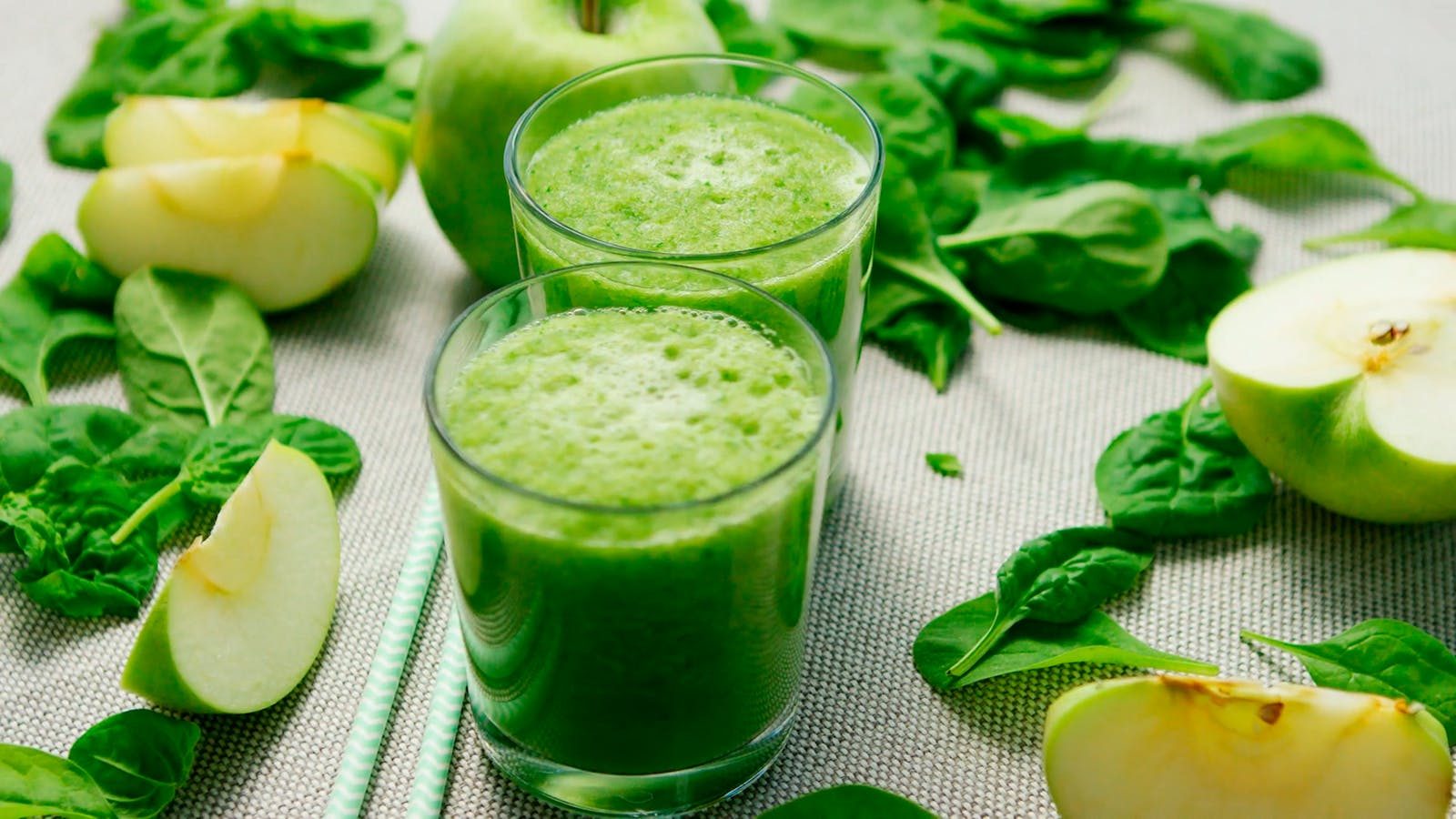
They sound clean and nutritious, but looks can be misleading. One major American chain blends cabbage and avocado together with frozen yogurt, juice, and added sugar — creating a smoothie that lands around 500 calories. Healthy? Not quite.
Water with Lemon
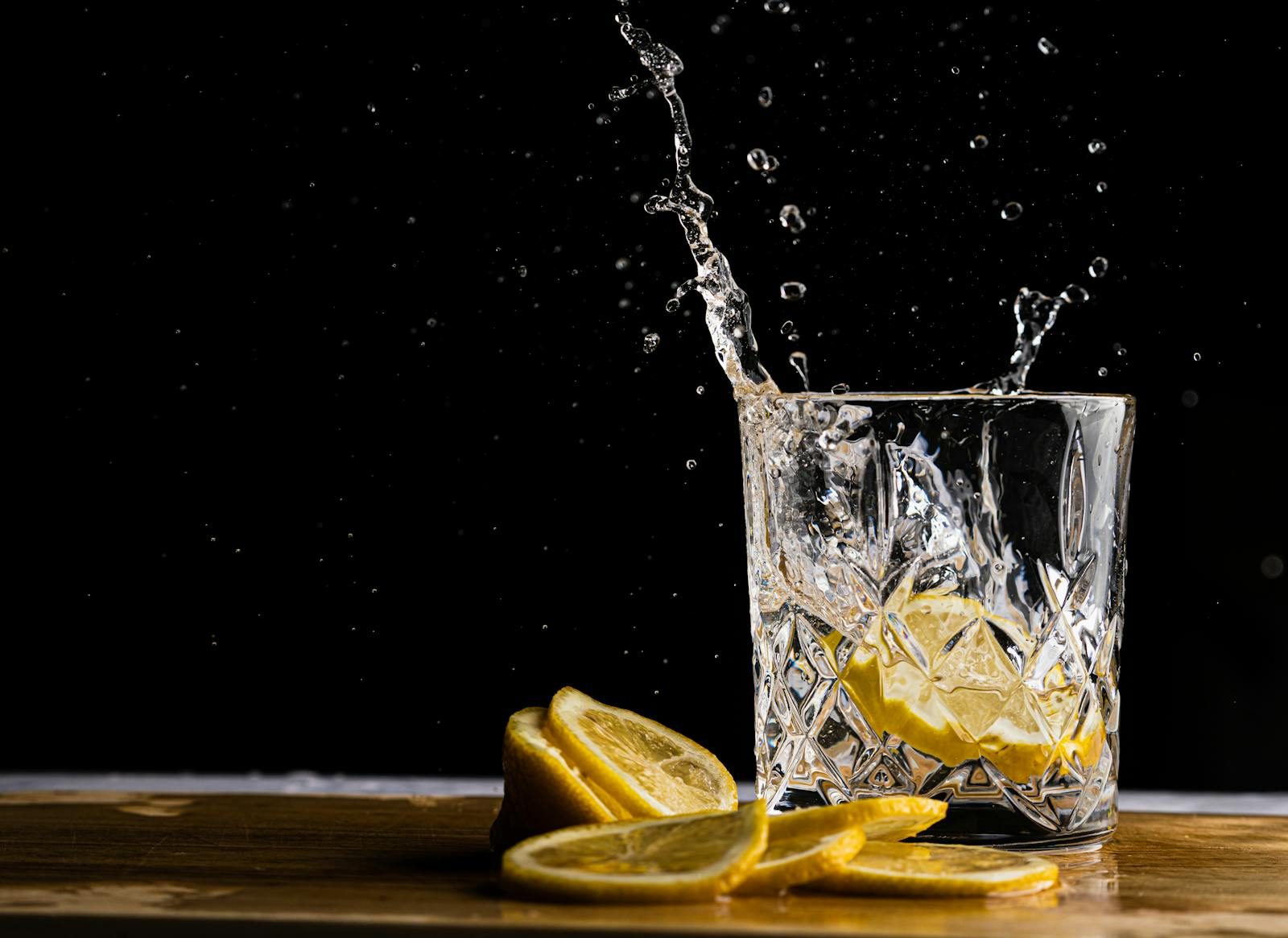
Ordering water is a great call, but ask for the lemon on the side rather than already dropped in. A study in the Journal of Environmental Health tested lemons from 21 different restaurants and found that 70% were carrying some form of bacterial contamination.
Free Refills
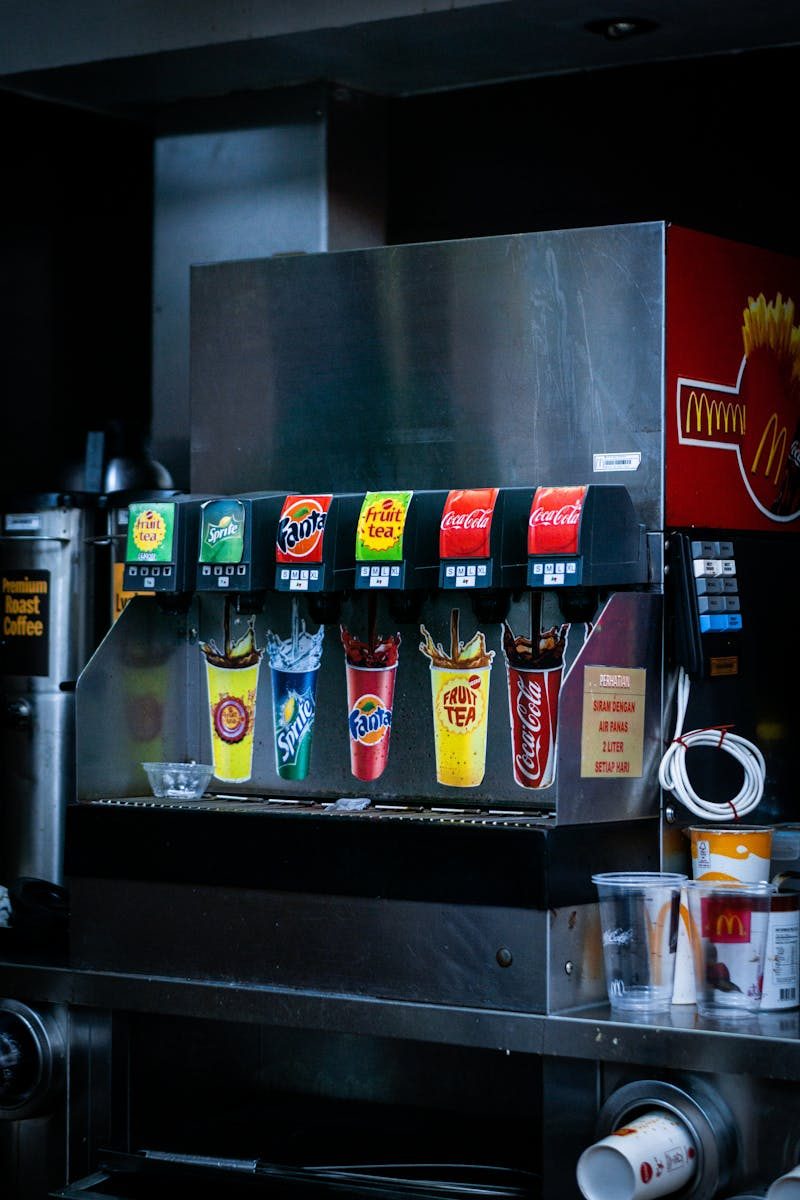
Each glass of soda brings roughly 120 calories and around 33 grams of sugar along with it. Keeping yourself to two glasses is a reasonable limit.
All-You-Can-Eat Pasta
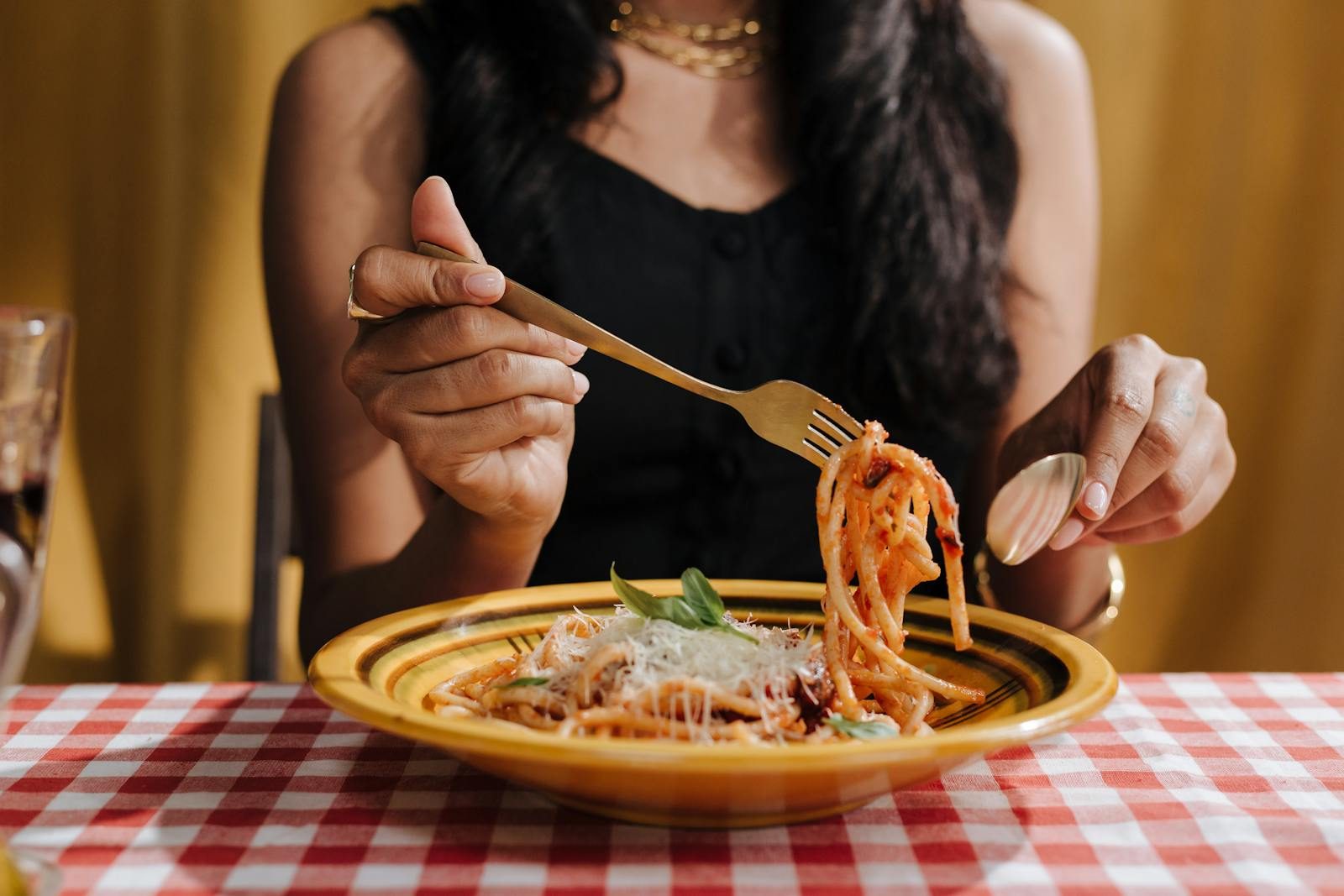
Pasta is cheap to make, so restaurants tend to serve it generously. That doesn’t mean you have to eat all of it. Boxing up the extra to take home beats finishing the plate out of habit and leaving the table feeling stuffed.
Medium-Rare Burger
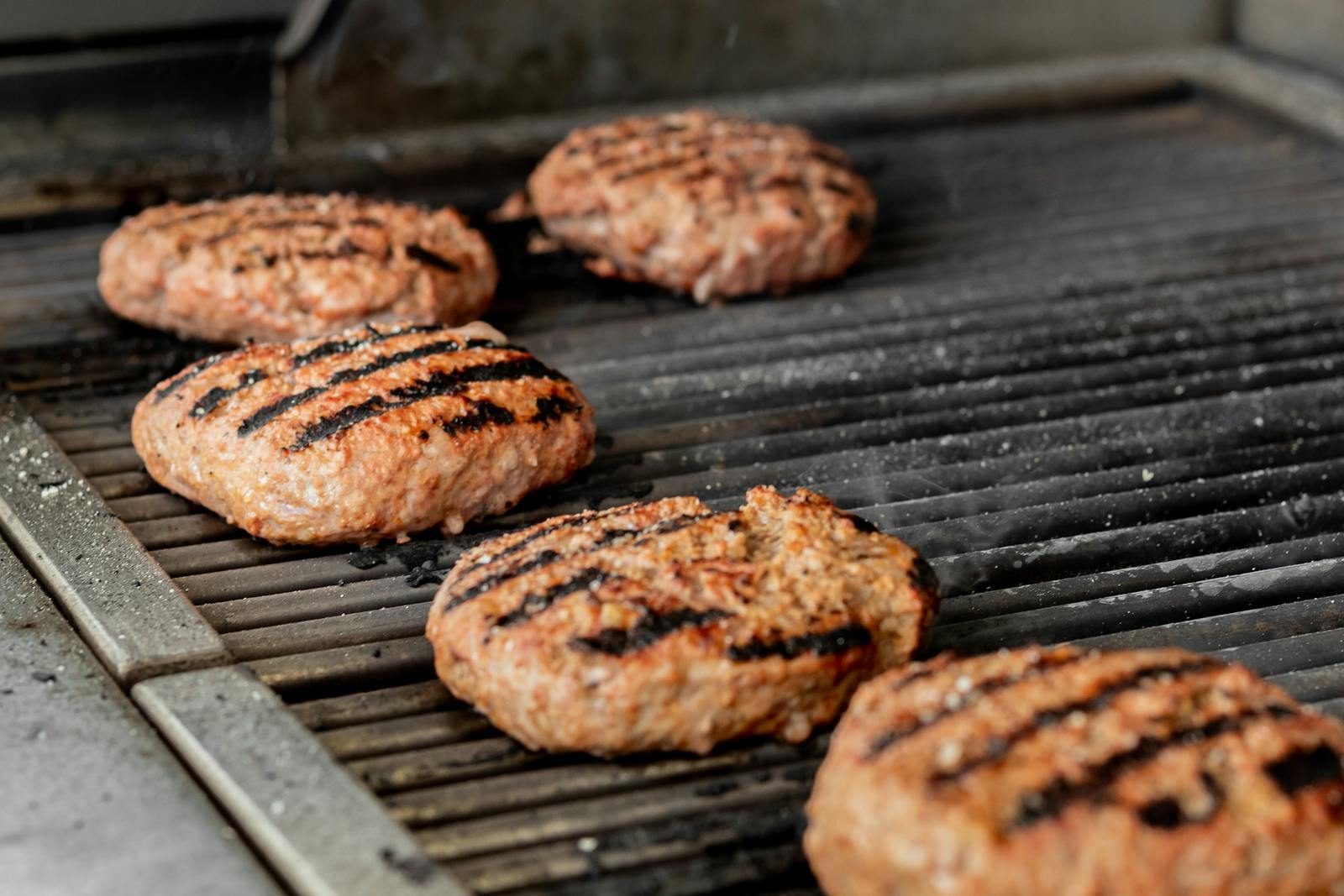
Unlike a steak, a medium-rare burger can be genuinely risky. Because the meat is minced, bacteria from the surface gets mixed throughout — meaning it needs proper heat all the way through to be safe.
More Than One Margarita
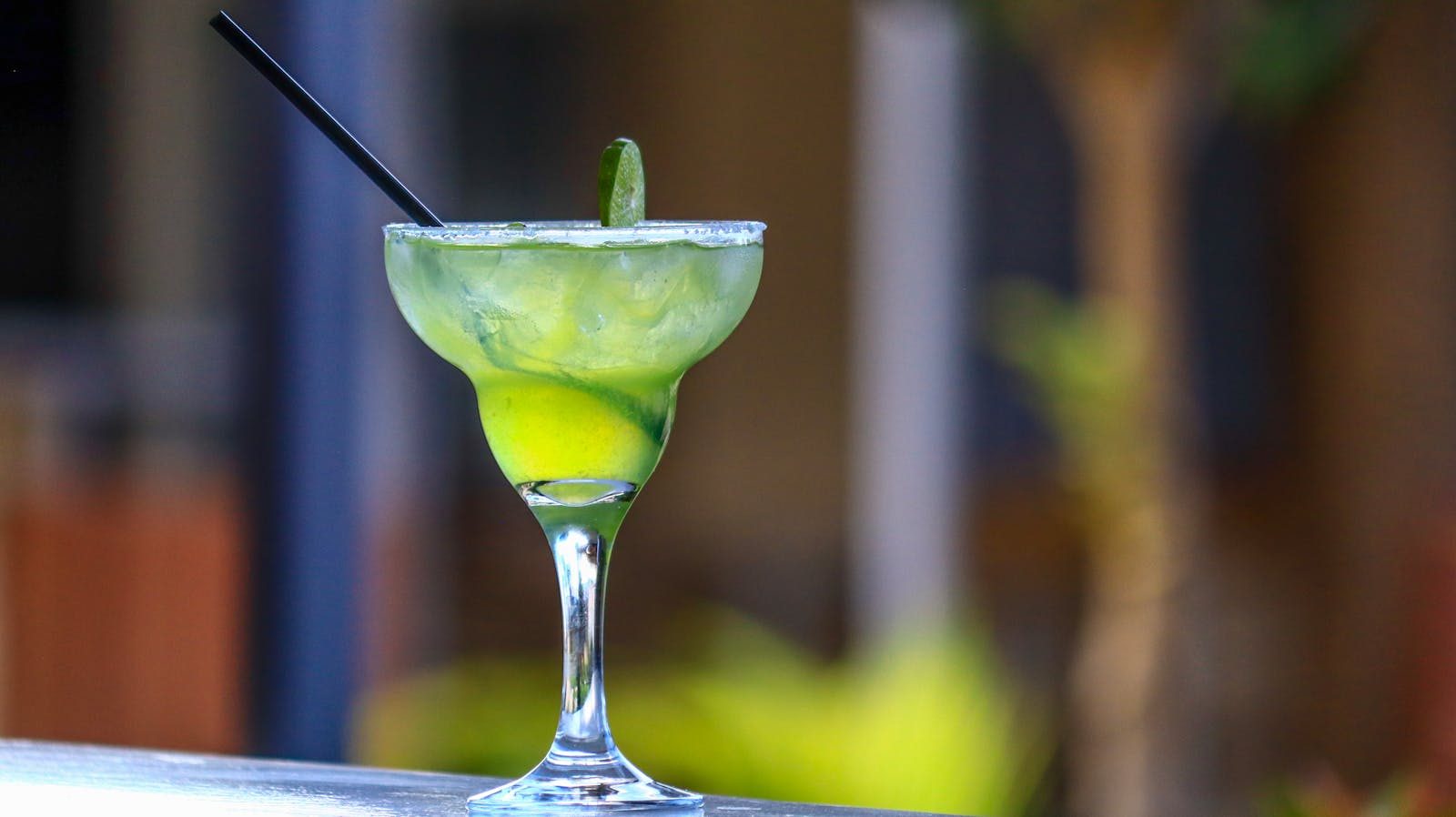
Health guidance generally suggests women limit themselves to around seven drinks per week. Since a single margarita counts as roughly 1.7 units, having more than one in a session pushes those numbers up fast.
Oversized Chicken Portions
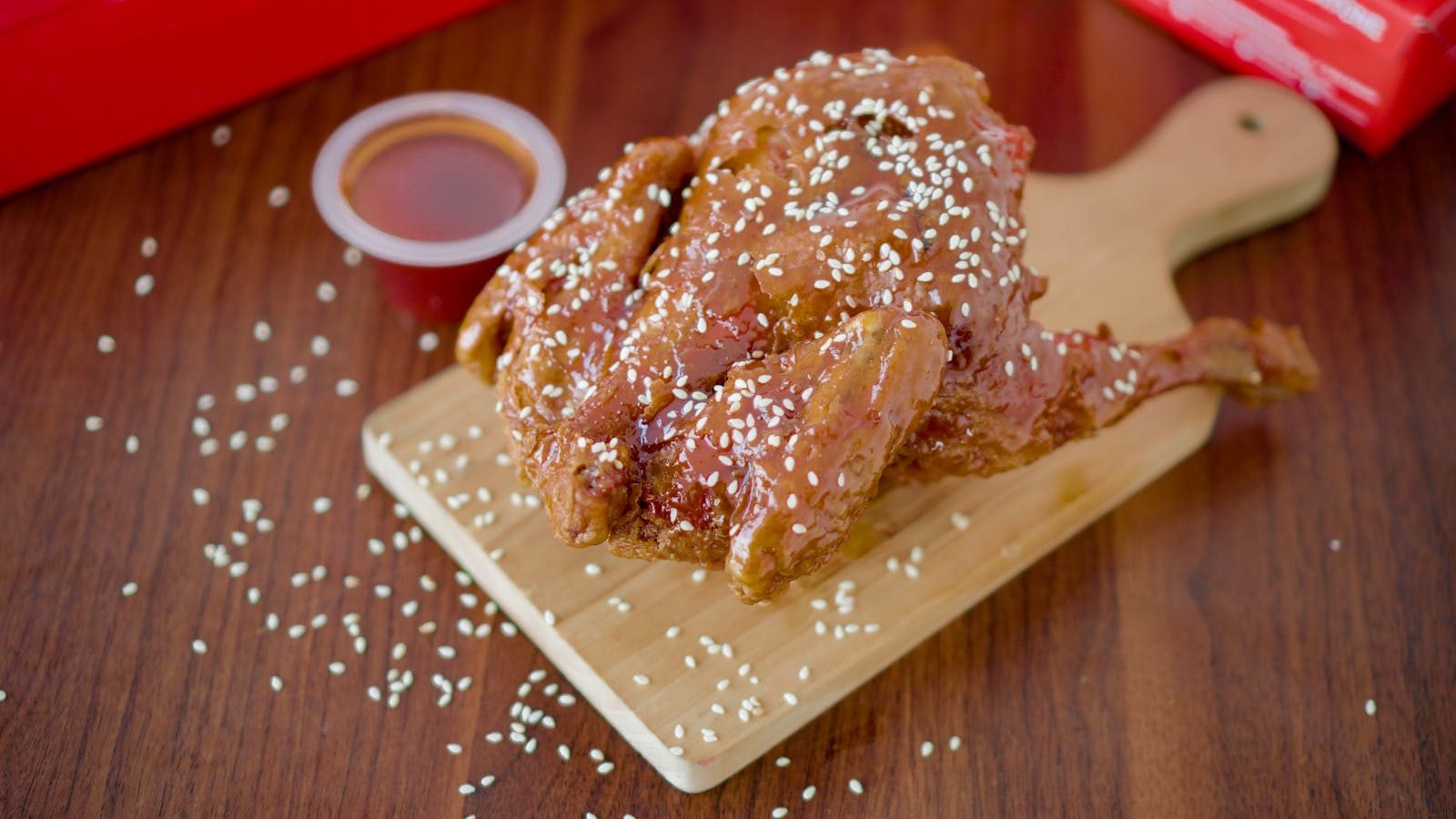
Chicken often feels like the responsible choice — and it can be. The issue is portion size. Restaurant chicken breasts are frequently much larger than a normal serving. Eating only what you need makes all the difference.
Sprouts
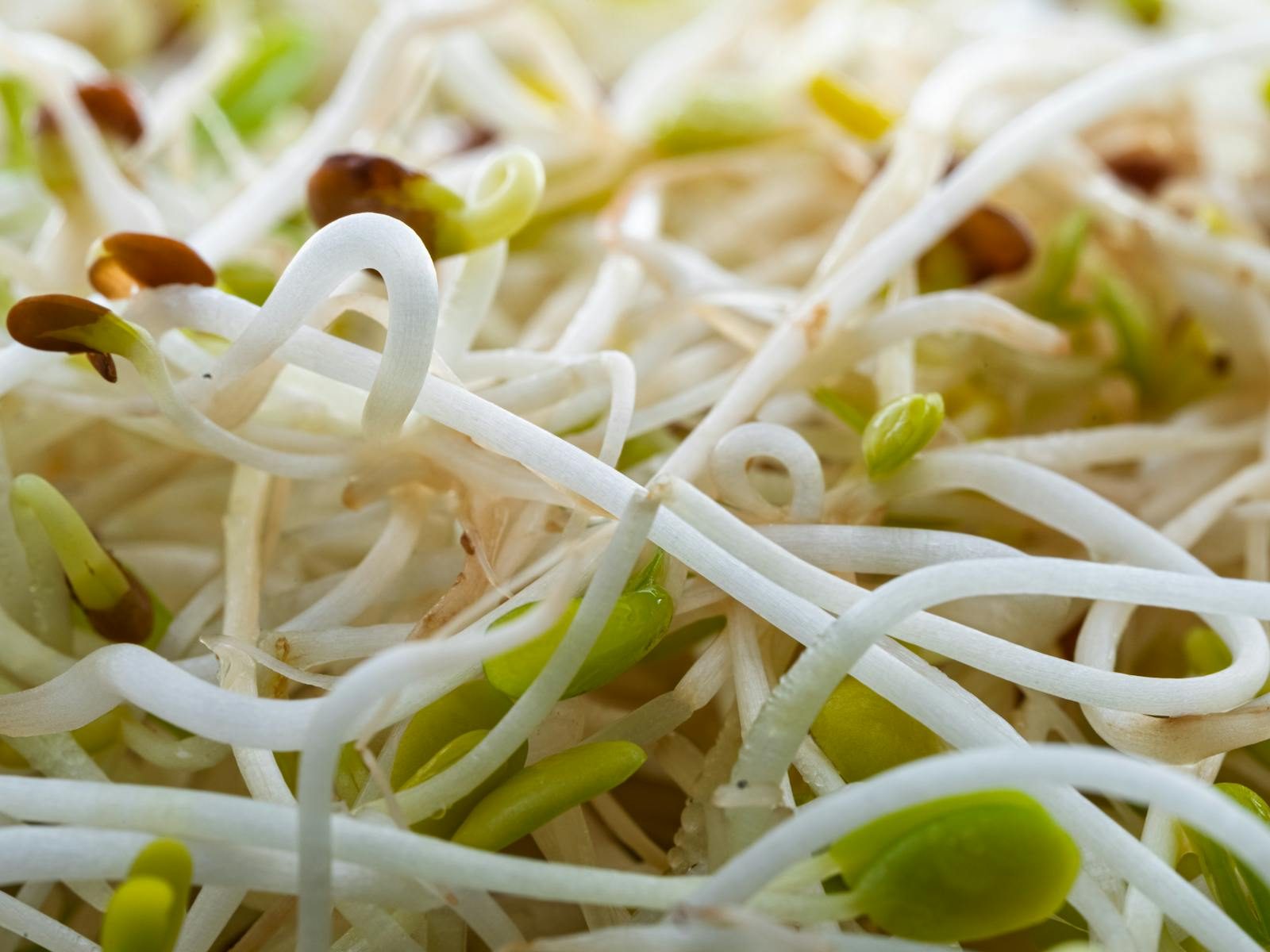
The warm, damp conditions that sprouts grow in are ideal breeding grounds for bacteria. When eating out, it’s safer to leave raw sprouts off your plate.
Creamy Soups
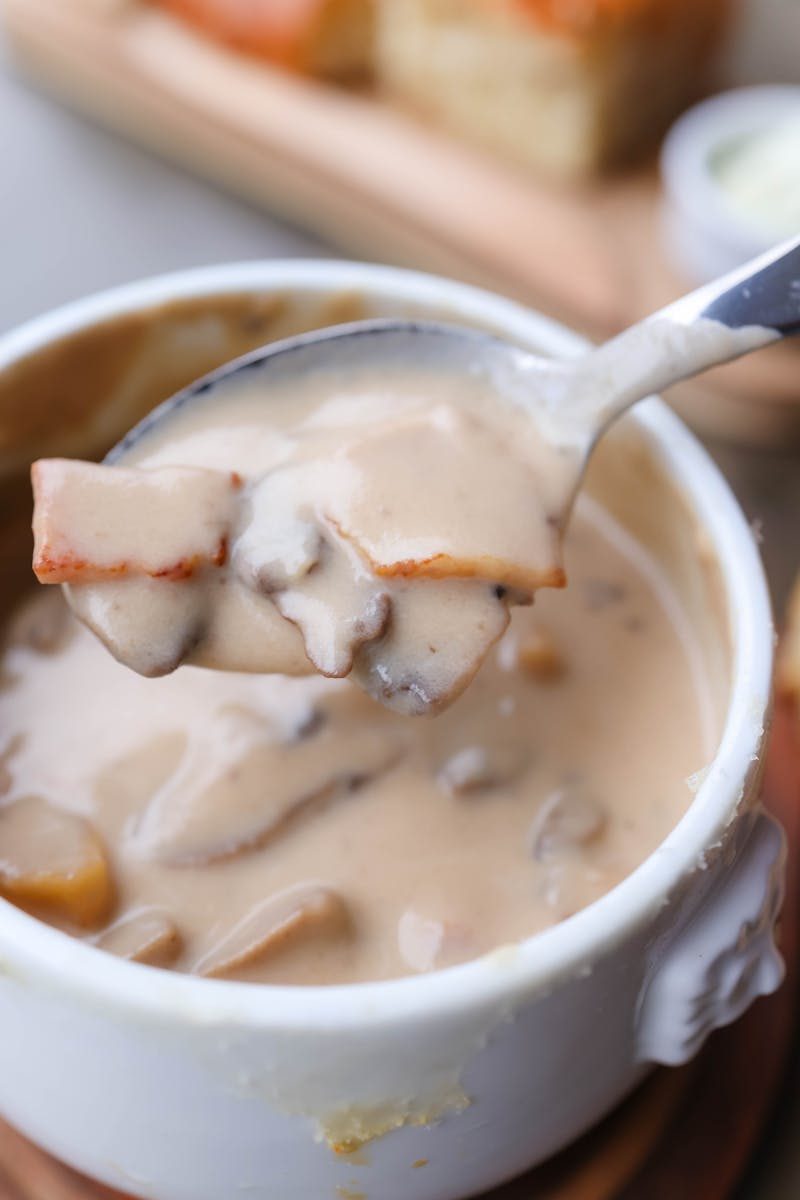
A broth-based soup before a meal can actually help you eat less overall. Creamy soups, however, are a different story — they can contain up to 500 calories on their own, making them more of a meal than a starter.
Chips and Salsa
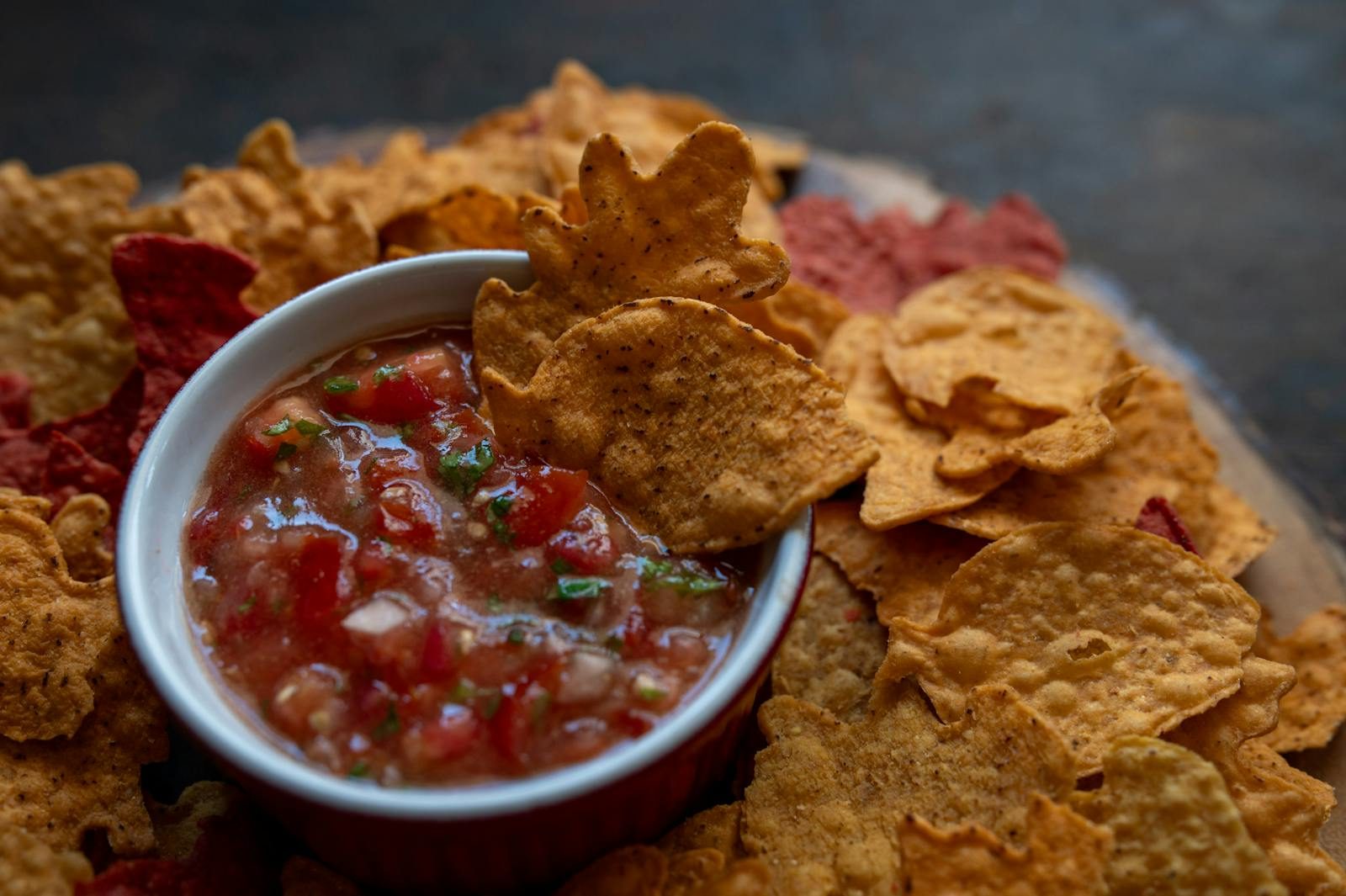
The portions are usually generous, which makes it incredibly easy to overeat without even realizing it. Before you know it, you’ve polished off far more than you intended before the actual meal even arrives.
Bread with Olive Oil
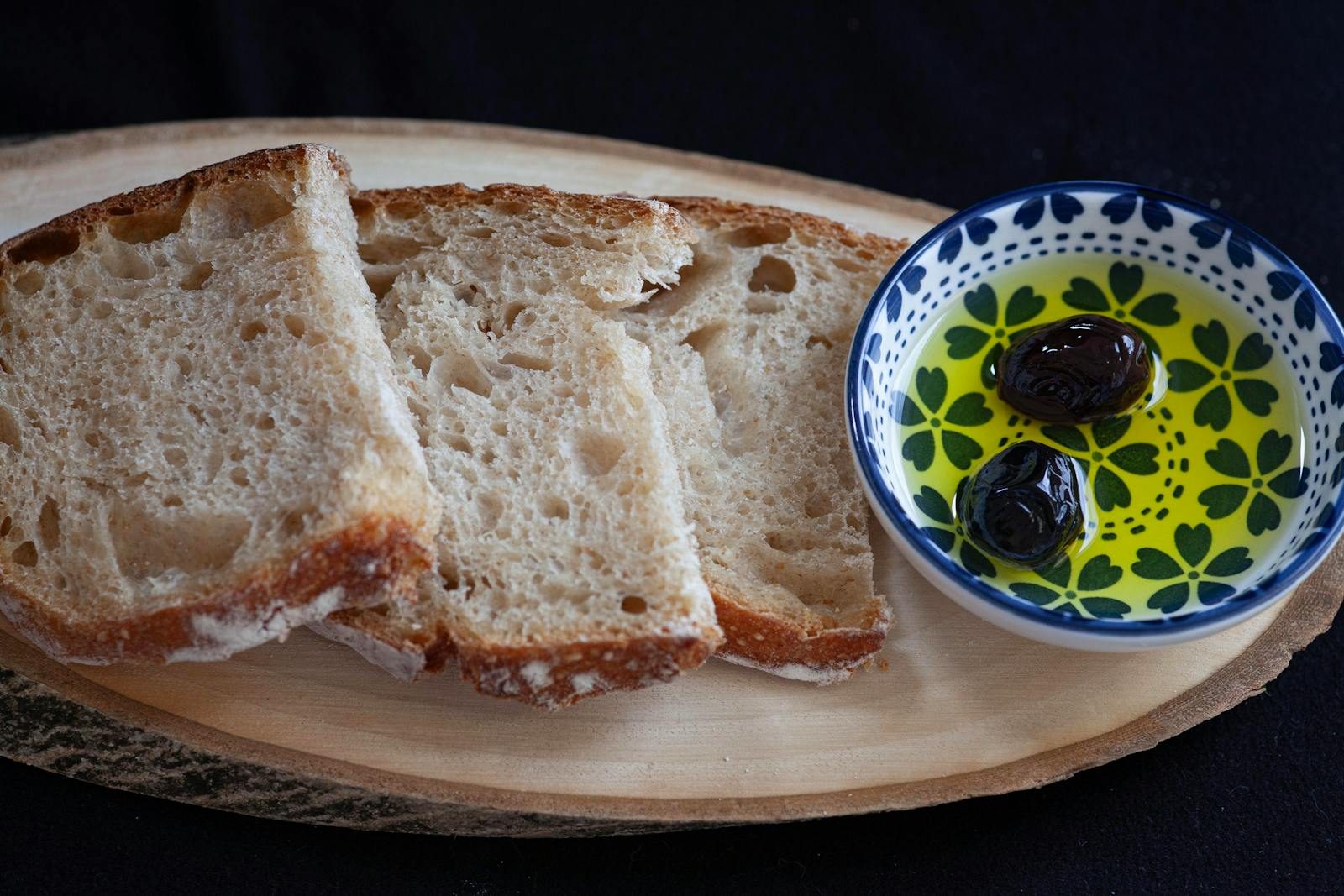
Olive oil itself is genuinely good for you. The trouble is that it’s easy to go through a lot of bread dipped in olive oil before your food even arrives, quietly stacking up calories in the process.
Rum or Vodka Mixed with Diet Soda
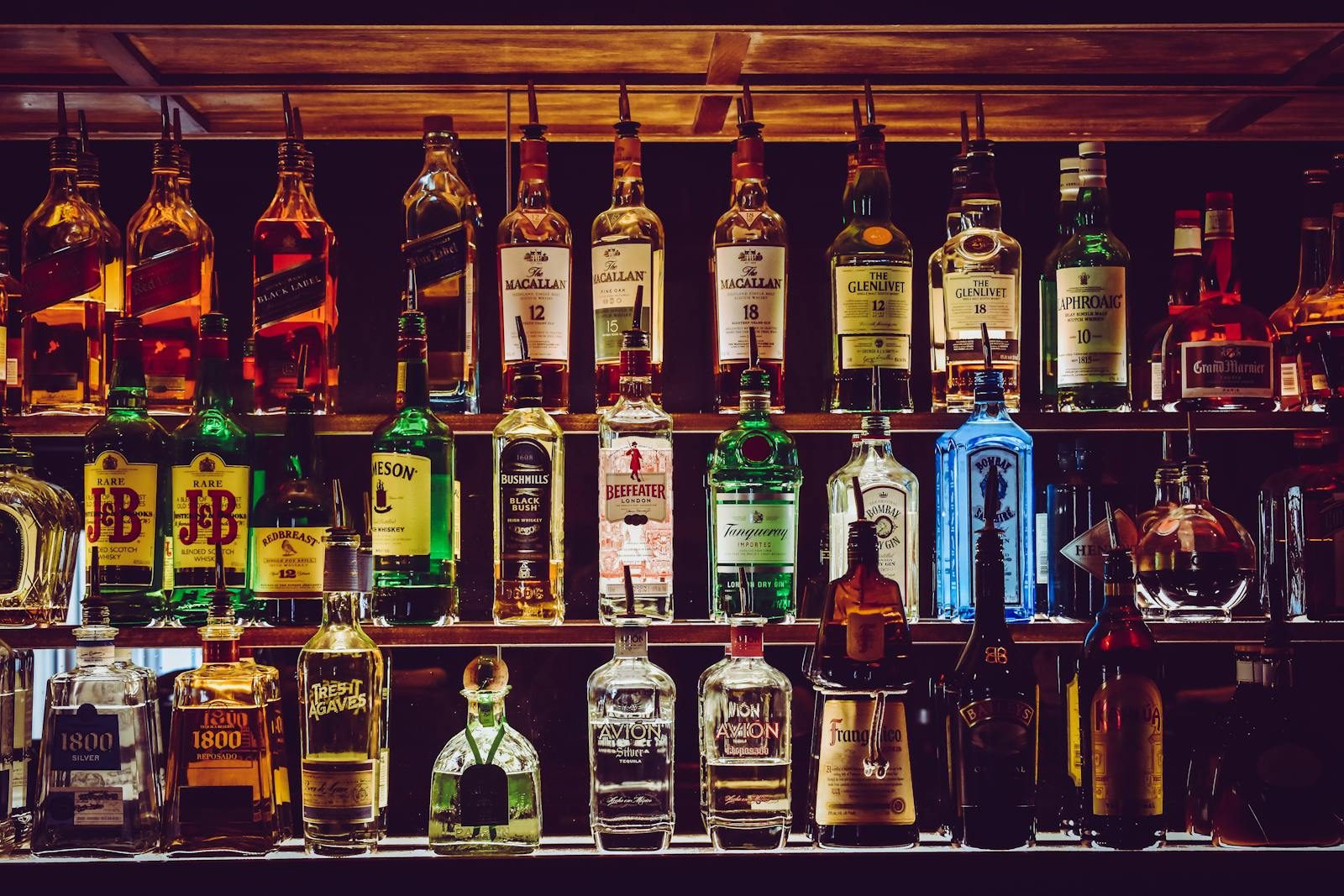
Combining alcohol with diet mixers can actually intensify alcohol’s effects on the body. Researchers point out that whatever calories you save from the diet soda simply aren’t worth the added risk that comes with it.
Diet Soda
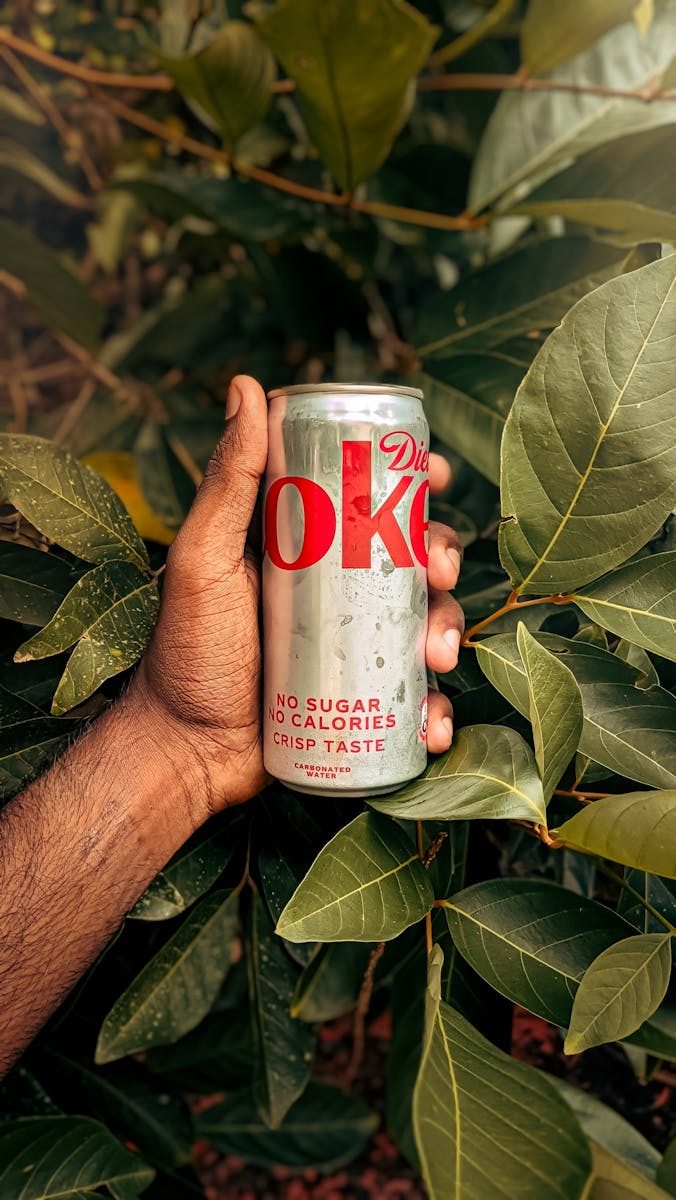
Despite the widespread belief that diet soda supports weight management, the evidence says otherwise. A study out of the University of Texas found that people who drank diet soda every day actually experienced an increase in belly size over time.