
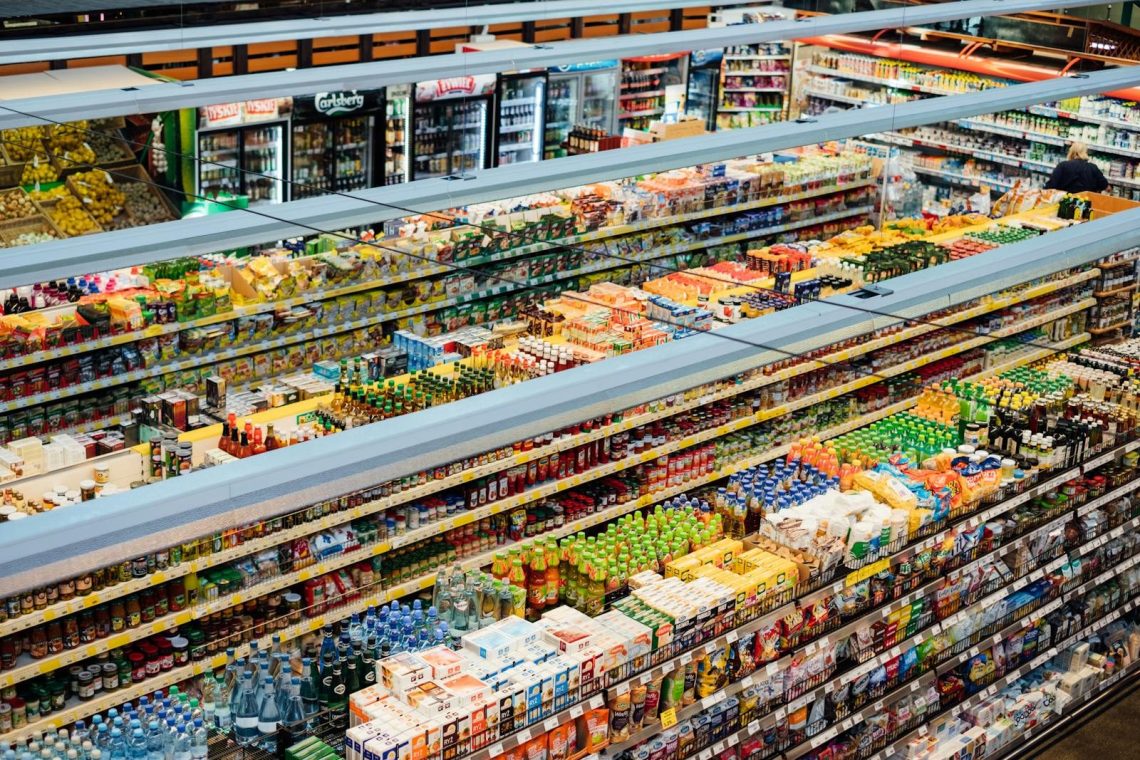
The store is designed to take your money. Here is the map they didn’t give you.
American supermarkets are among the most sophisticated retail environments ever designed. Every element — the layout, the lighting, the product placement, the pricing strategy, the loyalty program — is the result of decades of consumer behavior research aimed at maximizing the amount you spend per visit. Here is the honest user’s guide to navigating a system that was built to work against your budget.
The Perimeter Is Where the Real Food Lives.
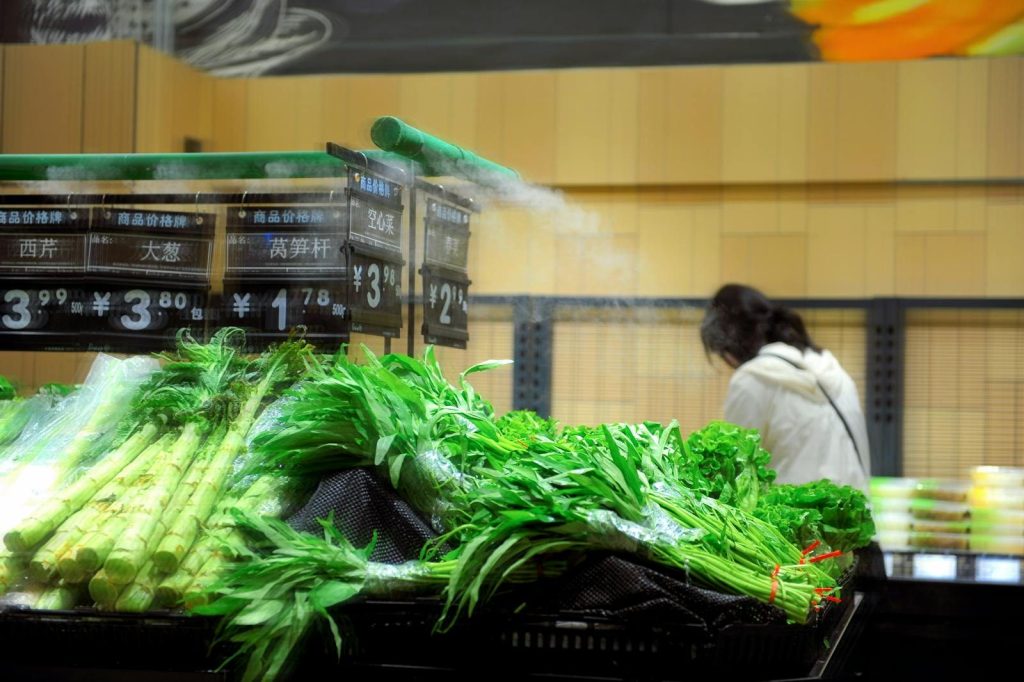
The outside edges of a supermarket — the produce section, the meat and seafood counter, the dairy, the bakery — are where the fresh, minimally processed food is. The interior aisles are where the processed, packaged, shelf-stable products live. Shoppers who primarily shop the perimeter spend less and eat better than shoppers who navigate every aisle.
Store Brand Products Are Almost Always the Same Quality as Name Brands.
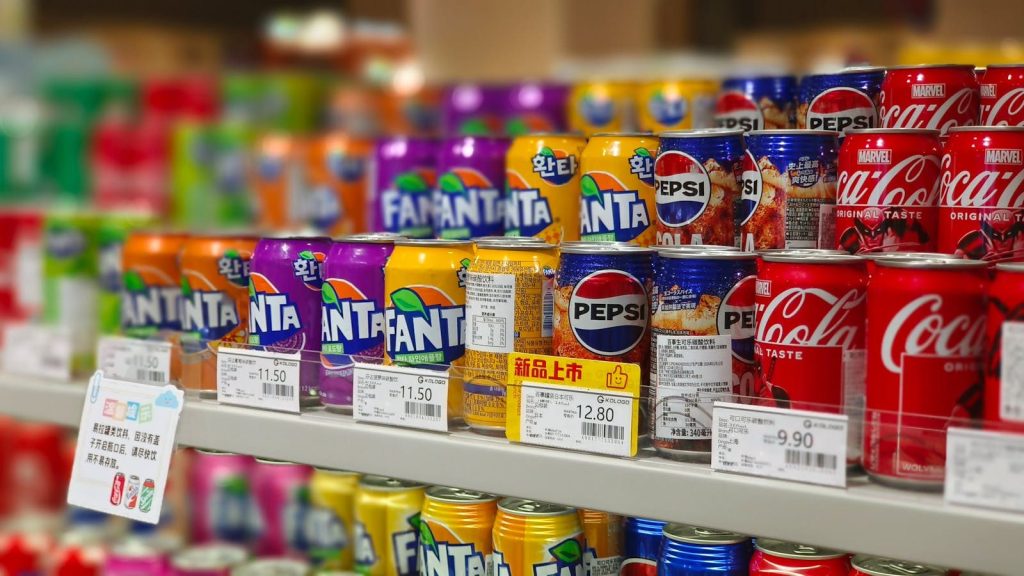
Store brand (house brand, generic, private label) products are manufactured by the same companies that make name brand products and often in the same facilities. The difference is the packaging and the price — typically 20 to 40 percent lower for the same product. This is not universally true but it is true often enough that trying the store brand once before paying the name brand premium is always worth doing.
The Loyalty Card Price Is the Real Price.
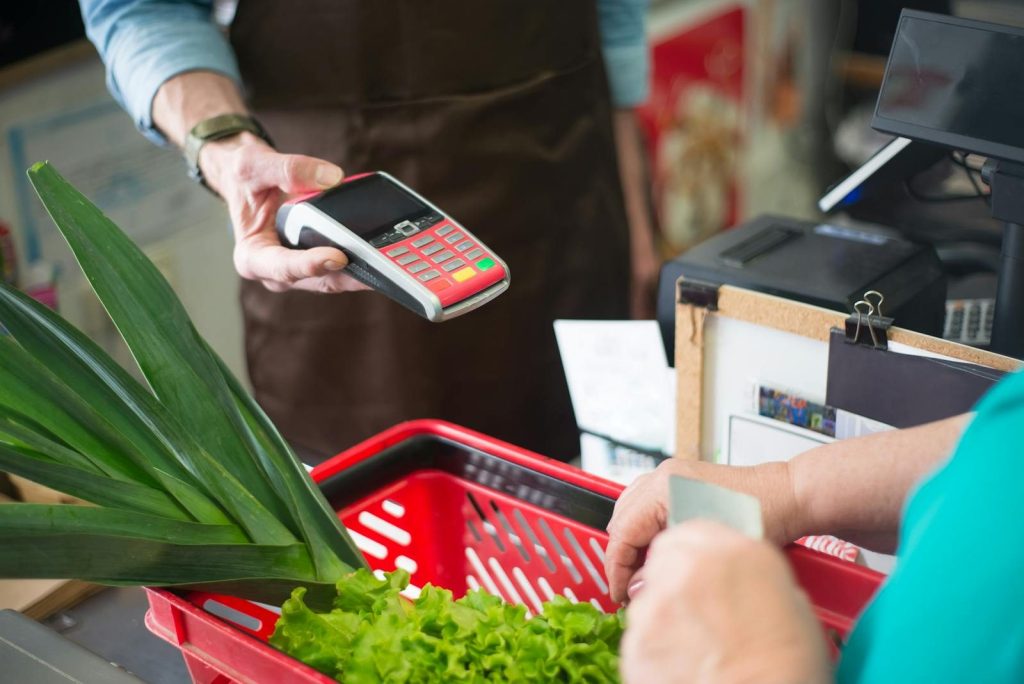
Supermarkets that use loyalty programs routinely set the non-member price at an artificially high level and the member price at what they actually intend to sell the product for. The difference between member and non-member pricing is a marketing mechanism, not a genuine discount for loyal customers. If you shop at a supermarket that uses loyalty cards, always use it or ask someone in line to use theirs.
Meat Marked Down for Quick Sale Is Not Bad Meat.
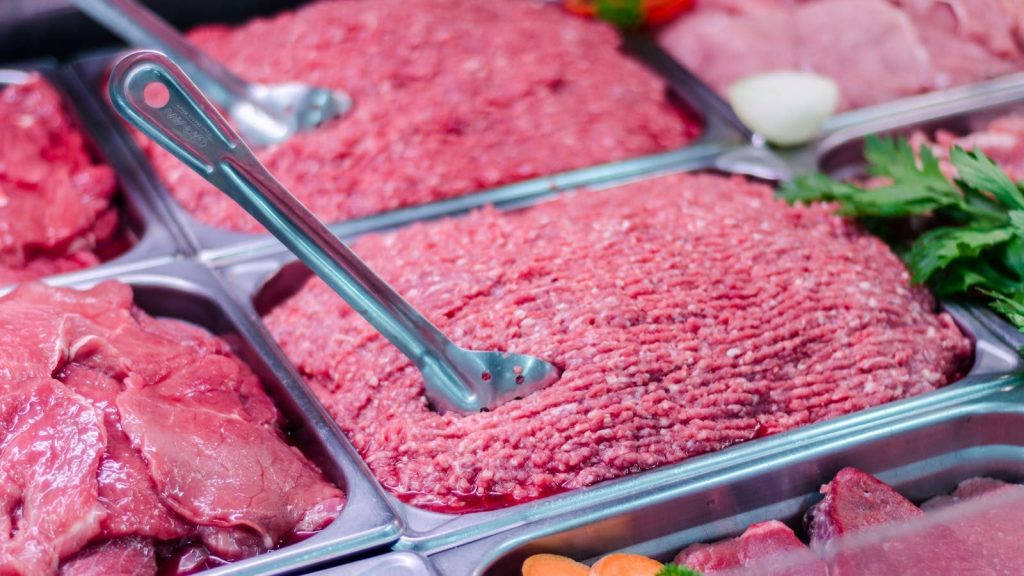
Packages of meat marked with a “use by today” sticker and a reduced price are not spoiled — they are fresh meat that will be sold today or removed from the case. Buying quick-sale meat and cooking it the same day or freezing it immediately is one of the most reliable ways to reduce grocery costs significantly.
The Middle Shelf Is the Most Expensive Shelf.
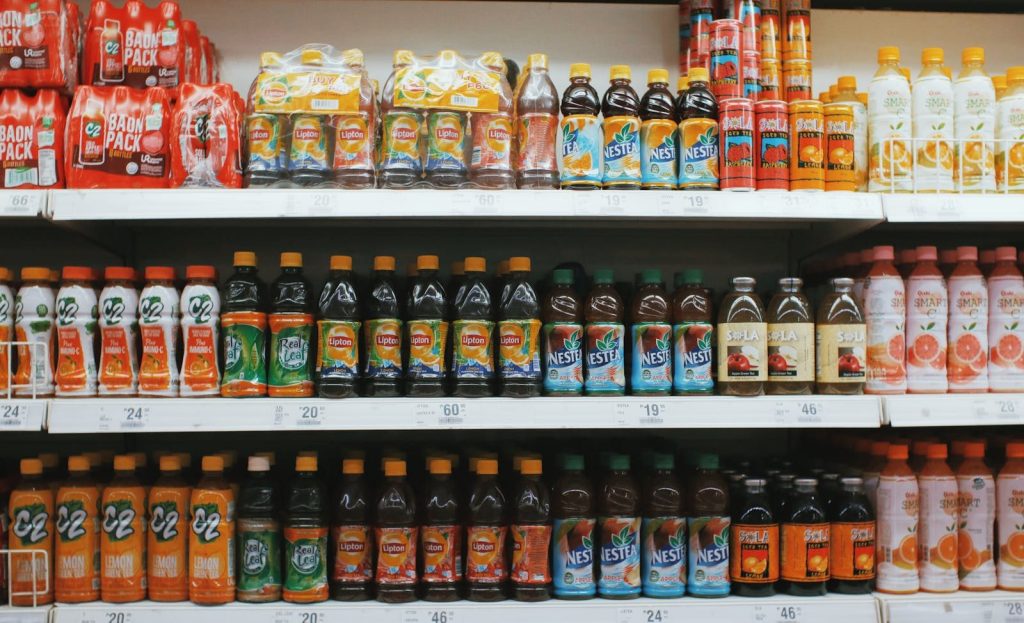
Products at eye level in grocery store shelving are there because manufacturers pay for that placement. The most expensive name-brand products are at eye level. The store brands and lower-priced alternatives are on the bottom shelf. Looking up and down rather than straight ahead at the grocery store has a direct effect on what you spend.
Produce Prices Vary Dramatically by Day and Season.
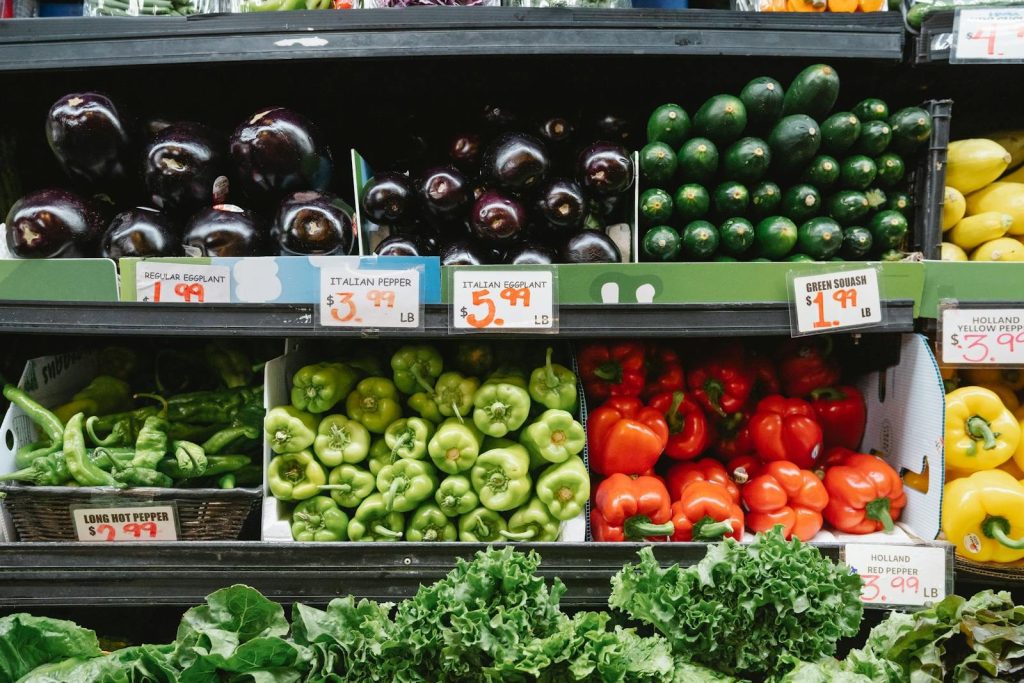
Supermarkets receive produce deliveries on specific days and prices are lowest immediately after delivery. Produce that has been sitting in the case for several days may be discounted. Understanding your supermarket’s delivery schedule — which most produce department staff will tell you if you ask — means buying fresher produce at better prices.
The Prepared Food Section Is the Most Expensive Per Calorie.
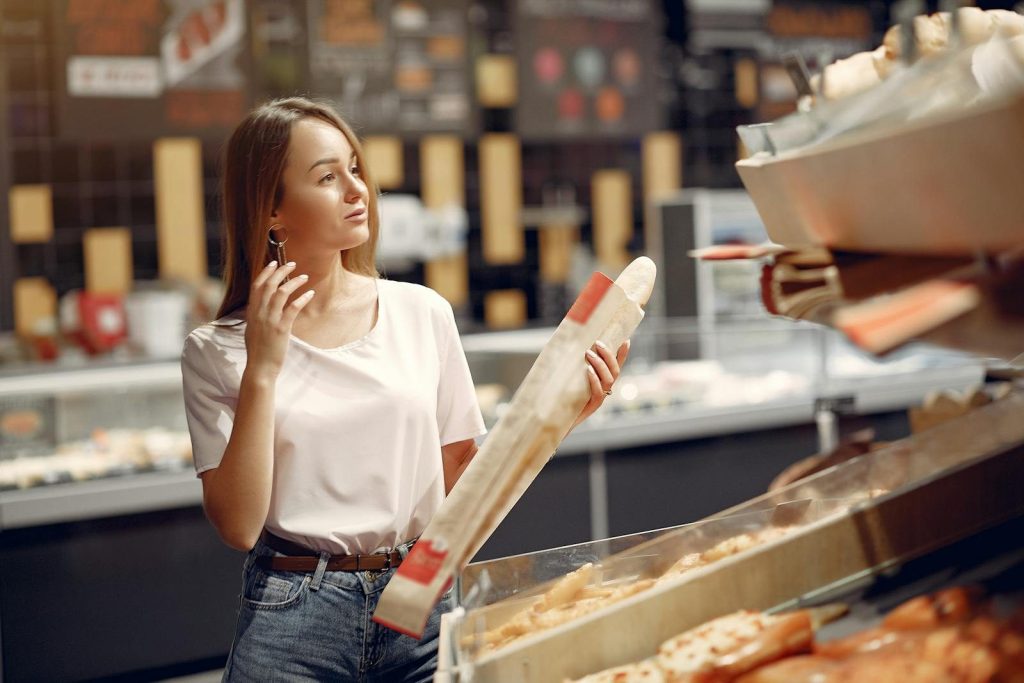
Rotisserie chicken, hot bar food, fresh-made sandwiches, and prepared meals in the deli case are convenient and sometimes genuinely good. They are also consistently the most expensive food in the store on a per-calorie or per-serving basis. A rotisserie chicken is often a good value. The prepared pasta salad next to it almost never is.
Buying in Bulk Is Only Savings If You Use All of It.
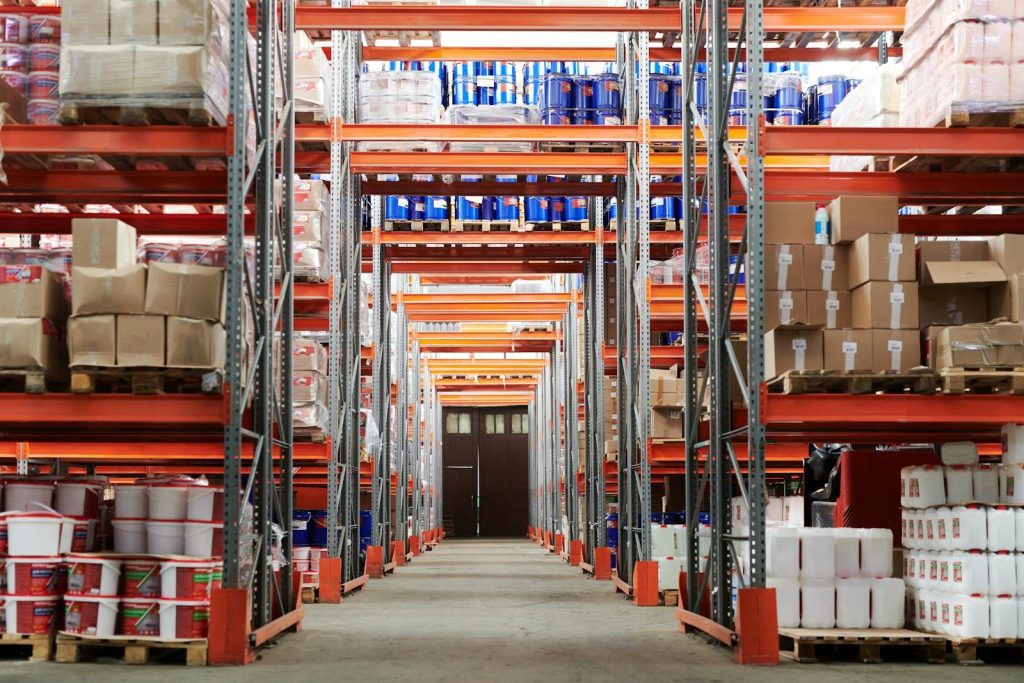
Warehouse stores and bulk sections at regular supermarkets offer genuine savings per unit — if you use the entire quantity before it expires or goes bad. Buying a five-pound bag of something you use a quarter-pound of before it goes stale is not savings. It is expensive waste with extra steps.
The Checkout Lane Candy and Magazine Placement Is Not an Accident.
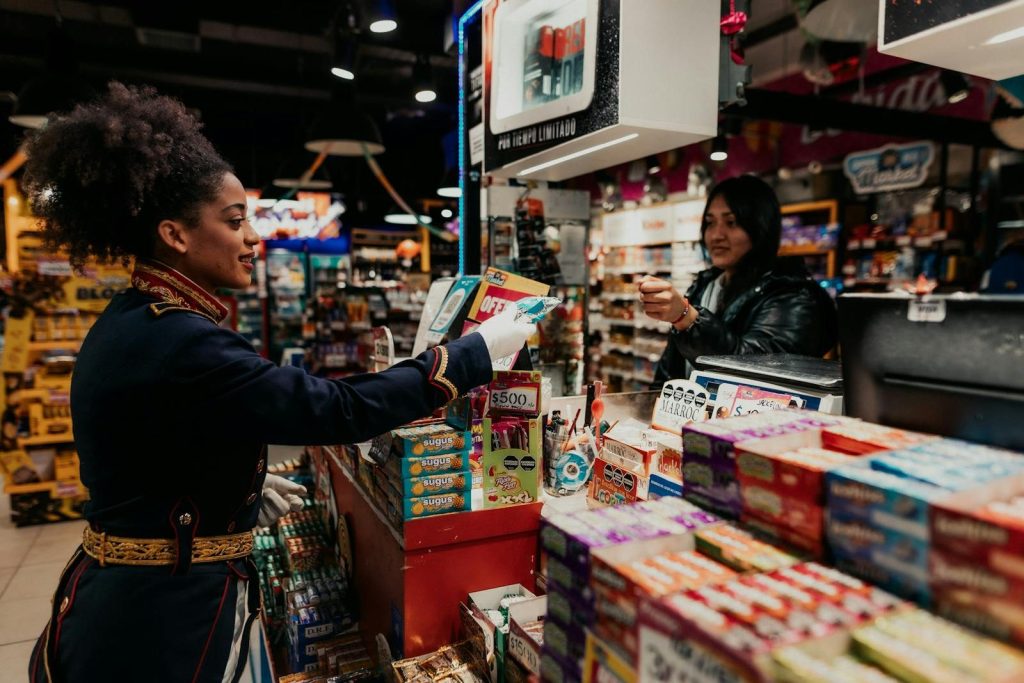
The products placed at eye level in checkout lanes are there specifically because purchase decisions made while waiting in a checkout line are impulsive and poorly considered. Everything at the checkout lane is a margin product placed there by design. Having a list and sticking to it is the only reliable defense.
The Freshest Bread Is Not at the Front of the Shelf.
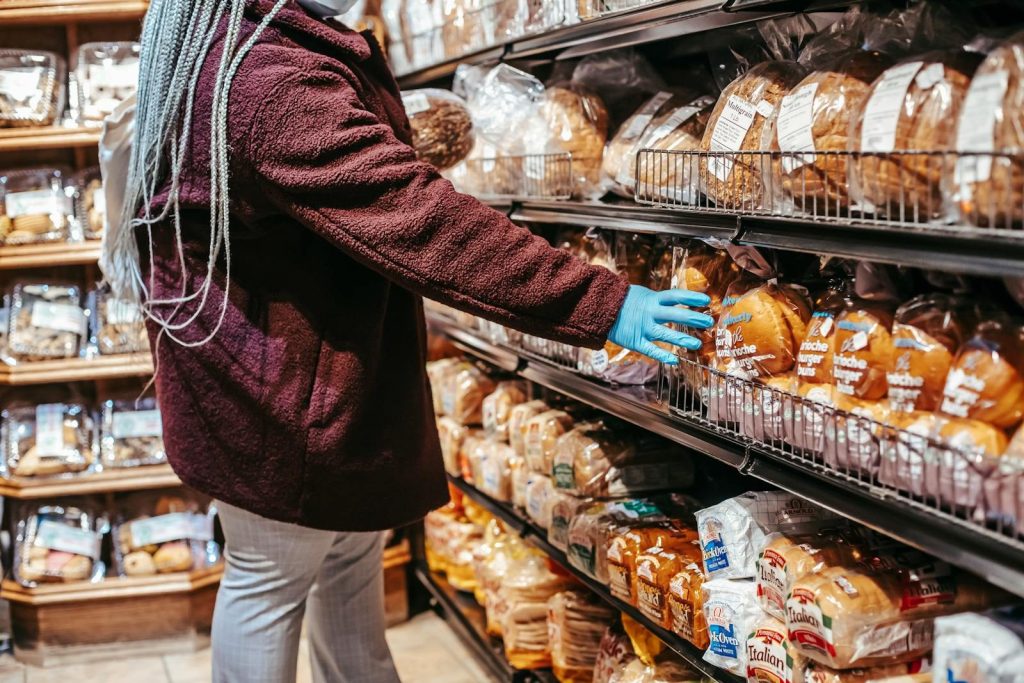
Bread and other products with expiration dates are stocked from the back forward — new stock goes in the back and older stock stays at the front. Reaching to the back of the bread shelf gets you a loaf that will last several more days than the one at the front. Every experienced grocery shopper does this automatically.
Shop the perimeter. Read the bottom shelf. Bring a list.