They died. They are still beautiful. And they will surprise you.
America’s ghost towns are among the most honest places in the country — places where the economic forces that built them departed and left behind a landscape of what ambition and necessity look like when they are done. Some are genuinely eerie. Most are simply quiet. All of them contain more history per square foot than any theme park ever built. Here is a tour of eight that deserve more visitors than they get.
Bodie, California
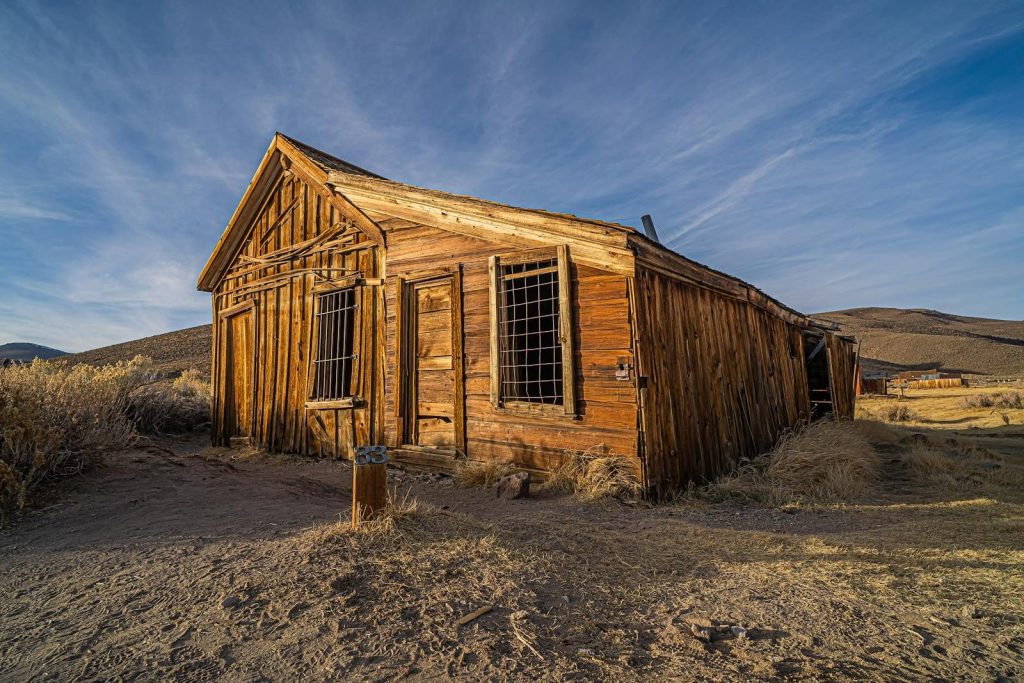
Is the gold standard of American ghost towns — preserved in a state of “arrested decay” by the California state park system, meaning it is maintained to prevent further deterioration without being restored to look better than it actually is. The result is extraordinary: a complete 1870s gold mining town with furniture still in the houses, food still in the pantries, and a specific atmosphere of abandonment that is unlike anything else in America. Go in summer when the access road is passable. Expect crowds on weekends.
Bannack, Montana
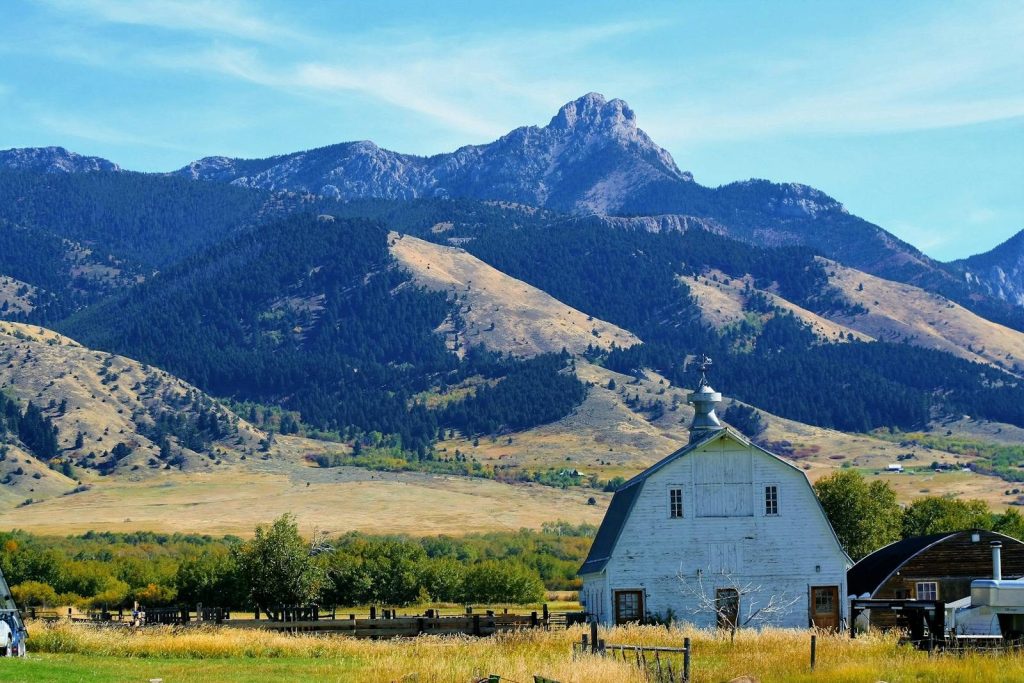
Is the first territorial capital of Montana, a gold rush town from the 1860s that is now a state park with 60 surviving structures including a hotel, a masonic lodge, a school, and a gallows. The annual Bannack Days festival in July brings the town temporarily back to life. The rest of the year it is one of the most peaceful and historically rich places in the Mountain West.
Rhyolite, Nevada
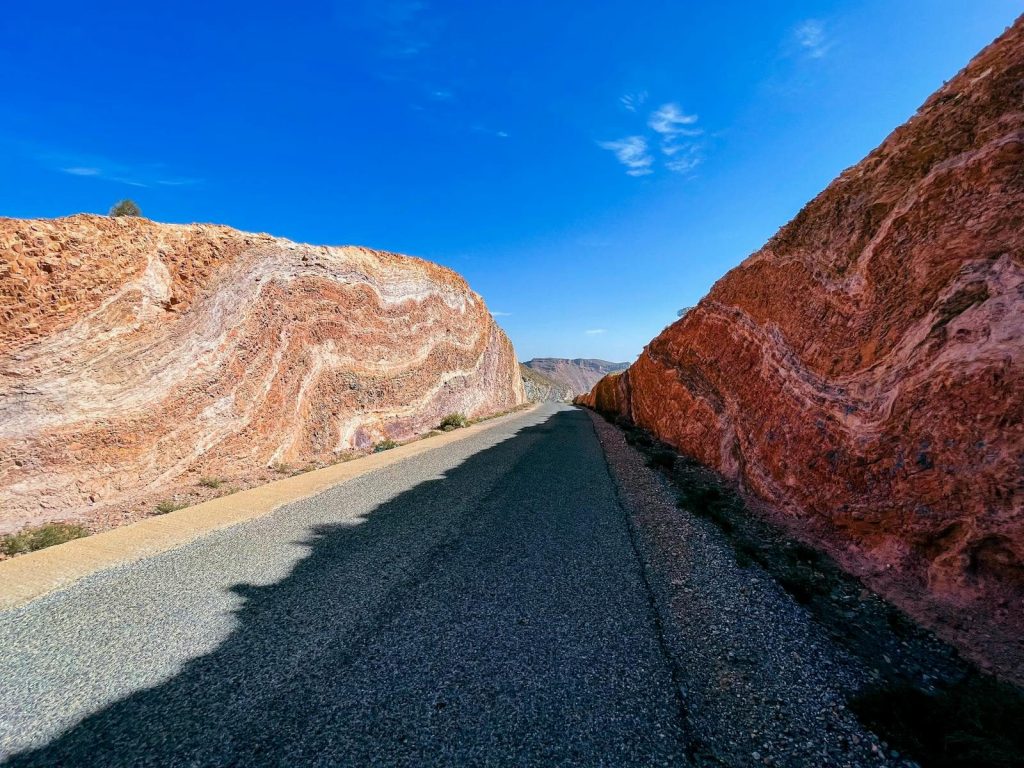
Near Death Valley was one of the largest cities in Nevada at its peak in 1907 with 10,000 residents. By 1920 it was abandoned. What remains — a three-story bank building, a train depot, and a house built entirely from glass bottles — is freely accessible and photographically spectacular, especially at sunrise and sunset.
Centralia, Pennsylvania
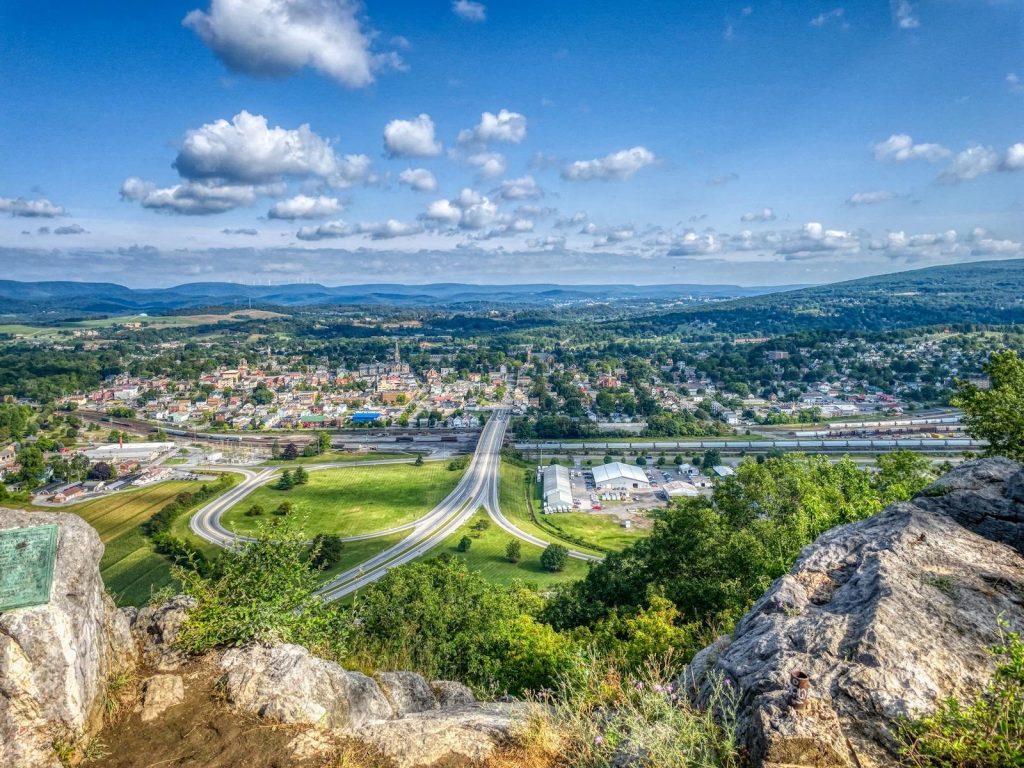
Has been slowly burning since 1962 when a coal seam fire was accidentally ignited and has never been extinguished. The town was gradually evacuated over the following decades as carbon monoxide levels rose and the ground became unstable. Today about a dozen residents remain by legal exception in a town where steam rises from cracks in the earth, the old highway is buckled and spray-painted by visitors, and the surrounding hills have an apocalyptic quiet.
St. Elmo, Colorado
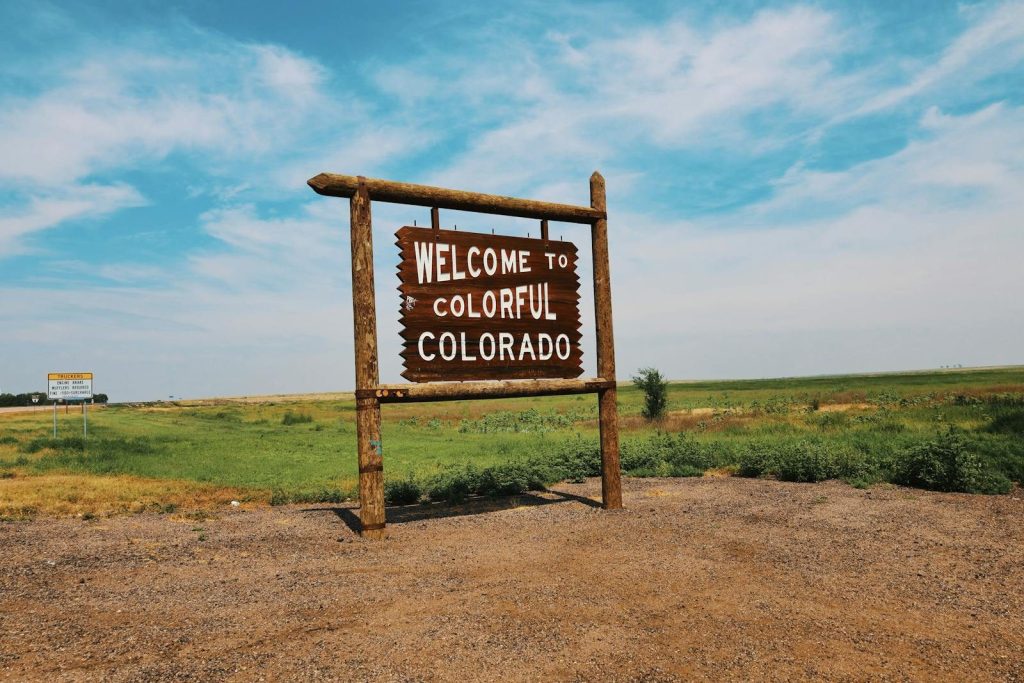
In the Chalk Creek Valley is one of the most photogenic and most accessible ghost towns in Colorado — a complete 1880s mining town at 10,000 feet elevation with 150 original structures still standing in various states of preservation. The road is passable in a standard vehicle in summer. The town has a small general store operated by a descendant of original residents. Go early in the day before the ATV crowd arrives.
Cahawba, Alabama
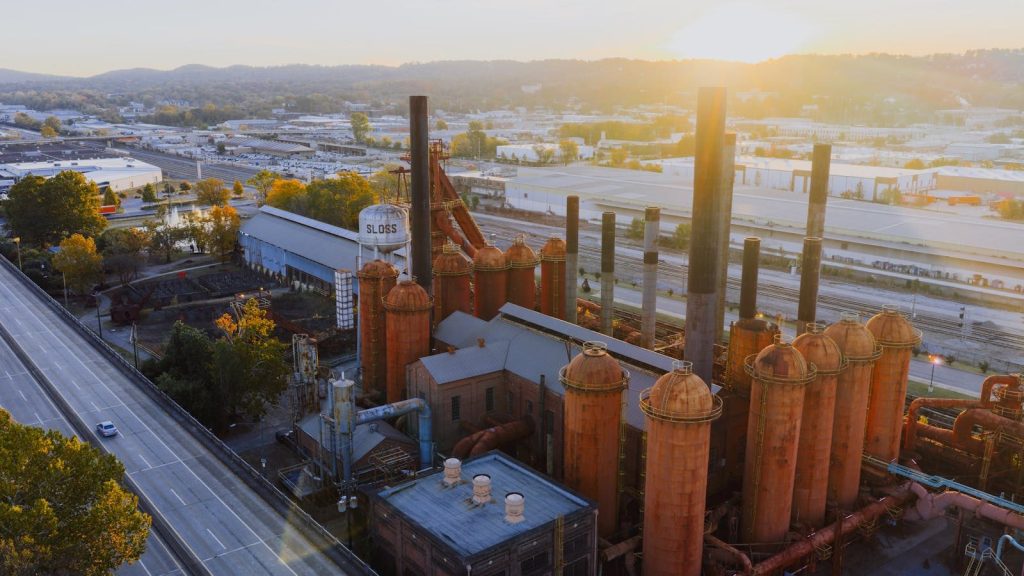
Was the first permanent state capital of Alabama, then the capital was moved, then the town flooded repeatedly, and by 1900 it was abandoned. What remains is a landscape of ruins and memory in a beautiful river setting — columns standing alone in fields, brick foundations, and a cemetery that is still cared for by descendants of former residents. The Alabama Historical Commission manages it thoughtfully.
Calico, California
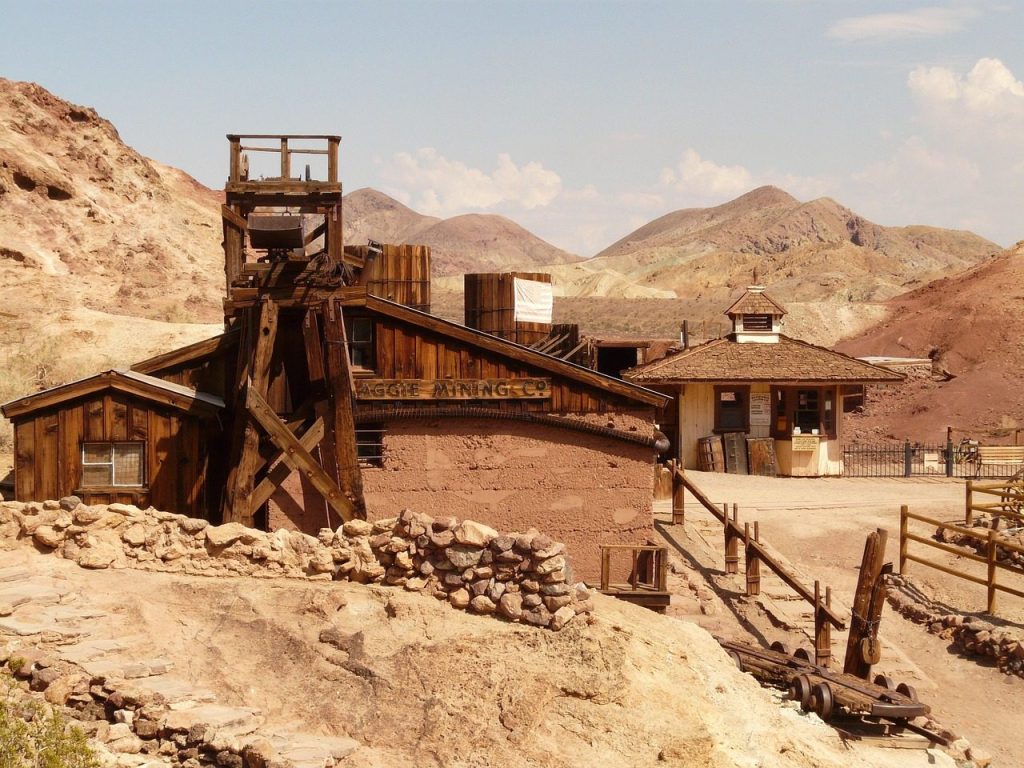
Near Barstow was a silver mining town in the 1880s, was partially restored by Walter Knott of Knott’s Berry Farm in the 1950s, and is now operated by San Bernardino County as a regional park and tourist attraction. It is more restored and more commercial than a purist ghost town lover would prefer. It is also genuinely photogenic, accessible, and fun for families.
Virginia City, Montana
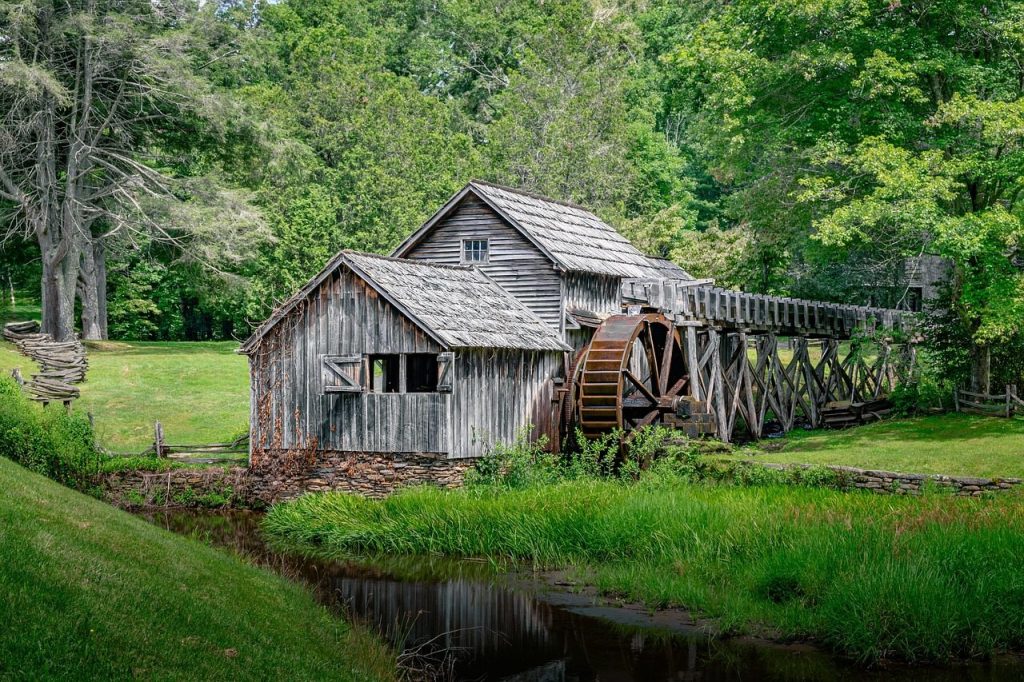
Is the best preserved gold rush town in the American West — not a ghost town exactly, since about 100 people still live there, but a complete Victorian-era commercial district that has been designated a National Historic Landmark. The main street is lined with original 1860s buildings containing original fixtures and contents. The Vigilante Days festival in July draws visitors from across the region.
Ghost towns do not feel like death. They feel like listening.