They built the system to benefit them. Here is how it actually works.
The hotel industry is one of the most sophisticated pricing and marketing machines in the consumer economy. It has spent decades building systems that extract maximum revenue from guests who do not understand what they are paying for or why. Here is the honest version that the booking websites and hotel loyalty programs would prefer you not have.
The Price You See Is Almost Never the Best Price Available

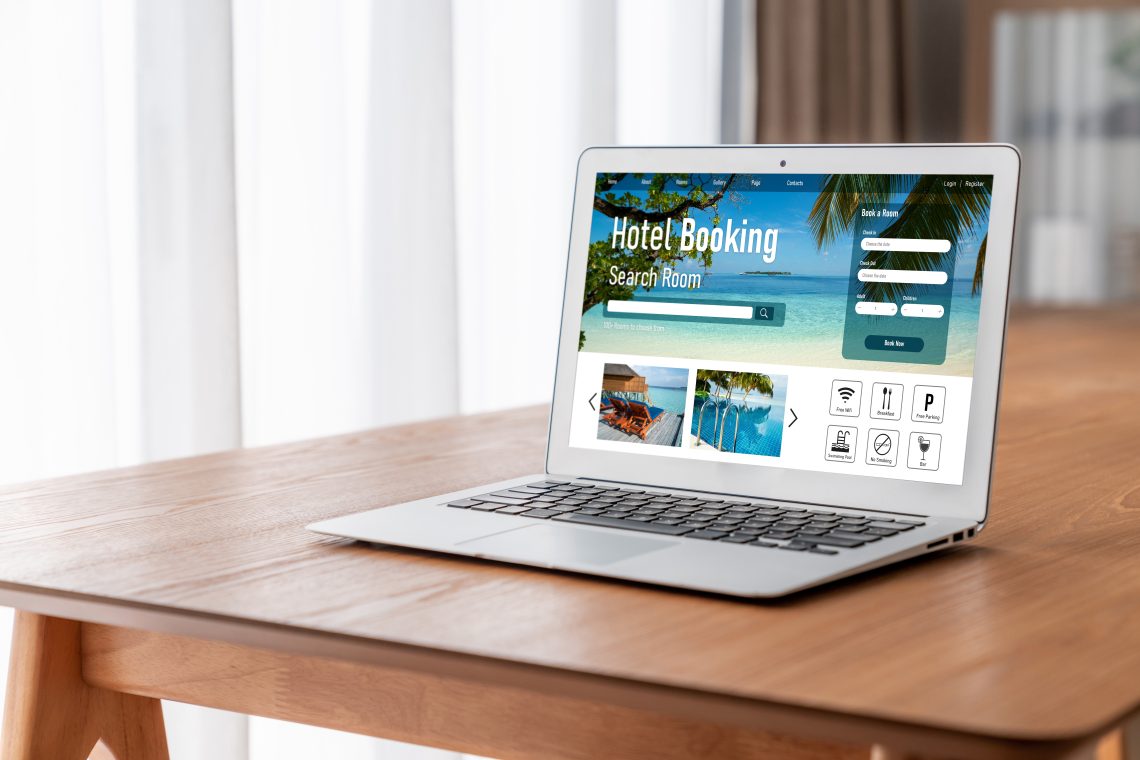
Hotel pricing is dynamic and complex. The price on the hotel’s own website, the price on a third-party booking site, the price available through a loyalty program, the price a travel agent can access, and the price available by calling the hotel directly are often all different. The hotel’s own website sometimes offers the best rate when you factor in loyalty points. Third-party sites sometimes have exclusive rates. Calling directly and asking for the best available rate sometimes produces a price not available anywhere online.
Resort Fees Are Legal Price Deception
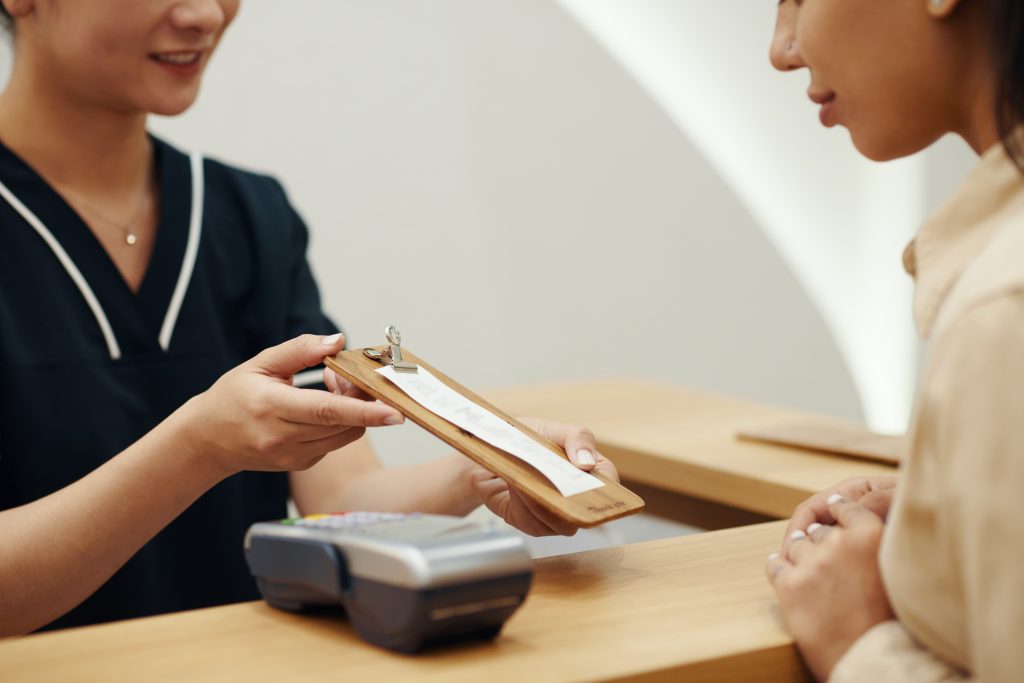
The practice of advertising a room rate and then adding a mandatory resort fee at checkout — which can add $30 to $100 per night to the price — is one of the most consumer-hostile practices in American retail and is legal in most states. The resort fee often covers amenities you would not pay for individually and did not ask for. Always check for resort fees before booking and factor them into the real price.
Loyalty Programs Are Designed to Capture, Not Reward

Hotel loyalty programs are sophisticated customer retention tools designed to make you feel rewarded while directing your spending toward properties that may not offer the best value for your specific trip. The redemption value of points is calculated to sound better than it is. The status tiers are designed to be just barely achievable enough to keep you trying.
The Checkout Time Is Negotiable
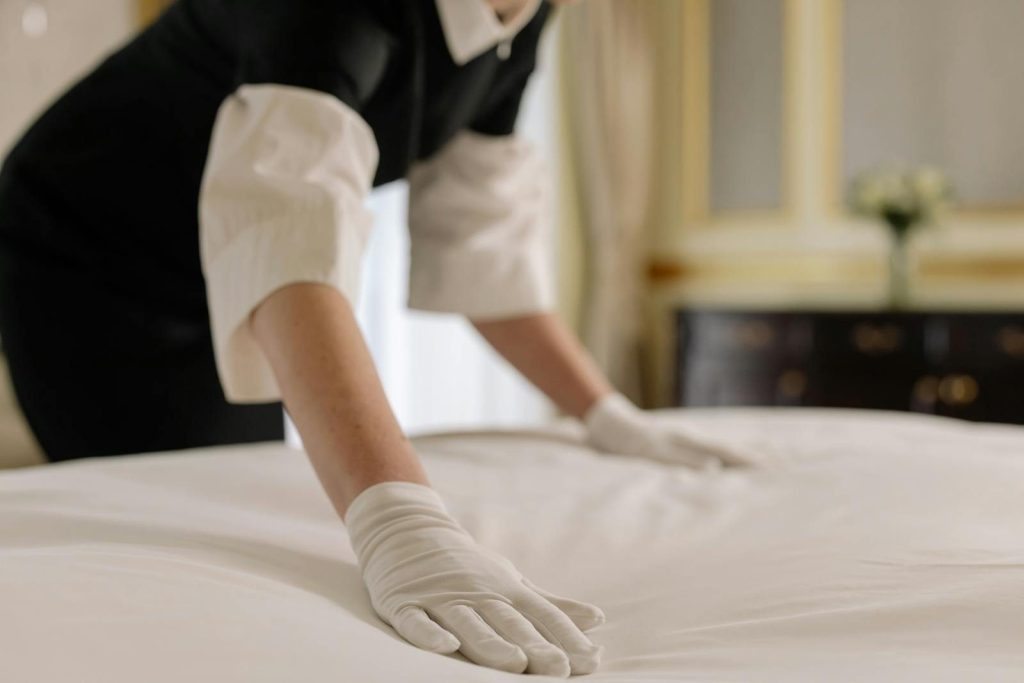
Standard checkout times are set at a time that benefits hotel operations scheduling, not guest convenience. Late checkout — up to several hours past standard — is often available simply by asking, especially if you have any loyalty status, the hotel is not sold out, or you ask the right person at the front desk. The worst they can say is no.
Room Upgrades Are Available If You Ask at the Right Time
Showing up at check-in and politely asking if any upgrades are available — especially if you are celebrating something, arriving late in the day when they know what inventory is left, or have any loyalty status — produces upgrades far more often than the hotel would prefer guests to know. Asking costs nothing.
The Hotel’s Restaurant and Bar Are Almost Always Overpriced
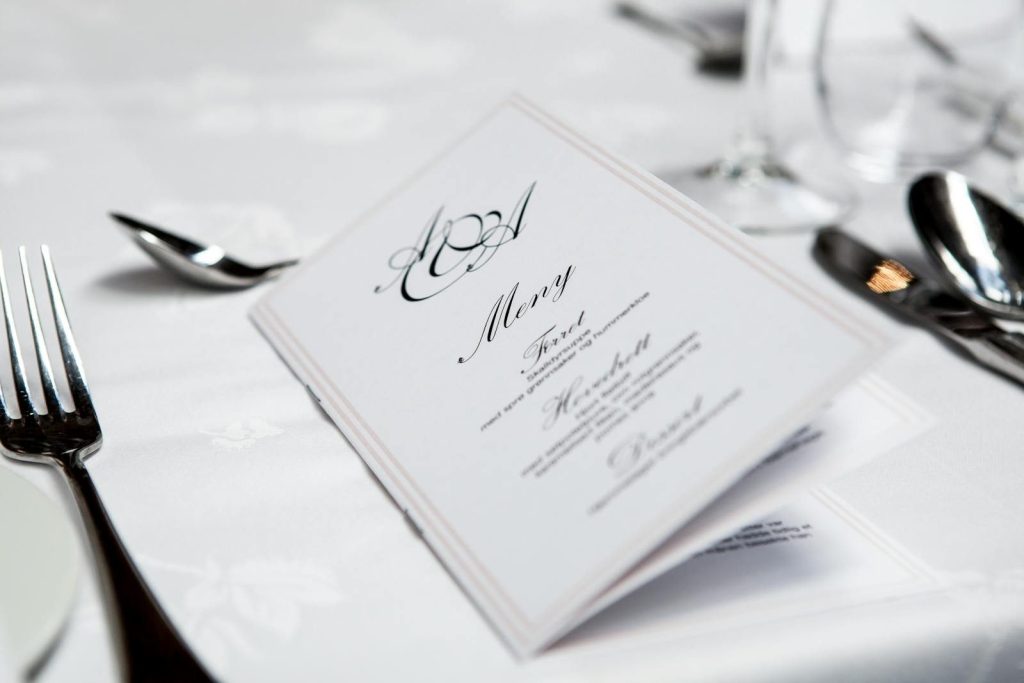
Hotel food and beverage operations are profit centers designed to capture spending from guests who are too tired or too comfortable to leave the building. The prices are consistently higher than comparable quality restaurants within walking distance. The convenience premium is real and sometimes worth it. Just know what you are paying for.
The Room at the End of the Hall Is Often the Quietest
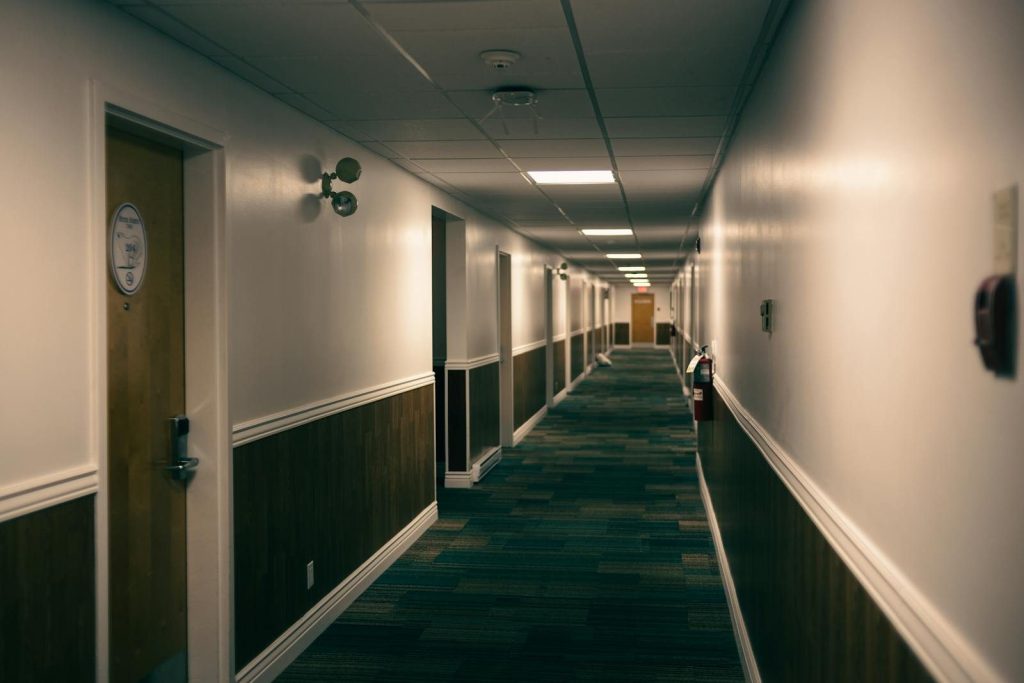
Hotel rooms near elevators, ice machines, and stairwells are consistently noisier than rooms at the end of hallways. Rooms above the pool, gym, or kitchen can have noise and smell issues. Rooms on lower floors near the entrance have street noise and security concerns. Asking for a high floor, end of corridor room at check-in costs nothing and frequently produces a meaningfully better experience.
Third-Party Booking Sites Create Problems When Things Go Wrong
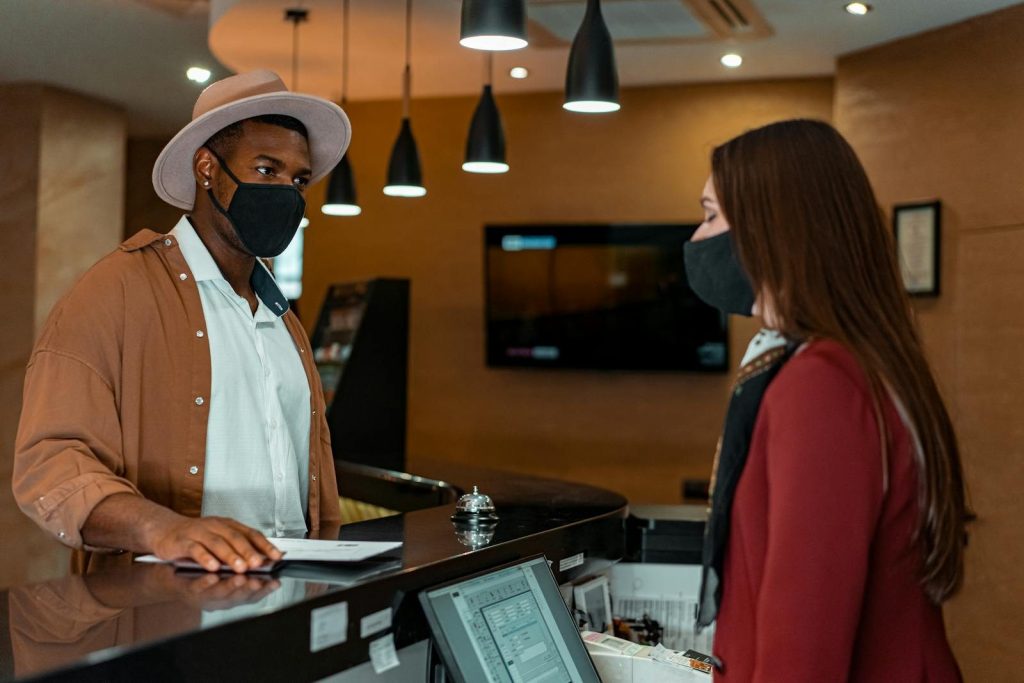
Booking through a third-party site often means that when there is a problem — overbooking, billing error, room quality issue — the hotel treats direct guests as higher priority and the third party booking becomes a complication rather than a protection. For any hotel stay where quality matters, booking directly with the hotel gives you more leverage when things go wrong.
The Pool Is Almost Never Open When You Need It
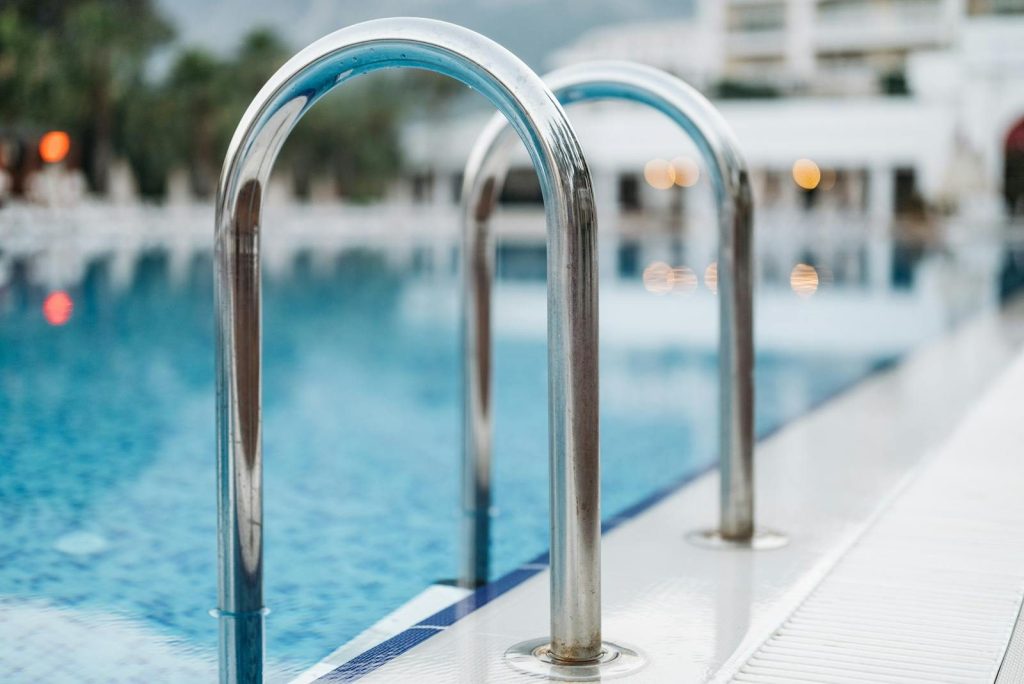
Hotel pools have operational hours, seasonal restrictions, maintenance schedules, and reservation requirements that the booking website photographs never suggest. Always check pool hours and policies before booking if the pool is part of why you chose the property.
Book smart. Read the fine print. And always ask for the upgrade.