
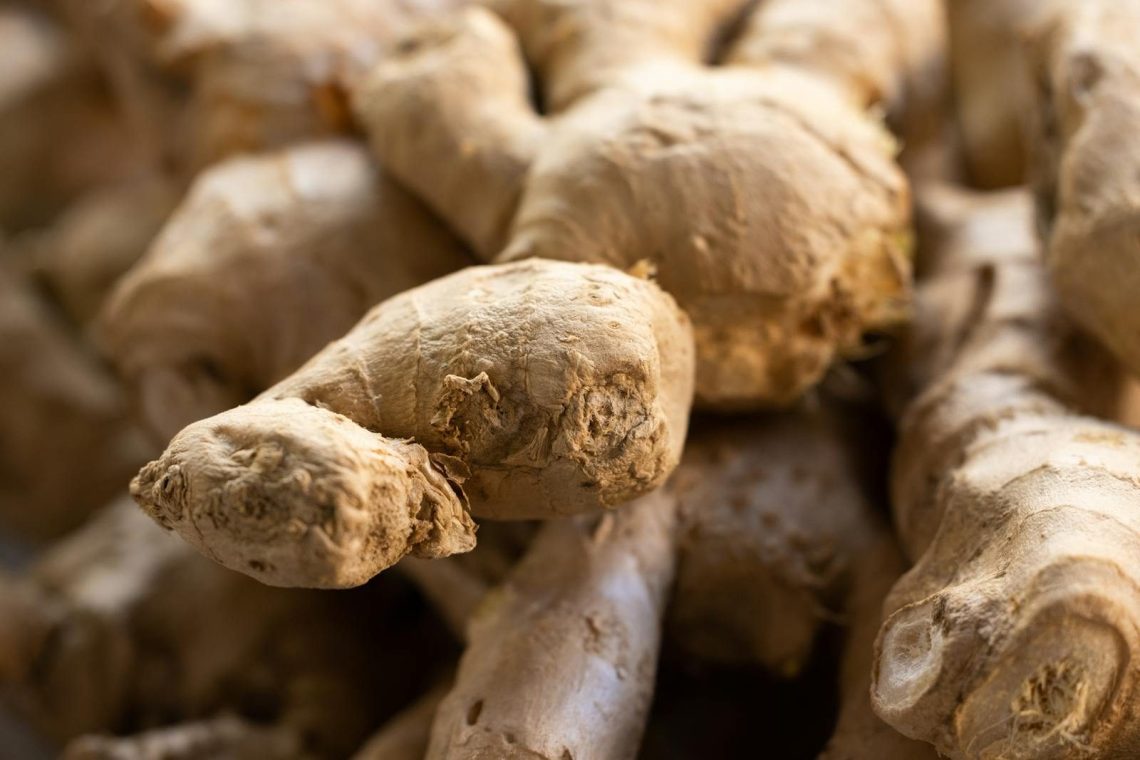
Ginger is a flowering plant with centuries of use across the world, valued both in kitchens and in traditional healing practices. Though its origins trace back to Southeast Asia, it has since spread to virtually every corner of the globe. Today, ginger appears in an impressive range of foods and drinks — from bold, spicy curries and stir-fries to desserts, teas, and beverages. While most people recognize it by its sharp, mildly spicy taste, it is actually the underground stem, commonly referred to as the root, that gives ginger its remarkable versatility.
Throughout history, ginger has held a respected place in holistic healing systems such as Ayurveda and Chinese herbalism. For generations, people have turned to it to support healthy digestion and address issues like bloating, gas, and indigestion. It is also widely used as a natural remedy for nausea, whether triggered by motion sickness or general stomach discomfort. These calming properties have made it a staple ingredient in teas and tonics aimed at settling the stomach and maintaining digestive wellness.
Beyond digestion, ginger is also prized for its anti-inflammatory qualities. Certain naturally occurring compounds in ginger have been studied for their potential to help reduce inflammation, though dietary use should not replace medical treatment. This makes it a popular option for managing minor discomforts like muscle soreness and joint pain. For this reason, people incorporate it into their routines in many different ways — fresh slices, ground powder, capsules, or infused drinks.
Part of what has kept ginger so enduringly popular is how easy it is to work into everyday life. It fits naturally into a wide variety of meals and can be brewed into tea, blended into smoothies, or stirred into soups and sauces. This combination of accessibility and genuine health benefits has helped ginger maintain its relevance across generations.
That said, ginger is not the right choice for everyone.
1. People with Heart Conditions
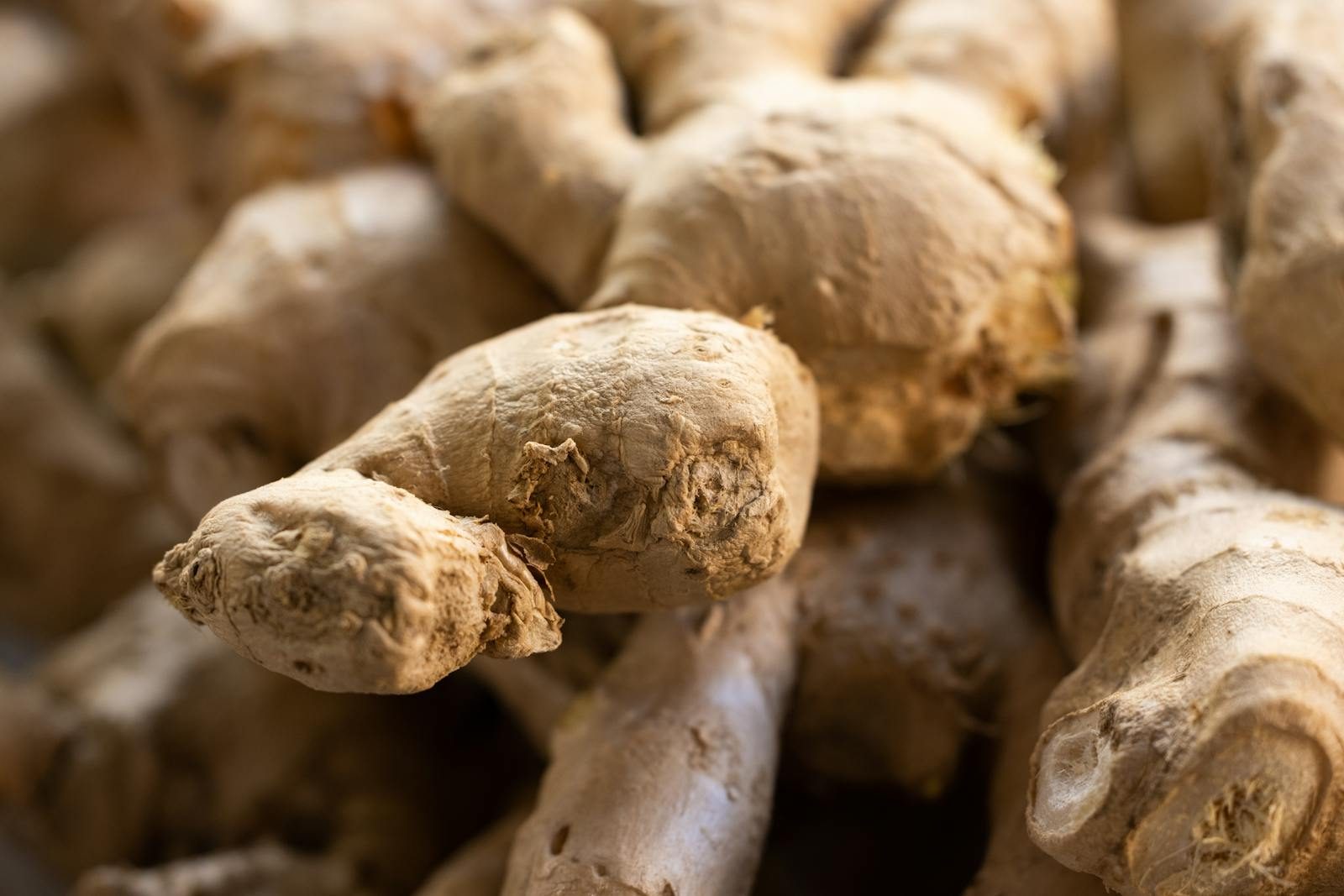
Ginger offers a range of potential cardiovascular benefits, including supporting healthy blood pressure, encouraging better circulation, and helping maintain balanced cholesterol levels. These effects can contribute to a reduced risk of heart-related issues and inflammatory conditions, which is why ginger often features in heart-conscious diets. Some of its natural compounds are also thought to support healthy vessel function and reduce oxidative stress in the body.
However, it does carry certain risks for some individuals.
Ginger can interact with medications such as blood thinners and antiplatelet drugs, potentially increasing the risk of bleeding. In some cases, particularly among those sensitive to its active compounds, it may also contribute to irregular heartbeats. While enjoying ginger in everyday food or tea is generally considered safe for most people, those with existing heart conditions or who are on related medications should speak with a healthcare professional before making it a regular part of their routine, particularly in supplement form or at higher doses.
2. People with Gallstones

One of the ways ginger supports digestion is by stimulating bile production, which plays a key role in breaking down fats. While this is beneficial for many people, it can be problematic for those dealing with gallstones or other gallbladder-related conditions. The increased production of bile can put additional strain on an already compromised gallbladder, potentially leading to discomfort.
If the gallbladder is unable to properly release bile — due to blockages or inflammation — this extra stimulation can result in pain, cramping, or other unpleasant sensations during or after meals. People managing gallbladder disease should approach ginger with care and ideally check with a doctor before taking supplements or regularly consuming it in large amounts.
3. People with Diabetes

One of ginger’s notable effects is its potential to influence blood sugar levels. For people with diabetes, this can be a positive outcome, as ginger may help improve glucose tolerance and support insulin sensitivity. However, it can become a concern for those already taking prescription medications designed to reduce blood sugar.
When ginger is combined with blood-sugar-lowering drugs, the result can be hypoglycemia — a drop in blood sugar that may cause dizziness, lightheadedness, nausea, fatigue, or even fainting. Rahaf Al Bochi, RD, a spokesperson for the Academy of Nutrition and Dietetics, has noted that ginger can affect insulin levels, and that pairing ginger supplements with diabetes medication may lead to low blood sugar. Those on blood-sugar-regulating drugs, or on medications like warfarin, antiplatelet drugs, or blood pressure treatments, should seek medical advice before using ginger consistently.
4. Anyone Experiencing Severe Side Effects
Like any food or supplement, ginger can cause adverse reactions in certain individuals.

— such as hives, skin rashes, or breathing difficulties — may occur in those with a sensitivity to it. Overconsumption can also lead to digestive issues, including nausea, vomiting, diarrhea, or stomach pain. Some people may notice mouth or throat irritation after eating fresh ginger, while others might experience heartburn.
These reactions are uncommon for most people, but they can occur — particularly in individuals who are managing underlying health conditions or taking medications that interact with ginger’s compounds. If any severe side effects are experienced after consuming ginger, it is best to stop using it right away and consult a medical professional promptly.
5. Possibly During Pregnancy

Pregnancy brings its own unique set of considerations, and ginger is no exception. The guidance around its use during this time is nuanced, as effects can depend heavily on the amount consumed and the individual’s overall health. In small doses, ginger is widely regarded as a safe and natural way to manage morning sickness, particularly in the first trimester. Many pregnant women incorporate it into their diets through ginger tea, cooking, or small amounts of freshly grated root, and this moderate use is generally considered acceptable.
The concern arises with larger quantities or concentrated supplement forms. High doses of ginger may increase the risk of bleeding, which becomes a more significant issue in the later stages of pregnancy, particularly close to delivery. Women who have a history of miscarriage, bleeding complications, or those classified as high-risk pregnancies may want to be especially cautious. For these individuals, limiting ginger to moderate dietary use — rather than supplements — is advisable.
Pregnant women should always consult their healthcare provider before using ginger regularly or in significant amounts to ensure it is appropriate for their individual circumstances.
Disclaimer: This content is intended for informational purposes only and should not be treated as a substitute for professional medical advice, diagnosis, or treatment. Always consult your physician or qualified healthcare provider with any questions regarding your health or medications.