The world map often shows us borders, oceans, and famous destinations that millions of people travel to every year. Cities like Paris, Dubai, and New York dominate travel conversations, and iconic landmarks are photographed endlessly. Yet beyond the spotlight of popular tourism lies a quieter and far more mysterious side of our planet. Hidden within remote islands, silent deserts, ancient caves, and towering mountains are places that feel almost unreal, as if they belong to another version of Earth that few people ever see. These landscapes are not just beautiful; they feel like secrets written into the geography of the planet itself.
1. Socotra
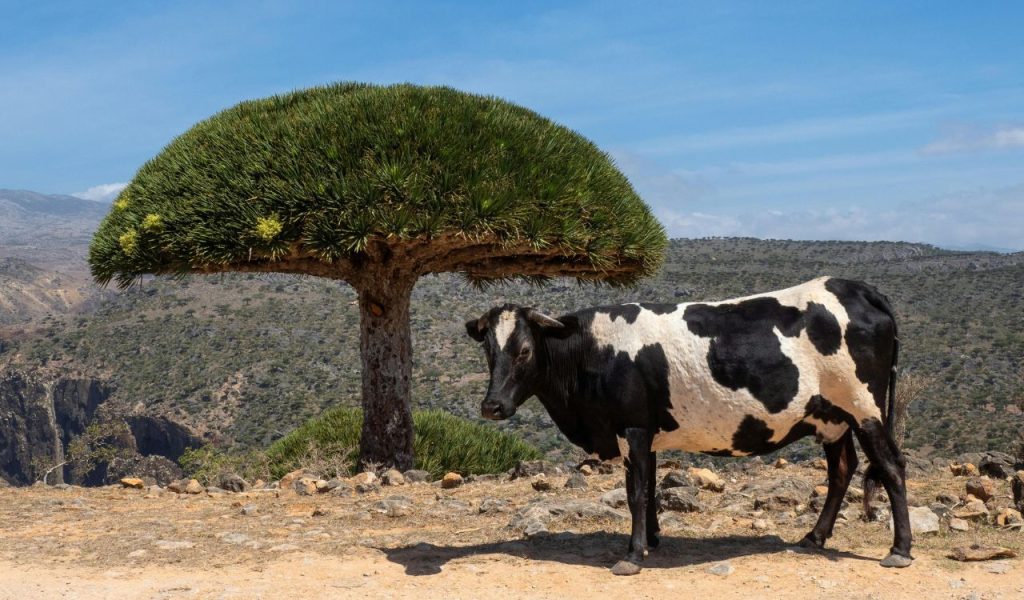
Far out in the Arabian Sea lies an island that looks so unusual it often feels like it belongs to another planet. Socotra is one of the most isolated landforms on Earth, and that isolation has allowed its ecosystem to evolve in ways rarely seen anywhere else. Scientists estimate that nearly one-third of the plant species found here do not exist anywhere else in the world. The most famous of these plants is the Dragon Blood Tree, which spreads its thick branches into a wide umbrella-like shape. When seen across the island’s rocky plateaus, these trees create a landscape that resembles something from a science fiction film rather than a real place on Earth.
2. Uyuni
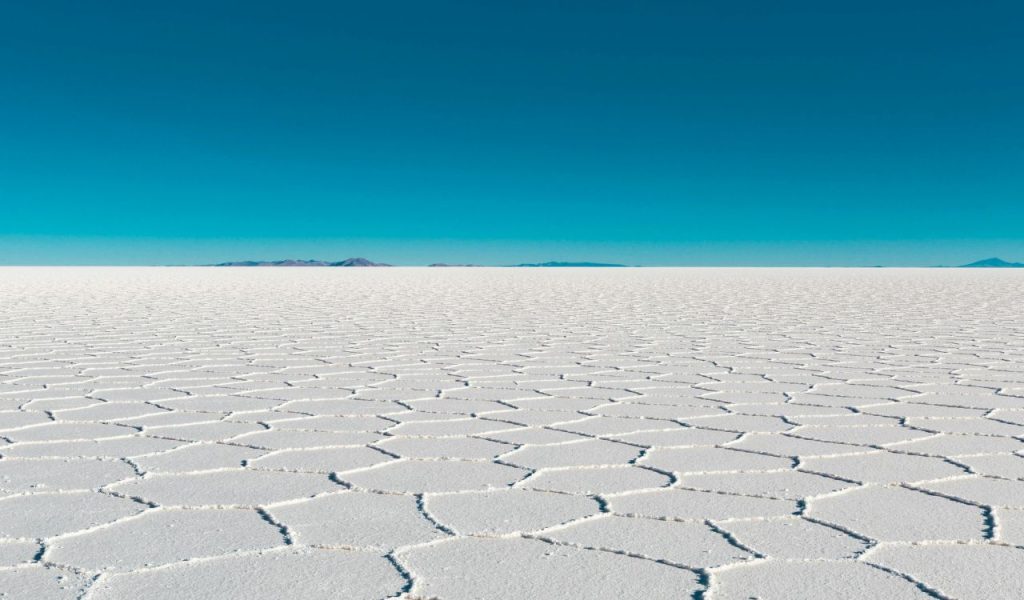
In the high plains of Bolivia lies a landscape so vast and surreal that it often confuses the senses. Salar de Uyuni, the largest salt flat on Earth, stretches across thousands of square kilometers, creating a white horizon that appears to extend endlessly in every direction. During the dry season, the surface forms an enormous geometric pattern of salt crystals, giving the land a texture that resembles cracked porcelain. Standing in the middle of the salt flat creates a strange sense of scale because there are almost no landmarks to measure distance against, making the landscape feel infinite. However, the most magical transformation occurs during the rainy season.
3. Zhangjiajie
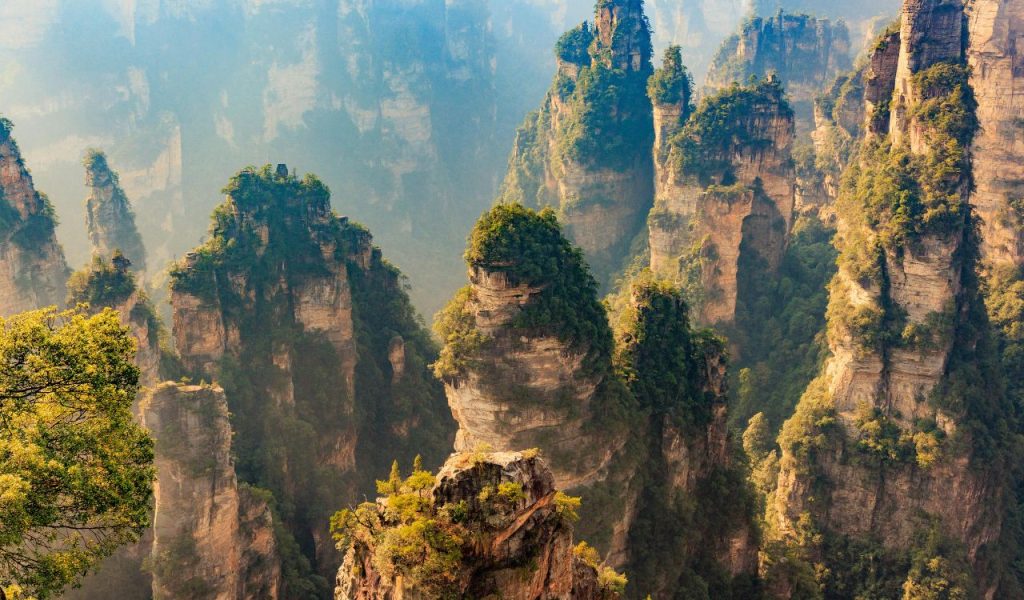
Deep within the mountains of China lies a landscape that looks almost mythical. Zhangjiajie National Forest Park is famous for its enormous sandstone pillars that rise dramatically from the forest floor, forming thousands of vertical towers scattered across the region. These pillars were formed through millions of years of erosion, gradually sculpted by wind, water, and shifting geological forces. When mist and clouds drift through the valleys, the pillars appear to float in the air, creating a scene that feels more like fantasy than geography.
4. Hillier
On a remote island off the coast of Western Australia lies a lake that challenges what most people believe about nature. Lake Hillier is famous for its bright pink water, a color so vivid that it almost appears artificial. From above, the lake contrasts dramatically with the surrounding deep blue ocean and the green forests nearby, creating one of the most unusual color combinations found in nature. Scientists believe that the pink color comes from a combination of salt-loving microorganisms and algae that produce pigments within the highly saline water. Despite its unusual color, the lake itself is completely natural and has maintained its vibrant appearance for decades.
5. Pamukkale
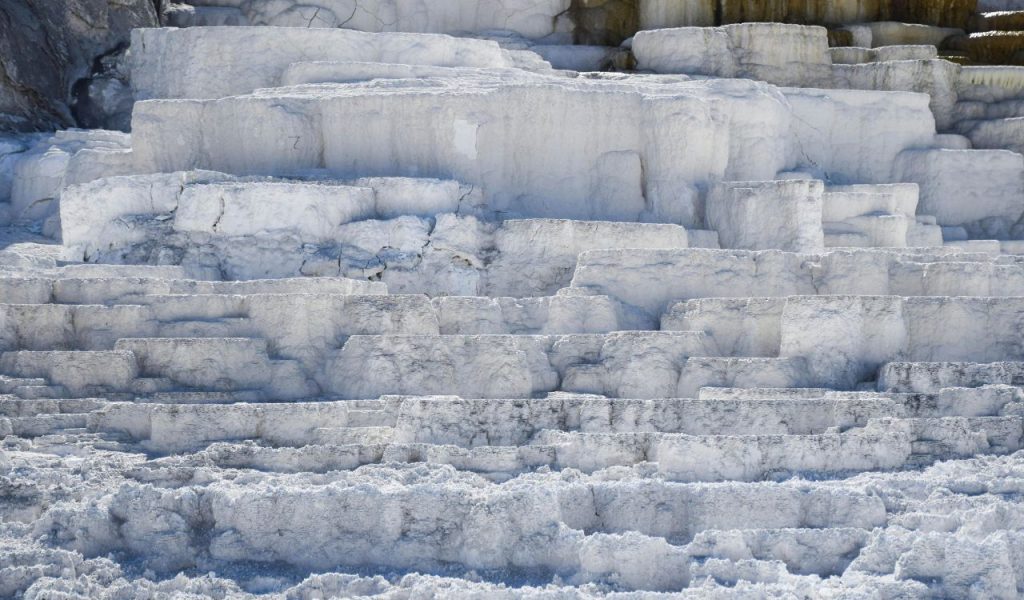
In southwestern Turkey lies a hillside that appears to be covered in snow even during the warmest seasons of the year. Pamukkale, which translates to “Cotton Castle,” is a natural formation created by mineral-rich thermal waters flowing down the slope over thousands of years. As the water travels across the landscape, it leaves behind white calcium deposits that gradually build into terraces resembling frozen waterfalls. These terraces form shallow pools filled with warm turquoise water, creating a breathtaking contrast between bright white stone and shimmering blue pools.
6. Faroes
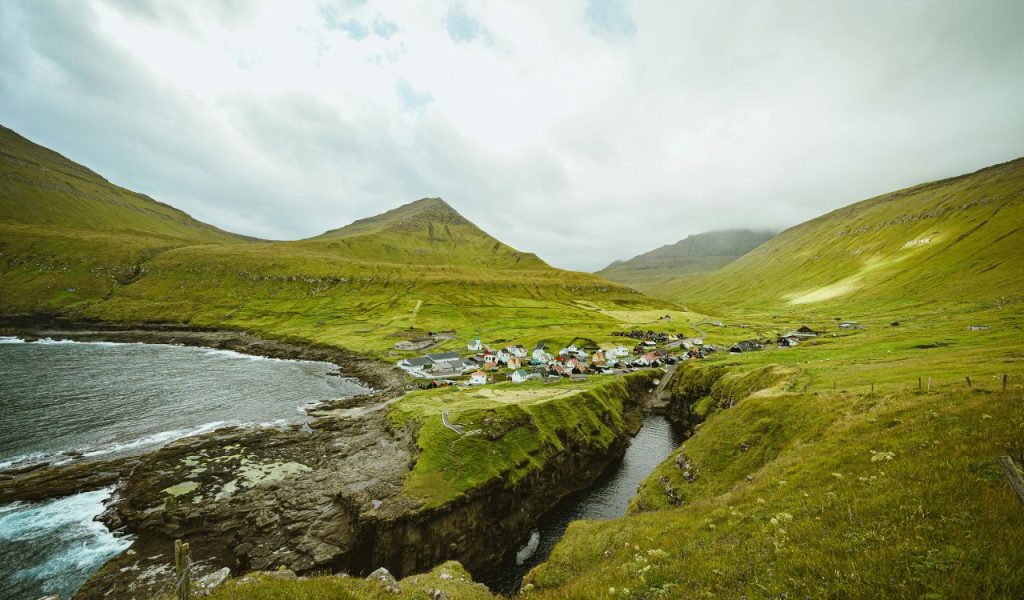
In the North Atlantic Ocean lies a collection of islands that seem to exist between myth and reality. The Faroe Islands are known for their dramatic cliffs, rolling green hills, and constant ocean winds that shape the landscape in extraordinary ways. Small villages with colorful houses sit quietly between towering mountains, while waterfalls tumble down steep cliffs directly into the sea. The islands often appear wrapped in mist, giving them an atmosphere that feels mysterious and timeless. The isolation of the Faroe Islands has preserved their natural beauty and traditional way of life.
7. Antelope
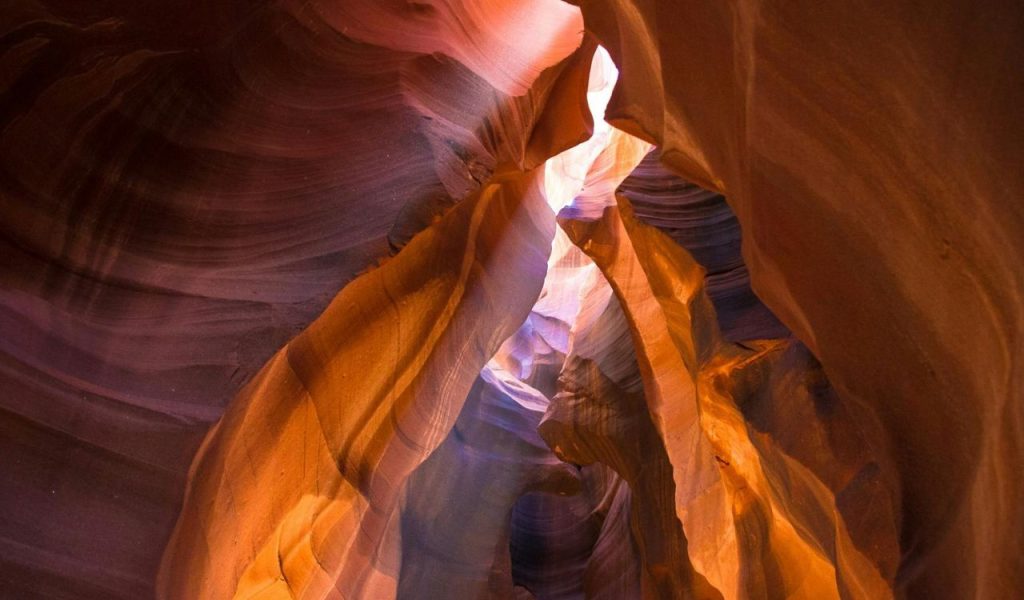
Hidden within the desert landscapes of Arizona lies a narrow canyon carved by centuries of flash floods and erosion. Antelope Canyon is famous for its flowing sandstone walls that twist and curve like waves frozen in stone. The canyon was formed as water gradually cut through the rock, smoothing its surfaces and creating elegant shapes that appear almost sculpted by hand. Walking through the narrow passages feels like entering a natural gallery of abstract art created entirely by geological forces. One of the most magical features of Antelope Canyon occurs when sunlight passes through the narrow openings above.
8. Huacachina
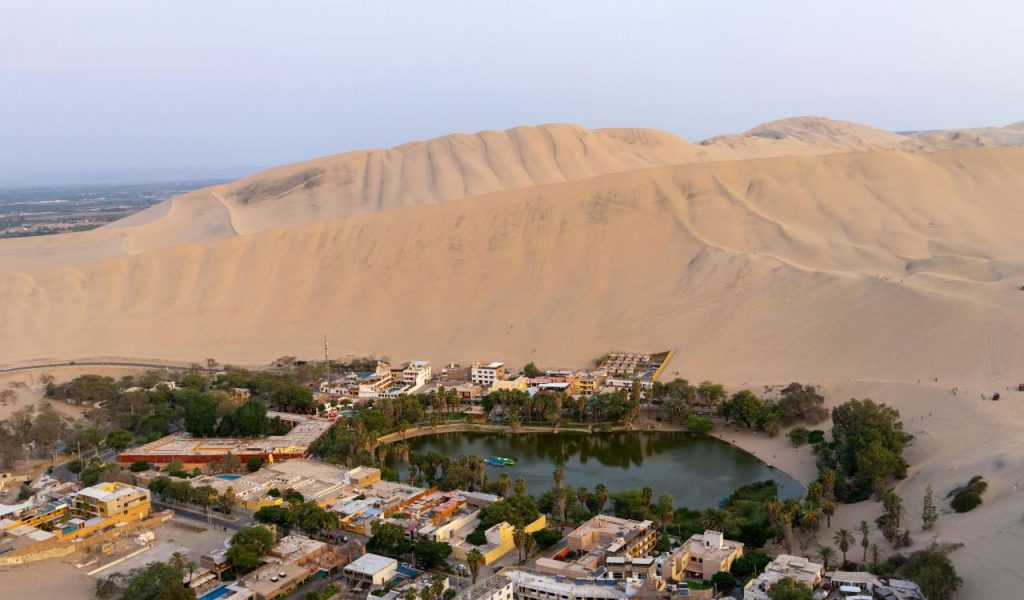
In the vast deserts of Peru lies a small oasis that seems almost impossible. Huacachina is a tiny village built around a natural lagoon surrounded by enormous sand dunes that stretch across the horizon. From a distance, the oasis appears like a mirage rising from the desert floor, with palm trees and water providing a striking contrast against the endless golden sand. Despite its small size, Huacachina has become one of the most fascinating desert landscapes in the world. The dunes surrounding the oasis are some of the tallest in South America, forming massive waves of sand shaped by wind over thousands of years.
9. Waitomo
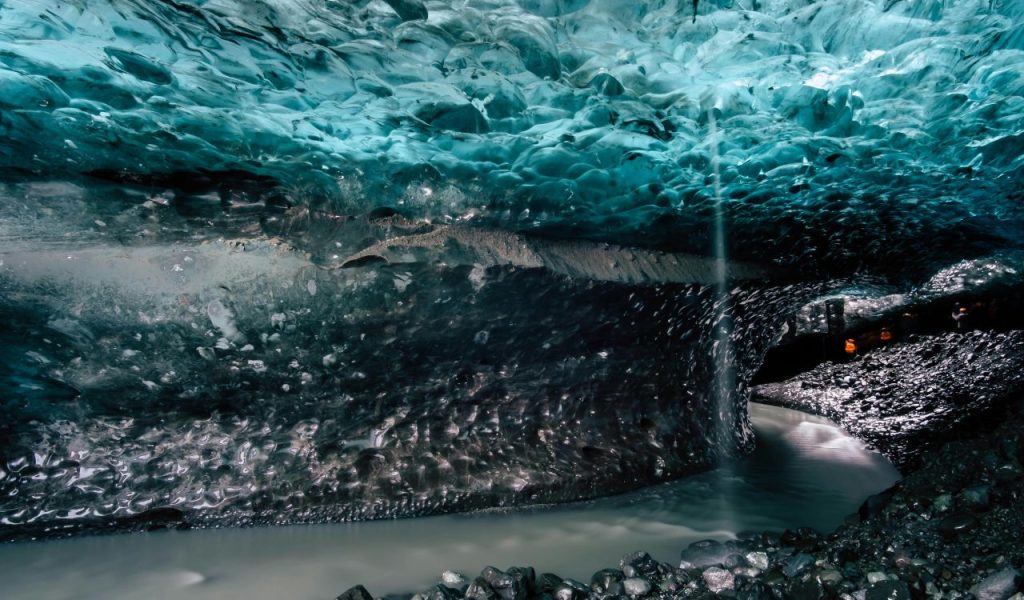
Beneath the rolling hills of New Zealand lies a cave system that transforms darkness into something magical. The Waitomo Glowworm Caves are famous for the thousands of tiny bioluminescent insects that inhabit their ceilings. These glowworms produce a soft blue light that fills the caves with a shimmering glow resembling a star-filled night sky. When visitors enter the cave chambers and look upward, the sight is so mesmerizing that it feels like drifting through a galaxy hidden beneath the earth. The caves themselves were formed through the slow movement of underground water, carving pathways through limestone rock.