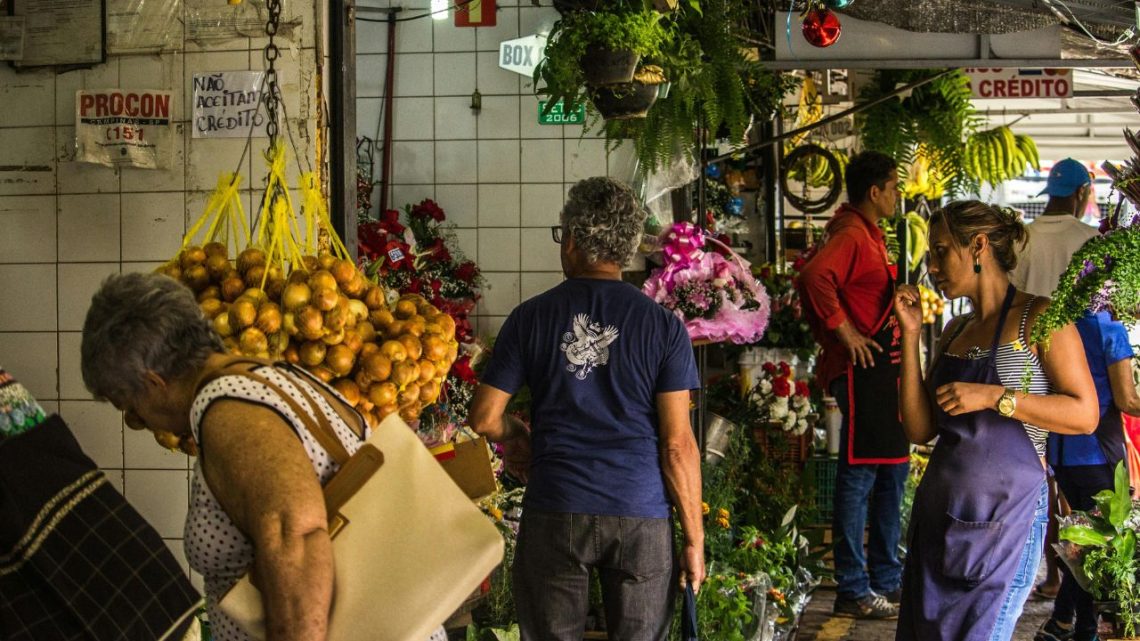
Stepping into a market is like flipping open the most revealing chapter of a city’s story, one written not by historians but by the hands of everyday life. Markets breathe, they pulse with the energy of people buying, selling, arguing, laughing, cooking, tasting, and creating. Unlike museums or monuments, which display curated narratives, markets offer spontaneous truth. They show how a city wakes up, what it cooks for comfort, how its communities mingle, and what its people prioritize in their daily rhythms. Every sound, smell, and interaction becomes a clue: the cadence of vendor calls, the pride in locally produced goods.
1. Tsukiji
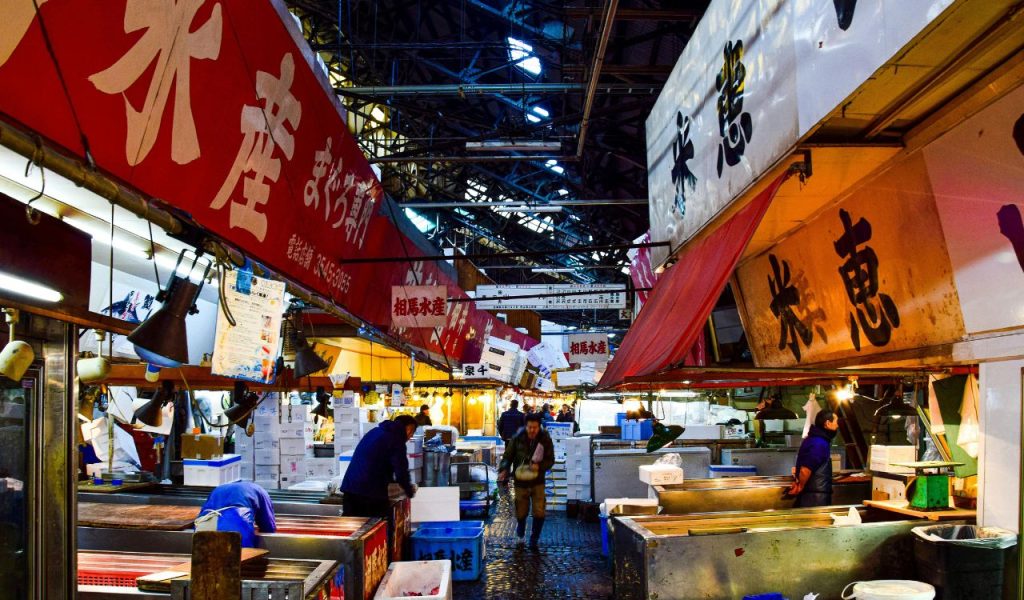
Visiting the Tsukiji Outer Market is like entering a precise, disciplined universe that nevertheless feels warm and deeply human. The market’s narrow walkways carry the legacy of Tokyo’s historic seafood trade, and while the wholesale fish auctions moved elsewhere, the spirit of craftsmanship remains embedded in every stall. You see decades of dedication in the way chefs examine fresh tuna, in the careful sharpening of knives, and in the effortless way vendors arrange produce with artistic symmetry. You hear the hum of Japanese efficiency, yet you also feel a gentle sense of tradition that refuses to rush.
2. Bazaar
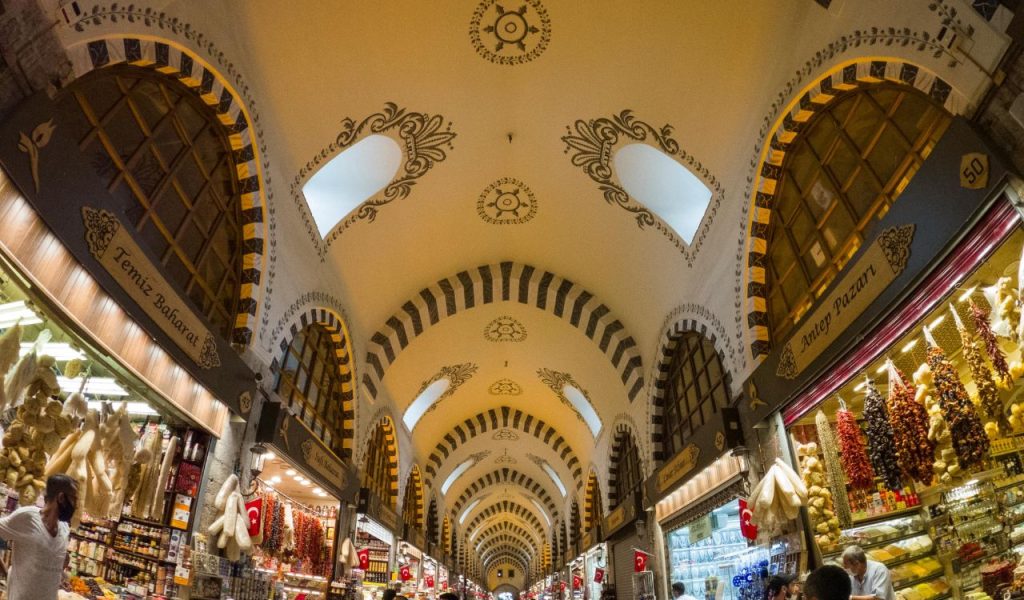
Stepping into the Grand Bazaar immerses you in a vast tapestry woven from centuries of commerce, empire, and cultural mingling. The vaulted ceilings create an atmosphere that feels almost sacred, echoing with the footsteps of traders who once journeyed across continents to exchange goods and ideas. Today, the bazaar is still a crossroads where the aromas of spices, the shimmer of lanterns, and the intricacy of textiles reveal Istanbul’s ability to blend past and present with remarkable ease. Every shopkeeper’s greeting, every negotiation, every handcrafted item tells a story of a city shaped by diversity and exchange.
3. Boqueria
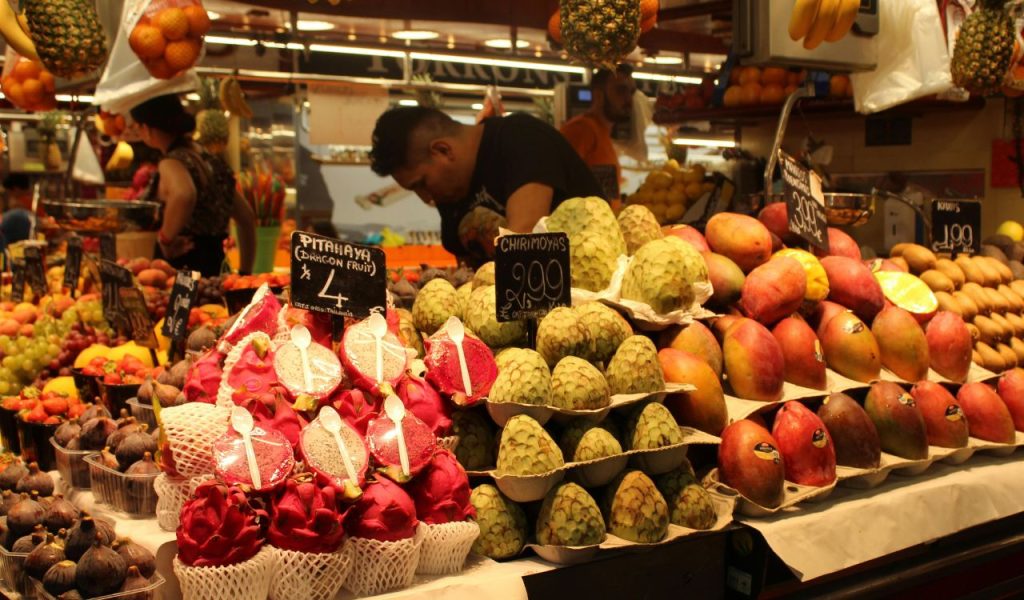
The beating culinary heart of Barcelona, La Boqueria, offers a vivid window into the city’s creative and social identity. Rows of vibrant produce, gleaming seafood, and expertly sliced Iberian ham reflect Catalonia’s deep respect for fresh, high-quality ingredients. But what truly defines the experience is the atmosphere: chefs chatting animatedly over counters, locals stopping for tapas between errands, and visitors drawn in by the irresistible energy that fills every corner. The market embodies Barcelona’s artistic spirit, bold, expressive, and unapologetically colorful. You sense the city’s love for celebration in the way people gather around small bars to share food, laughter, and conversation.
4. Pike
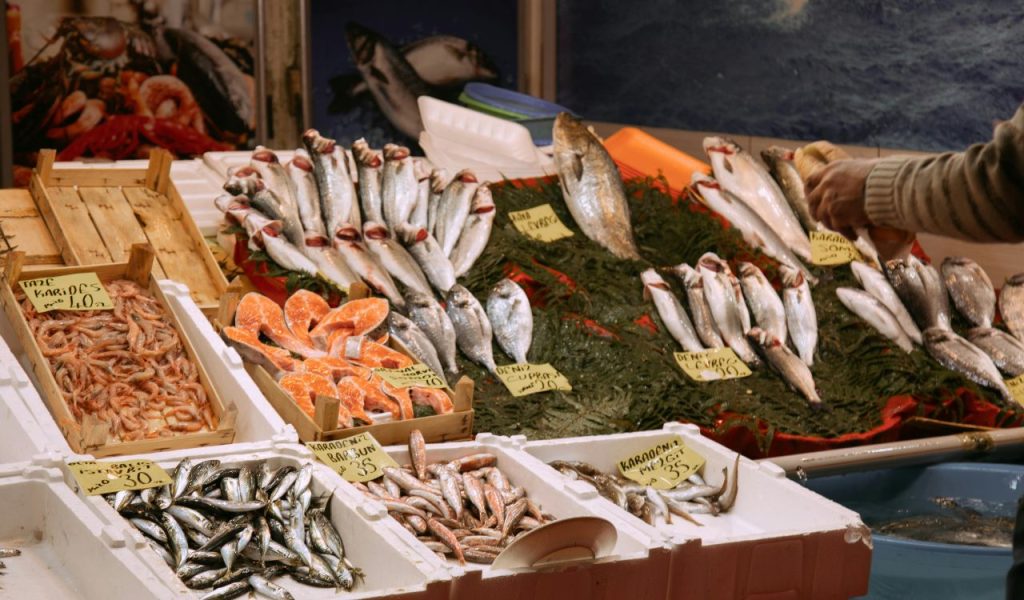
Seattle reveals its authentic character through the lively flow of Pike Place Market, a place where creativity, community, and Pacific Northwest heritage come together naturally. The iconic fishmongers energize the space with their lively salmon tosses, but the deeper spirit of Pike Place lies in its commitment to local makers, farmers, and artisans who bring their craft to the forefront. The air hums with a sense of belonging, as if everyone who participates, vendors, musicians, shoppers, travelers, contributes to a larger shared identity. You observe Seattle’s quirky charm in the eclectic items for sale, from handmade soaps to experimental artworks.
5. Djemaa
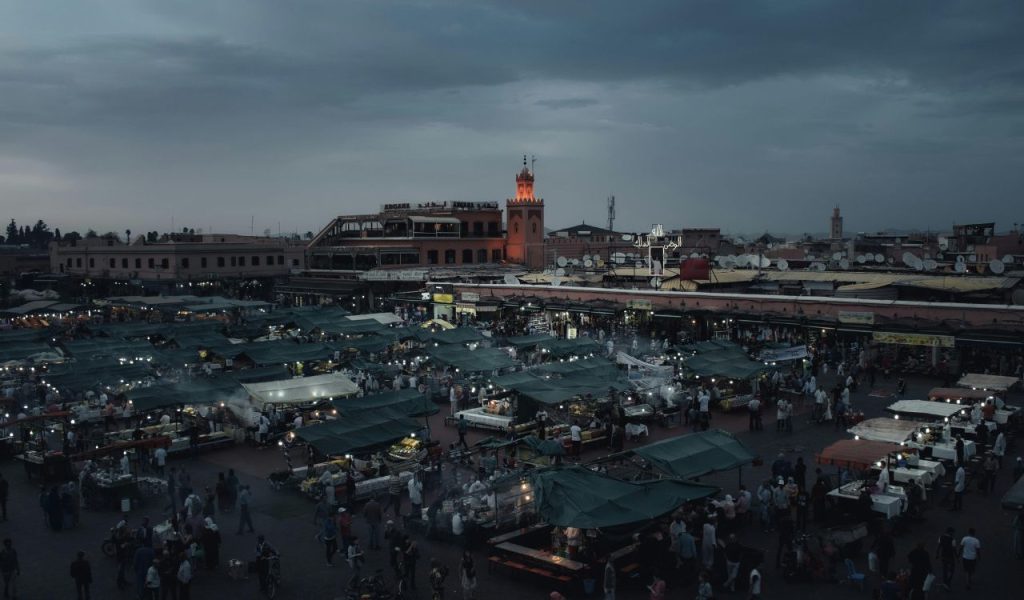
The nighttime transformation of Jemaa el-Fnaa into a bustling open-air carnival captures the heartbeat of Marrakech in its most vivid form. Smoke rises from grills, the scents of cumin and citrus drift through the air, storytellers gather eager listeners, and musicians fill the square with melodies that feel as old as the desert winds. This controlled chaos is not simply entertainment; it is a living embodiment of Morocco’s oral traditions, communal spirit, and vibrant culture. Even without knowing the performers’ languages, you understand the importance of storytelling, music, and food as connective threads in Moroccan life.
6. Chatuchak
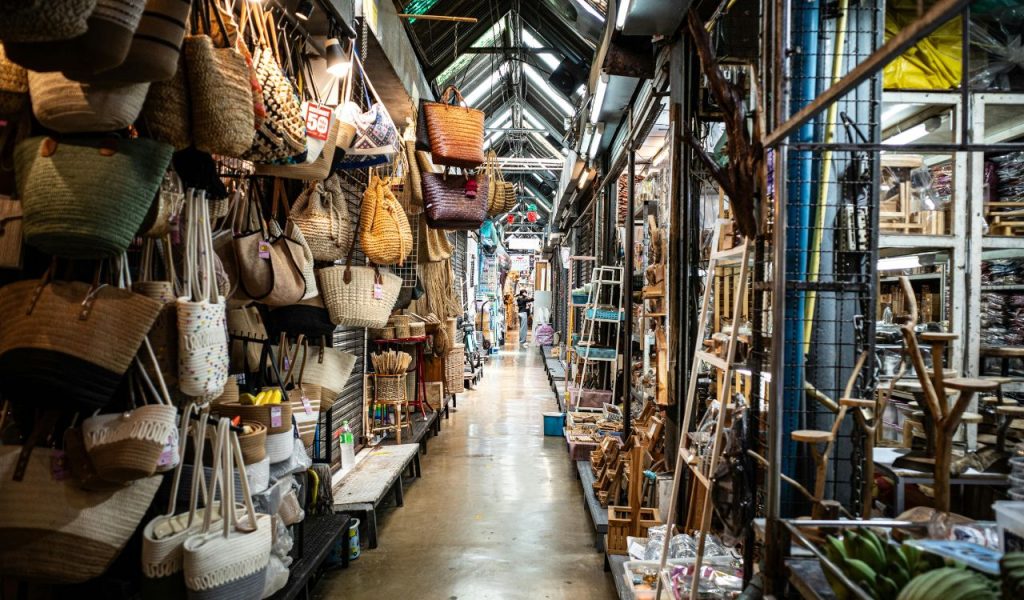
The vast expanse of the Chatuchak Weekend Market reflects Bangkok’s dynamic identity, offering an overwhelming yet exhilarating crash course in its cultural diversity. With thousands of stalls arranged in confusing but captivating alleyways, the market showcases everything imaginable: vintage clothes, handcrafted décor, tropical plants, modern fashion, exotic snacks, and traditional Thai goods. But beyond the variety, it is the energy that teaches you the most, laughter echoing through aisles, the constant flow of bargaining, the aroma of grilled skewers mixing with the sweetness of coconut desserts.
7. Borough
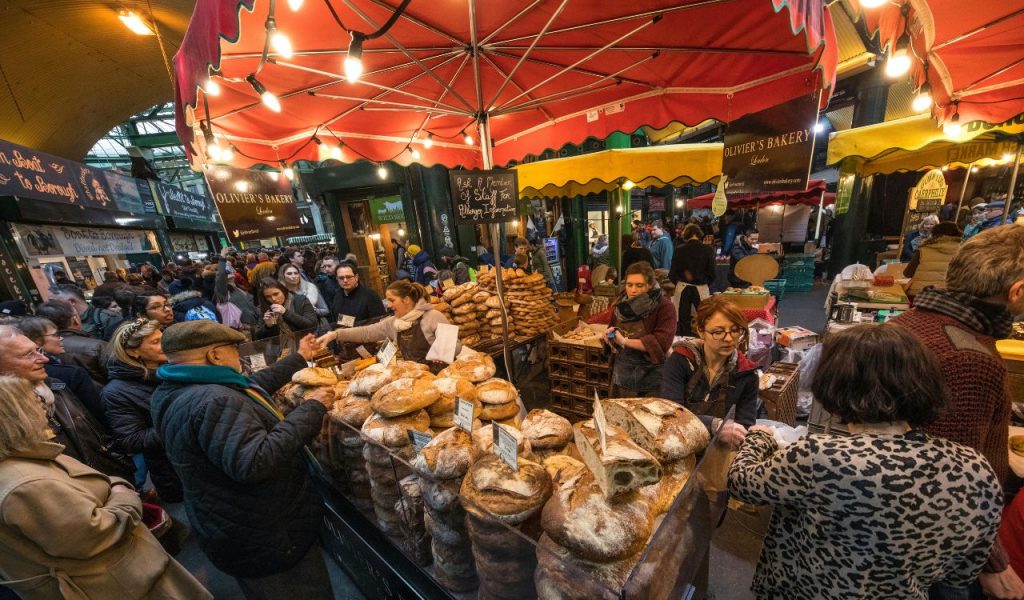
London’s multicultural identity comes alive within Borough Market, where flavors, cultures, and culinary philosophies intersect effortlessly. As you wander through its historic arches, you encounter artisanal cheeses beside Middle Eastern street food, locally farmed vegetables next to pastries inspired by distant traditions. The crowd represents the city itself, diverse, curious, and constantly in dialogue. Borough Market communicates London’s character not through grand statements but through subtle interactions: conversations between farmers and chefs, the blending of global influences with local craftsmanship, the celebration of quality without unnecessary pretension.
8. Merced
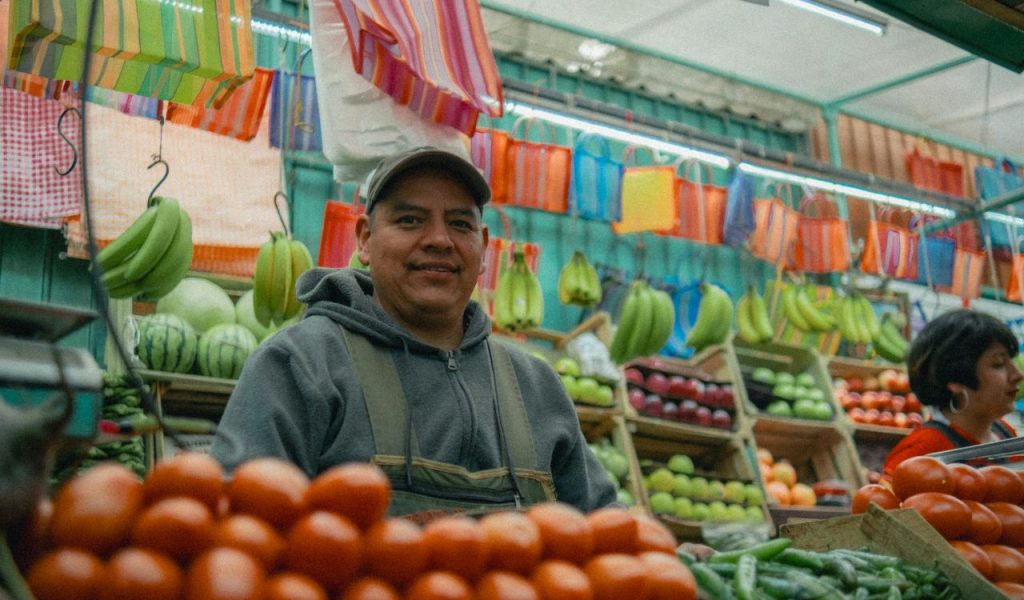
Deep within Mexico City, La Merced Market offers an unfiltered glimpse into the city’s cultural resilience and everyday realities. This sprawling maze of commerce bursts with intensity: chiles piled high in vivid reds and greens, the comforting scent of fresh tortillas, vendors rhythmically announcing prices, and aisles crowded with everything from flowers to folk remedies. La Merced doesn’t present a polished version of the city; it presents the truth. It is loud, fast, dense, and alive in a way that reveals Mexico City’s layered identity shaped by indigenous traditions, colonial legacy, and contemporary urban life.