Many travelers instinctively gravitate toward high-profile global cities that dominate guidebooks and social media feeds, leaving numerous national capitals underappreciated despite their depth, charm, and cultural richness. These lesser-known capitals often carry a quieter beauty, shaped by authentic neighborhoods, centuries-old architecture, dynamic creative scenes, and a sense of identity not overshadowed by hyper-tourism. They offer spaces where travelers can breathe, connect, and encounter traditions that still thrive in daily life. As more people begin seeking destinations that feel personal and meaningful rather than predictable, these capitals stand at the brink of discovery.
1. Ljubljana
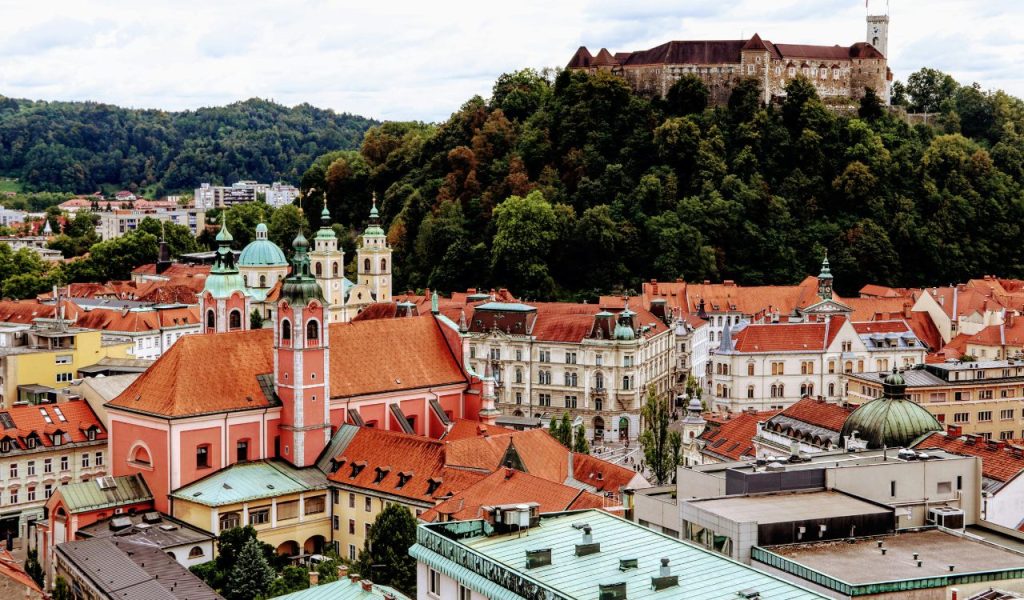
Ljubljana is a capital that captures the heart not through grand spectacle but through an enchanting softness that slowly wraps itself around you. Its riverside pathways, sculpted bridges, and colorful historic buildings create a setting that feels almost dreamlike. Unlike Europe’s more congested capitals, Ljubljana invites unhurried wandering, allowing you to appreciate each hidden courtyard, artisan shop, and charming café without rushing. The hilltop castle, visible from many angles, gives the city a sense of storybook permanence, contrasting beautifully with the city’s youthful artistic spirit.
2. Vilnius
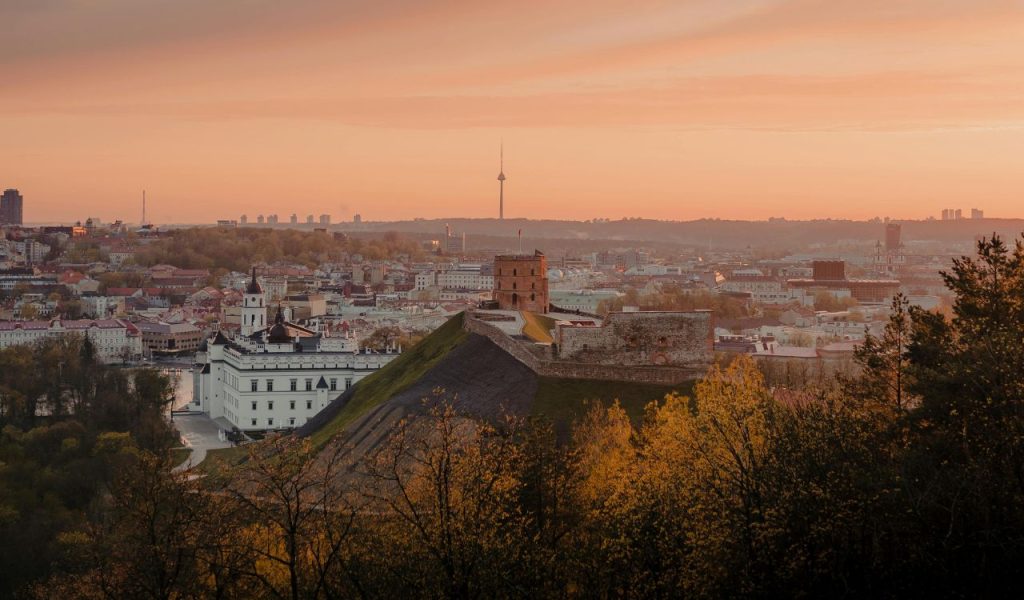
Vilnius stands as a fascinating blend of Baroque majesty, bohemian counterculture, and enduring resilience. It’s Old Town, one of Europe’s largest and most architecturally diverse, that unfolds like a tapestry woven with Gothic spires, Renaissance courtyards, and pastel façades. But Vilnius is far more than its historic center. Districts like Užupis, with its humorous constitution and free-spirited artistic identity, reveal a city that embraces creativity as a way of life. Despite its depth and complexity, Vilnius remains approachable, warm, and delightfully unpretentious. Its cafés are filled with writers, students, and musicians, giving the city an inviting intellectual buzz.
3. Tbilisi
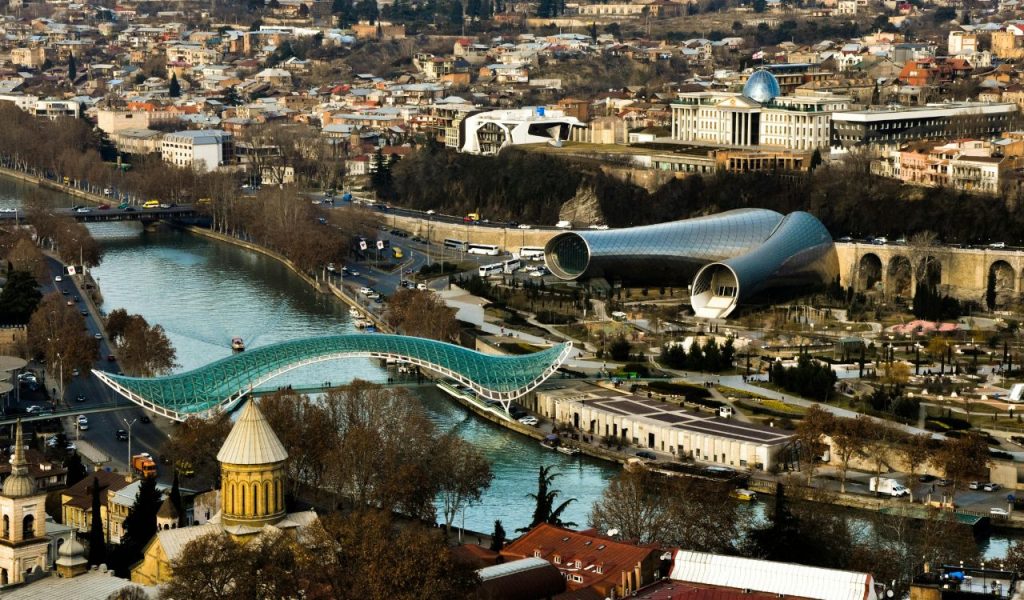
Tbilisi is an enthralling city where centuries of cultural intersections have produced an environment overflowing with character and soul. Its layout feels like a living museum of influences, with Persian courtyards, wooden balconies, Orthodox churches, modern glass structures, and remnants of Soviet-era architecture all coexisting in surprising unity. The city’s famous sulfur baths provide a sensory experience deeply tied to its origins, while the winding streets of the Old Town offer endless discoveries of traditional bakeries, art studios, and family-run restaurants. Georgian hospitality is legendary, and nowhere is it felt more sincerely than in Tbilisi.
4. Montevideo
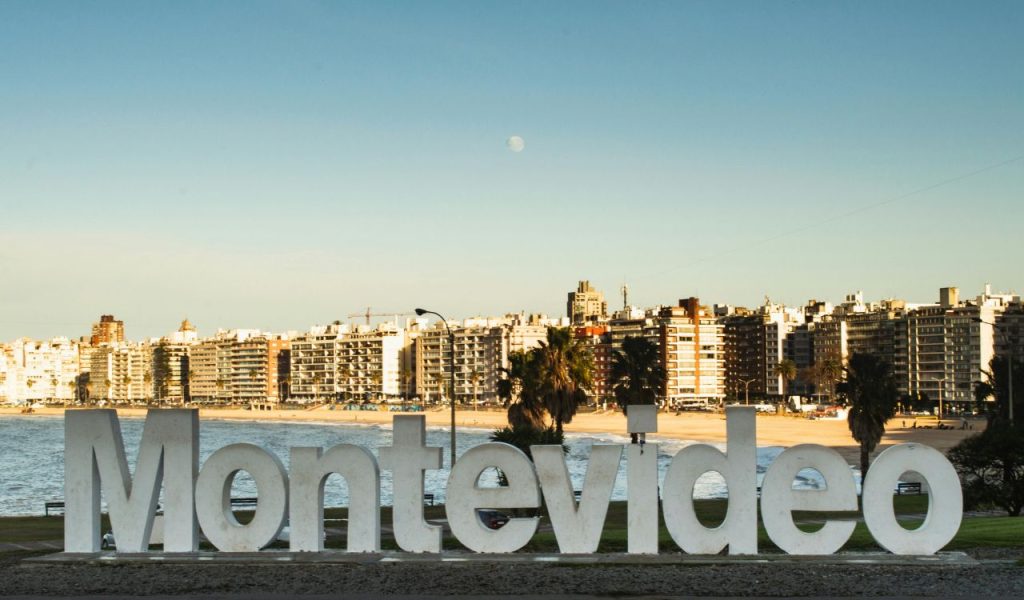
Montevideo embodies a level of calmness and sincerity rarely found in capital cities. Set along a sweeping coastline, Montevideo invites visitors to embrace a slower rhythm, where the waterfront rambla becomes a stage for daily life, friends gathering for mate, families strolling at sunset, and cyclists moving peacefully along the sea. The city’s architectural blend of colonial structures, neoclassical buildings, and Art Deco gems reflects Uruguay’s layered cultural story. The arts flourish here through tango, candombe drumming, theater, and a rising culinary movement that values both heritage and innovation.
5. Bratislava
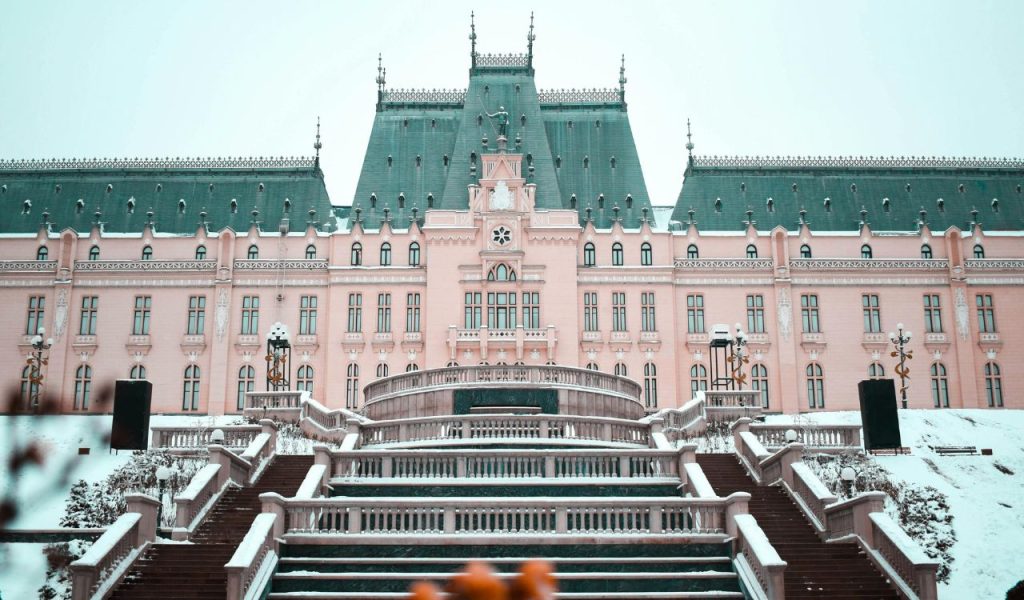
Bratislava radiates an understated charm rooted in intimacy and authenticity. It’s Old Town, compact yet atmospheric, which invites wandering through cobbled alleys lined with pastel buildings, quirky statues, and inviting cafés. Overlooking the city, the iconic castle offers sweeping views across the Danube River, linking Bratislava visually and historically to the heart of Central Europe. Though often bypassed by travelers focused on nearby Vienna or Budapest, the city rewards curiosity with a unique blend of youthful energy and historical depth. Cultural festivals, street performances, and contemporary art spaces reveal a modern vibrancy beneath its classical exterior.
6. Phnom Penh
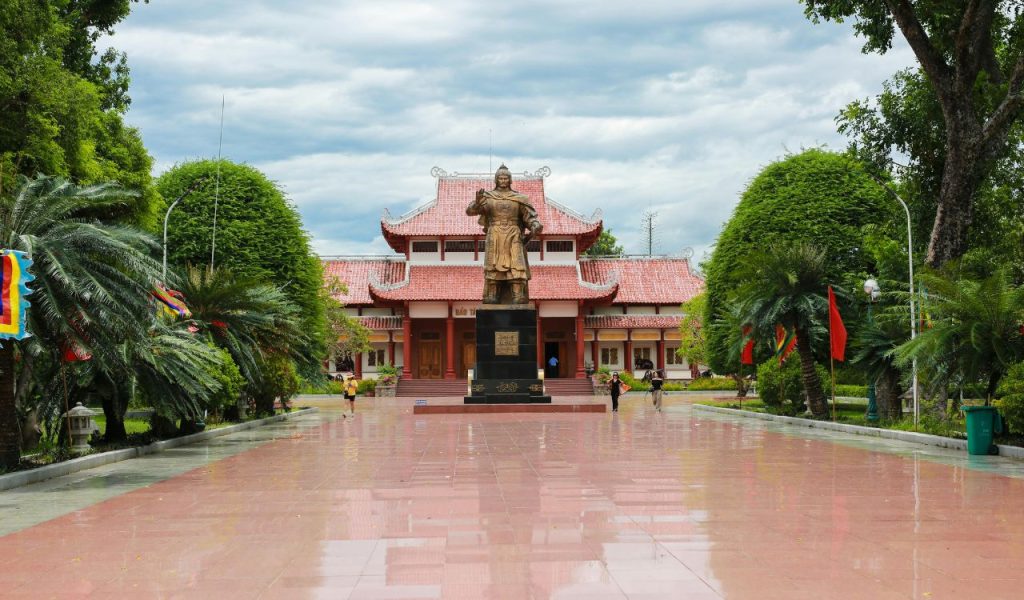
Phnom Penh is a compelling fusion of elegance, resilience, and rapid transformation. Golden palace roofs shimmer under the sun while the heart of the city hums with markets, street vendors, motorbikes, and the river’s timeless presence. Phnom Penh’s history is undeniably heavy, yet the city’s modern spirit radiates hope, youth, and reinvention. Temples, museums, and historic sites reflect Cambodia’s enduring cultural identity, while cafés, boutique shops, and contemporary galleries showcase its evolving creative landscape. The capital’s atmosphere is one of contrasts, sacred silence beside busy streets, tradition interlaced with modern ambition.
7. Amman
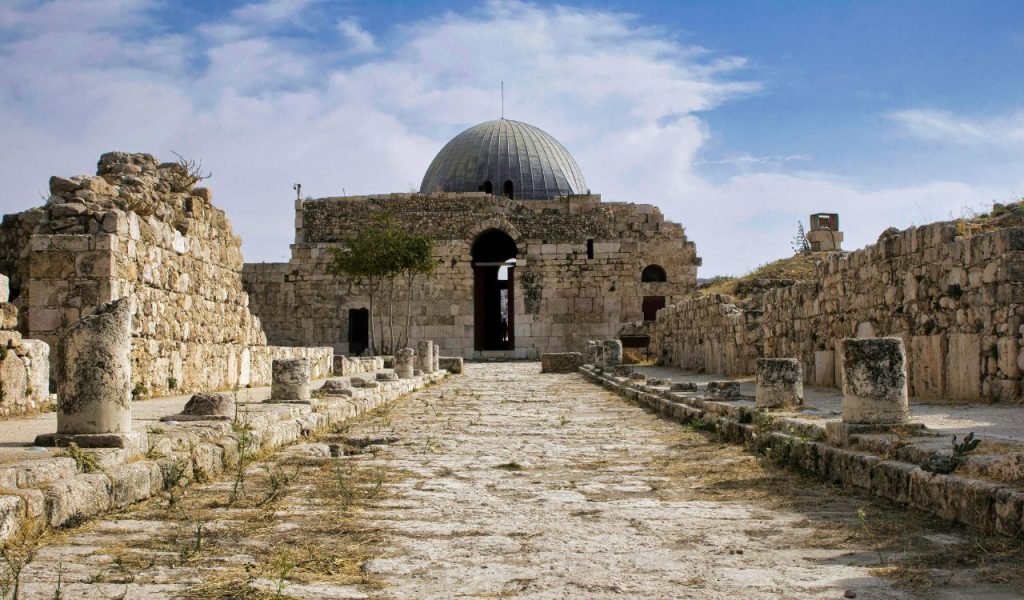
Amman is a city of layers, geographical, cultural, and emotional. Built across dramatic hills, Amman’s cream-colored buildings cascade in every direction, forming a landscape that feels both ancient and alive. Its historical sites, including the Citadel and Roman Theater, reveal powerful stories spanning thousands of years, while its neighborhoods pulse with contemporary creativity, culinary innovation, and social warmth. Many travelers bypass the capital in favor of icons like Petra or Wadi Rum, but doing so means missing a city that beautifully captures the essence of Jordanian hospitality and identity.
8. Windhoek
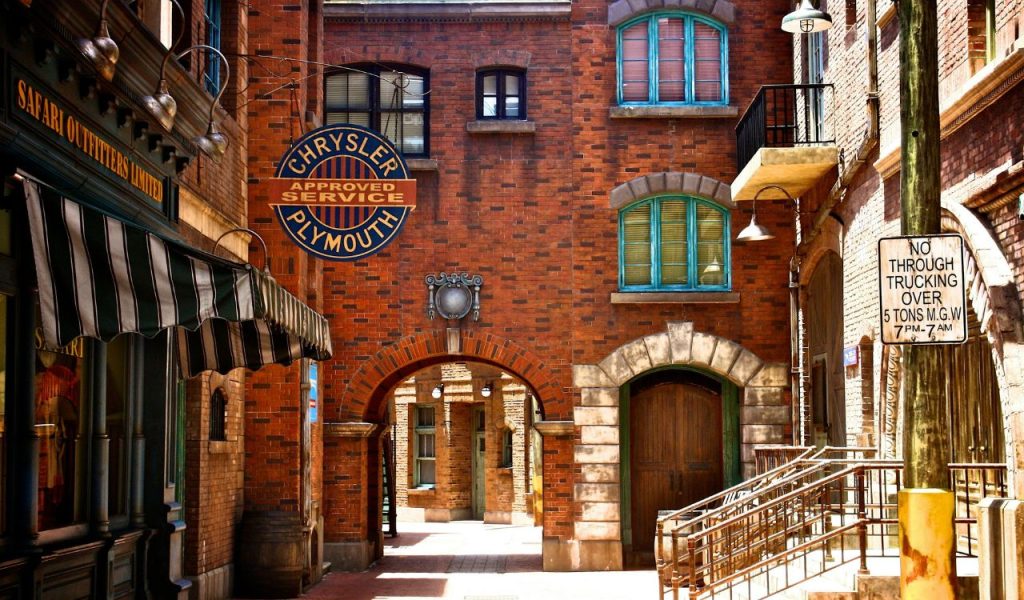
Windhoek offers a fascinating and often surprising introduction to Namibia, a country defined by vast landscapes, diverse cultures, and striking contrasts. The city blends modern infrastructure with historic German colonial architecture, creating an environment that feels uniquely balanced between past and present. Its streets are spacious and orderly, yet filled with the colorful vibrancy of local markets, artisans, and cultural institutions that celebrate Namibian identity. Windhoek serves as a gateway to the country’s famed deserts and wildlife reserves, but it also stands strongly on its own merits, offering meaningful experiences through cuisine, history, and community life.