Bridges aren’t just ways to cross water or roads. They can make you pause, look around, and feel something unexpected. Great bridges draw your eye to the curve of a cable, the sweep of an arch, or a stretch of light on steel. You know you’re moving from A to B, but suddenly you’re part of the moment.
In this post, you’ll meet nine bridges that do more than link two places. They invite you to stop, take a breath, and admire view after view. Some float above rivers, others soar across canyons. Each one has a story in its lines and lights, and you’ll want to see them on your own terms. These crossings remind you that the journey itself can be just as breathtaking as the destination.
1. Golden Gate Bridge – San Francisco, USA
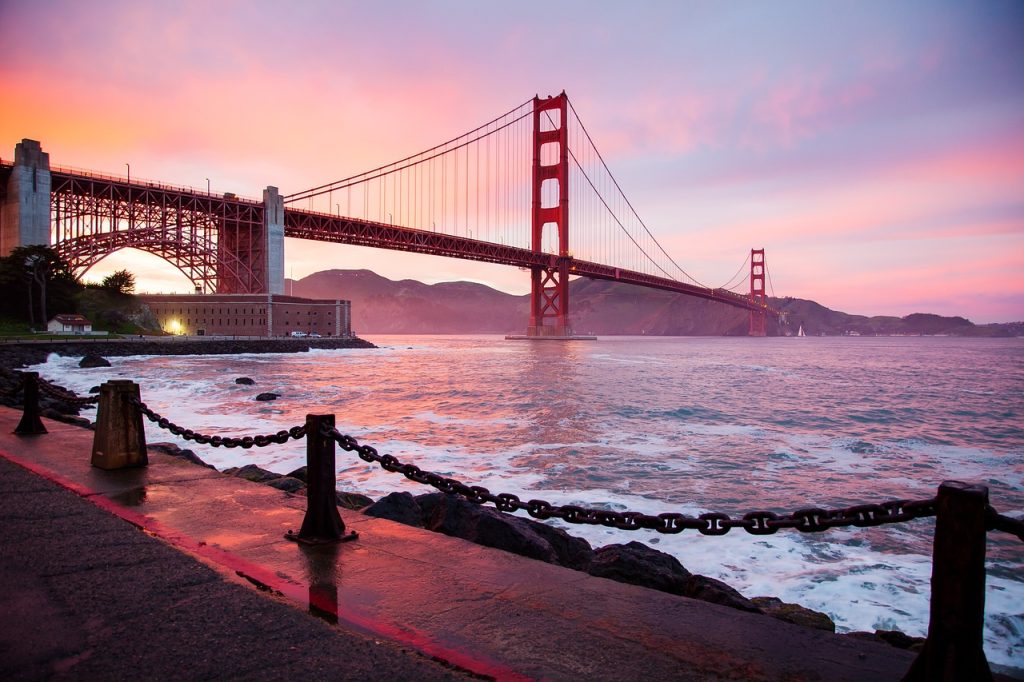
When you drive onto the Golden Gate Bridge, you feel it in your body before you see it. The span stretches across the entrance to San Francisco Bay in brilliant international orange, set against water that shifts from teal to slate with the wind. At 1.7 miles long, it once held the record as the longest suspension bridge in the world.
What’s remarkable is how the bridge makes ordinary travel into a moment you remember. Tourists and commuters alike stop on the pedestrian walkways to take pictures, catch the sunset behind Alcatraz, or feel the breeze off the Pacific. Engineers designed it to endure wind, earthquakes, and salt spray.
2. Millau Viaduct – France
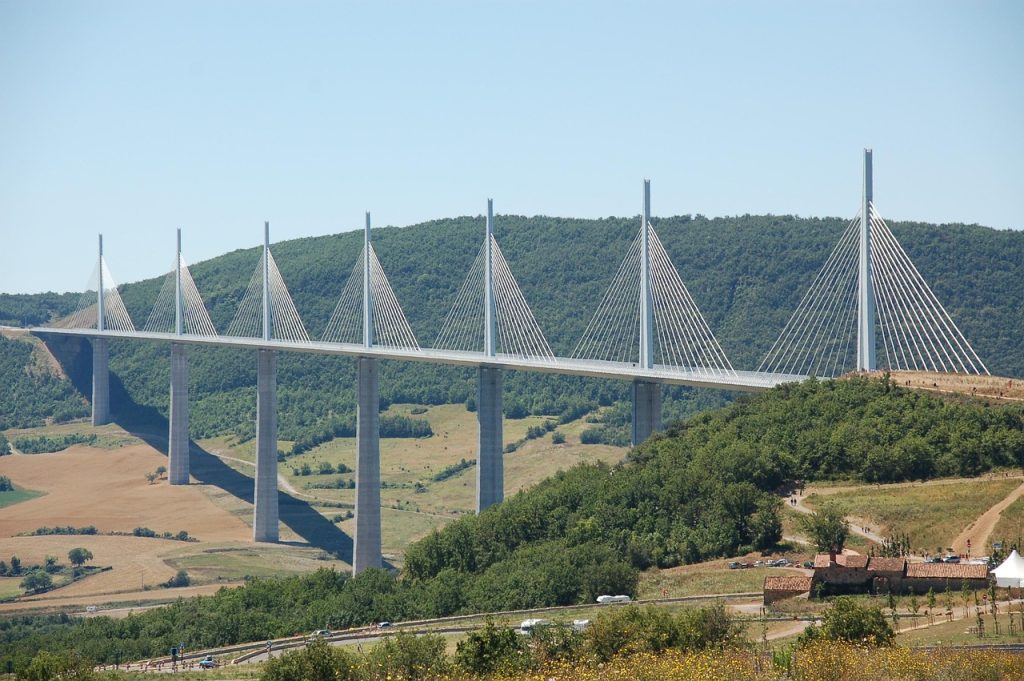
The Millau Viaduct rises above the Tarn River Valley like a sleek arrow pointing skyward. At 1.5 miles long, it’s the tallest bridge in the world, with some piers rising taller than the Eiffel Tower. When you approach it on the A75 highway, you see only sky and cables at first, and then the full structure reveals itself in a breathtaking sweep. You don’t just drive over a valley; you float above it.
Once you’re on the bridge deck, the wind feels stronger and the views wider. The surrounding hills roll gently, dotted with fields and forests that seem to stretch forever. French architect Norman Foster and engineer Michel Virlogeux managed to blend power with elegance here, so the bridge doesn’t shout but invites awe.
3. Tower Bridge – London, England
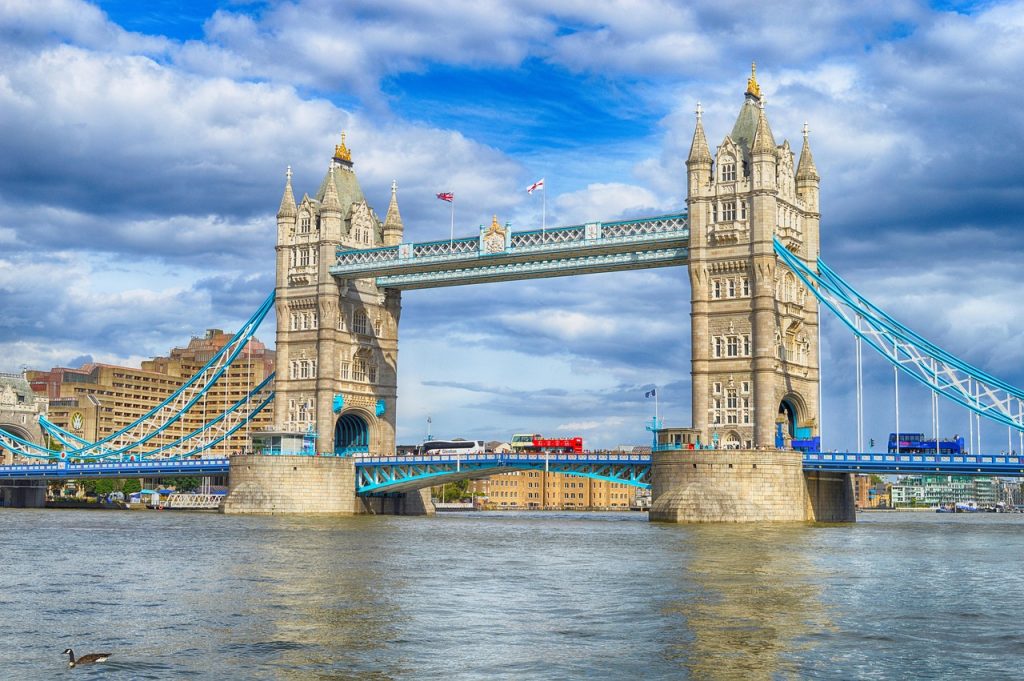
You can see Tower Bridge before you reach it, but once you’re on it, the details draw you in. The twin towers, clad in stone and steel, rise above the River Thames with a sense of historic weight. When it opened in 1894, it was a marvel of Victorian engineering with a bascule design that allowed the roadway to lift for passing ships. Drivers and pedestrians pause to watch the river life, boats gliding against the backdrop of city spires and cranes.
Walking along Tower Bridge isn’t just about crossing a river. You stop to read plaques about its history. You watch ferries, kayaks, and tour boats. At night, lights trace the outline of the bridge’s framework, and the city hum feels softer from the walkway.
4. Akashi Kaikyō Bridge – Japan
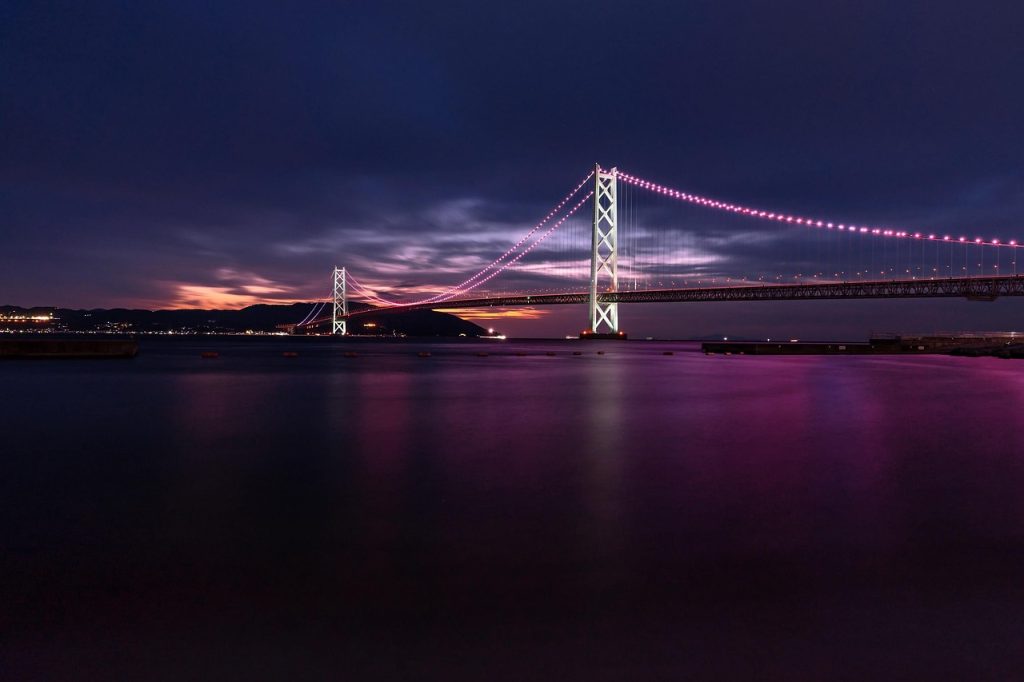
The Akashi Kaikyō Bridge links Kobe to Awaji Island over a strait known for strong tides and storms. At nearly two and a half miles long, it’s the longest central span of any suspension bridge on Earth. When you drive or ride across it, the traffic feels calm and orderly, framed by wide views of water and distant mountains.
Once you’re mid‑span, the water feels impossibly deep and blue. The bridge cables stretch up at precise angles, holding tension like a giant instrument. Japan experiences earthquakes and extreme weather, so this bridge wasn’t just an aesthetic project. It’s a testament to durability paired with visual grace.
5. Ponte Vecchio – Florence, Italy
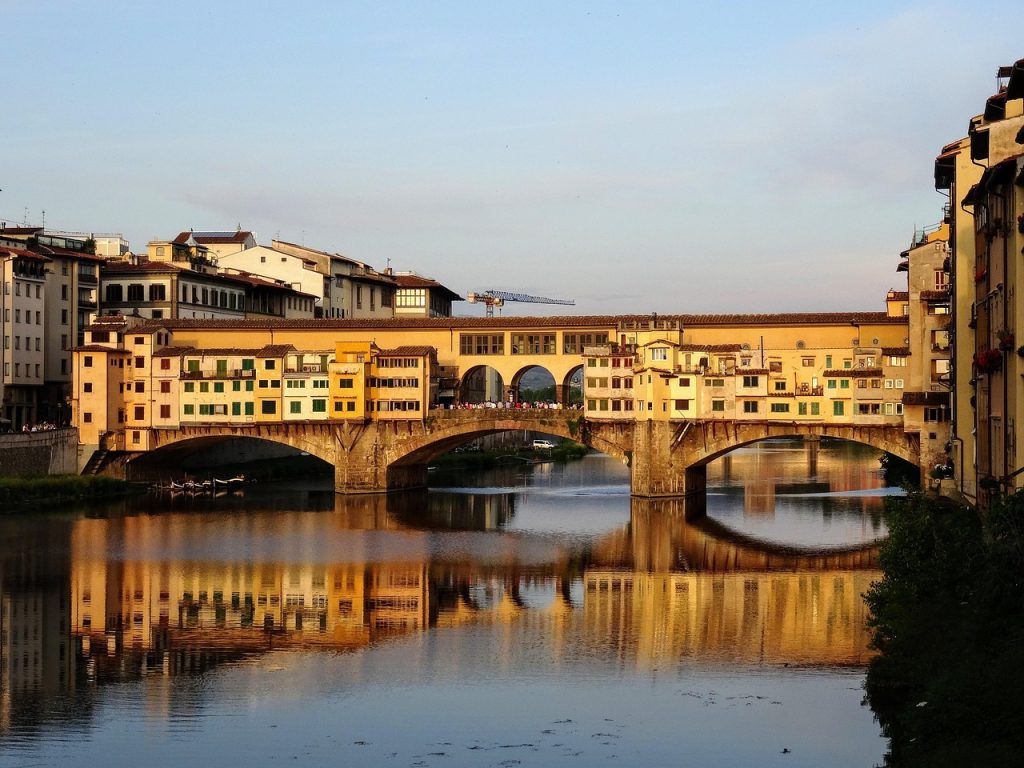
Ponte Vecchio isn’t dramatic because it’s huge. It feels unforgettable because life happens on it. This medieval stone arch bridge crosses the Arno River with shops built right into its length. You hear footsteps on ancient stone, shopkeepers calling out wares, and artists sketching river scenes. It dates back to 1345 and survived wars, floods, and centuries of change, yet it still pulses with local energy.
When you walk from one bank to the other, you don’t feel like a tourist passing through. You feel like someone who’s stepping into Florence itself. Jewelers and craftsmen have worked here for generations, so the bridge feels like part gallery and part meeting place.
6. Øresund Bridge – Denmark to Sweden
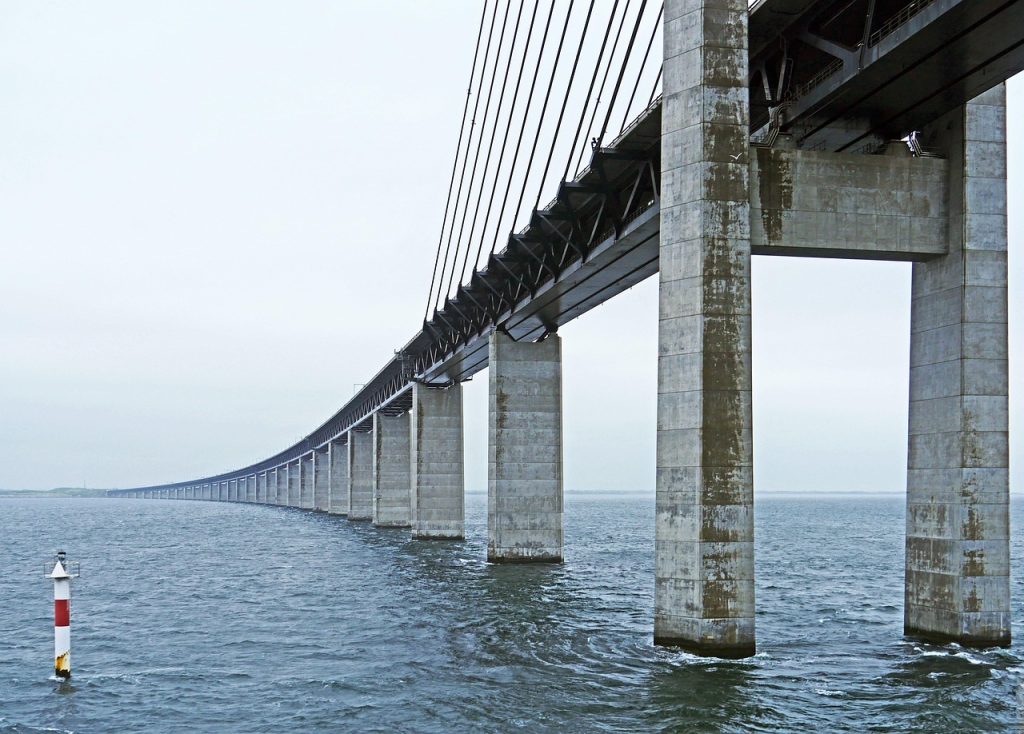
You cross the Øresund Bridge and think about borders differently. One moment you’re in Denmark, and in minutes you’re in Sweden with Copenhagen fading behind you. This span‑and‑tunnel structure stretches over and under the waterway with refined efficiency.
There’s a rhythm to the crossing that feels both purposeful and peaceful. The bridge deck rises and falls almost imperceptibly as it leads into a tunnel beneath the seabed. Engineers had to balance marine life concerns and shipping lanes when they designed it. When you arrive in Malmö, it feels less like an administrative crossing and more like a natural progression between two closely linked cultures.
7. Helix Bridge – Singapore
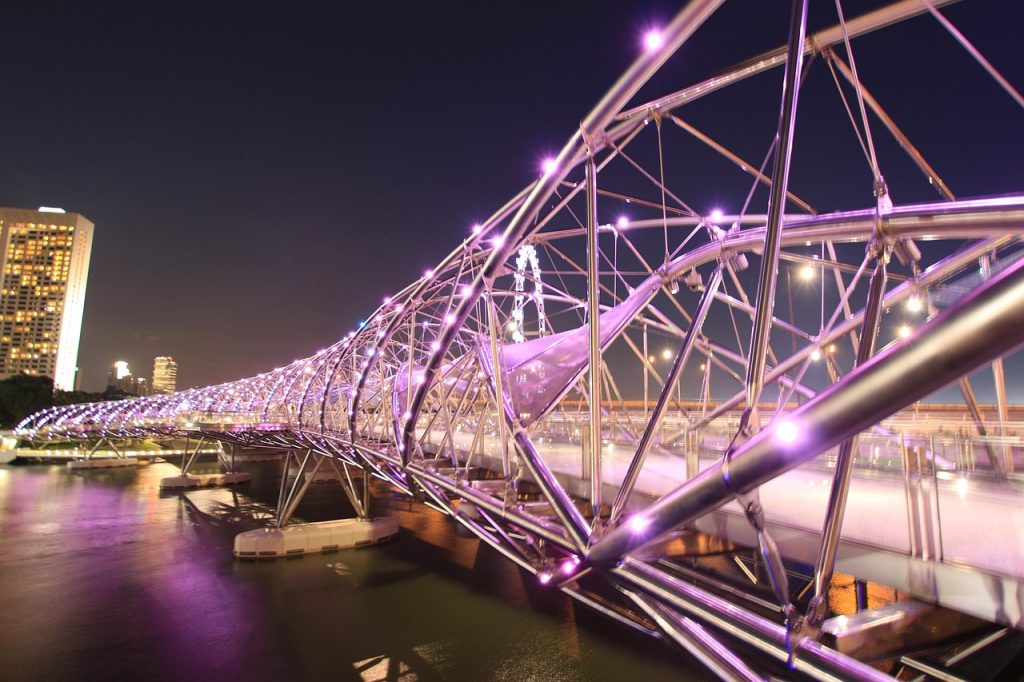
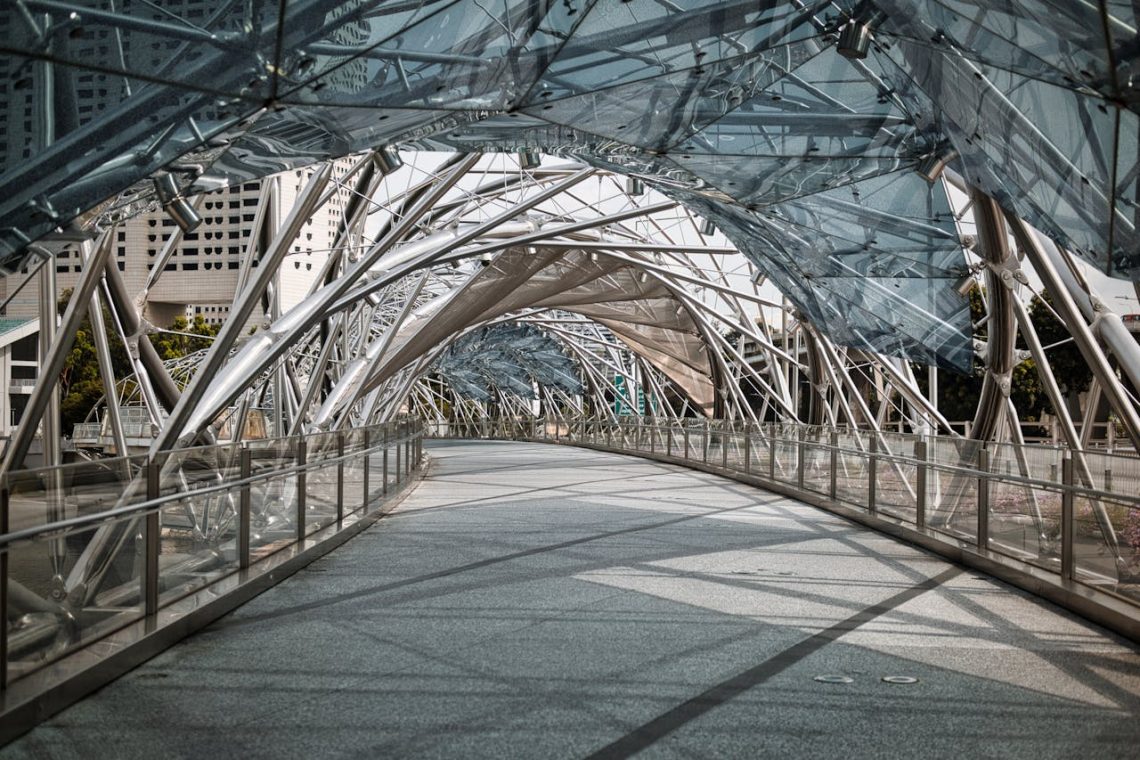
The Helix Bridge feels like something from a sculptor’s mind first and a path second. It curves over the Marina Bay waterfront in a double‑helix pattern inspired by DNA. You walk it and immediately feel a rhythm in the space around you: the lights, the water lapping below, the skyline rising all around.
What’s clever about Helix Bridge is how it frames moments. At certain angles, you see the Singapore Flyer and downtown towers perfectly lined up. Subtle lighting makes the structure glow after dark. Instead of feeling like a utility, it feels like a place to be present. You find yourself slowing down, looking out over water, and appreciating how a bridge can be purposeful and playful at once.
8. Charles Bridge – Prague, Czech Republic
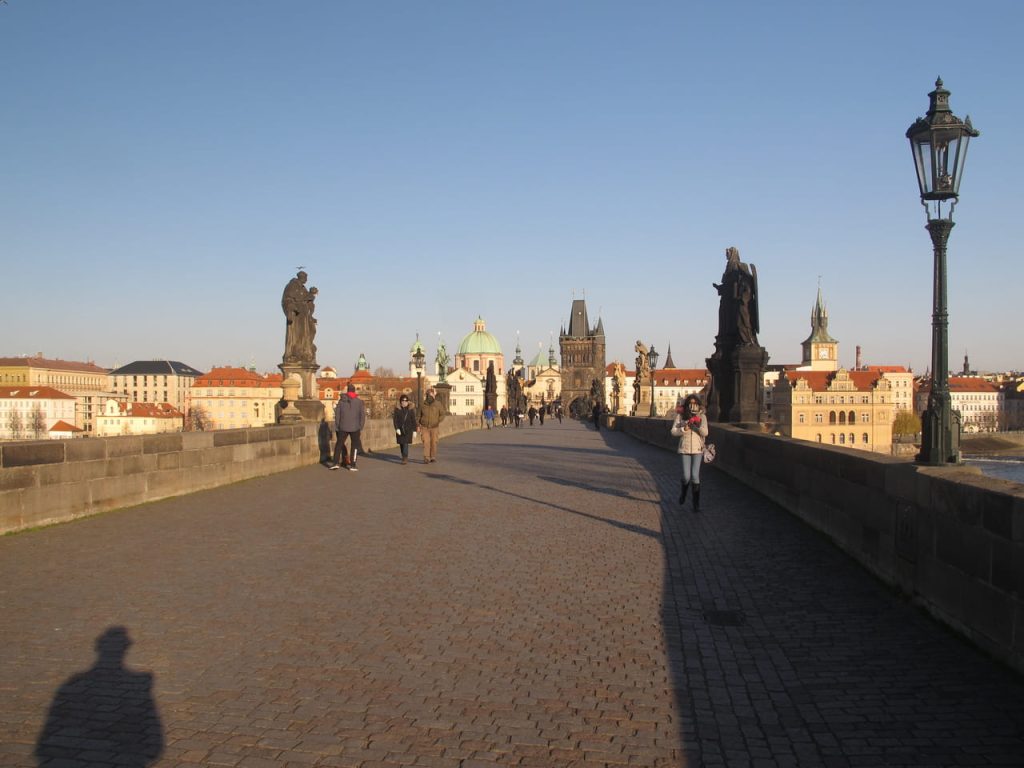
Charles Bridge feels like a time machine. Built in the 14th century and lined with statues of saints and scholars, it crosses the Vltava River in the heart of Prague. You’re not just walking on stone; you’re walking through centuries of history. Street musicians play violin and guitar. Painters set up easels while vendors sell sketches.
At dawn, the bridge feels almost secret, barely a soul around as the sun colors the river gold. Later in the day, the crowd builds, and you hear so many languages it feels like the whole world has come to this one crossing. Every statue you pass has a story, so you end up reading plaques and spotting details you’d miss on a faster journey.
9. Capilano Suspension Bridge – Canada
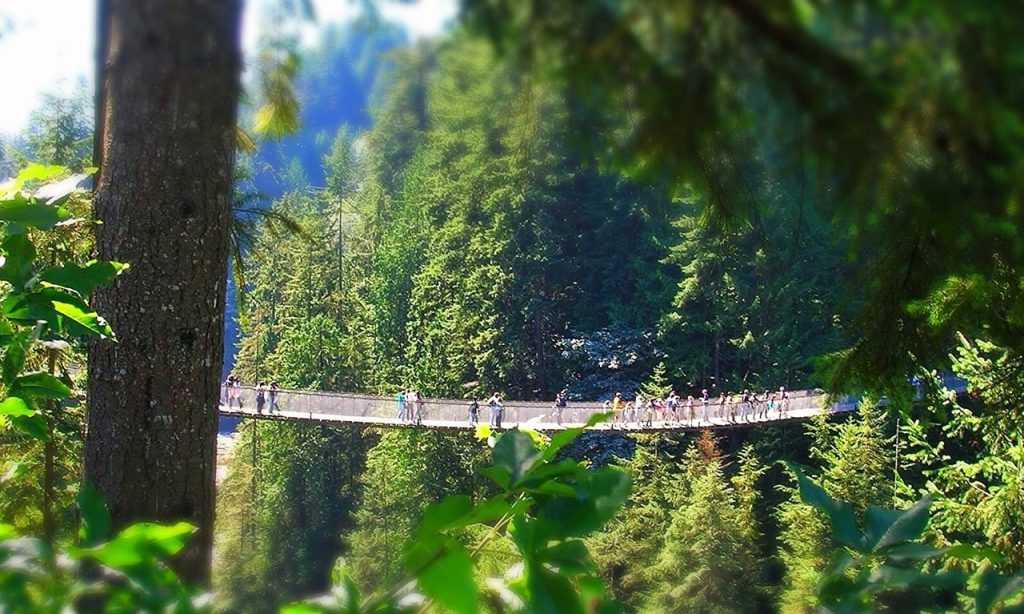
Capilano Suspension Bridge doesn’t feel like a typical city crossing. You step onto planks that sway gently above a forested canyon outside Vancouver. The bridge is narrow, the river far below, and the trees so close you feel surrounded by green. When you walk it, the sound of your footsteps blends with the breeze and water, and the ordinary idea of crossing becomes a quiet thrill.
There’s a reason millions of visitors come here each year. This is one of those places where nature and design meet so well that you forget you’re moving from one bank to another. Trails wind through tree canopy walkways that feel private and serene. You stop mid‑span, look down, and appreciate that this crossing isn’t about efficiency; it’s about perspective.