
Here’s the thing: summer camp gave you freedom in ways that feel almost unreal now. You spent long days running through open fields, splashing in lakes, and playing games that demanded energy, courage, and creativity. Back then, getting messy, taking risks, and laughing until your sides hurt felt completely normal. Safety concerns weren’t top of mind, and the rules were minimal, leaving room for chaos and unexpected fun.
Yet, there’s a nostalgic pull to remembering those summers. The games weren’t just entertainment; they tested coordination, courage, and teamwork. You learned to navigate physical challenges, manage competitiveness, and endure minor scrapes, all while forming lasting memories.
1. Blindfolded Tug‑of‑War in the Woods
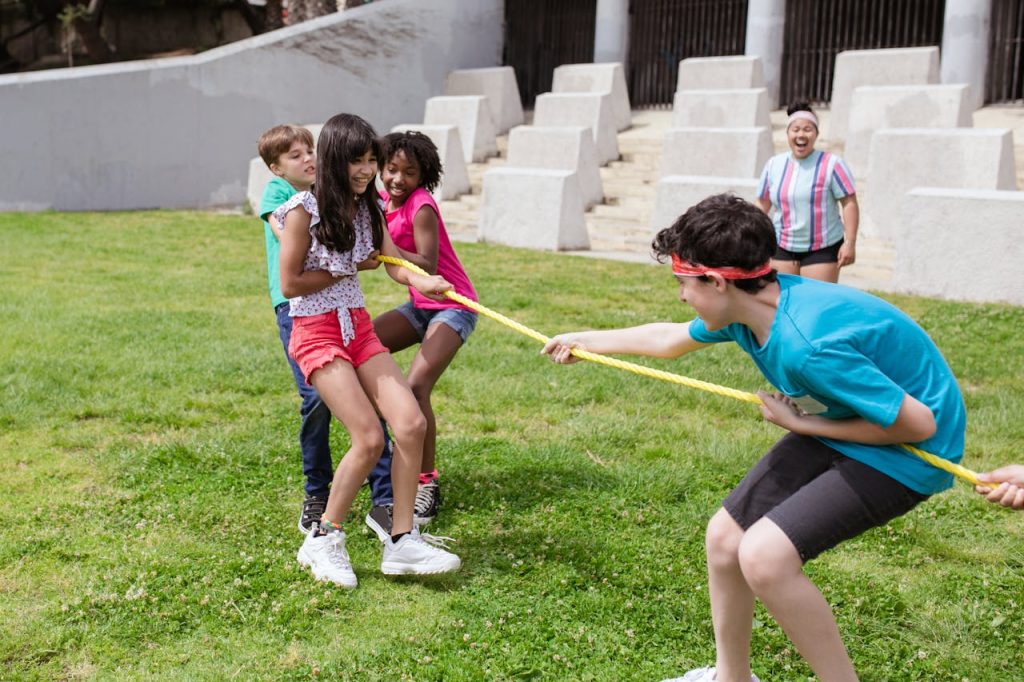
In this game, you grabbed a rope, paired up, and pulled with all your might while blindfolded. Shouting instructions, teammates often collided into each other, tripped over roots, or fell into bushes. It was chaotic and hilarious, creating a mix of strategy and pure luck.
Despite the risks, this game taught balance, teamwork, and communication in ways that still resonate. You learned to trust your teammates and listen carefully, even under pressure. Today, camp organizers encourage modified tug-of-war games with clear spaces and safety gear, prioritizing fun without the hazards. While you might not get the thrill of blindly tripping into a bush anymore, the memory of those chaotic pulls is unforgettable.
2. Capture the Flag on Uneven Terrain
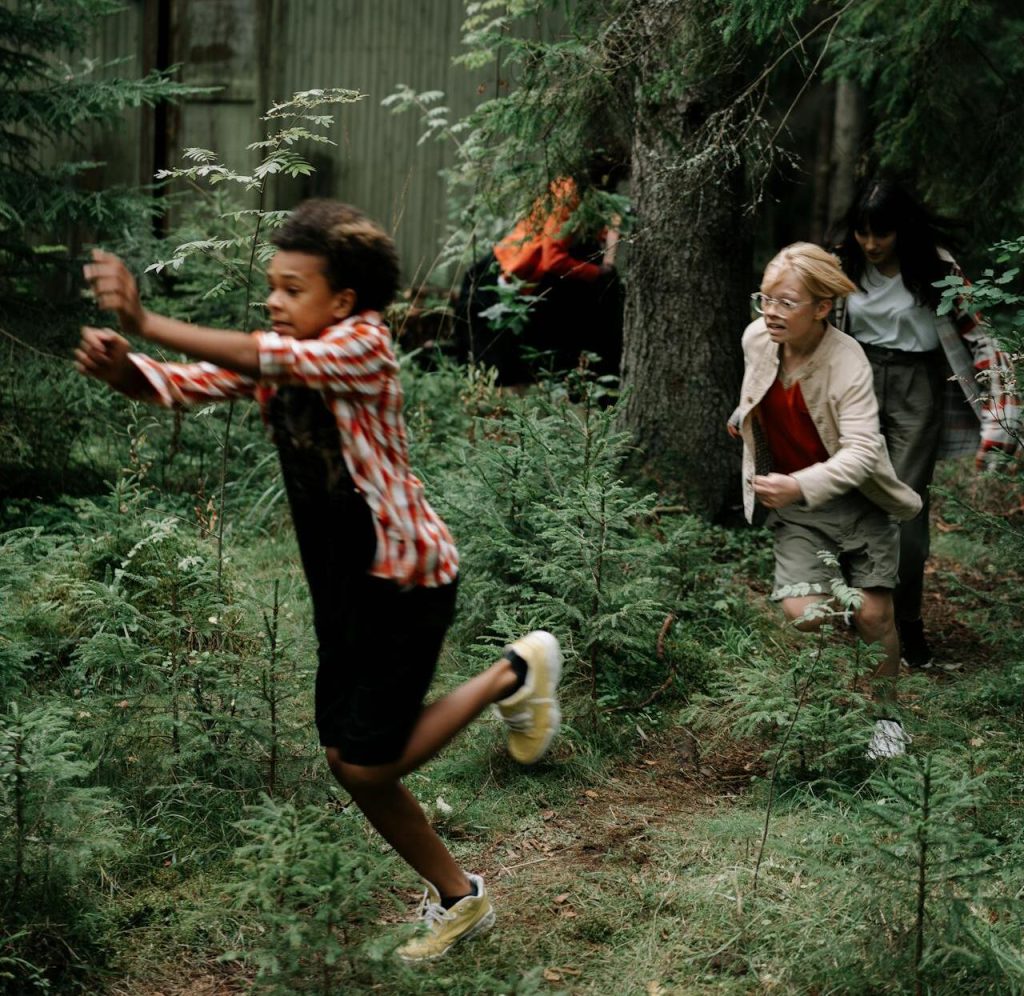
Capture the Flag was a staple of camp life, but when played in forests or fields full of roots and rocks, the game became intense. Players sprinted, ducked, and maneuvered through unpredictable terrain to steal flags, often leaping over obstacles or crawling under branches.
Playing on uneven terrain taught agility and quick thinking. You learned to anticipate hazards, dodge unseen obstacles, and plan moves in real-time. Modern camps retain the excitement of capture-the-flag but with rules that prioritize safety. The memory of rushing through woods, narrowly escaping a fall while keeping the flag, is something that can’t be replicated on a flat field, making those old games feel wilder in hindsight.
3. Mud Pit Wrestling
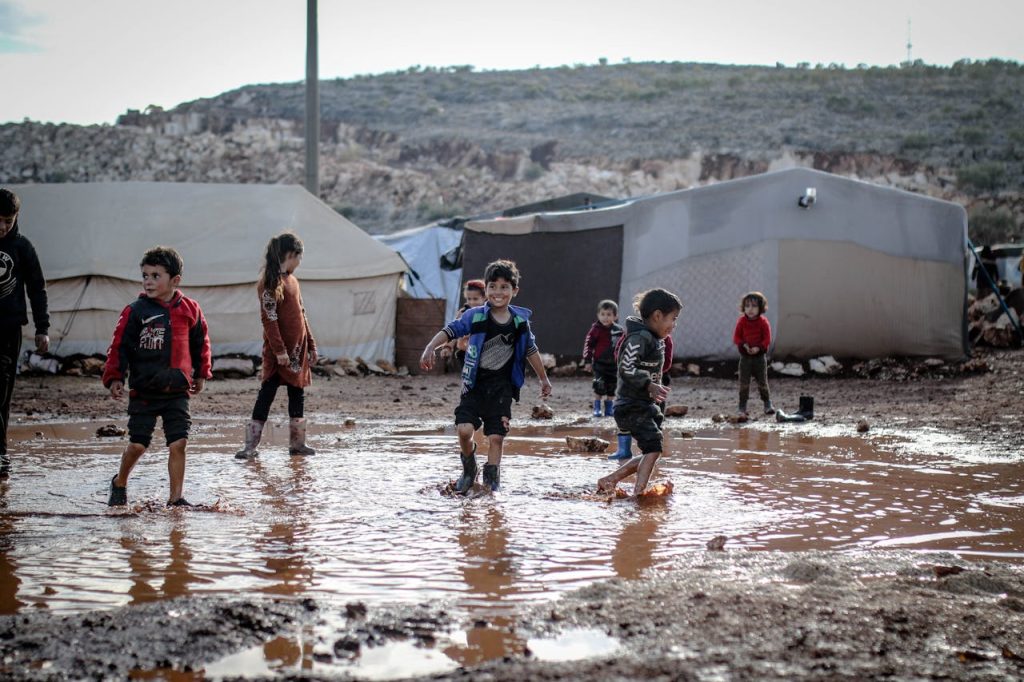
Mud pit wrestling was the ultimate messy, chaotic game. Pairs would jump into a slippery pit and attempt to pin their opponents, slipping and sliding without a care. The combination of mud, balance challenges, and laughter made it a camp favorite, creating unpredictable moments that left everyone in hysterics.
Despite the hazards, mud wrestling was more than entertainment. It encouraged physical strength, resilience, and boldness, while also fostering camaraderie through shared hilarity. You learned to laugh at yourself and embrace messy failures. Modern camps focus on safer alternatives like water-based obstacle courses, but the thrill of a mud-filled tumble is something today’s campers rarely experience.
4. Water Balloon Dodgeball

Water balloon dodgeball combined speed, strategy, and the shock of an unexpected splash. Players sprinted, dodged, and hurled heavy balloons at each other, with every throw creating tension and laughter. Hits were sudden and cold, often soaking players completely. The problem was unpredictability: balloons varied in size, and being struck could leave bruises. Today, camp organizers replace heavy balloons with lighter, safer options to maintain fun without causing pain.
The game was also about skill and timing. You learned to read opponents, anticipate throws, and move quickly under pressure. Looking back, the memory of running in a soaked shirt while narrowly avoiding a balloon is a vivid reminder of the messy freedom of old camp games.
5. Human Pyramid Races
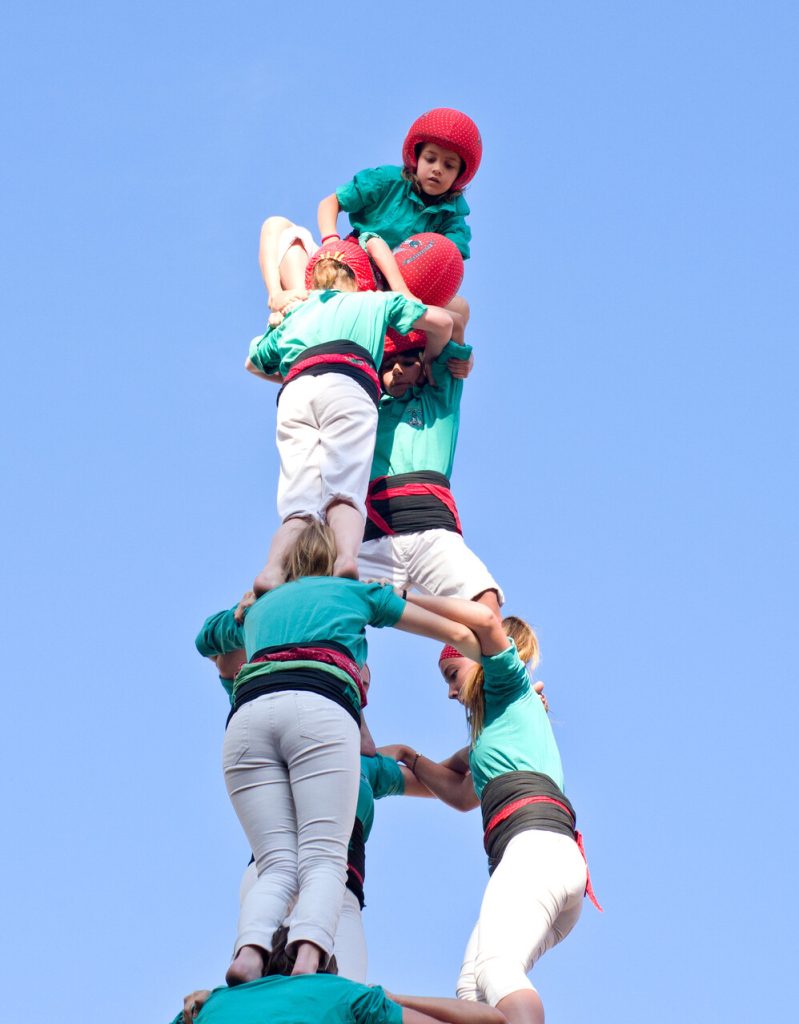
Human pyramid races involved building a pyramid of campers and then moving it across the field as fast as possible. Coordination, strength, and trust were tested as participants teetered and stumbled. Inevitably, pyramids toppled, sending everyone sprawling.
Beyond fun, the game encouraged teamwork and problem-solving. Participants had to communicate clearly and adjust quickly when the structure wobbled. Today, group games focus on low-risk balance and coordination exercises that teach similar lessons without potential for face-plants. Still, the memory of a collapsing human pyramid, complete with laughter and chaos, captures the adventurous spirit of traditional summer camp.
6. Wheelbarrow Races Downhill
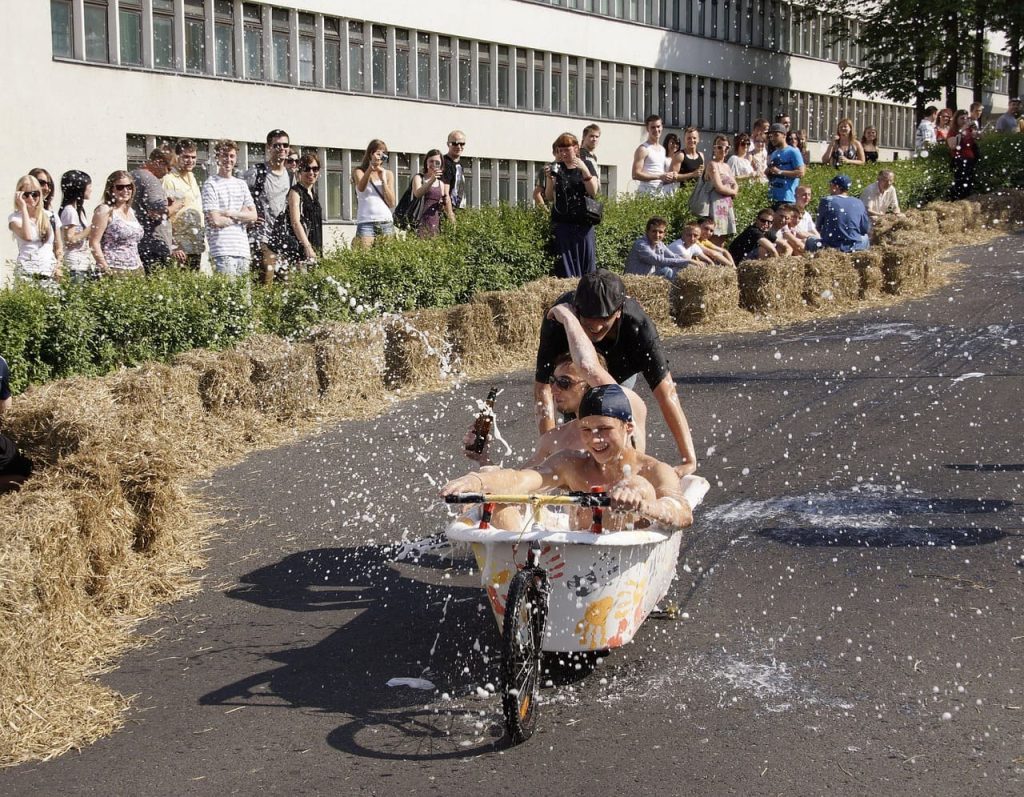
Wheelbarrow races paired campers with one holding the feet of the other while they raced downhill on their hands. The speed, the bumps, and inevitable falls made it thrilling but risky. Knees, elbows, and faces often hit the ground, which is why modern camps limit these races to flat terrain or avoid them entirely. Back then, the combination of speed, teamwork, and potential wipeouts was central to the fun.
Today’s camps prefer safer relay races or cooperative challenges, but the memories of tumbling down a slope while trying not to fall remain vivid and full of laughter, a testament to the unfiltered joy of traditional camp games.
7. Ghost in the Graveyard With No Lights
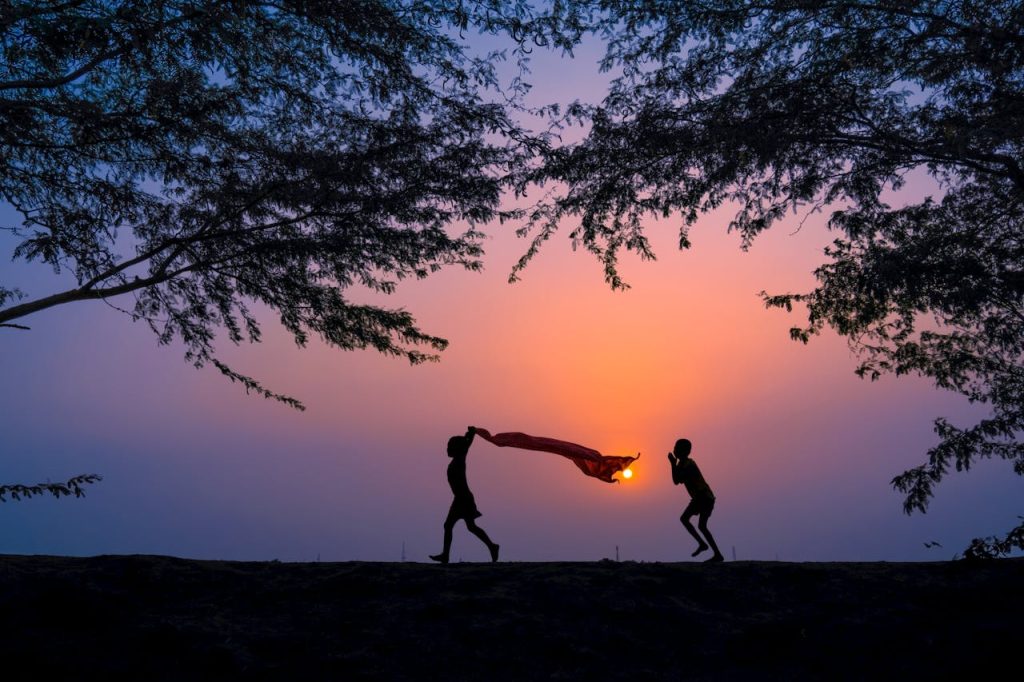
Playing Ghost in the Graveyard in total darkness was terrifying and exhilarating. You hid behind trees, waited in shadows, and sprinted when someone shouted “ghost!” The adrenaline rush of sneaking, hiding, and dashing in pitch black made it unforgettable.
The game taught stealth, awareness, and strategic thinking. You learned to move quietly, anticipate movement, and react quickly. Today, night games still exist but under controlled conditions. Despite the rules, the memory of adrenaline, whispered plans, and the occasional scream echoing through the woods captures a type of daring that campers today rarely experience.
8. Dizzy Bat Spin Races
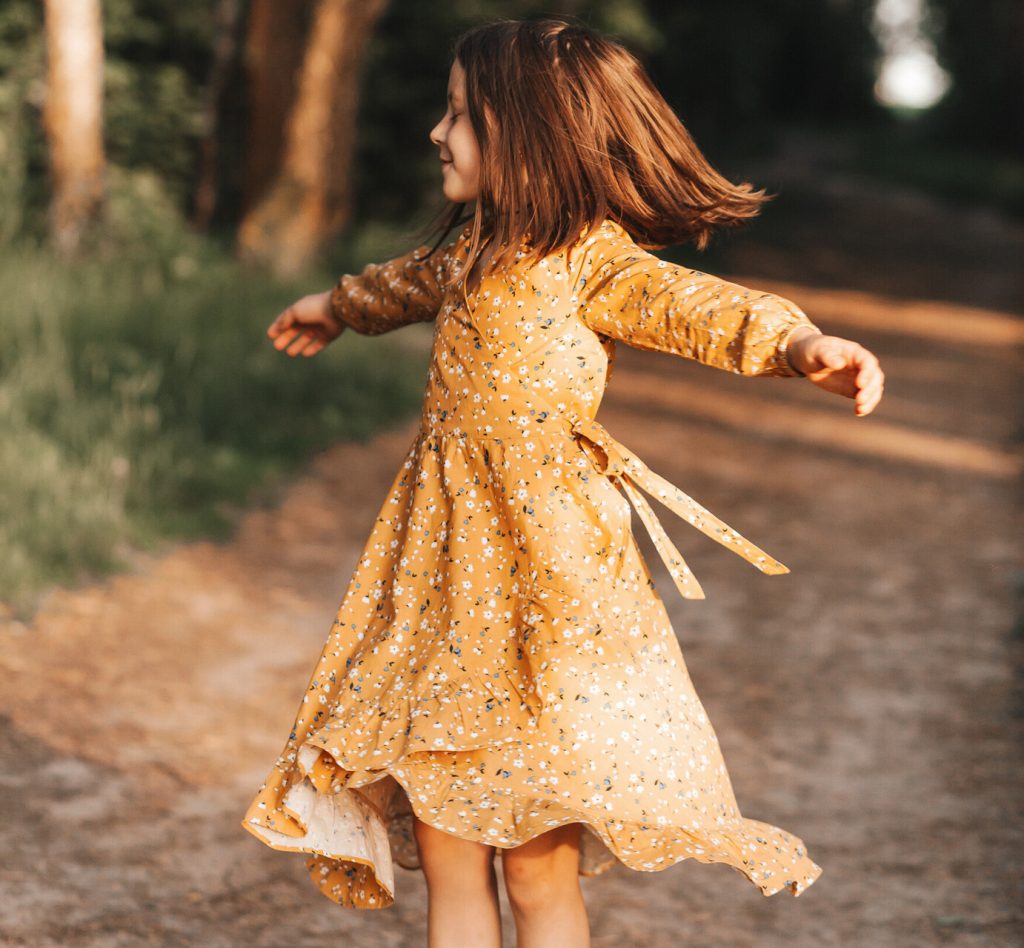
Dizzy bat races had you spin around a bat multiple times, then sprint to a finish line while teetering uncontrollably. It was hilarious, chaotic, and often ended in a fall or tumble. Modern camps avoid these games because spinning can cause dizziness, loss of balance, and accidental injuries, yet back then, it was a favorite for laughter and spectacle.
The game also helped develop resilience and a sense of humor. You learned to keep going despite disorientation and cheer on friends as they wobbled, often collapsing into giggles. Today’s alternatives focus on balance challenges without risk of injury. Still, nothing quite matches the memory of spinning, stumbling, and laughing until you fell flat in a dizzy bat race.