The world is full of destinations that seem to reinvent themselves as the seasons shift. A single location can feel like multiple places throughout the year, shaped by changes in weather, light, culture, and daily life. Snow can turn busy landscapes into silent wonderlands, while summer sun can transform quiet regions into vibrant hubs of activity. These seasonal transformations are not just visual; they influence how people live, travel, celebrate, and connect with nature. From frozen lakes that become highways to deserts that briefly bloom with life, seasonal change gives each destination a dynamic identity. Below are nine remarkable places that feel entirely different depending on the time of year, proving that timing can be just as important as location.
1. Santorini
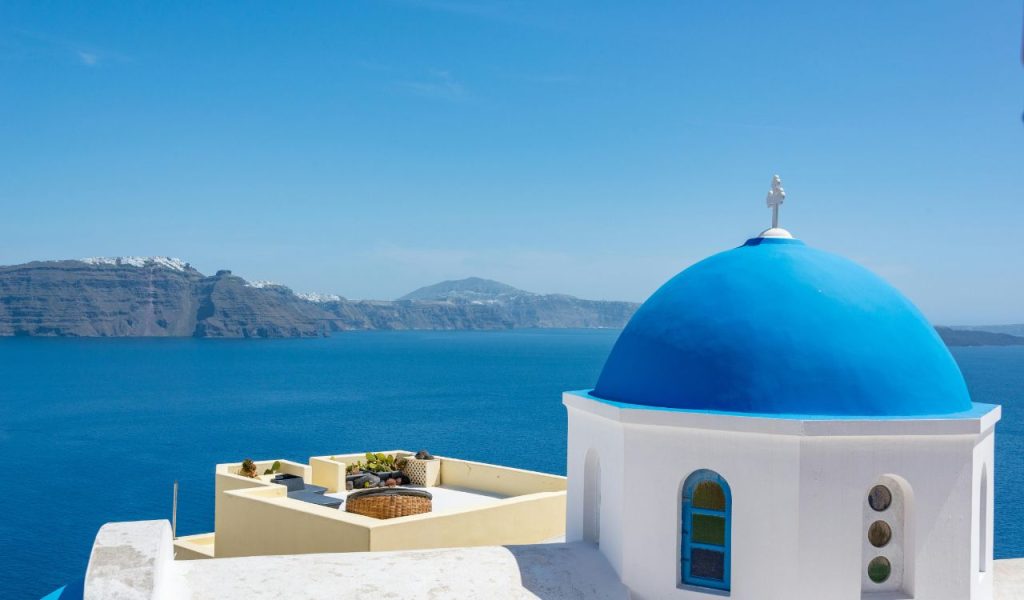
Santorini is globally famous for its whitewashed buildings and blue domes, but the island’s personality shifts dramatically with the seasons. In summer, Santorini is bright, energetic, and crowded, filled with tourists exploring narrow streets, enjoying sunset views, and relaxing by the sea. The heat intensifies the colors of the cliffs and ocean, creating postcard-perfect scenes. Restaurants, hotels, and beaches operate at full capacity, and the island feels alive late into the night. In contrast, winter brings a calm and almost introspective atmosphere. Cooler temperatures and fewer visitors reveal the quieter side of local life, where residents reclaim their towns and daily routines slow down.
2. Kyoto
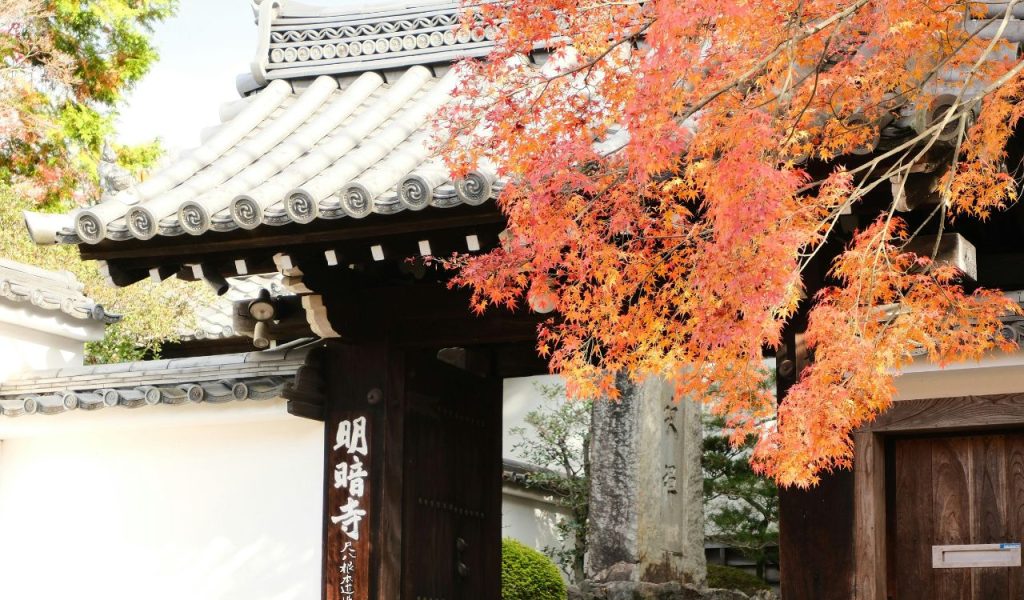
Kyoto is a city where seasons shape not only scenery but also cultural rhythm. Spring transforms Kyoto into a dreamlike setting as cherry blossoms bloom around temples, rivers, and traditional streets. The city feels celebratory, with visitors and locals gathering to appreciate the fleeting beauty of sakura. Summer, however, brings heat and humidity, along with lively festivals and fireworks that give Kyoto an energetic and colorful spirit. Autumn is perhaps the most dramatic transformation, as fiery red and golden leaves surround ancient shrines, creating a deep sense of history and reflection. Winter strips the city down to a quieter, more meditative version of itself, with occasional snow dusting temples and gardens.
3. Banff
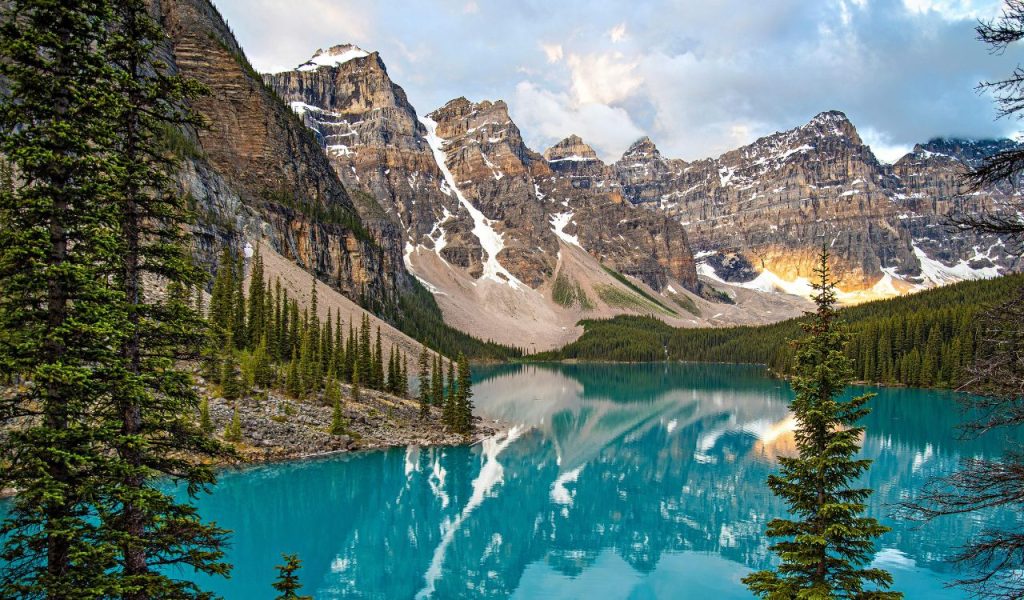
Banff National Park is a powerful example of nature’s seasonal extremes. In summer, Banff is a paradise of turquoise lakes, green valleys, and hiking trails filled with life. Visitors explore mountains, spot wildlife, and enjoy long daylight hours that highlight the park’s vast beauty. The environment feels open and inviting, with movement and sound everywhere. Winter, however, completely reshapes the park into a frozen wilderness. Snow blankets the mountains, lakes freeze solid, and silence replaces summer’s activity. The same landscapes feel more dramatic and intense, attracting skiers and winter adventurers instead of hikers. The contrast between the lively summer terrain and the quiet, snow-covered winter world makes Banff.
4. Sahara
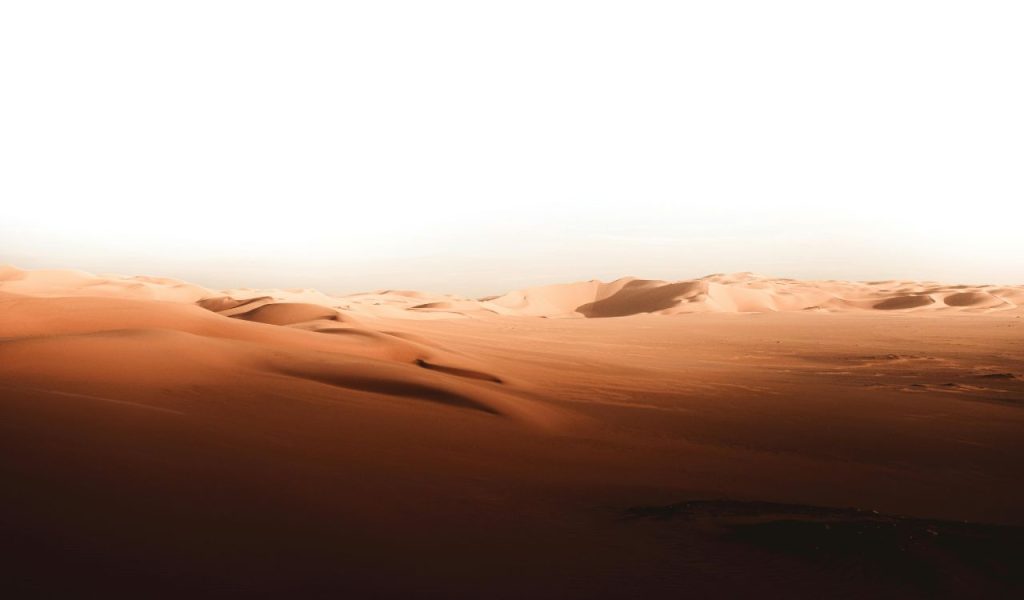
Sahara Desert is often imagined as endlessly hot and lifeless, but seasonal changes reveal surprising transformations. During the peak of summer, the desert becomes harsh and extreme, with intense heat dominating the landscape and limiting human activity. Travel is difficult, and the environment feels unforgiving and endless. In winter, temperatures drop significantly, especially at night, making the desert far more accessible and comfortable. The cooler air brings clarity to the sky and reveals subtle details in the dunes and rock formations. In rare cases, seasonal rain can even cause brief blooms of vegetation, momentarily softening the desert’s image.
5. Venice
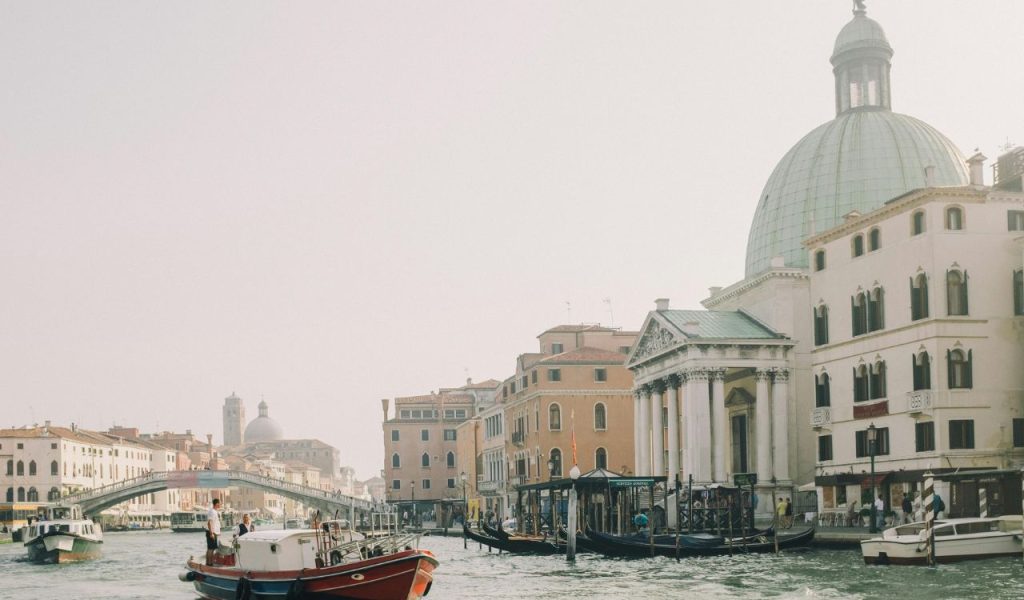
Venice experiences some of the most dramatic seasonal contrasts in Europe. Summer fills the city with tourists, gondolas, and constant movement, giving Venice a lively but often overwhelming atmosphere. The warm weather encourages exploration, but crowded streets can make the city feel more like a stage than a home. Winter, on the other hand, strips Venice of much of its noise and spectacle. Fog rolls through canals, streets become quieter, and the city feels mysterious and intimate. Seasonal flooding adds another layer of transformation, changing how people move and interact with the space. In this calmer period, Venice reveals its melancholic beauty and historical depth.
6. Iceland
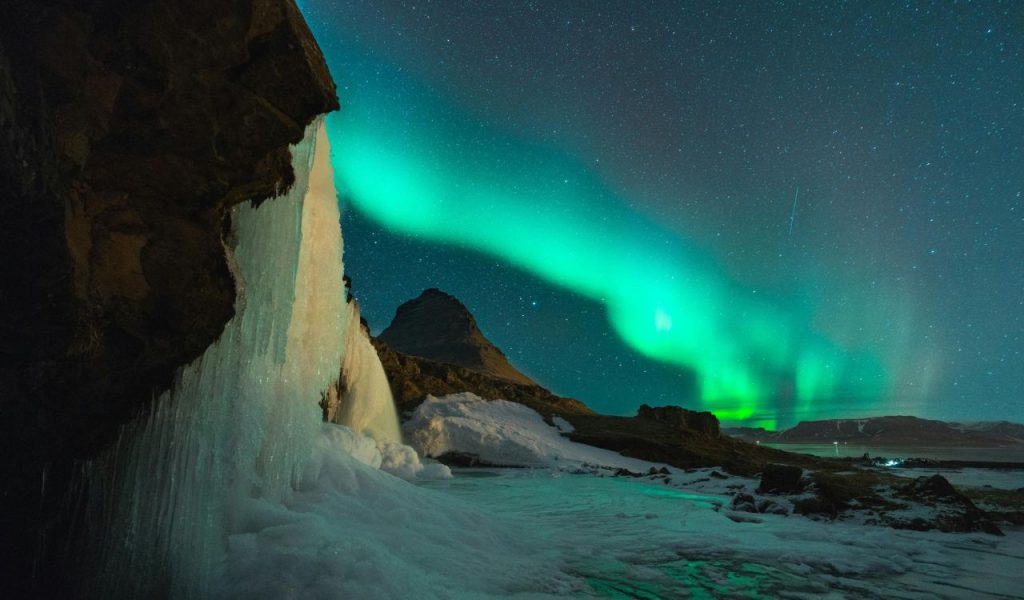
Iceland is one of the clearest examples of a country defined by seasonal extremes. Summer brings nearly endless daylight, green landscapes, and accessible roads that allow exploration of waterfalls, volcanoes, and coastlines. The environment feels open and full of energy, with nature constantly visible and active. Winter reverses this experience completely, replacing light with long nights and transforming the land into a frozen, dramatic terrain. Snow, ice caves, and the northern lights dominate the landscape, creating a sense of isolation and wonder. The same locations feel more powerful and intimidating, yet deeply beautiful.
7. New York
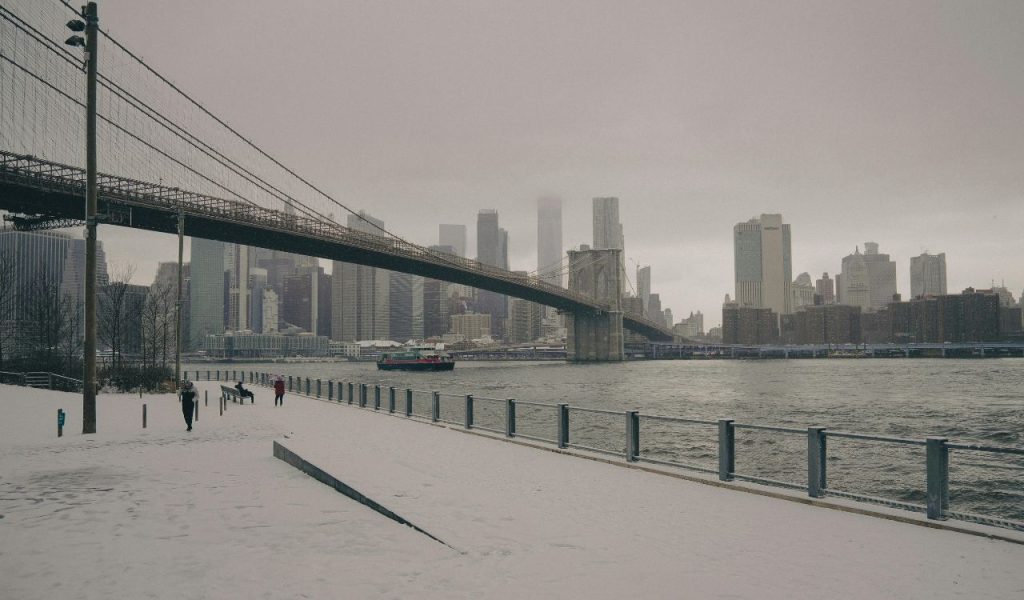
New York City undergoes emotional and visual changes with each season. Summer turns the city into a fast-moving, energetic environment where parks, streets, and rooftops are constantly active. The heat adds intensity to daily life, and the city feels loud and restless. Autumn brings a noticeable shift as cooler air and falling leaves soften the urban landscape, creating a more reflective and cinematic atmosphere. Winter transforms New York yet again, especially during snowfall, when familiar streets feel quieter and almost magical. Spring signals renewal, with blooming parks and a return of outdoor life. Each season reshapes how the city feels, moves, and expresses itself.
8. Lake Bled
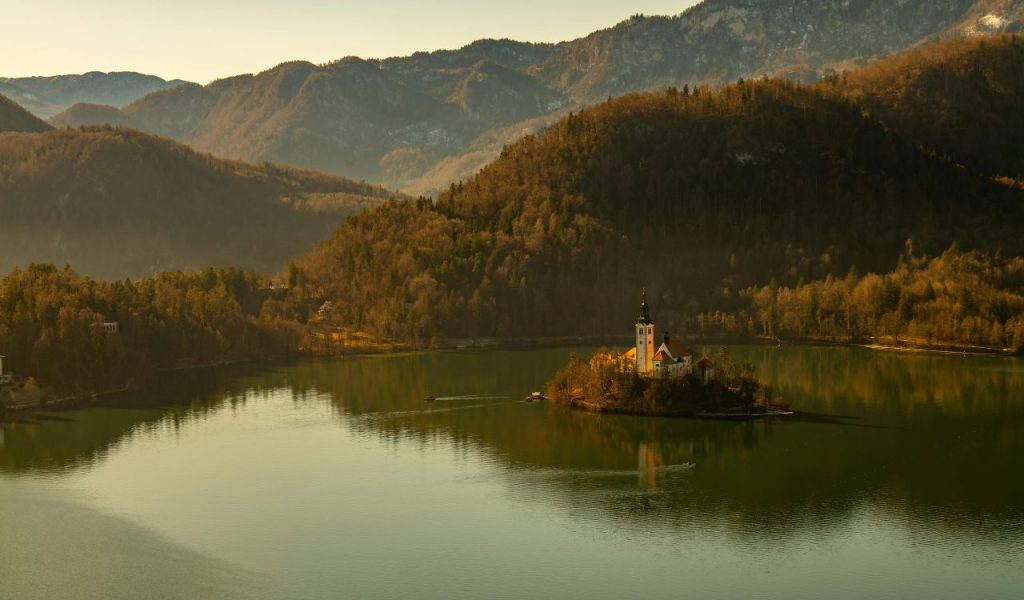
Lake Bled appears almost unreal in its seasonal transformations. In summer, the lake is vibrant and lively, with emerald waters reflecting green hills and visitors enjoying outdoor activities. The atmosphere is warm, romantic, and full of movement. Autumn introduces softer colors and a peaceful mood, as crowds thin and nature prepares for rest. Winter completely changes the scene, sometimes freezing the lake and covering the surrounding area in snow. The island church and castle take on a fairytale-like appearance, and silence dominates the landscape. Spring then revives the region with fresh colors and life. Each season reshapes Lake Bled into a distinct visual and emotional experience.
9. Patagonia
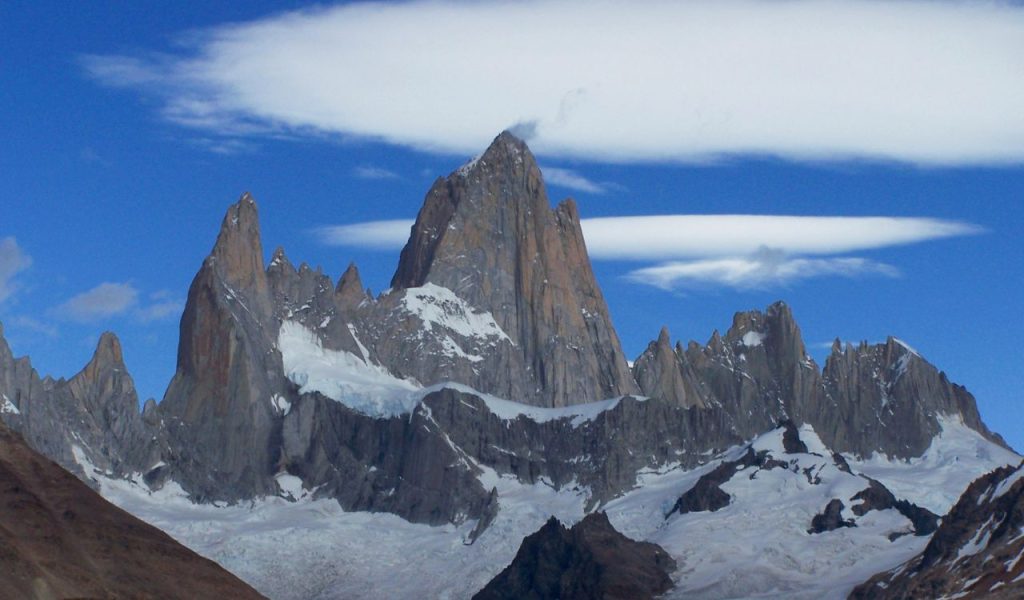
Patagonia is shaped by extreme and unpredictable seasonal change. Summer offers longer days and more accessible terrain, allowing hikers and explorers to experience dramatic mountains, glaciers, and windswept plains. The region feels wild but welcoming, filled with movement and adventure. Winter, however, brings harsh conditions, heavy snow, and limited access, turning Patagonia into a remote and powerful wilderness. The same landscapes feel more isolated and untamed, emphasizing nature’s dominance over human presence. These seasonal contrasts give Patagonia a dual identity, balancing beauty and danger depending on the time of year.