Most people can name famous parks like Yellowstone National Park or Yosemite National Park. They dominate travel lists and social media feeds. But here’s the thing: some of the most memorable national park experiences happen in places that rarely make headlines. These quieter parks trade crowds for silence, open space, and landscapes that feel almost private.
When you explore the lesser-known corners of the park system, you often discover something unexpected. You might walk a trail for hours without seeing another person, hear wildlife instead of traffic, or watch a sunset without a line of cameras. The following parks don’t get the same attention as the big names, yet each offers scenery and experiences that easily rival the famous ones.
1. Great Basin National Park
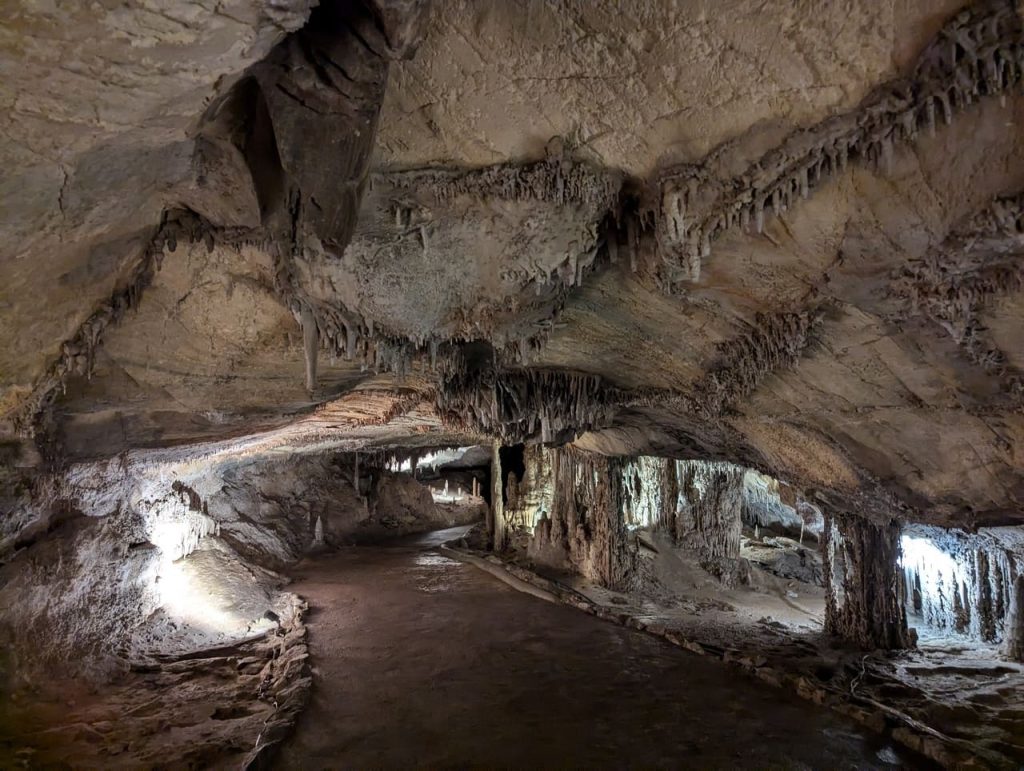
Tucked against the Nevada–Utah border, Great Basin feels like one of the quietest national parks in the country. You arrive expecting desert, but the landscape quickly surprises you. Snow-dusted peaks rise above sagebrush valleys, and ancient bristlecone pine trees twist across high mountain slopes. Some of these trees are nearly 5,000 years old, making them among the oldest living organisms on Earth.
You can hike alpine trails, explore the marble rooms of Lehman Caves, or drive the scenic road toward Wheeler Peak. Because the park sits far from major cities, crowds remain small even in summer. That isolation also creates some of the darkest night skies in North America.
2. Congaree National Park
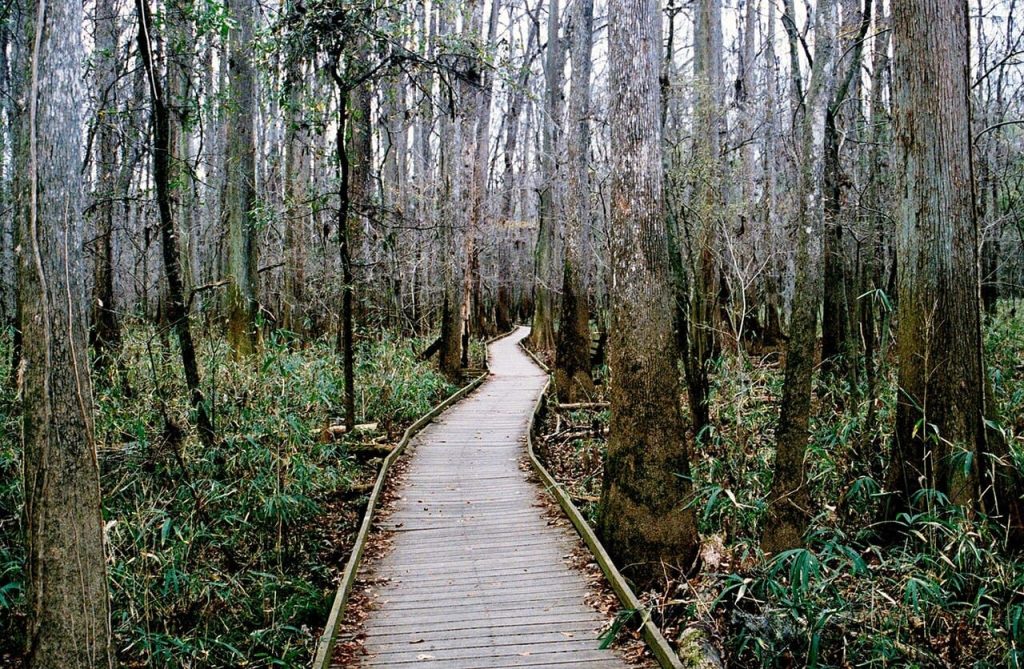
Congaree protects one of the largest intact old-growth floodplain forests in North America. Instead of cliffs or mountains, you step into a world of towering hardwood trees, winding waterways, and thick green canopy. Many of the trees here grow taller than 150 feet, giving the forest a cathedral-like feeling as sunlight filters through the leaves.
You explore much of the park by boardwalk or canoe. Paddling through the quiet channels of Cedar Creek lets you drift past bald cypress trunks and slow-moving water that reflects the forest above. In late spring, another surprise appears. Thousands of synchronous fireflies blink together after dark, turning the forest into a glowing field of tiny lights.
3. North Cascades National Park
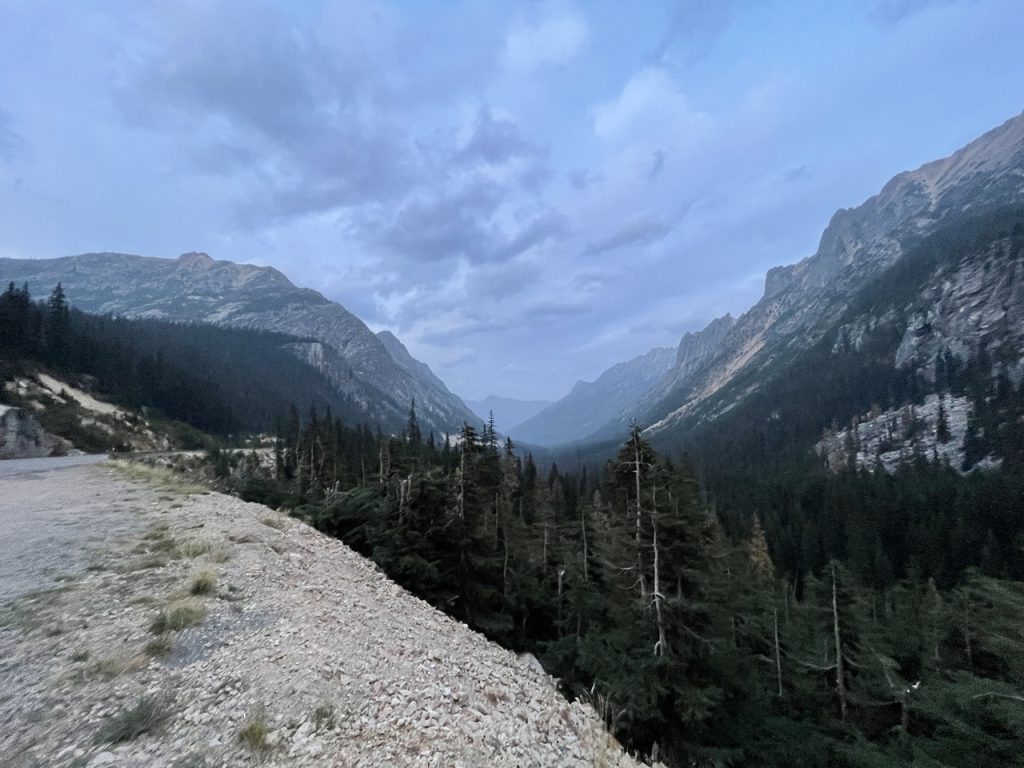
The North Cascades contain one of the most rugged landscapes in the United States, yet they receive only a fraction of the visitors seen in more famous parks. Sharp granite peaks rise above deep valleys, and more than 300 glaciers carve the mountains into dramatic shapes.
You quickly realize how wild this place feels. Trails climb through forests, past waterfalls, and into alpine meadows filled with wildflowers in summer. Wildlife sightings can include black bears, mountain goats, and marmots sunning themselves on rocks. Because development inside the park is minimal, the scenery feels raw and untouched. For hikers who want big mountain views without heavy crowds, this park delivers exactly that.
4. Isle Royale National Park
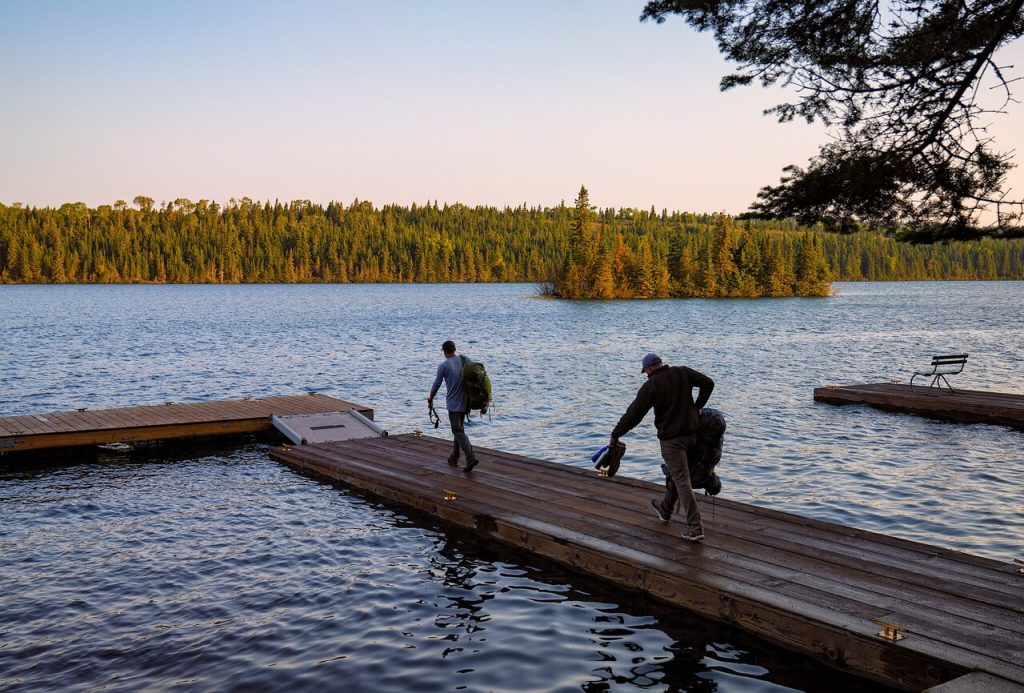
Reaching Isle Royale takes effort, which is exactly why it feels so remote. The park sits in the middle of Lake Superior and is accessible only by boat or seaplane. Once you arrive, you enter a landscape shaped by water, forest, and quiet wilderness.
You hike along rocky shorelines, paddle between forested islands, and camp in places where the night feels truly silent. The island is also famous for its long-studied wolf and moose populations. Scientists have monitored their relationship for decades, making it one of the longest predator-prey studies in the world. For visitors, the reward is simple: a national park where nature still sets the pace.
5. Dry Tortugas National Park
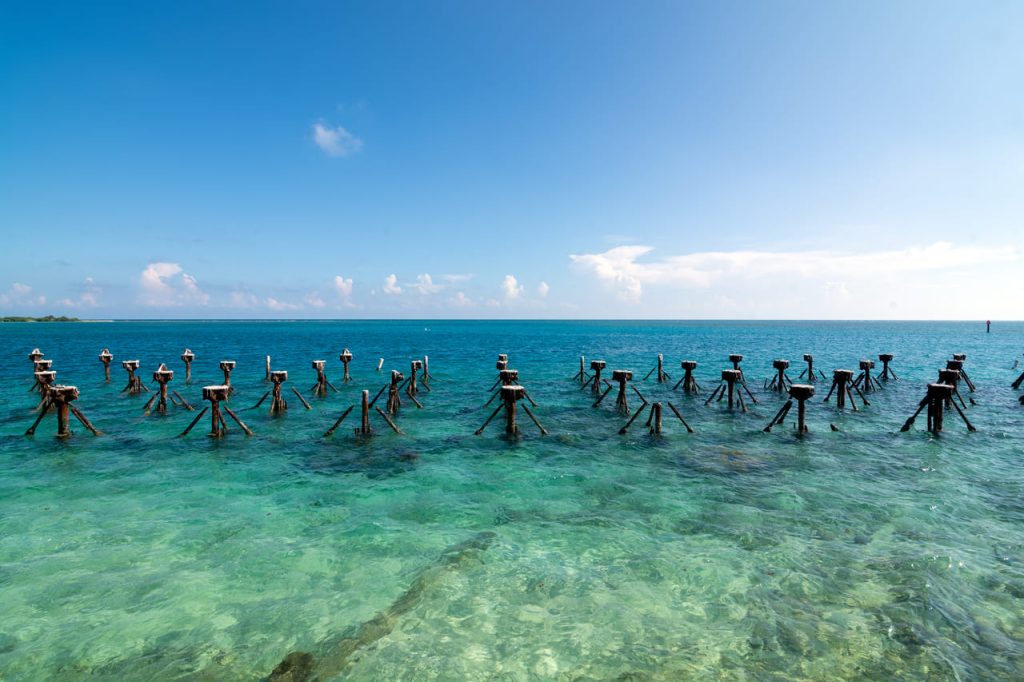
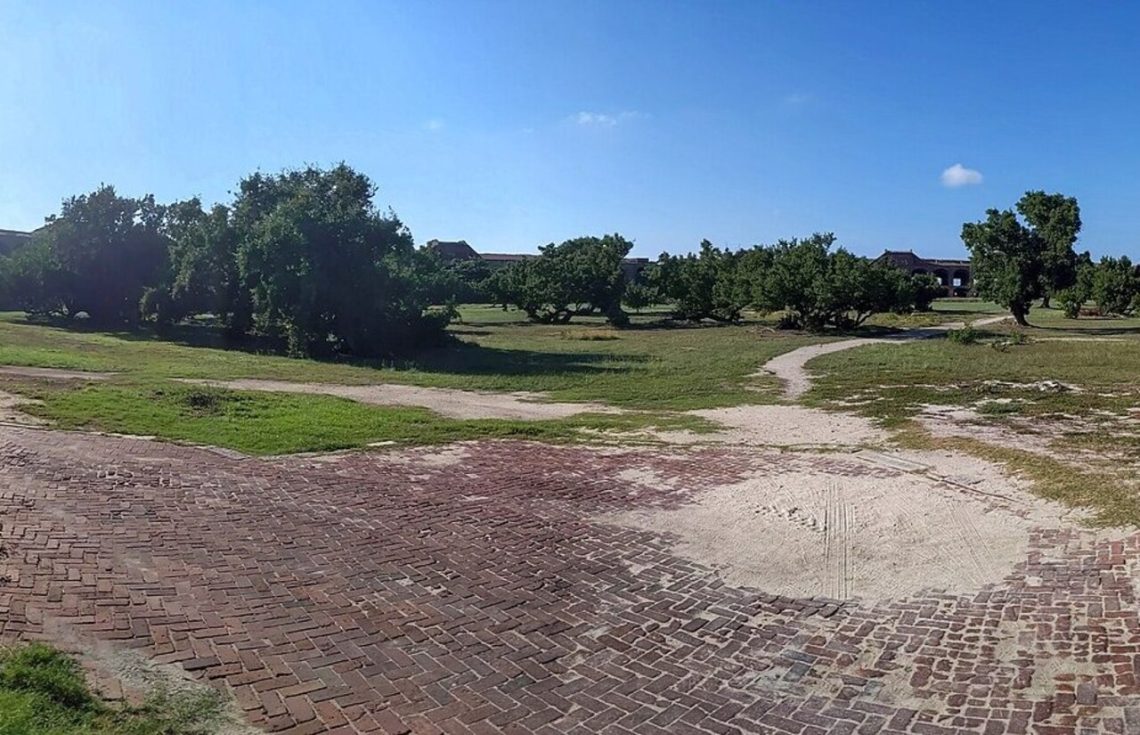
About 70 miles west of Key West lies Dry Tortugas, one of the most unusual parks in the system. Most of the park is open ocean, scattered with coral reefs and small sandy islands. At its center stands the massive brick structure of Fort Jefferson, a 19th-century coastal fortress surrounded by bright blue water.
You reach the park by ferry or seaplane, and the moment you arrive, the setting feels almost unreal. Snorkelers glide above coral reefs filled with tropical fish, while seabirds circle above the island. The isolation keeps crowds small, and the water clarity rivals many Caribbean destinations. Few national parks combine history and marine life in such a dramatic setting.
6. Guadalupe Mountains National Park
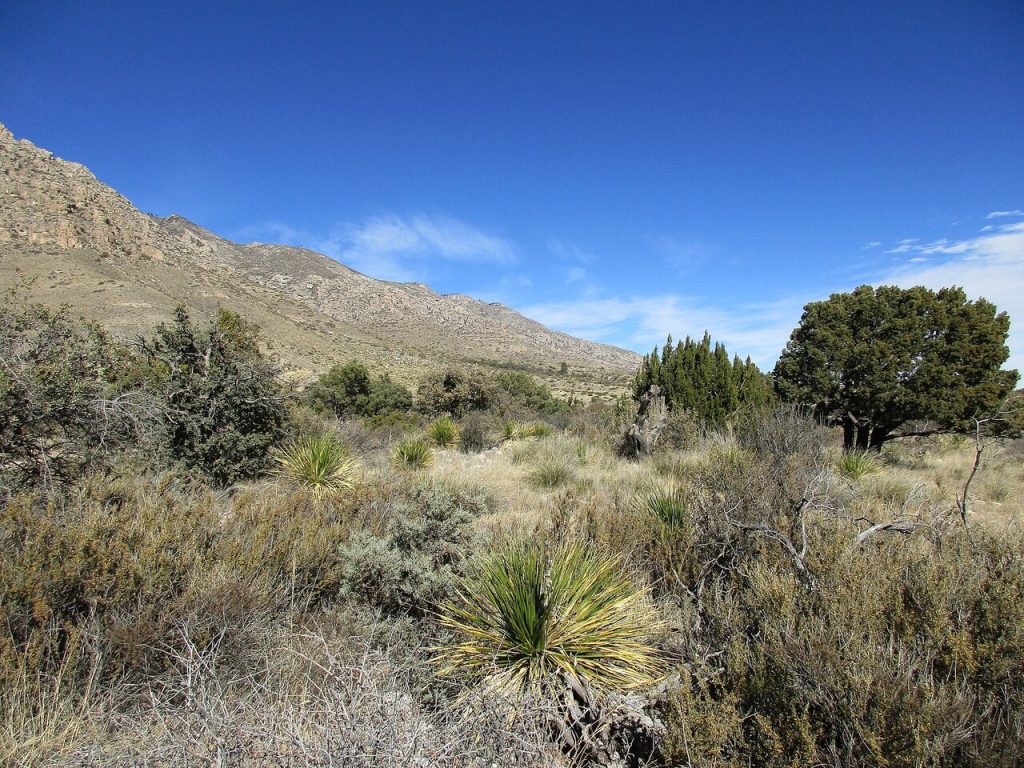
The Guadalupe Mountains protect the highest peak in Texas, along with a dramatic stretch of desert mountains. From a distance, the range looks harsh and dry, but once you begin hiking, you discover forests, hidden canyons, and seasonal streams.
The trail to Guadalupe Peak challenges hikers with a steady climb, yet the reward is a sweeping view across West Texas and southern New Mexico. On clear days, the desert stretches endlessly toward the horizon. Another highlight is McKittrick Canyon, where maple and oak trees create unexpected bursts of autumn color each year. It is a quiet park, but the scenery leaves a lasting impression.
7. Lassen Volcanic National Park
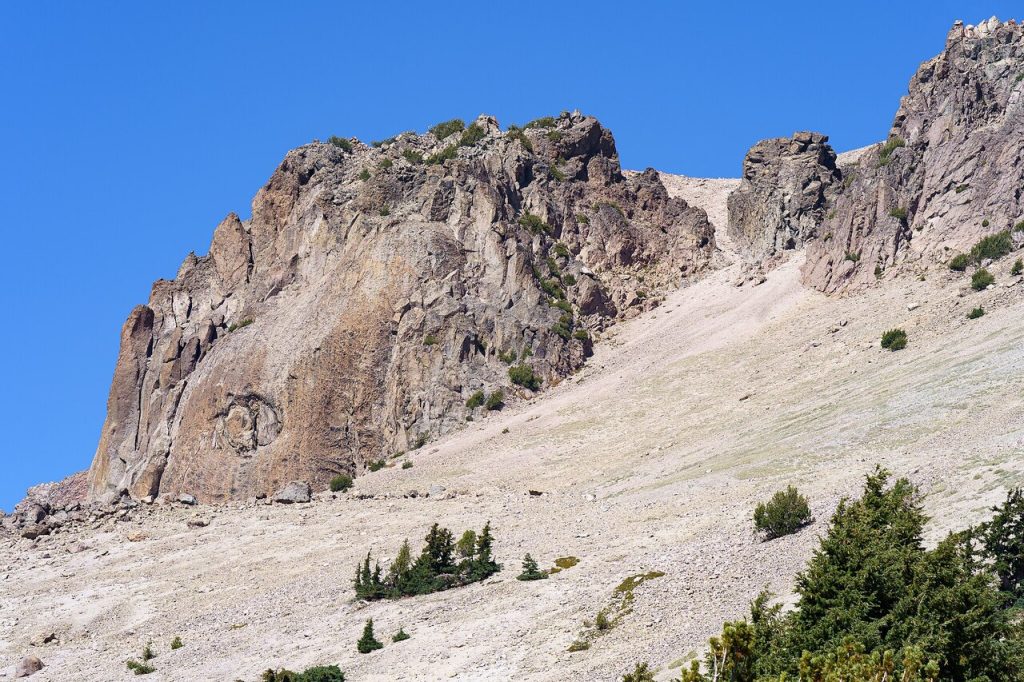
Lassen Volcanic offers a rare chance to see multiple types of volcanoes in one place. Steaming fumaroles hiss from the ground, bubbling mud pots churn beside the trail, and the snow-covered cone of Lassen Peak rises above forests and lakes.
You can hike past boiling hydrothermal areas in Bumpass Hell or paddle across the calm water of Manzanita Lake while the volcano reflects on the surface. The landscape feels almost like a smaller, quieter version of Yellowstone. Because it sits far from major tourist routes in California, many travelers simply pass it by. Those who stop discover one of the most geologically fascinating parks in the country.