Every city has a polished center that shows up on postcards, but small town squares tell a more honest story. When you step into one, you notice how daily life gathers there. Farmers set up early market tables, kids chase pigeons near old fountains, and neighbors pause on benches to trade local news. These spaces often date back centuries, shaped by trade routes, town halls, and churches that once organized community life.
When you visit a great square, you notice more than the architecture. You see how people actually use the space. Cafés spill onto cobblestones, markets bring farmers and artisans together, and festivals turn quiet corners lively. The best squares slow you down and connect you to the rhythm of a place. Here are seven small town squares that capture the spirit of their cities.
1. Plaza Mayor, Salamanca
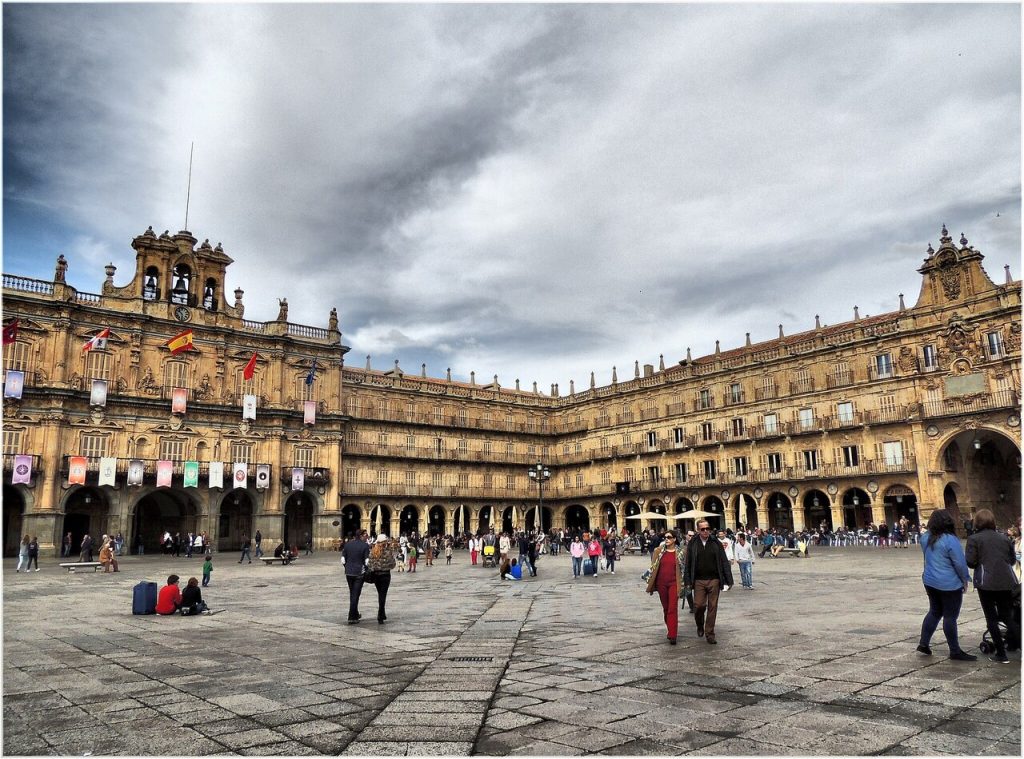
When you walk into this golden sandstone plaza, the first thing you notice is balance. Arcades line the square in perfect symmetry, creating shaded walkways filled with cafés and bookstores. Built in the 18th century, the plaza was designed as a gathering space where trade, celebration, and public announcements could happen in one shared setting.
If you arrive in the evening, you see why locals treasure it. Students from the nearby university gather on the steps, musicians set up along the arcades, and families stroll slowly through the center. The square does not feel like a tourist attraction. It feels like a place where daily life naturally unfolds.
2. Market Square, Kraków
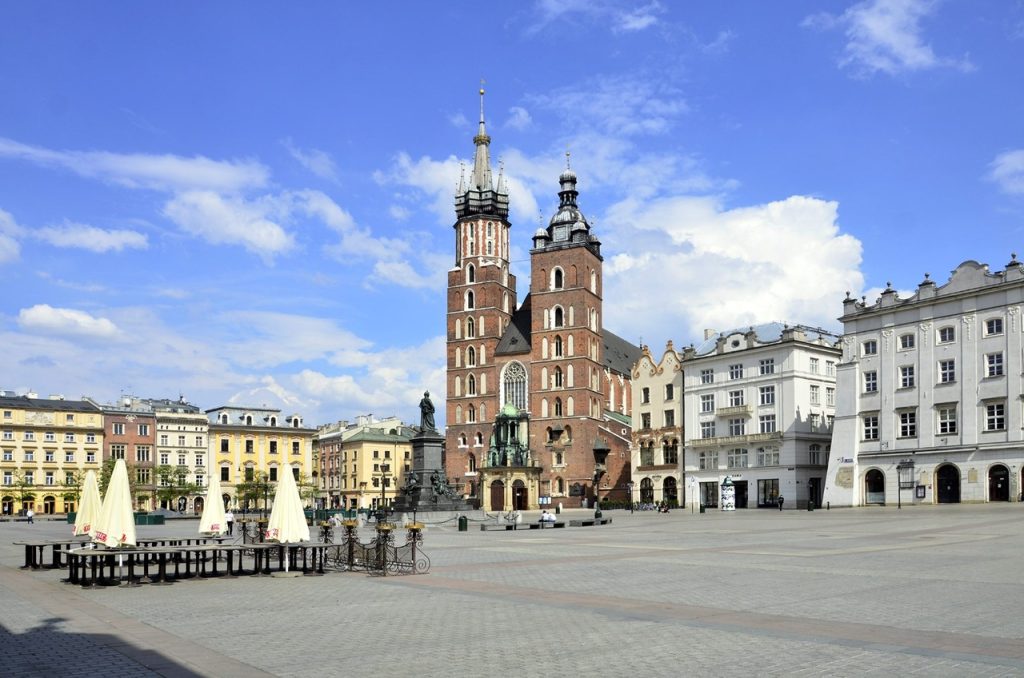
Standing in the middle of this square, you quickly realize its scale. Market Square stretches across nearly ten acres, making it one of the largest medieval squares in Europe. For centuries, it served as a trading hub where merchants sold salt, textiles, and spices brought from across the continent.
Today, you experience that history through activity rather than artifacts. Flower sellers arrange colorful stalls, street performers entertain crowds, and horse-drawn carriages circle the square at a gentle pace. The Cloth Hall still anchors the center, reminding you that commerce once defined this space. Even now, the square works the same way it did hundreds of years ago.
3. Piazza del Campo, Siena
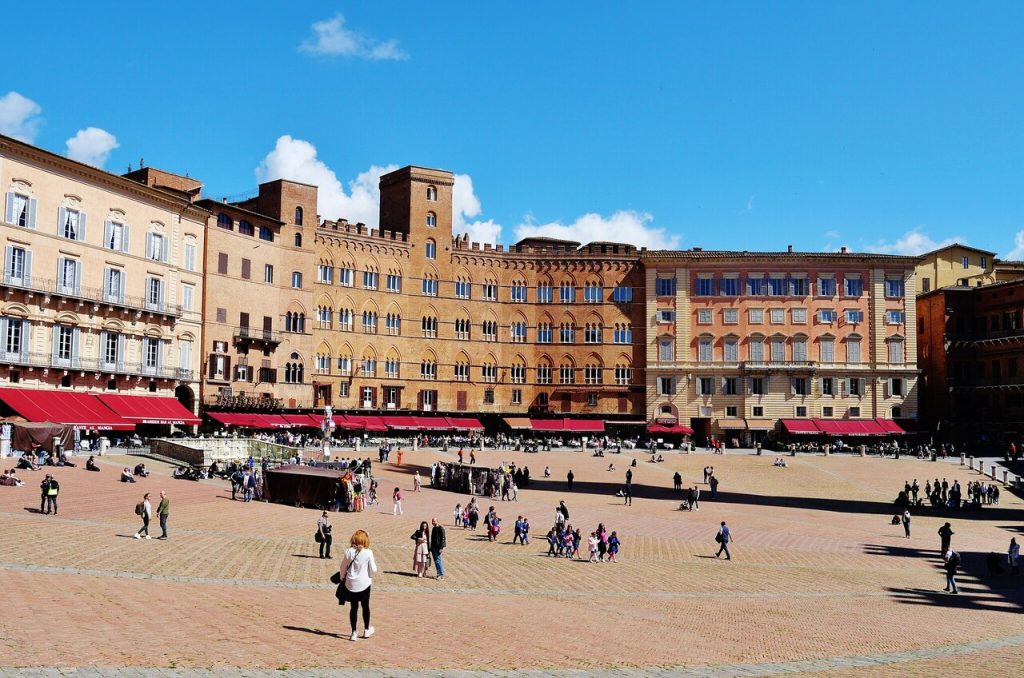
This shell-shaped plaza feels almost theatrical. The red brick paving slopes gently toward the center, guiding your eyes to the Palazzo Pubblico and its tall bell tower. Built in the 1300s, the square was designed as a civic gathering space where Siena’s government and citizens could interact openly. Italian urban historians often point to it as one of the earliest examples of intentional public space design.
You feel that intention the moment you sit on the brick pavement alongside locals and travelers. People lounge in small groups, sharing gelato or simply resting in the sun. Twice a year, the square transforms into the famous Palio horse race, but most days it remains calm and social. The design encourages conversation and lingering.
4. Jackson Town Square, Wyoming
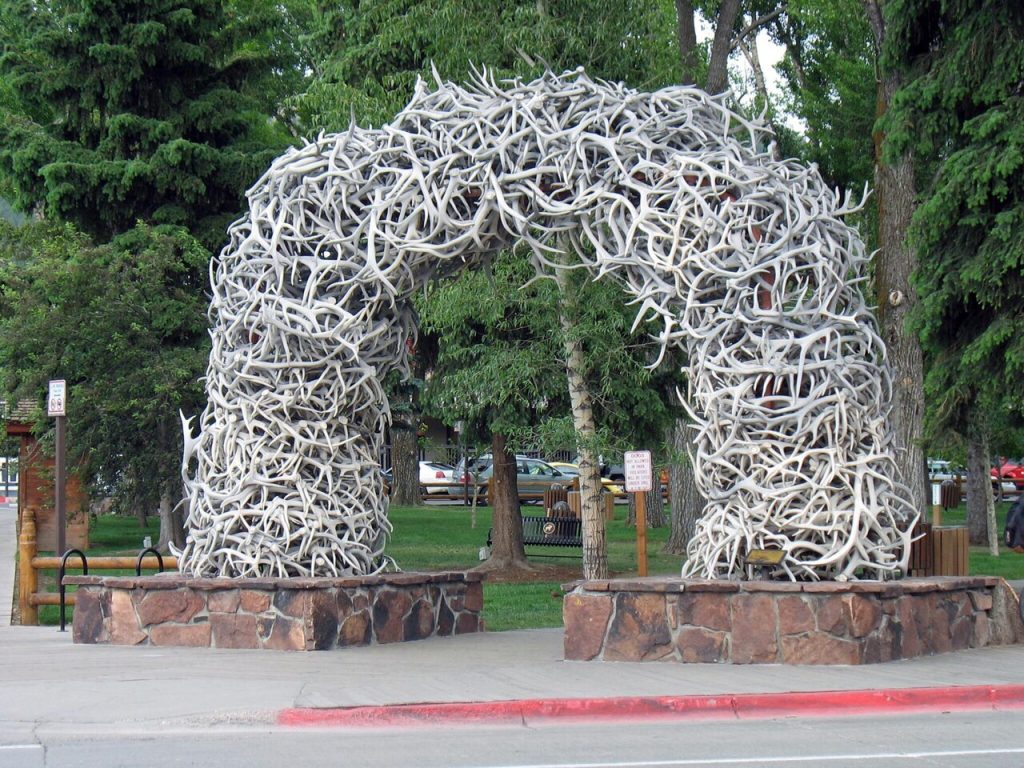
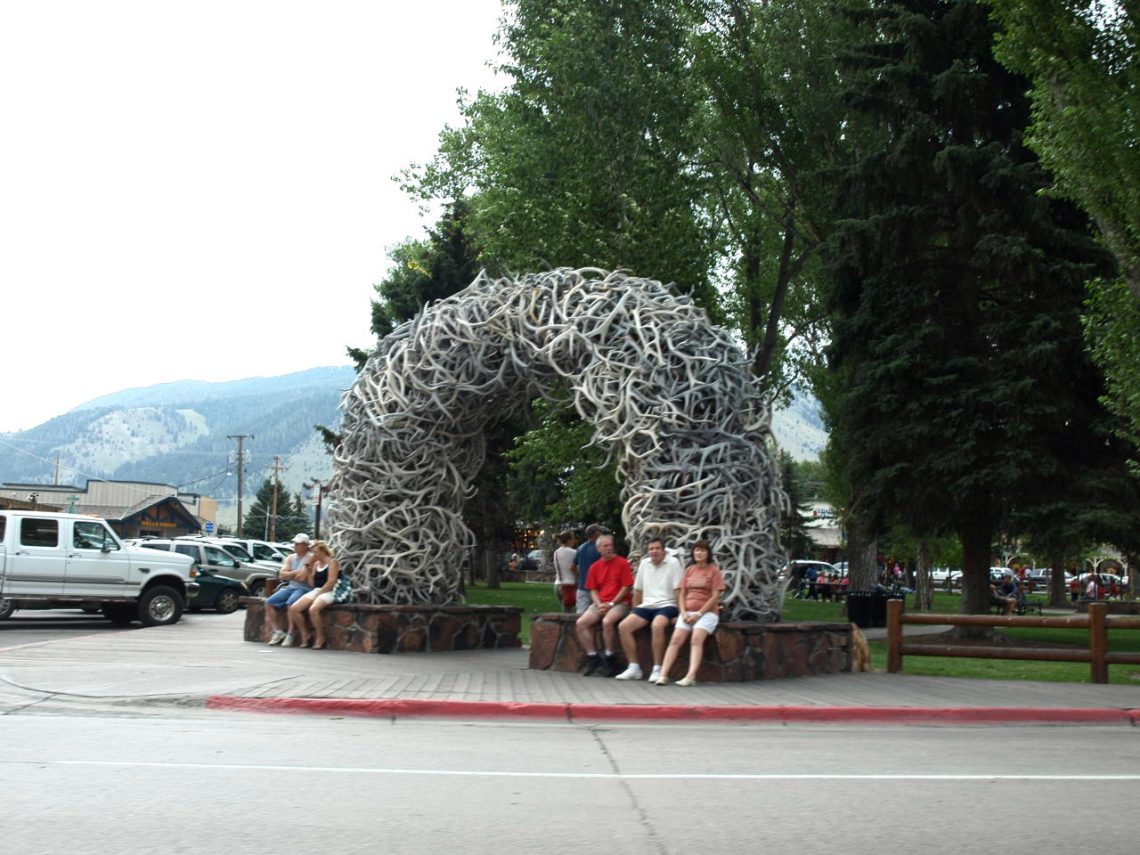
This square reflects the character of the American West in a way few public spaces do. At each corner stands an arch made from thousands of elk antlers, collected from nearby wildlife refuges. The square sits at the center of Jackson, framed by wooden storefronts, art galleries, and mountain views that remind you how close the wilderness is.
You quickly notice how locals and visitors share the space. Families gather near the stage during summer concerts, while travelers rest before heading toward nearby national parks. The square hosts farmers’ markets, art fairs, and community events throughout the year. Local tourism records show it functions as both a civic hub and a welcoming point for newcomers.
5. Place Plumereau, Tours
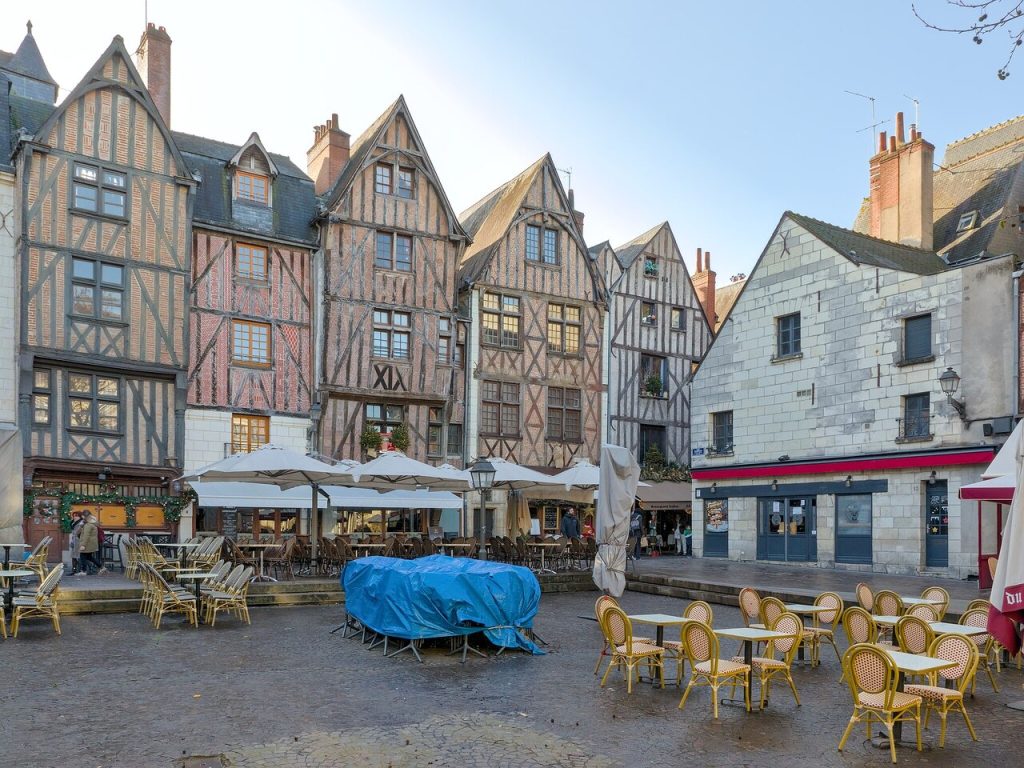
When you enter this square, the architecture pulls you back in time. Half-timbered houses lean slightly over narrow streets, their wooden beams and colorful façades creating one of the most photographed scenes in the Loire Valley. Preservation studies from the French Ministry of Culture highlight the square as a successful restoration project that revived historic buildings without losing local character.
The real charm appears once the cafés fill. Students from the nearby university mix with longtime residents, and outdoor tables are spread across the square. Conversation flows easily, often lasting long after sunset. What you experience here is not just history but continuity.
6. Plaza de la Constitución, Oaxaca
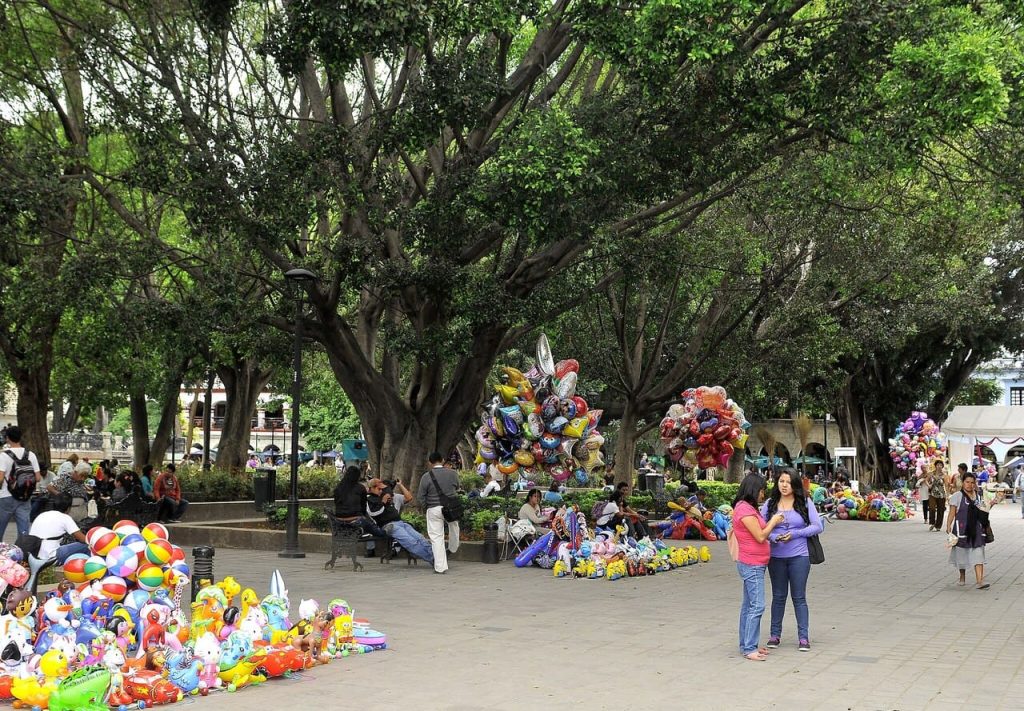
This square sits at the cultural heart of Oaxaca. Known locally as the Zócalo, it has served as a central gathering place since the colonial period. Government buildings, churches, and arcaded walkways frame the plaza, reflecting the Spanish influence on city planning. Historical accounts from Mexican cultural institutions describe the square as a political and social stage for generations of public life.
When you visit, music often fills the air. Street bands perform under the trees while vendors sell snacks and handmade crafts. Families gather in the evenings to listen to concerts or simply enjoy the cooler air after sunset. The square feels lively but relaxed.
7. Place du Tertre, Montmartre
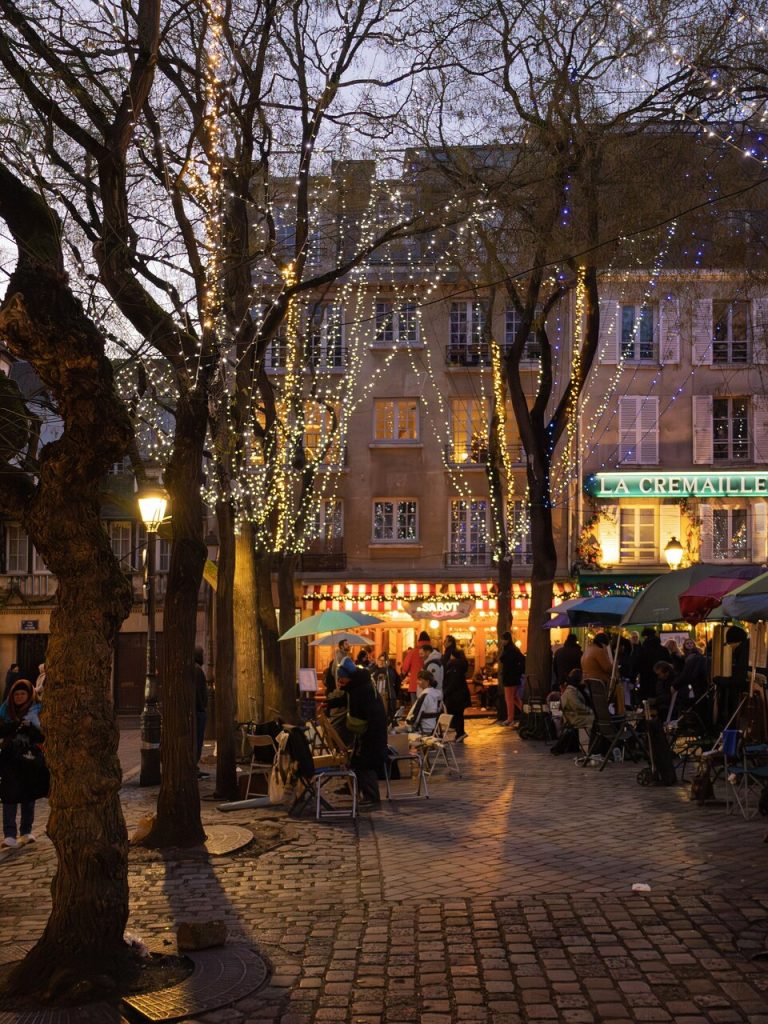
When you step into this small square, you immediately feel its creative energy. Tucked into the Montmartre neighborhood, the plaza has long attracted painters, sketch artists, and travelers curious about the artistic history of the area.
As you walk across the cobblestones, you see easels set up in rows while artists paint portraits and city scenes. Outdoor cafés surround the plaza, filling the air with conversation and the clink of coffee cups. Musicians sometimes appear along the edges, adding to the lively atmosphere. The square feels small, but it carries a strong sense of identity. Spend a little time here, and you begin to understand how art and everyday life continue to blend naturally in this corner of the city.