


Retirement brochures in the United States love to sell the highlight reel: sunshine, low taxes, and a laid-back lifestyle. But retirees often learn the hard way that “great on paper” can still be tough in real life. Once you’re living on a fixed income, hidden pressure points like high insurance bills, steep housing costs, property taxes, limited healthcare access, and punishing summer weather can change everything. This article breaks down seven states retirees commonly say feel harder than advertised, so you can plan with clear eyes and fewer regrets.
Florida
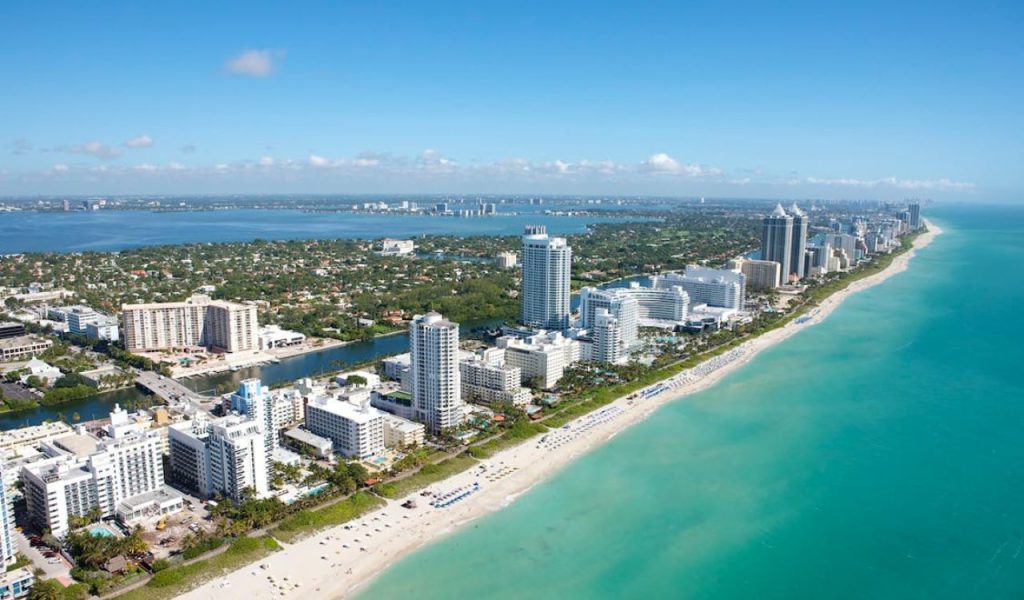
Florida sounds like a retiree’s dream: sun, beaches, active communities, and no state income tax. But many retirees get hit by the day-to-day costs, especially homeowners. Insurance can spike, storm prep and repairs add up, and “tax-friendly” stops feeling cheap fast. Then summer arrives. Heat and humidity can keep you indoors for weeks, shrinking the outdoor life you imagined. Tip: rent first, get insurance quotes early, and budget for higher upkeep. If you love Florida, choose higher-ground neighborhoods, avoid surprise fees, and keep a storm fund. The sunshine is real, but so is the price tag!
Hawaii

Hawaii sells itself as pure paradise: ocean views, mild weather, and a slower pace. Retirees often discover the price tag is the real shock. Groceries, utilities, and everyday services can cost much more than on the mainland, and home upkeep is rarely cheap. Add the cost of travel for family visits, and the budget tightens fast. Another snag is healthcare access on some islands, especially for age-related specialists. If you’re considering Hawaii, run a real monthly budget, not a vacation one, and confirm medical care nearby before you commit. Even small extras can turn “dreams” into stress…
California

California is marketed as the “best weather” retirement: beaches, culture, and year-round sunshine. The catch is the cost of simply living there. Housing prices and rents can swallow a fixed income, and even basic expenses like gas, groceries, and services tend to run high. Taxes can also surprise retirees depending on where their income comes from. Many people love the lifestyle, but feel constantly squeezed by the numbers. If you want California, plan for smaller housing, compare regions carefully, and price the everyday essentials before you move. Otherwise, the dream can feel like a grind.
New Jersey

New Jersey can look appealing for retirement: close to major cities, strong services, and plenty to do. Then, retirees meet the real budget killer: property taxes. Even if you downsize, the yearly tax bill can stay heavy, and it keeps coming whether the home is paid off or not. Costs for car insurance, utilities, and everyday errands can also run higher than expected in many towns. If you’re set on New Jersey, compare municipalities street by street, ask for the full tax history, and treat that number like a second mortgage payment in your monthly plan. Not the surprise you want in retirement!
New Mexico

New Mexico attracts retirees with big skies, desert beauty, and a slower, quieter pace. But some people find the day-to-day reality tougher than expected. Crime concerns can shape where you feel safe living, and the gap between urban and rural services is real. In smaller towns, getting to specialists, hospitals, or even routine appointments may mean long drives and long waits. The scenery is amazing, but convenience matters more as you age. If New Mexico is on your list, choose your city carefully, research safety trends, and map out healthcare options before signing a lease or buying a home.
Mississippi
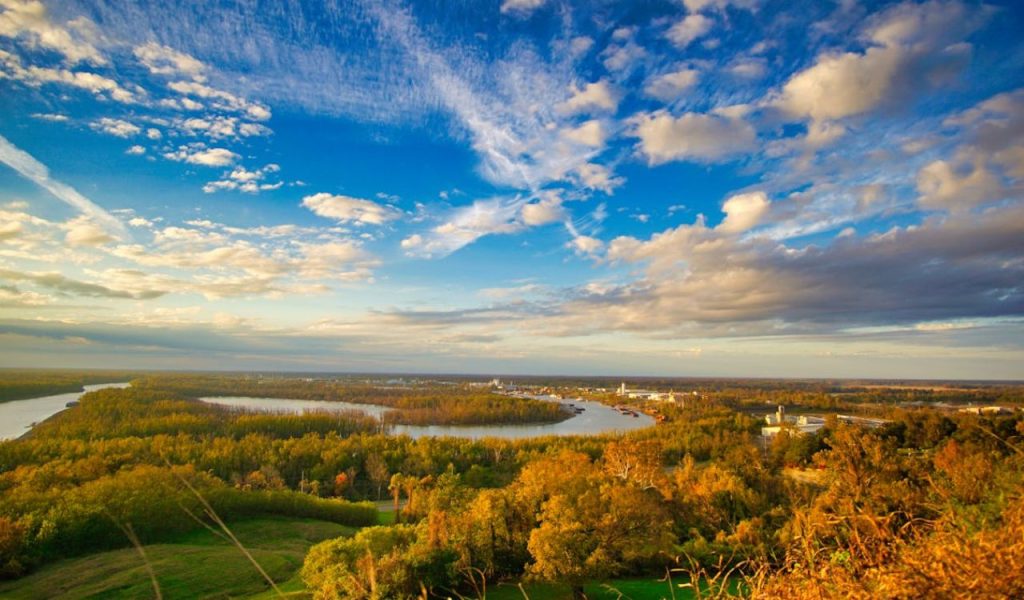
Mississippi is sold as an affordable retirement: lower housing costs, cheaper day-to-day living, and a slower pace. Some retirees enjoy the savings, but the tradeoffs can bite. In many areas, quality healthcare is harder to access, and seeing specialists may mean long drives. Retirees also mention fewer wellness programs, weaker support for staying active, and uneven food access in some communities. If Mississippi is on your list, live near major medical centers, budget for travel to appointments, and choose a town with reliable groceries and safe places to walk. Costs jump when health slips!!
West Virginia

West Virginia can look like a smart retirement pick on price alone: low housing costs, quiet towns, and beautiful mountains. The problem is what happens when you need care. Retirees often run into weaker healthcare access, fewer specialists, and longer drives for serious treatment. That may not matter at sixty-five, but it matters a lot at seventy-five. Social options can also feel limited outside larger areas, which can add to isolation. If you’re considering West Virginia, choose a spot close to strong hospitals, plan transportation early, and test the community before committing full-time!