Travel has a way of resetting your perspective, especially when you step into places that invite quiet reflection instead of constant stimulation. You notice small details again: the rhythm of wind across open landscapes, the warmth of simple conversations, and the clarity that comes from being somewhere that asks nothing of you except presence. These journeys are not about checking landmarks off a list.
The destinations below are grounded in real cultural and environmental significance, recognized by organizations like UNESCO and national conservation bodies. Each offers space to slow down, reconnect with nature or tradition, and rediscover your own pace.
1. Faroe Islands
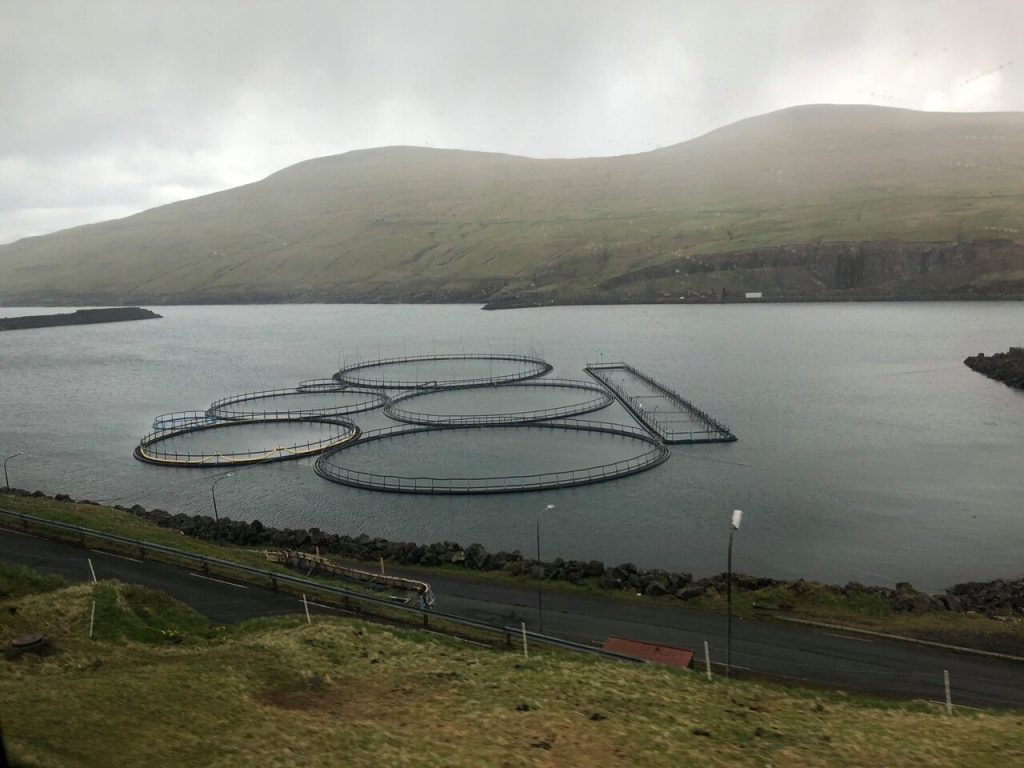
You arrive where steep cliffs meet restless seas, and weather shifts by the hour. Small villages with turf-roofed homes sit quietly along fjords, and long walks reveal waterfalls plunging straight into the ocean. With a population of just over 50,000, the islands maintain a strong sense of community and tradition, supported by careful environmental policies from local authorities that prioritize sustainable tourism and cultural preservation.
As you explore, you feel a natural slowing down. Conversations with residents often turn to fishing heritage, storytelling, and respect for the land. The absence of crowds allows you to notice subtle sounds: seabirds overhead, wind through grass, distant waves.
2. Ladakh
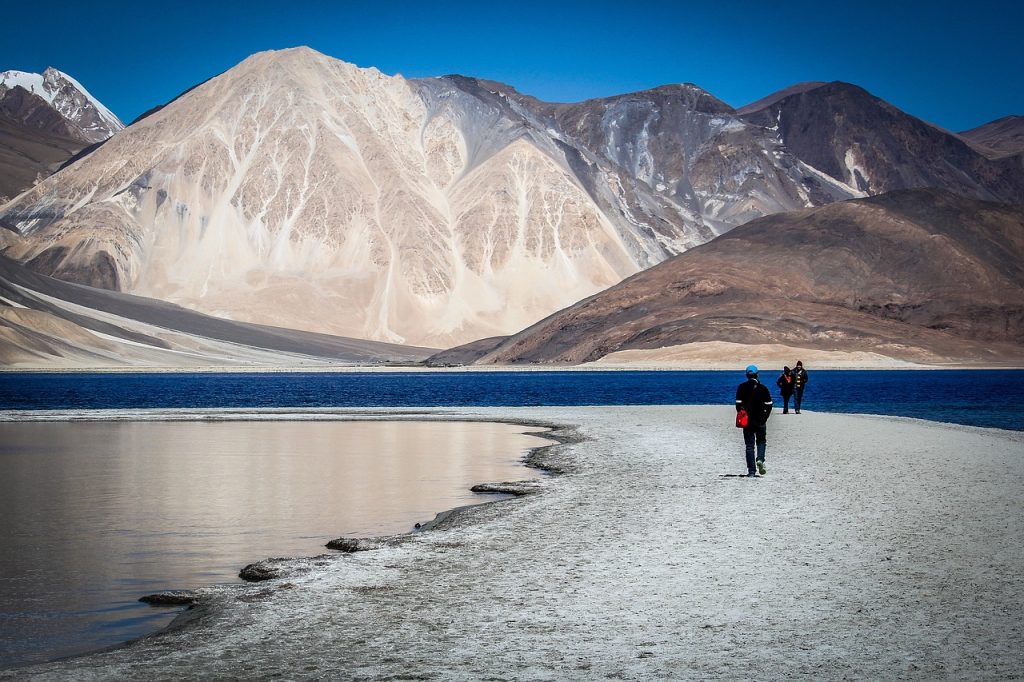
High in the Himalayas, stark mountains and clear skies create a setting that feels both humbling and grounding. Monasteries such as Hemis Monastery preserve centuries-old Buddhist practices, and daily life follows seasonal rhythms shaped by climate and geography. The region’s fragile ecosystem has prompted local initiatives focused on sustainable water use and responsible travel.
You quickly become aware of your own pace as altitude encourages slower movement and mindful breathing. Watching prayer flags flutter against vast landscapes can bring a quiet sense of perspective. Many visitors find that time spent here encourages reflection on priorities, offering mental clarity that feels difficult to access amid busier environments.
3. Patagonia

Stretching across Argentina and Chile, this remote region offers glaciers, windswept plains, and dramatic peaks protected in parks like Torres del Paine National Park. Conservation programs supported by regional governments and environmental groups have helped maintain its biodiversity, making it a model for large-scale wilderness protection.
Long hikes across open terrain invite you to disconnect from routine distractions. You notice how quickly daily concerns fade when faced with vast horizons and changing light. Even brief moments, such as watching clouds drift over granite towers, can foster a sense of calm and remind you of the value of patience and resilience.
4. Kyoto
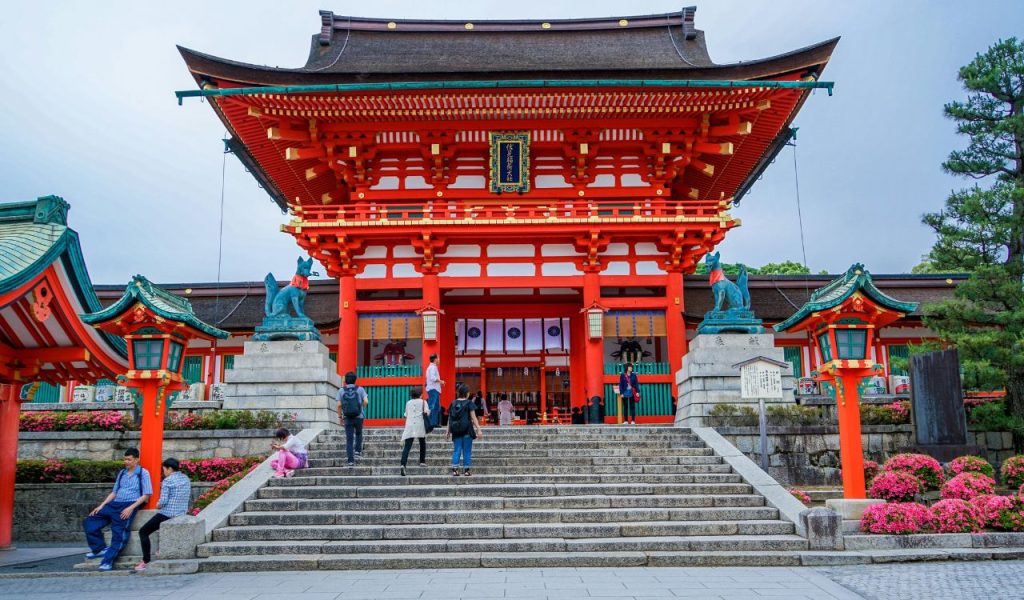
Historic temples, carefully tended gardens, and traditional neighborhoods offer a setting shaped by centuries of cultural continuity. Sites like Kinkaku-ji reflect design principles rooted in harmony and restraint, and preservation efforts ensure that rituals and crafts remain part of daily life rather than museum pieces.
Walking through quiet lanes at dawn, you begin to notice the intention behind small details: the placement of stones, the sound of bamboo in the wind, the rhythm of tea ceremonies. These experiences encourage a gentler mindset, helping you return home with a deeper appreciation for mindfulness in everyday routines.
5. Isle of Skye
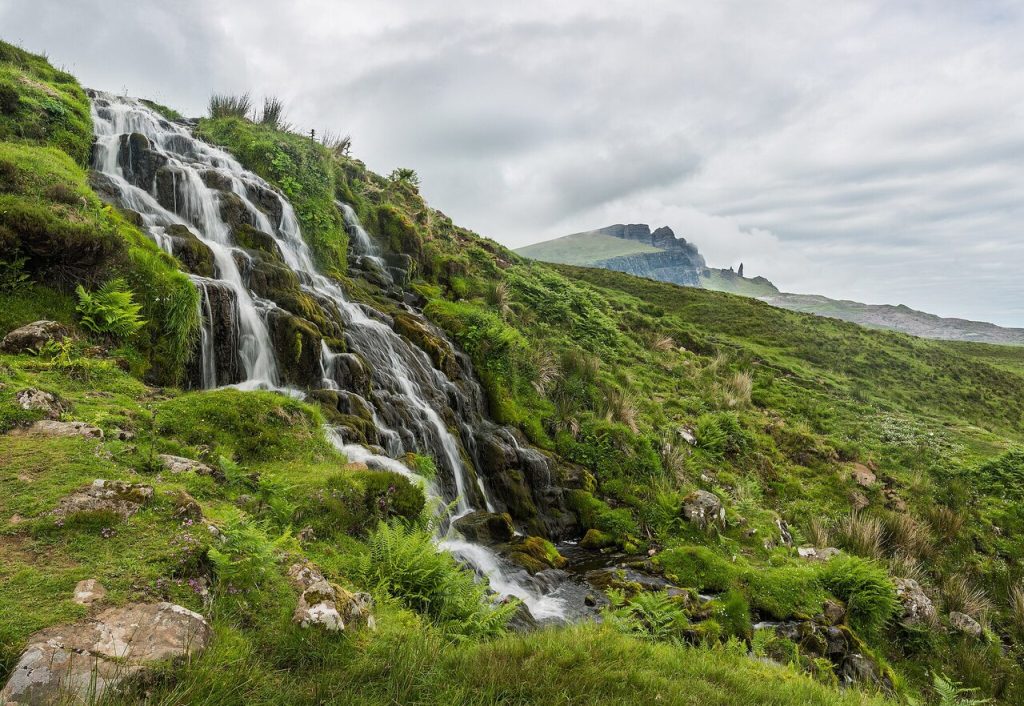
Rugged coastlines, misty hills, and ancient geological formations create a landscape rich with folklore and natural beauty. Areas like the Quiraing showcase dramatic terrain shaped over millions of years, while local communities work to balance tourism with environmental stewardship.
You find that unpredictable weather encourages flexibility and presence. Whether watching light shift across cliffs or listening to local stories in small villages, you experience a sense of continuity with the past. Many visitors leave feeling refreshed, with a renewed connection to nature and a quieter internal rhythm.
6. Sedona

Known for its striking red rock formations, Sedona sits within landscapes protected by the U.S. Forest Service. Hiking trails wind through canyons and mesas, offering sweeping views and opportunities for solitude. The region’s long history of Indigenous presence adds cultural depth to the experience.
Spending time outdoors here often encourages reflection, whether through quiet walks or simply watching changing light on sandstone cliffs. Many travelers report feeling mentally refreshed after disconnecting from constant noise and reconnecting with open space and slower days. You often leave with a renewed sense of calm that lingers long after the trip ends.
7. Bhutan
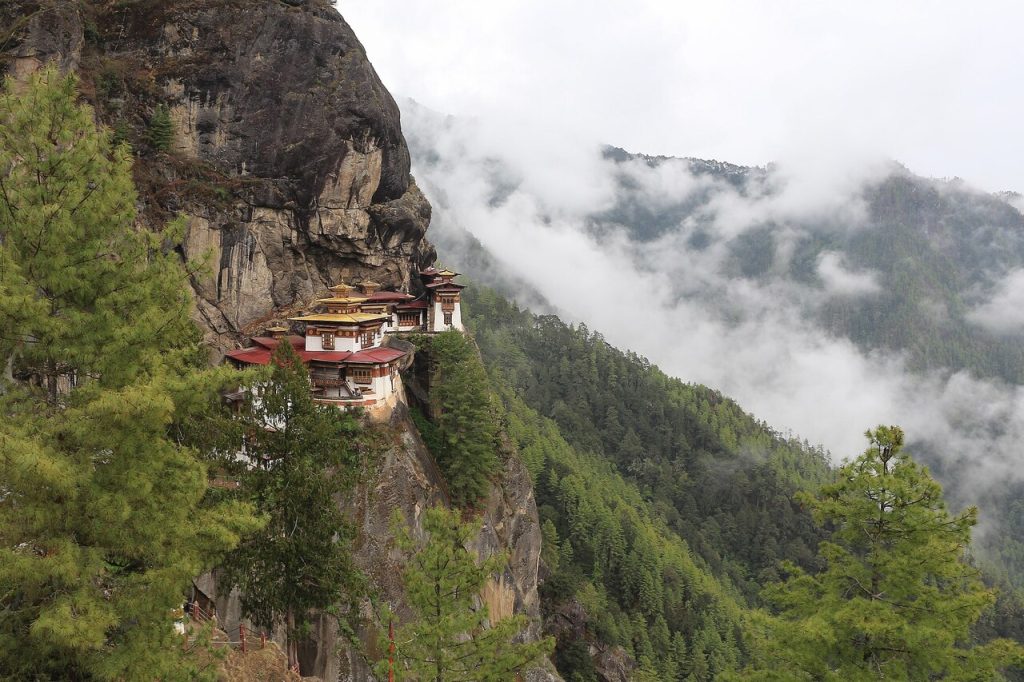
Guided by a national philosophy that prioritizes well-being, Bhutan carefully manages tourism to protect cultural heritage and natural landscapes. Monasteries like Tiger’s Nest Monastery cling to cliffs, offering both spiritual significance and breathtaking views recognized by global cultural organizations.
As you explore valleys and villages, you notice a deliberate pace of life shaped by tradition and community values. Conversations often revolve around local customs and environmental care, encouraging you to reflect on your own relationship with time, work, and contentment. You begin to appreciate how intentional living can reshape your priorities long after you return home.
8. Wadi Rum
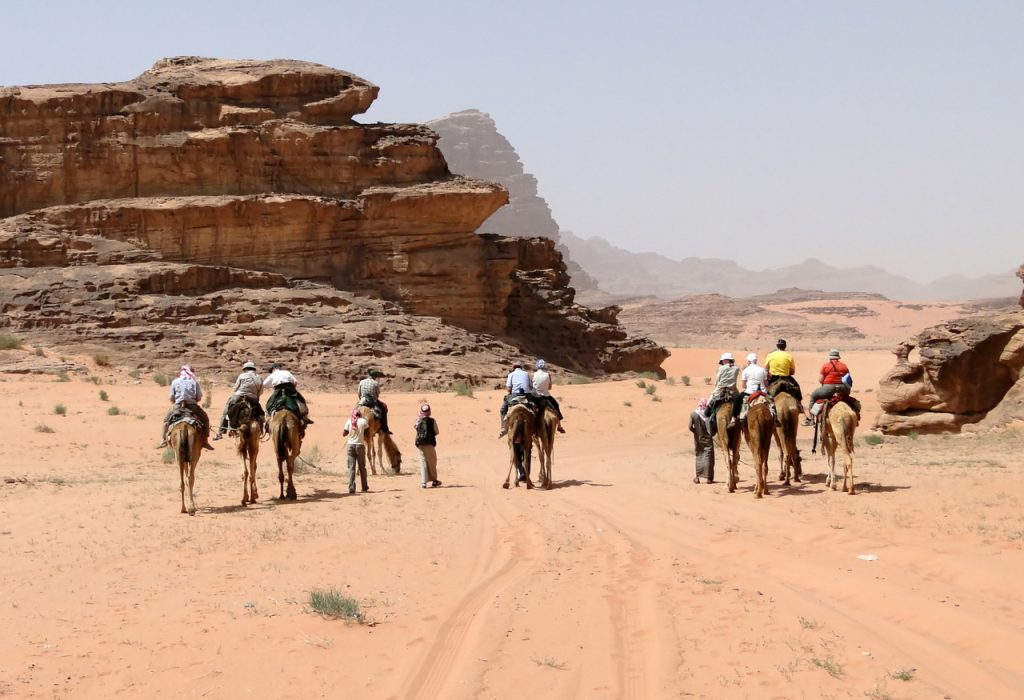
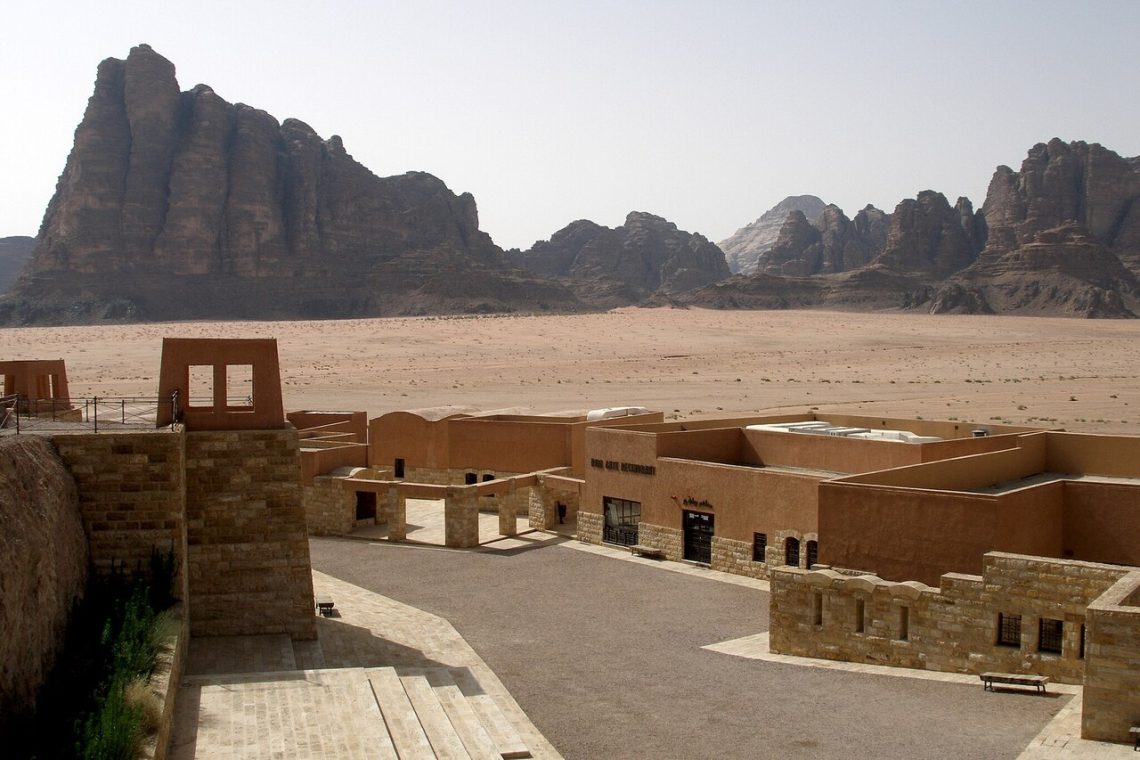
Vast sandstone formations and open desert skies define this protected area, designated as the Wadi Rum Protected Area for its natural and cultural importance. Bedouin traditions remain central to life here, offering insight into ways of living closely connected to the land.
Evenings under clear skies create space for quiet thought, while daytime explorations reveal subtle desert textures and colors. The simplicity of the environment often helps you reset mentally, returning home with a stronger sense of perspective and appreciation for stillness. You carry a quiet clarity that makes everyday concerns feel more manageable.