Some places don’t just show you history, they let you step inside it. When you walk their streets, you notice how daily life still follows rhythms shaped centuries ago. You hear old languages, see traditional crafts, and sense how carefully these communities hold onto their identity. Visiting them feels less like sightseeing and more like borrowing time from another era.
You slow down without trying. You notice textures in stone walls, the way markets open at dawn, and how rituals continue quietly around you. Historians, cultural preservation groups, and organizations like UNESCO highlight these destinations because they offer rare continuity between past and present. Here are eight places where you can experience that living connection firsthand.
1. Kyoto, Japan
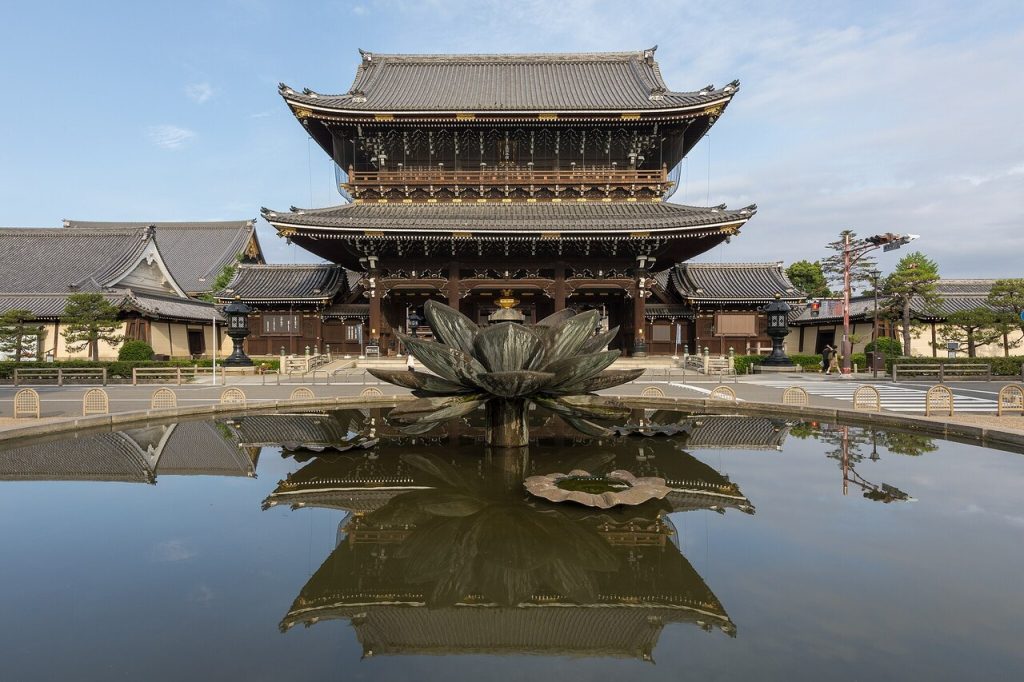
In Kyoto, you move through narrow lanes lined with wooden machiya houses, where tea ceremonies and seasonal festivals still shape daily life. You might pass a shrine tucked between homes or hear temple bells echo across neighborhoods that have preserved traditions for centuries. The city escaped major wartime destruction, which helps explain why so much historic character remains intact today.
You feel the passage of time in small details, from carefully tended gardens to artisans practicing centuries-old crafts. Cultural historians often point to Kyoto as a model of heritage preservation, where modern life exists alongside rituals rooted in the Heian period. Walking here, you sense continuity rather than nostalgia, as if the past never fully left.
2. Petra, Jordan

At Petra, you enter through a narrow sandstone canyon that opens suddenly onto monumental facades carved directly into rock. Built by the Nabataeans over two thousand years ago, the site still conveys the scale and ingenuity that once made it a thriving trade hub. Archaeological research continues to reveal how sophisticated its water systems were.
As you explore tombs and pathways, you imagine caravans arriving from distant regions, carrying spices and textiles. Preservation efforts led by Jordanian authorities and international scholars aim to balance tourism with the protection of fragile structures. Standing among these rose colored cliffs, you feel both the weight of history and the resilience of a city carved to endure.
3. Venice, Italy
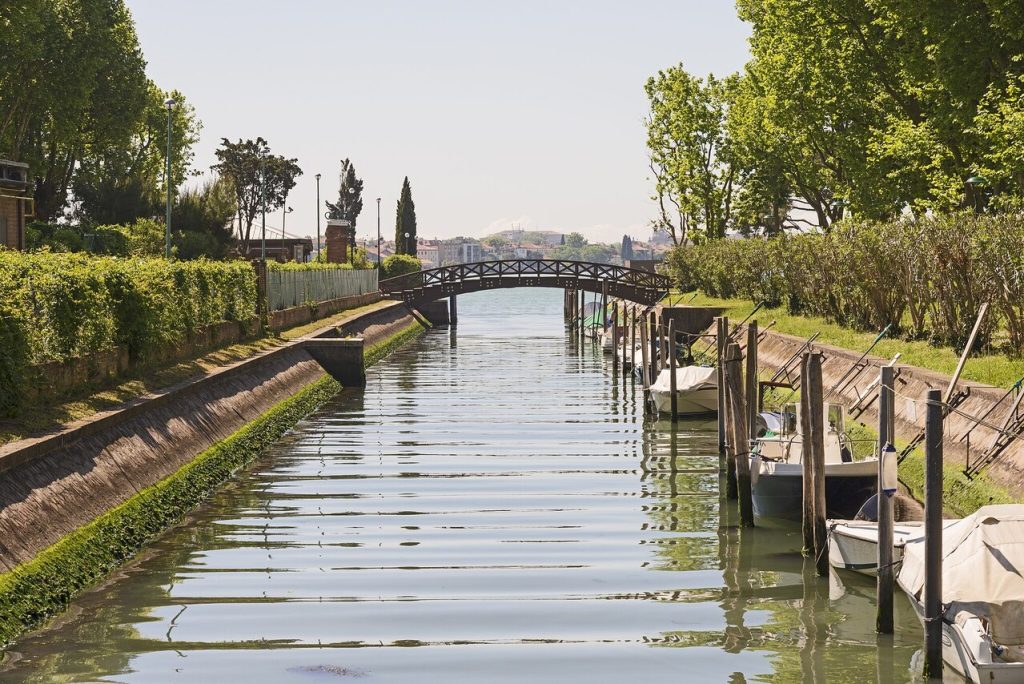
In Venice, you travel by foot or boat through canals that have shaped life here for over a millennium. Gothic palaces, quiet courtyards, and centuries-old churches create a setting where everyday routines unfold against a backdrop that feels suspended in time. Conservationists closely monitor the city because of its cultural significance and environmental challenges.
You notice how traditions persist, from gondola workshops to neighborhood markets serving locals as they have for generations. Art historians often describe Venice as a living museum, yet it remains a working city where residents maintain customs that define its character. Moving through its labyrinth of streets, you sense history woven into daily rhythms.
4. Varanasi, India
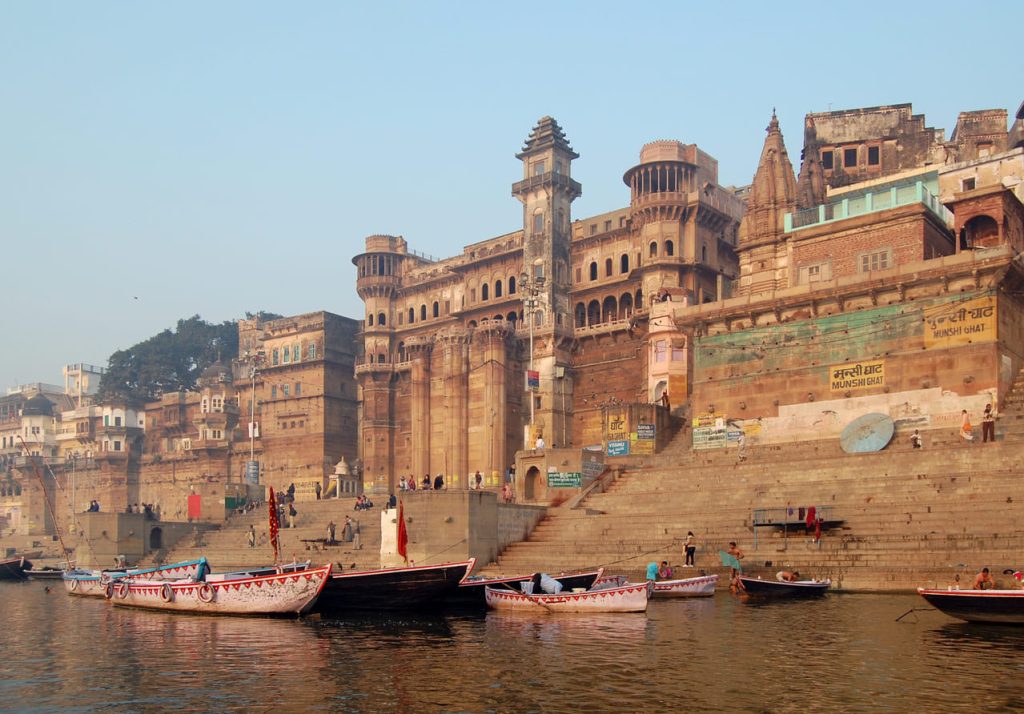
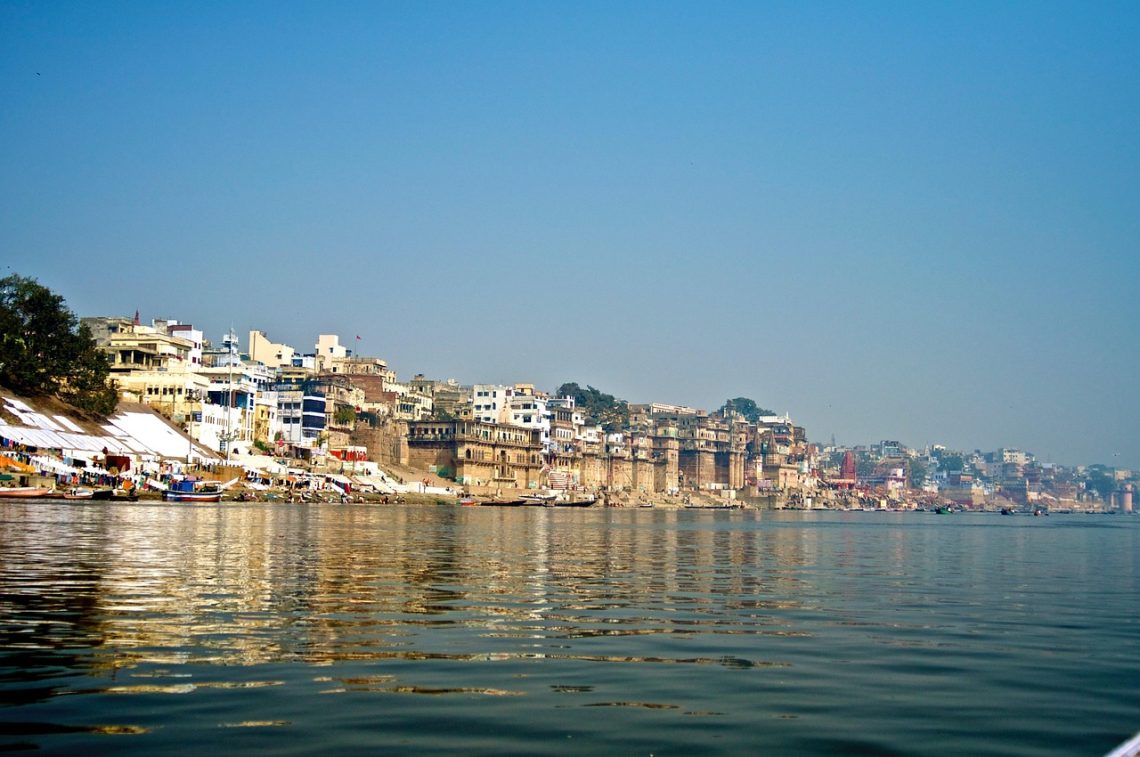
Along the ghats of Varanasi, you witness rituals that have continued for thousands of years along the Ganges River. Pilgrims gather for prayers, priests perform ceremonies, and morning light reveals steps worn smooth by generations. Scholars of religion frequently cite Varanasi as one of the world’s oldest continuously inhabited cities.
You feel how spirituality shapes everyday life, from temple bells at dawn to evening aarti ceremonies reflected in the water. Cultural researchers note that the city’s enduring traditions offer insight into living heritage rather than preserved history alone. Walking its lanes, you experience a place where the past remains deeply present.
5. Havana, Cuba
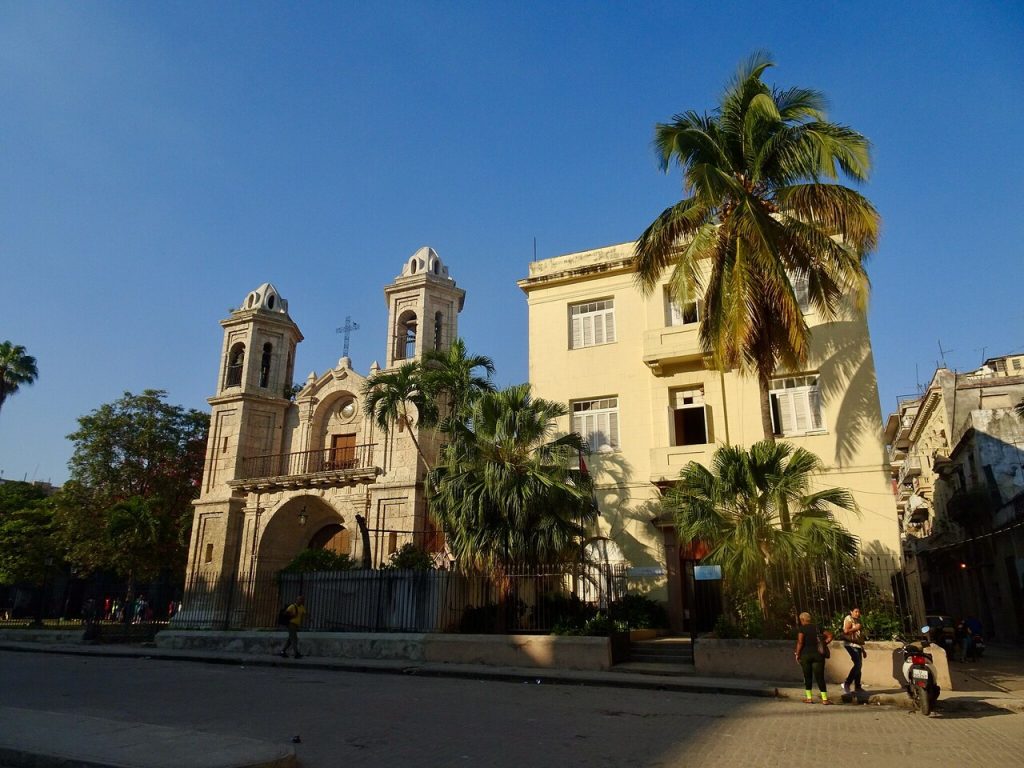
In Havana, pastel buildings, vintage cars, and lively plazas evoke the mid twentieth century, especially in the historic district recognized for its architectural preservation. Music spills from doorways, and daily routines unfold in streets where colonial-era structures stand beside later additions shaped by complex history.
You sense how cultural identity thrives through art, conversation, and community gatherings. Preservation programs supported by Cuban institutions and international partners aim to protect historic neighborhoods while supporting residents. As you explore, you notice how the city’s atmosphere reflects layers of time rather than a single frozen moment.
6. Dubrovnik, Croatia
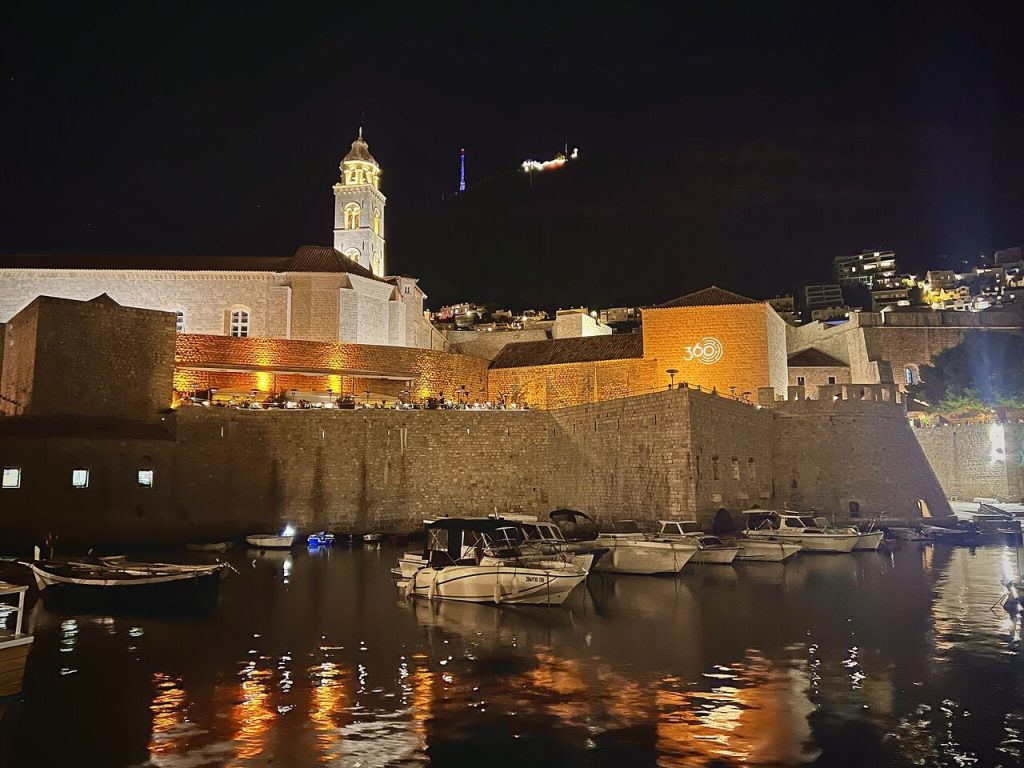
Within the stone walls of Dubrovnik, you walk polished limestone streets that have guided travelers since the medieval period. Fortifications, churches, and narrow alleys reflect the city’s long role as a maritime republic. Restoration after the late twentieth-century conflict was guided by heritage experts to maintain historical authenticity.
You feel enclosed by history as you circle the ramparts overlooking the Adriatic Sea. Cultural scholars often highlight Dubrovnik as an example of careful reconstruction paired with preservation. Exploring its old town, you see how traditions and architecture together create a powerful sense of continuity across centuries.
7. Cusco, Peru
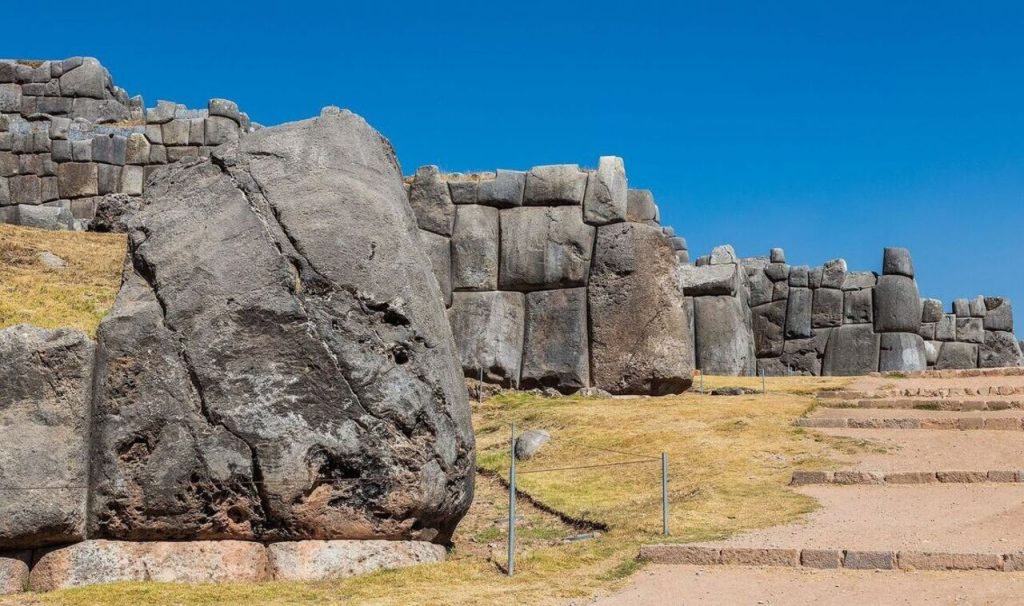
In Cusco, you notice how Inca stonework forms the foundation for colonial buildings, revealing layers of history in a single streetscape. Once the capital of the Inca Empire, the city remains a cultural center where festivals and indigenous traditions continue to shape community life. Archaeologists emphasize its importance for understanding Andean civilization.
You walk through plazas where markets sell local textiles and foods rooted in longstanding practices. Preservation efforts aim to protect both physical heritage and living culture, recognizing that traditions remain central to the city’s identity. Spending time here, you feel connected to a past that still informs the present.
8. Tallinn, Estonia
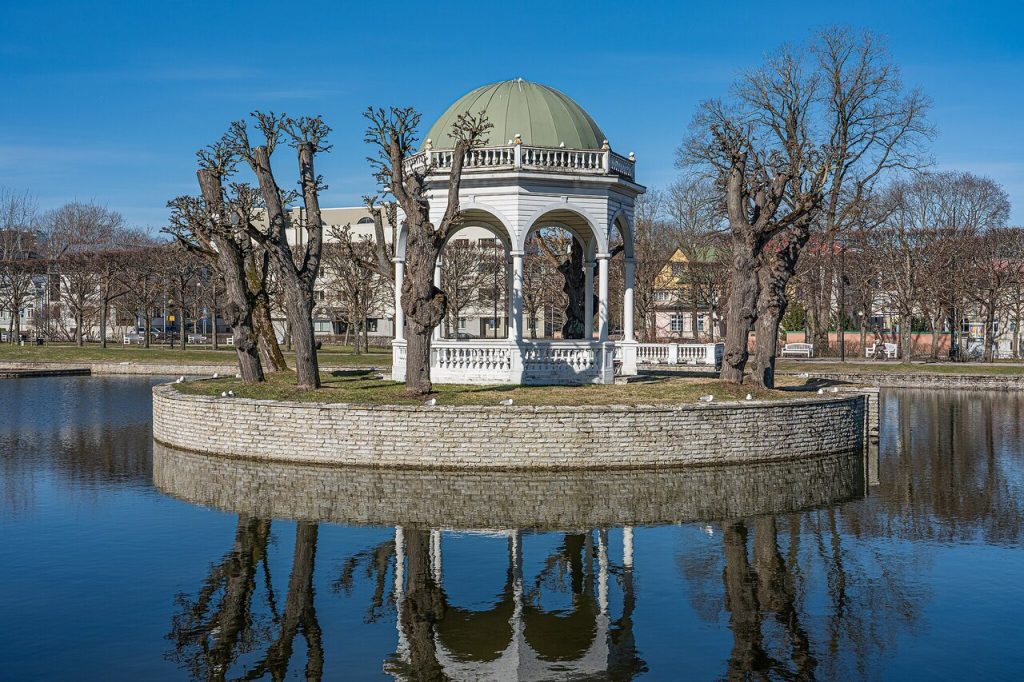
Inside the medieval walls of Tallinn, you explore cobbled streets, merchant houses, and church spires that reflect centuries of Baltic trade. The old town’s remarkable preservation has earned recognition from cultural heritage organizations for maintaining its historic urban landscape.
You notice how cafes and shops occupy buildings that once served guilds and traders, blending modern life with medieval surroundings. Historians often point to Tallinn as one of Europe’s best-preserved historic centers. Walking through its squares, you experience a city where the atmosphere feels remarkably unchanged.