
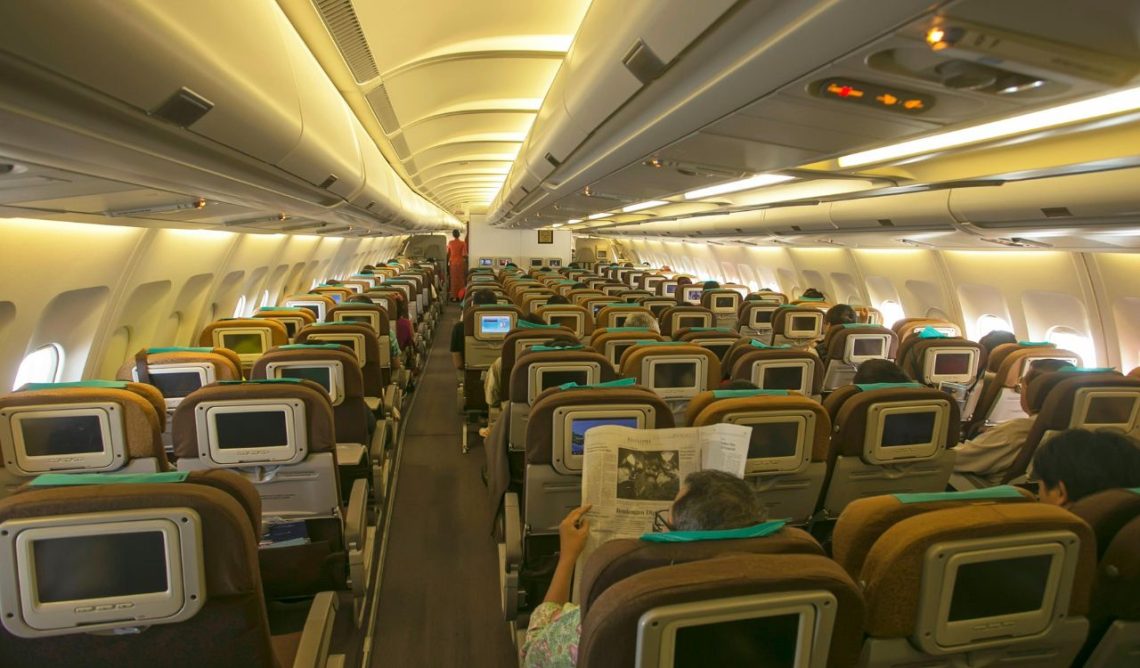
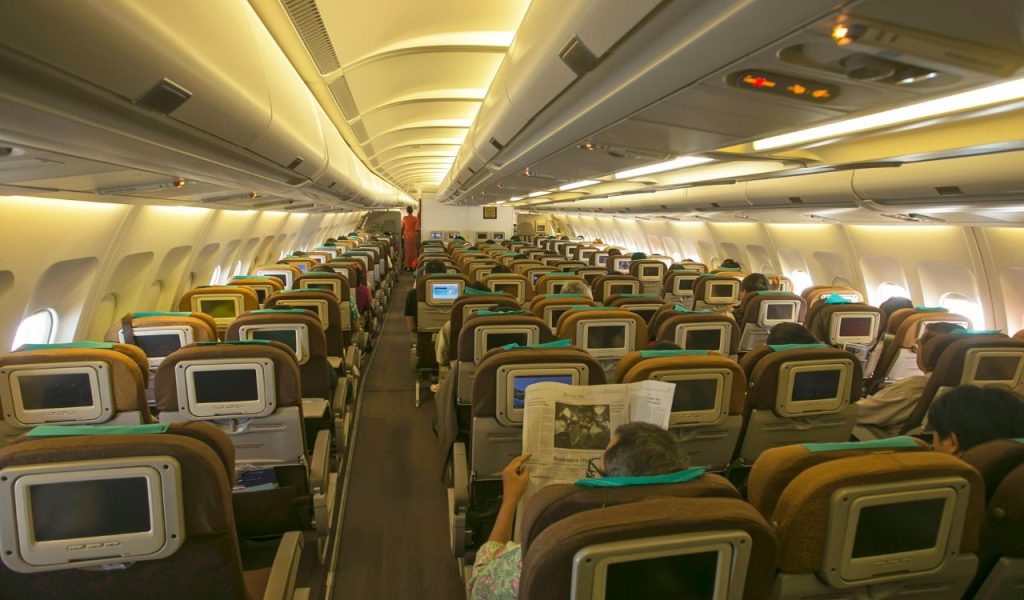
Long-haul flights in economy class are often associated with cramped seats, limited legroom, dry cabin air, and the constant awareness of time moving slowly. When you know you will be seated for ten, twelve, or even fourteen hours, the journey can feel overwhelming before it even begins. However, the way a flight feels is influenced less by the ticket class and more by preparation, mindset, and small strategic decisions. With the right approach, even the longest economy flight can become manageable, productive, and surprisingly comfortable. Instead of counting every passing hour, you can structure your experience in a way that keeps both your body and mind engaged.
1. Choose the Right Seat
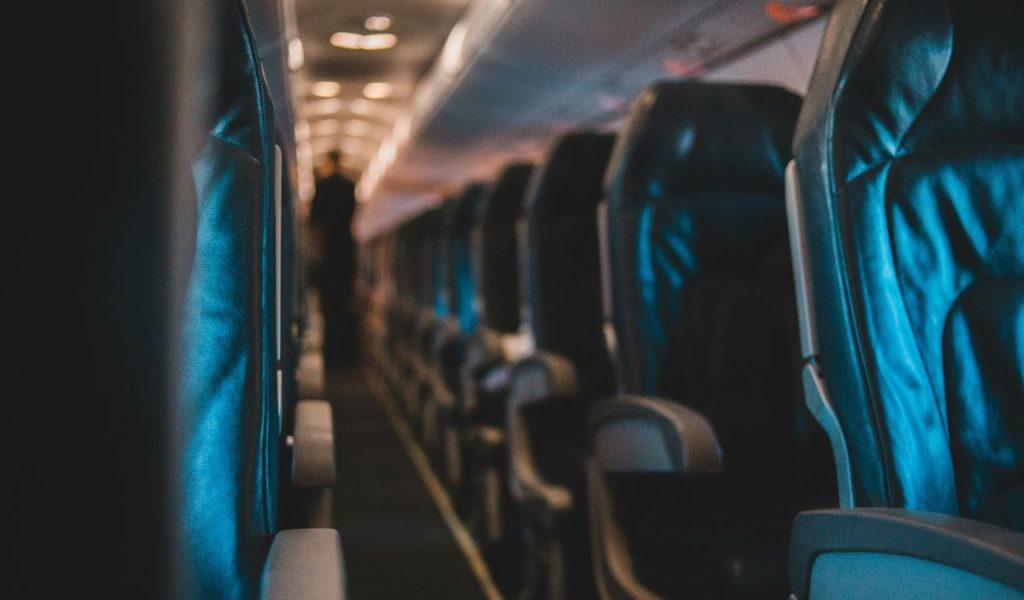
Where you sit on a long-haul flight can dramatically influence how long the journey feels. A window seat offers a surface to lean on and reduces disturbances from other passengers moving around, which makes sleeping easier and helps time pass faster. An aisle seat, on the other hand, gives you the freedom to stand, stretch, and walk without climbing over someone, which is invaluable on flights over eight hours. Exit rows may provide additional legroom, but they often come with limitations such as fixed armrests. Selecting your seat thoughtfully before departure reduces discomfort, improves rest quality, and minimizes small frustrations that accumulate during long flights.
2. Dress Comfortably
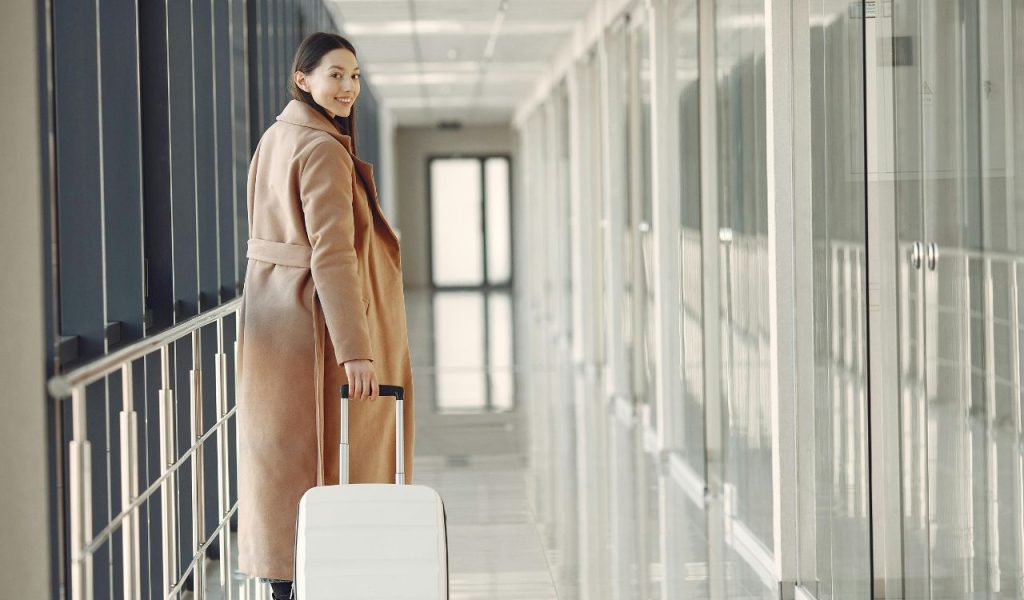
Clothing choices can determine whether a flight feels manageable or exhausting. Airplane cabins are pressurized, dry, and often colder than expected, which means restrictive or overly stylish outfits can quickly become uncomfortable. Wearing soft, breathable fabrics layered with a light sweater or hoodie allows you to adjust to fluctuating cabin temperatures. Loose-fitting pants prevent stiffness during long sitting periods, and compression socks can reduce swelling in the feet and ankles by supporting circulation. Comfortable slip-on shoes make security checks and mid-flight movement easier.
3. Stay Hydrated and Move

Long flights become exhausting largely because passengers remain seated for extended periods without proper hydration or circulation. The air inside an aircraft cabin is extremely dry, which accelerates dehydration and contributes to headaches, fatigue, and irritability. Drinking water consistently throughout the flight helps maintain energy levels and mental clarity. In addition, standing up every couple of hours to stretch or walk the aisle stimulates blood flow and reduces stiffness in the legs and lower back. Eating light meals instead of heavy, greasy foods also prevents sluggishness and discomfort. By creating a simple routine of drinking water, moving periodically, and eating moderately, you maintain physical balance.
4. Divide Your Time
One of the most powerful psychological tricks for long travel is breaking the flight into smaller, clearly defined segments rather than focusing on the total duration. Thinking about being confined for twelve or fourteen hours can feel overwhelming, but dividing that time into manageable blocks makes it far less intimidating. You might dedicate the first two hours to watching a movie, the next hour to eating and relaxing, another block to sleeping, and a later segment to listening to music or reading. By assigning a purpose to each portion of the flight, your brain perceives progress instead of stagnation. This structured approach reduces anxiety and boredom, both of which stretch the perception of time.
5. Bring Your Own Entertainment

Relying solely on in-flight entertainment systems can be risky, as screens sometimes malfunction and available selections may not match your interests. Preparing your own digital entertainment ensures you always have engaging content accessible without depending on onboard technology. Downloading movies, series episodes, podcasts, audiobooks, or music playlists before departure allows you to personalize the experience to your taste. Bringing fully charged devices and necessary cables prevents frustration. Engaging stories and immersive audio experiences occupy your attention so completely that time seems compressed.
6. Adjust Your Body Clock

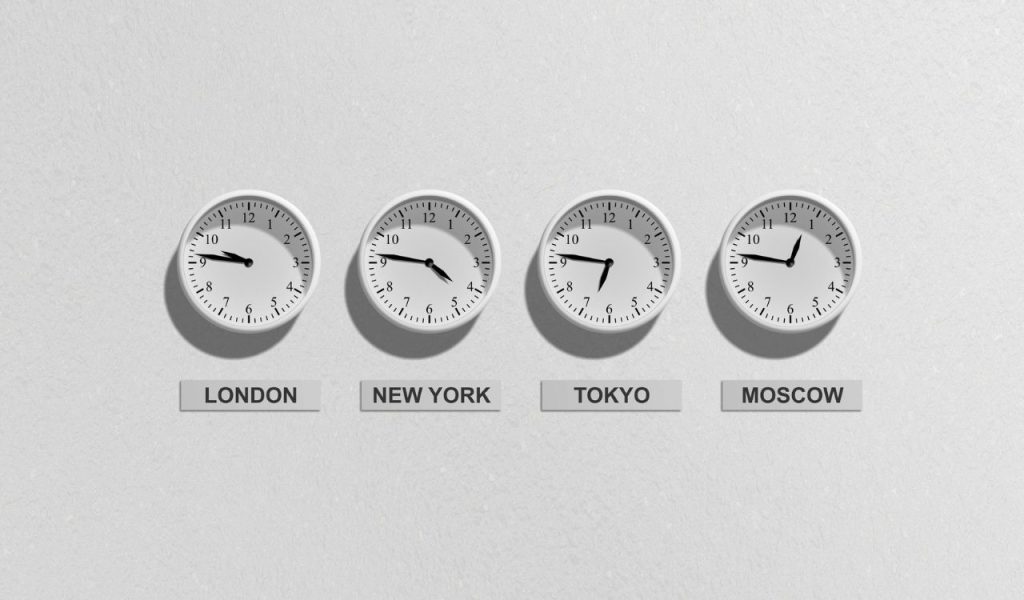
Jet lag often makes flights feel longer than they actually are because your body is out of sync with your surroundings. A practical strategy is to reset your internal clock as soon as you board the aircraft by adjusting your watch and mindset to the destination time zone. If it is nighttime at your arrival city, attempt to sleep even if it feels unusual. If it is daytime there, stay awake and expose yourself to light when possible. Eating according to destination time also helps signal your body to adapt more quickly. This early adjustment reduces the shock of arrival and makes the journey feel purposeful rather than disorienting.
7. Refresh Before Landing

The final stretch of a long flight can feel particularly exhausting, especially when you anticipate the process of immigration, baggage claim, and ground transportation. Creating a small refresh routine about forty-five minutes before landing can dramatically shift your mood and energy level. Washing your face, brushing your teeth, changing into a fresh shirt, and performing light stretches in your seat can restore a sense of vitality. Drinking water at this stage also combats dryness and fatigue. This brief ritual signals to your mind that the journey is transitioning toward completion. Instead of feeling drained and worn out, you begin to feel ready and alert.