
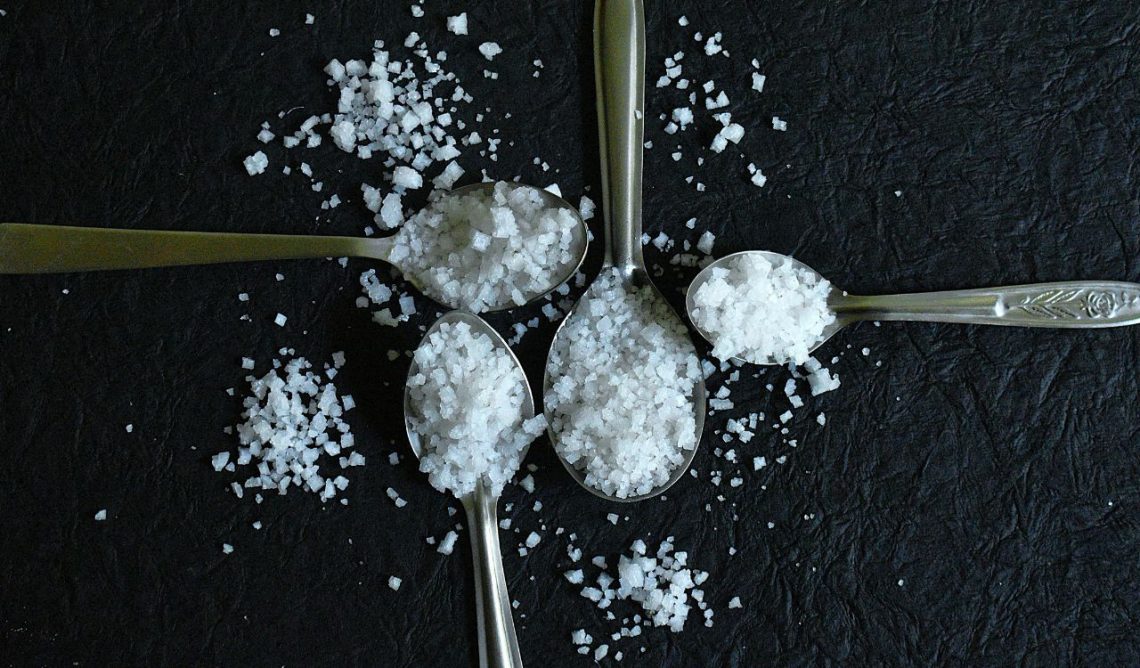
Salt is one of the most powerful ingredients in any kitchen. It enhances flavor, balances sweetness, sharpens acidity, and brings depth to both simple and complex recipes. However, even experienced cooks occasionally add too much. A heavy hand with the salt shaker reduces sauces that concentrate seasoning, salty broths, or ingredients like soy sauce and cheese, which can quickly tip a dish from flavorful to unpleasantly briny. The good news is that an over-salted meal doesn’t have to end up in the trash. In most cases, you can correct the balance with smart adjustments that dilute, counteract, or redistribute the saltiness. Understanding how flavors interact is key. Salt can be softened by adding liquid, bulk ingredients, fats, acids, or even a touch of sweetness.
1. Dilute with Unsalted Liquid

One of the simplest and most effective ways to fix an over-salted dish is by dilution. If you’re working with soups, stews, sauces, or curries, adding more unsalted liquid such as water, unsalted broth, milk, or cream can help disperse the excess salt and reduce its intensity. The principle here is straightforward: increasing the volume lowers the salt concentration per bite. However, dilution works best when you adjust other flavors accordingly. If you add water or broth, you may need to reinforce herbs, spices, or aromatics so the dish doesn’t taste watered down. In creamy dishes, adding more dairy not only reduces saltiness but can also add richness.
2. Add Bulk Ingredients

When dilution with liquid isn’t ideal, adding more solid ingredients can effectively balance out excess salt. For example, in a pasta sauce, adding more unsalted cooked pasta can help absorb and distribute the salt. In stir-fries, adding extra vegetables, tofu, rice, or noodles can tone down the saltiness without changing the intended flavor too drastically. The key is choosing ingredients that fit naturally into the recipe so the dish still feels cohesive. This approach works particularly well with casseroles, grain bowls, and mixed dishes where extra components can be incorporated seamlessly. By increasing the overall quantity of food while keeping the salt level unchanged, you lower the relative salt concentration in each serving, making the dish far more palatable.
3. Balance with Acid
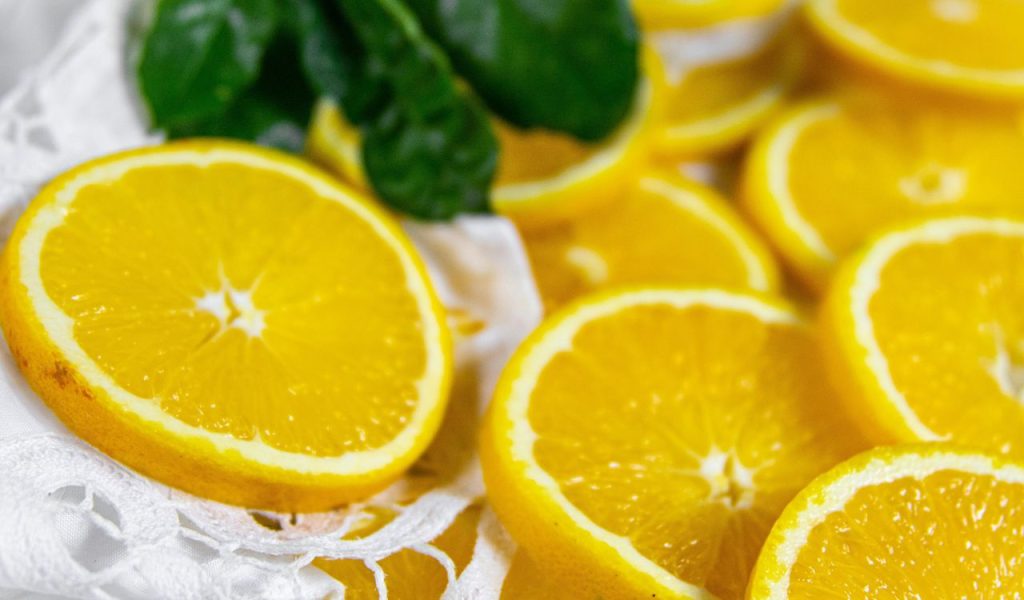
Acidity is a powerful counterbalance to salt. A squeeze of lemon juice, a splash of vinegar, or even a spoonful of tomato paste can brighten flavors and distract the palate from excessive saltiness. Acid doesn’t remove salt, but it shifts the flavor perception, creating balance and complexity. For instance, if a soup tastes overly salty, a small amount of fresh lemon juice can make the salt feel less dominant and more integrated. The trick is to add acid gradually and taste frequently, as too much can make the dish sour. This method is especially useful in sauces, seafood dishes, roasted vegetables, and bean-based recipes, where brightness complements the overall flavor profile. The goal is not to mask salt completely, but to rebalance the taste experience.
4. Incorporate Sweetness
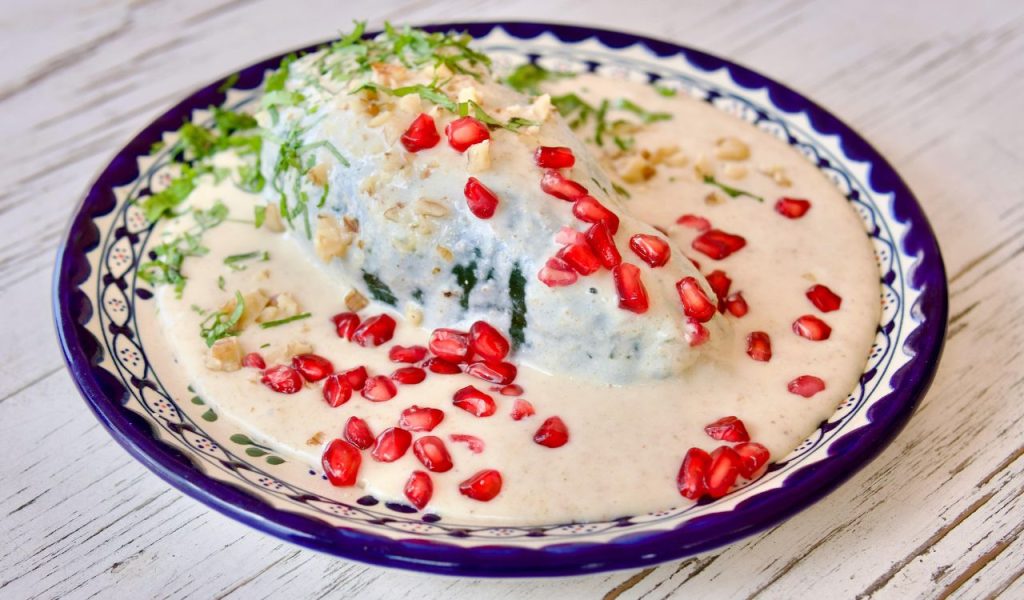
A touch of sweetness can counteract excessive salt and bring harmony back to a dish. This doesn’t mean turning your savory meal into dessert, but rather adding subtle sweetness through ingredients like sugar, honey, maple syrup, grated carrots, or even caramelized onions. Sweetness works by balancing opposing flavor notes, reducing the sharp impact of salt on the palate. This method is especially effective in tomato sauces, barbecue sauces, marinades, and certain Asian-inspired dishes. However, it should be applied cautiously and in small increments, tasting as you go. Too much sweetness can shift the dish’s character entirely. The aim is balance, not dominance. Used thoughtfully, sweetness can round out flavors and soften the harsh edge of saltiness.
5. Add Dairy or Fat
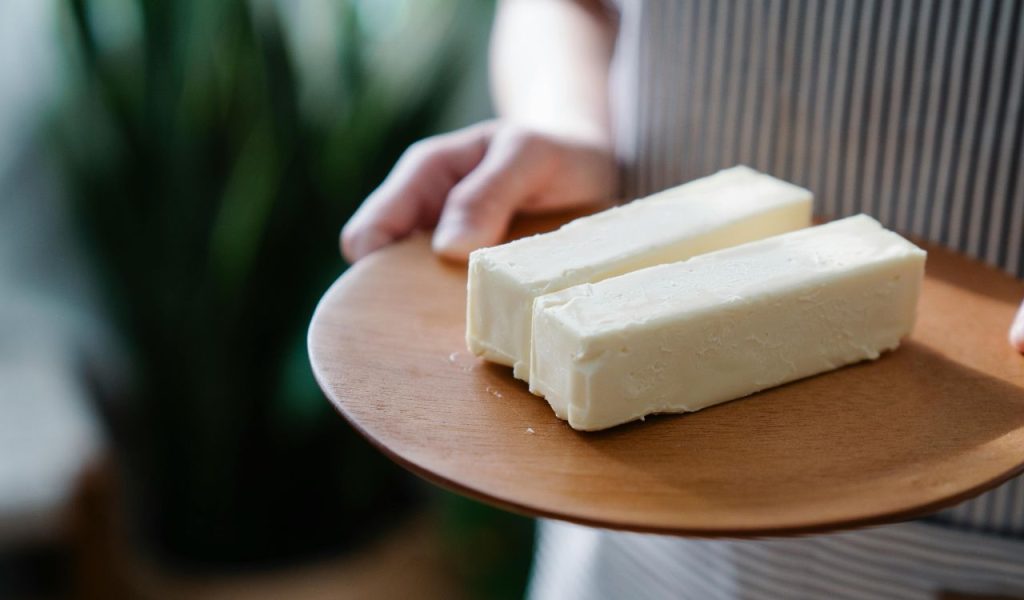
Fat has the remarkable ability to mellow strong flavors, including saltiness. Adding cream, yogurt, sour cream, coconut milk, butter, or cheese can smooth out an overly salty dish by coating the palate and reducing the sharpness of salt. Dairy products are particularly effective in soups, curries, pasta sauces, and mashed potatoes. Even a small pat of butter stirred into a sauce can create a richer, more balanced taste. Coconut milk works beautifully in spicy or Asian-style dishes, adding both creaminess and subtle sweetness. The fat doesn’t eliminate salt but diffuses its intensity, making the overall flavor more rounded and enjoyable. This technique works best in recipes where extra richness complements the dish rather than overwhelming it.
6. Use Starchy Ingredients to Absorb Salt

Starchy ingredients such as potatoes, rice, pasta, or bread can help absorb some of the excess salt in liquid-based dishes. For example, adding peeled potato chunks to a salty soup and simmering them for several minutes allows them to absorb both liquid and seasoning. While this method won’t remove all the salt, it can significantly reduce its intensity. Once the potatoes have done their job, you can remove them or leave them in as part of the meal. Similarly, serving a salty stew over plain rice can balance each bite. This approach works best in brothy or saucy dishes where starch can interact directly with the liquid. It’s a practical and time-tested method that provides both flavor correction and added substance.
7. Rinse or Soak Salty Components
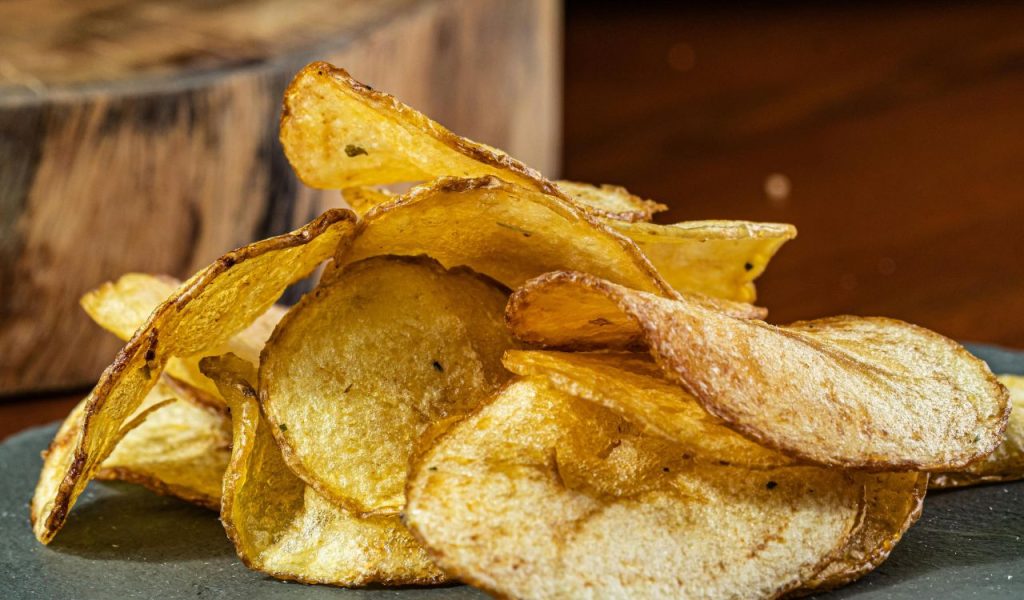
If the saltiness comes from a specific ingredient such as canned beans, olives, capers, or cured meats, rinsing or soaking can help reduce excess sodium. For example, canned beans often come packed in salty liquid; rinsing them thoroughly under cold water removes surface salt. If cured meats or overly salty vegetables are the culprit, a brief soak in water can dilute some of their salt content. While this technique won’t fully reverse salt that has already dissolved into the dish, it can prevent the problem from worsening. This method is most effective when caught early, before the ingredient has fully integrated its salt into the recipe. Acting quickly can make a noticeable difference in the final flavor.
8. Transform the Dish
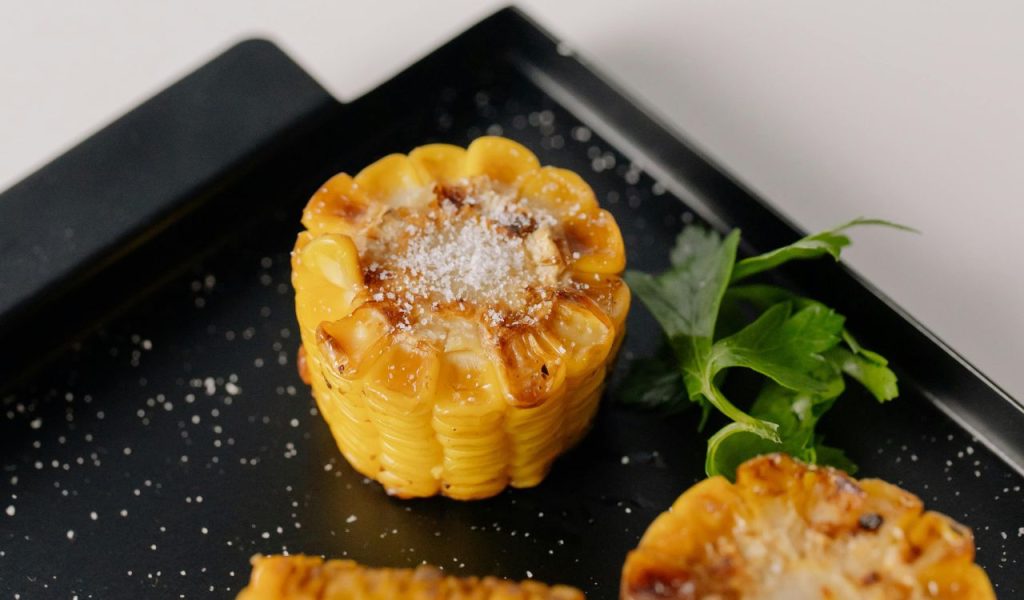
Sometimes the best solution is a creative pivot. If your soup is too salty, consider turning it into a sauce for pasta or using it as a base for a larger casserole. Over-salted vegetables can be chopped and folded into an unsalted grain salad. A salty sauce can be mixed into a larger batch of rice or noodles. By repurposing the dish into something bigger, you effectively dilute the salt while giving the meal new life. This method requires flexibility and a willingness to adapt, but it often leads to surprisingly delicious results. Cooking is as much about creativity as it is about precision, and transforming a mistake into a new dish can turn a kitchen mishap into an opportunity.