Seafood is a global language, but every coastline speaks it differently. While Americans are familiar with lobster rolls, shrimp cocktails, and grilled salmon, many cultures celebrate the ocean in ways that might surprise even the most adventurous eaters. Across Northern Europe and East Asia, centuries-old traditions have produced seafood dishes that are fermented, served live, or prepared from parts rarely seen on U.S. menus. Strict import rules, sourcing challenges, and bold flavor profiles keep these specialties largely out of American restaurants. From intensely aromatic fish to delicacies prized for texture over taste, here are six remarkable seafood dishes you’re unlikely to find in the United States.
1. Surströmming, Sweden’s Fermented Herring
In northern Sweden, surströmming is more than food it’s a tradition that sparks both pride and controversy. Baltic herring is lightly salted and left to ferment for months, continuing to age inside sealed cans. When opened, the powerful aroma is unmistakable, which is why locals typically enjoy it outdoors. Despite the smell, fans appreciate its sharp, tangy flavor balanced with thin flatbread, potatoes, sour cream, and onions. The careful fermentation process and strict import regulations make authentic surströmming extremely rare in the United States, where transporting the pressurized cans can even pose logistical challenges.
2. Hákarl, Iceland’s Fermented Shark
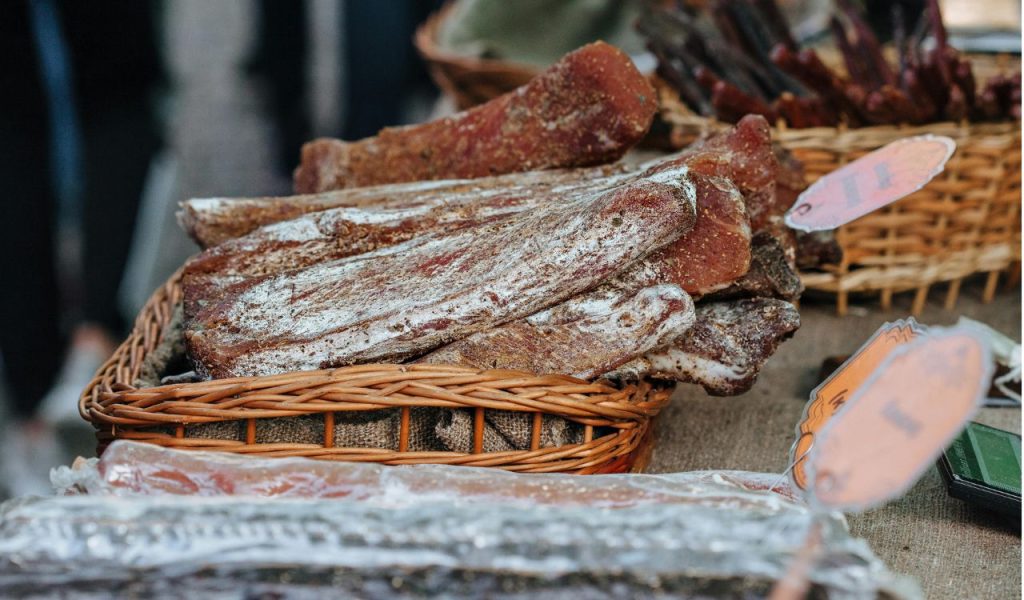
Hákarl is one of Iceland’s most historic and challenging delicacies. Made from Greenland shark, whose flesh is toxic when fresh, the meat must undergo a lengthy curing process. It is buried underground for months to ferment, then hung to dry for several more months until safe to eat. The result is a firm, pale cube with a strong ammonia scent and intensely savory flavor. Traditionally served during winter festivals and paired with local spirits, hákarl reflects Iceland’s resourceful survival history. Because Greenland shark is not commercially harvested in the U.S., authentic hákarl remains virtually unavailable on American menus.
3. Sannakji, South Korea’s Live Octopus
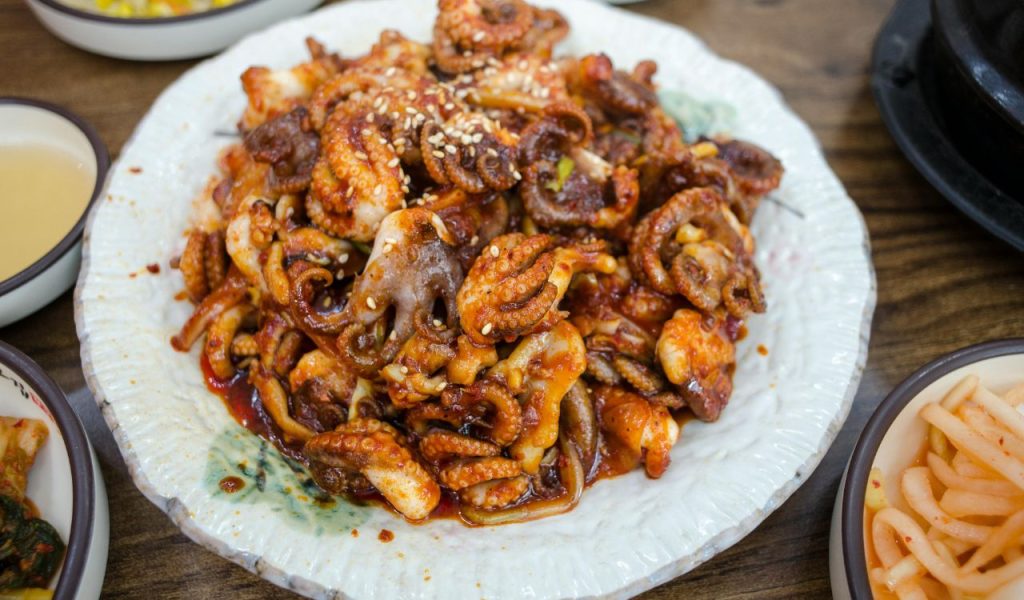
Sannakji is one of South Korea’s most daring seafood experiences. The dish features freshly chopped octopus served immediately, often while the tentacles are still moving on the plate. Lightly dressed with sesame oil and sesame seeds, it highlights the pure, briny sweetness of ultra-fresh seafood. Diners must chew carefully, as the suction cups can still cling to the mouth and throat. Prized for its texture and freshness rather than heavy seasoning, sannakji reflects Korea’s deep connection to the sea. Strict food safety standards and preparation requirements make authentic live-served versions extremely rare in the United States.
4. Shirako, Japan’s Cod Milt Delicacy
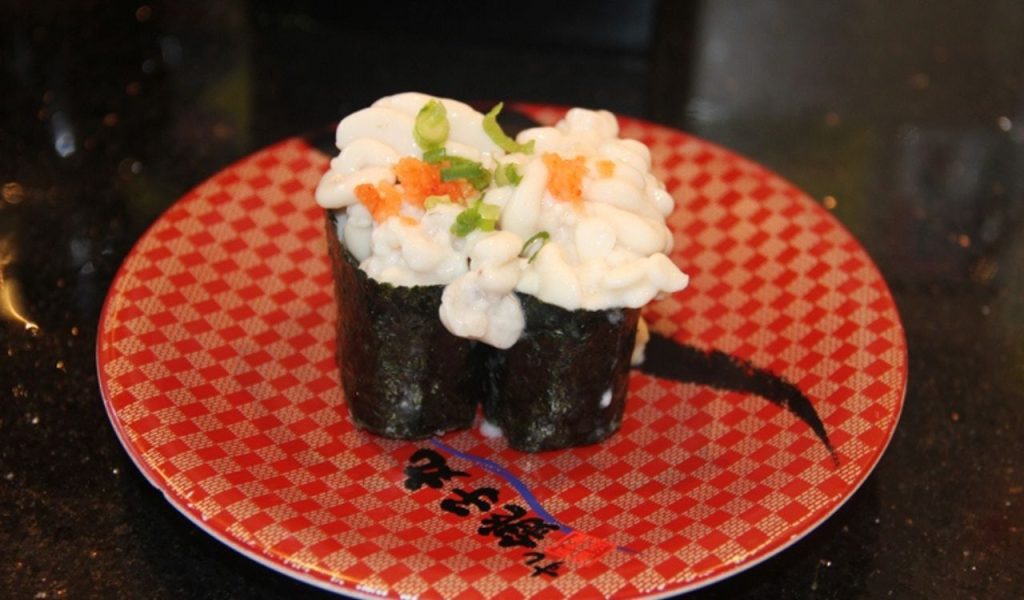
In Japan, shirako, the milt of male cod, is considered a prized winter delicacy. Creamy and delicate, it has a soft, custard-like texture and a mild, slightly sweet flavor that surprises many first-time tasters. Shirako can be served raw with ponzu sauce, gently steamed, or fried as tempura, each preparation highlighting its silky richness. Popular in sushi bars and seasonal menus, it is valued for both its subtle taste and luxurious mouthfeel. Because of sourcing challenges and limited demand, shirako appears only occasionally in high-end Japanese restaurants in the United States, remaining largely unfamiliar to American diners.
5. Sea Pineapple, South Korea & Japan
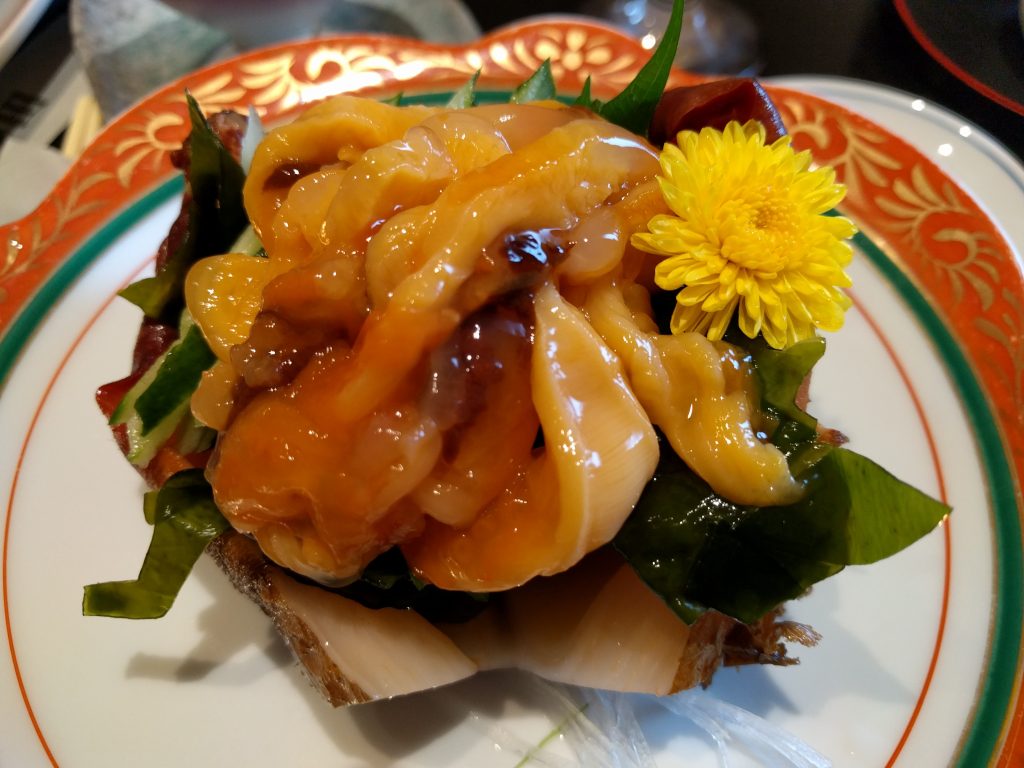
Despite its tropical name, the sea pineapple is actually a type of sea squirt enjoyed in parts of South Korea and Japan. Known locally as meongge in Korea, this spiky, reddish marine creature is typically served raw and sliced thin. Its flavor is intensely briny, with a sharp, iodine-rich finish that tastes unmistakably of the ocean. Fans appreciate its bold character and slightly chewy texture, often pairing it with vinegar, chili paste, or citrus to balance the saltiness. Because sea squirts spoil quickly and require very fresh handling, they are rarely exported, making authentic sea pineapple dishes uncommon in the United States.
6. Tuna Eyeballs, Japan
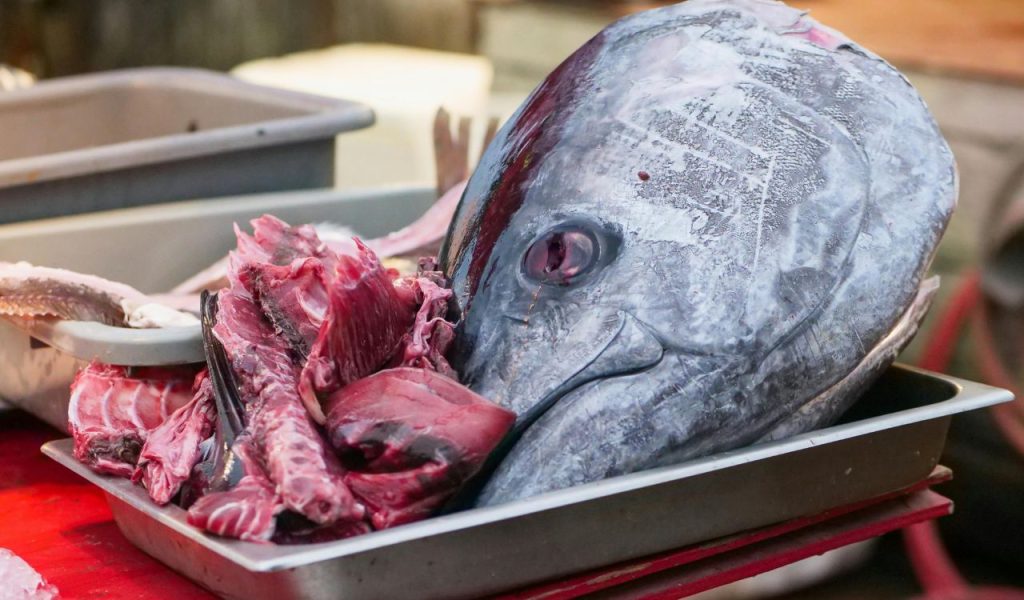
In Japan, tuna eyeballs are a surprisingly accessible delicacy, often sold in supermarkets and small eateries. Usually simmered in soy sauce and mirin, they develop a tender, gelatinous texture similar to rich fish cheeks. The surrounding tissue is prized for its collagen and omega-3 content, while the central portion offers a dense, mild seafood flavor. Though visually striking, the dish reflects Japan’s philosophy of using every part of the fish to avoid waste. Cultural preferences and presentation alone make tuna eyeballs unlikely to appear on mainstream American menus, where diners are generally less accustomed to seafood served in such an intact form.