Food tastes good on the tongue, but some dishes also taste good in your mind because of where they came from. You don’t just eat them. You enter a story of chance, history, culture, migration, celebration, and invention. When you know how a dish began, you feel connected to places and people you’ve never met.
Some arrive from royal kitchens, others from hungry workers or lucky accidents. You might have had these without thinking about their backstories, but once you know them, every bite carries meaning and makes the experience richer and more memorable. Knowing the story behind a dish can transform an ordinary meal into a journey through time and place.
1. Pizza Margherita
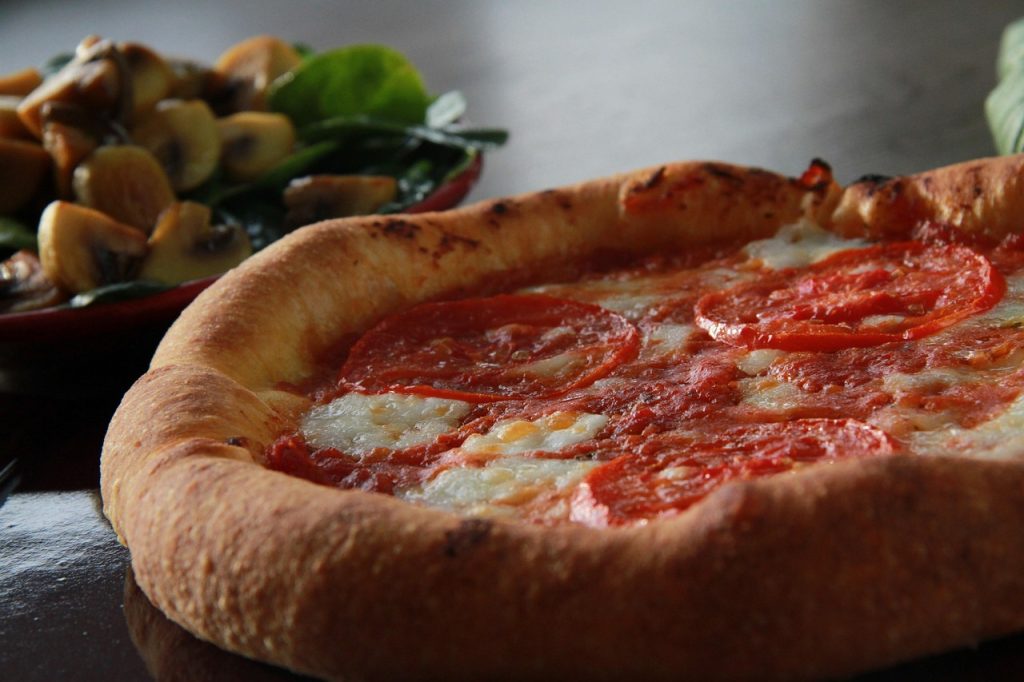
When you order pizza Margherita, you’re eating something tied to Italian unity and pride. In 1889, a Neapolitan pizzaiolo is said to have made a pie with tomatoes, mozzarella, and basil for Queen Margherita of Savoy, chosen to echo the green, white, and red of the new Italian flag. That connection of colours made her name stick to the dish forever, turning a simple peasant food into a national symbol.
Today, the best pizzerias still treat Margherita as a benchmark of balance and simplicity. You can taste the care in selecting each ingredient, and every bite reminds you why tradition matters in food. Its simplicity teaches you that sometimes less truly is more.
2. Caesar Salad
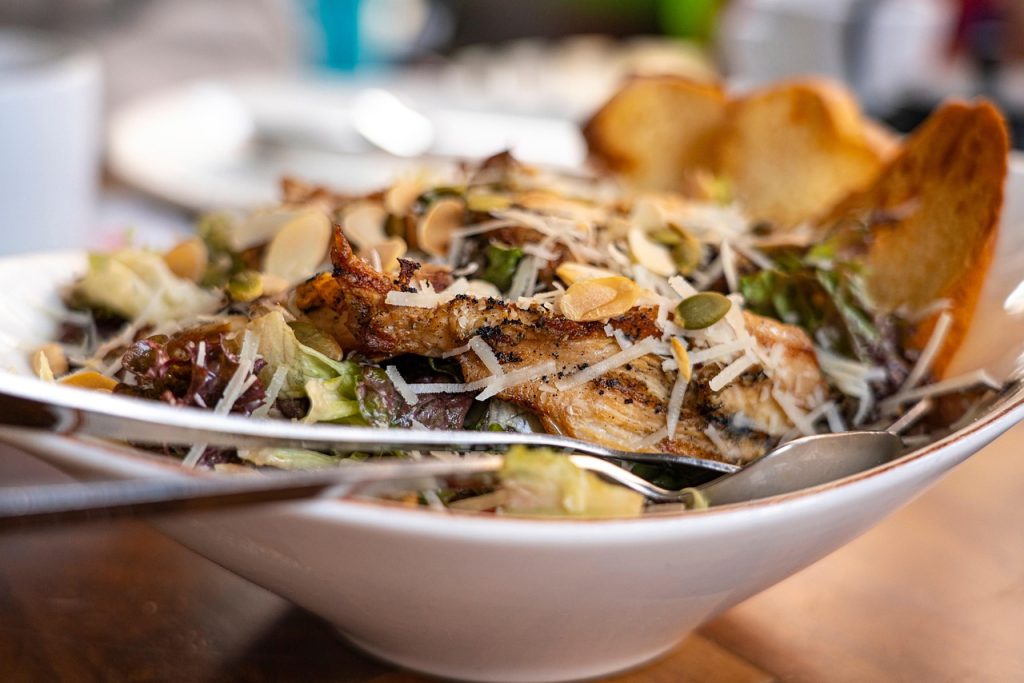
You know the crisp romaine, cheese, croutons, and creamy dressing. What you might not know is that it came from a moment of necessity. In the 1920s, Caesar Cardini, an Italian immigrant running a restaurant in Tijuana, ran low on ingredients during a busy weekend. He improvised something with what he had, and the result became an international classic.
When you toss that salad, you’re tasting creativity born from pressure and limited choices. Each forkful reminds you that constraints can spark innovation, and that sometimes the simplest solutions leave the biggest mark. Knowing its story makes the crunch and tang even more satisfying.
3. Beef Wellington
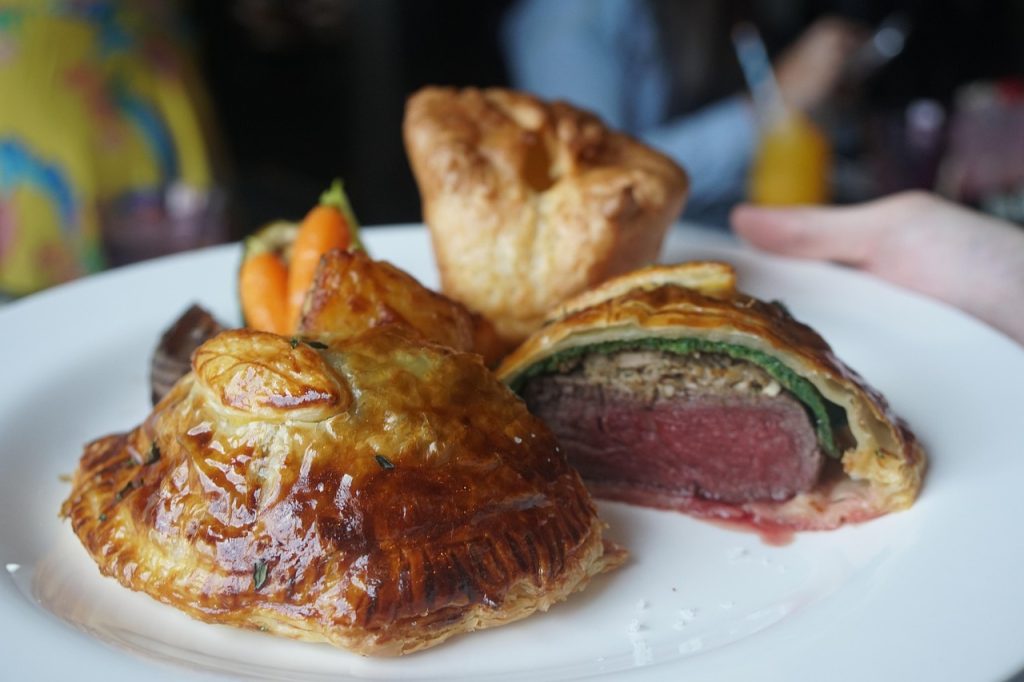
This elegant entrée feels like a celebration because it’s tied to history. It’s believed to be named after Arthur Wellesley, the Duke of Wellington, famed for defeating Napoleon in 1815. The exact origin story might be debated, but the association stuck: beef tenderloin wrapped in pastry and goodness became a marker of triumph and special occasions.
When you slice into a Wellington, you’re connecting with a dish that carries echoes of history. The layers of pastry and tender meat invite you to slow down and savour each bite. Every serving reminds you that food can honour victories and traditions alike. Its rich flavours make the experience feel truly ceremonial.
4. Biryani
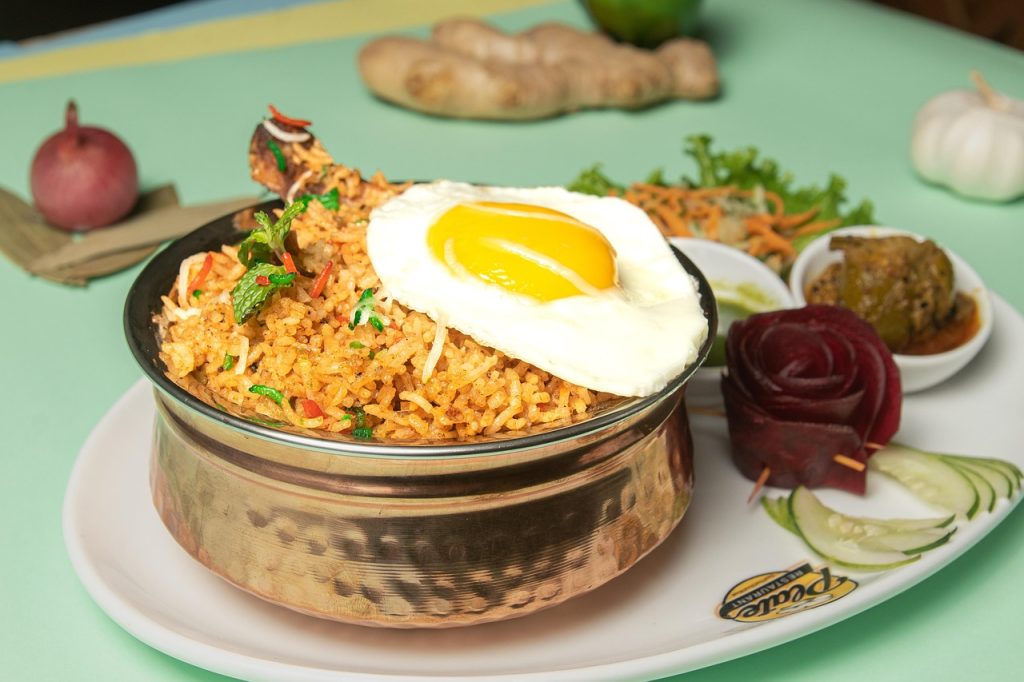
Biryani’s story moves across regions and centuries. It blends Persian pilaf techniques with Indian spices and local ingredients. Some historians trace parts of its evolution to the kitchens of Mughal rulers, where chefs cooked nutrient‑dense, fragrant rice and meat for soldiers on the move.
When you enjoy biryani’s layers of rice, spice, and meat, you’re tasting a dish shaped by migration, empire, and the needs of hungry travellers. Each bite reflects centuries of culinary experimentation and cultural exchange. You can sense the care in the layering of flavours and aromas. Understanding its history makes every serving feel like a journey through time.
5. Nachos
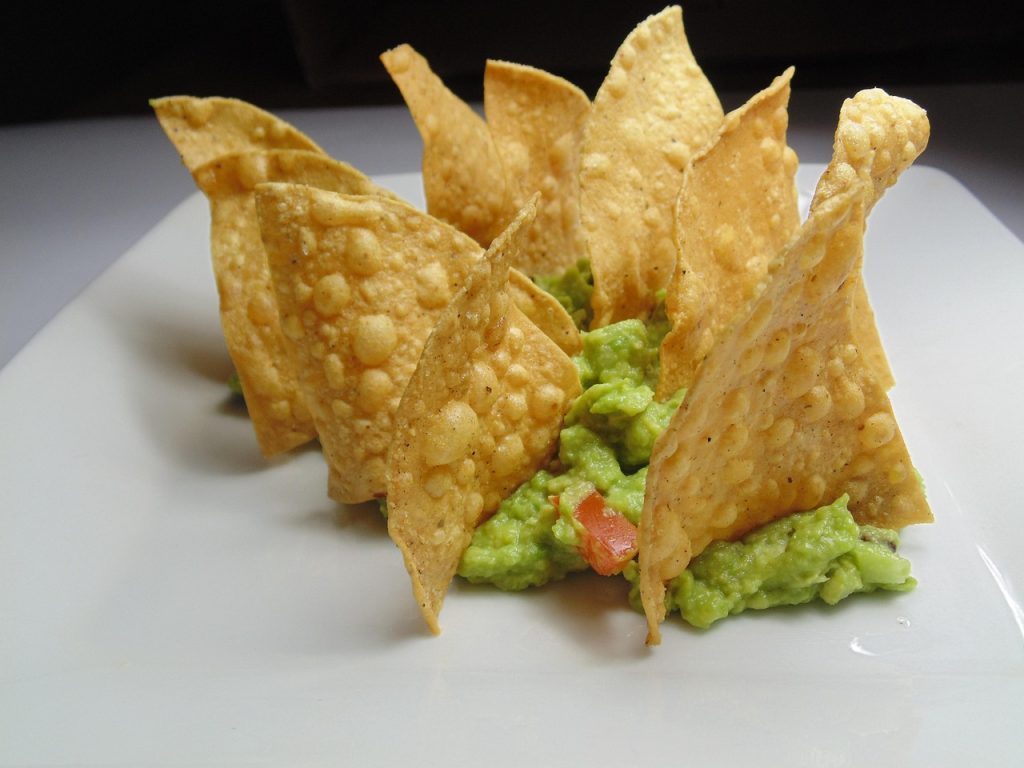
You might see nachos as casual bar food, but their story starts with resourcefulness. In 1943, in Piedras Negras, Mexico, a group of hungry American military wives showed up after hours. With limited supplies, cook Ignacio “Nacho” Anaya cut up tortillas, added cheese and jalapeños, and created something new.
When you share nachos, you’re sharing a dish born from simple ingenuity and a happy accident that turned into a global favourite. Every layer of melted cheese and spicy kick reminds you that great food often comes from unexpected moments. You taste creativity in action with every bite. Its story makes casual snacking feel special.
6. Potato Chips
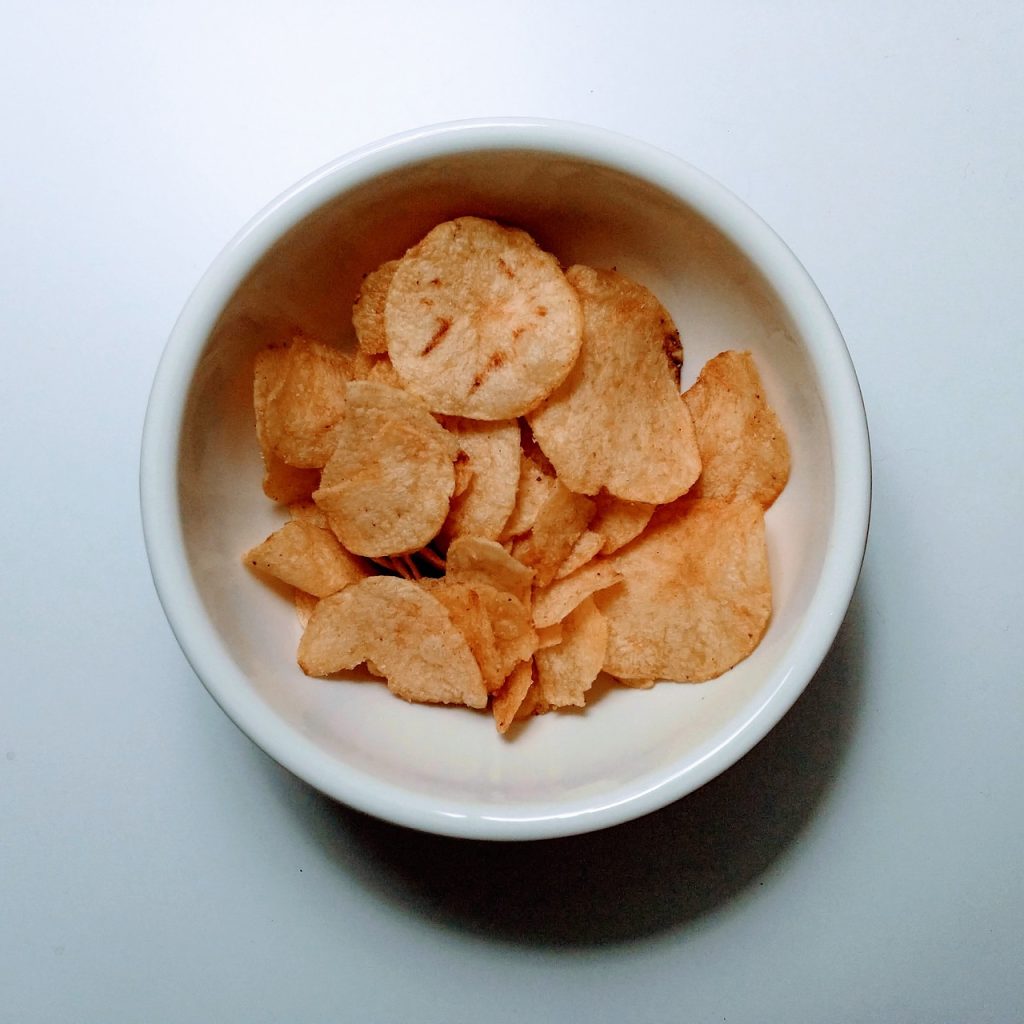
Crispy and addictive, potato chips came from a bit of stubbornness. In 1853, at Moon’s Lake House in New York, a customer kept sending fried potatoes back because they were too thick. Chef George Crum, annoyed but intrigued, sliced them thin and fried them crisp. That became the first potato chips.
The next time you reach for that crunch, you’re tasting a dish born from frustration and experimentation. Each chip reminds you how creativity can turn annoyance into delight. You notice the satisfying snap and salty flavour in a new way. Its invention shows how simple ideas can become global favourites. Every bite carries a little piece of culinary history.
7. Pavlova
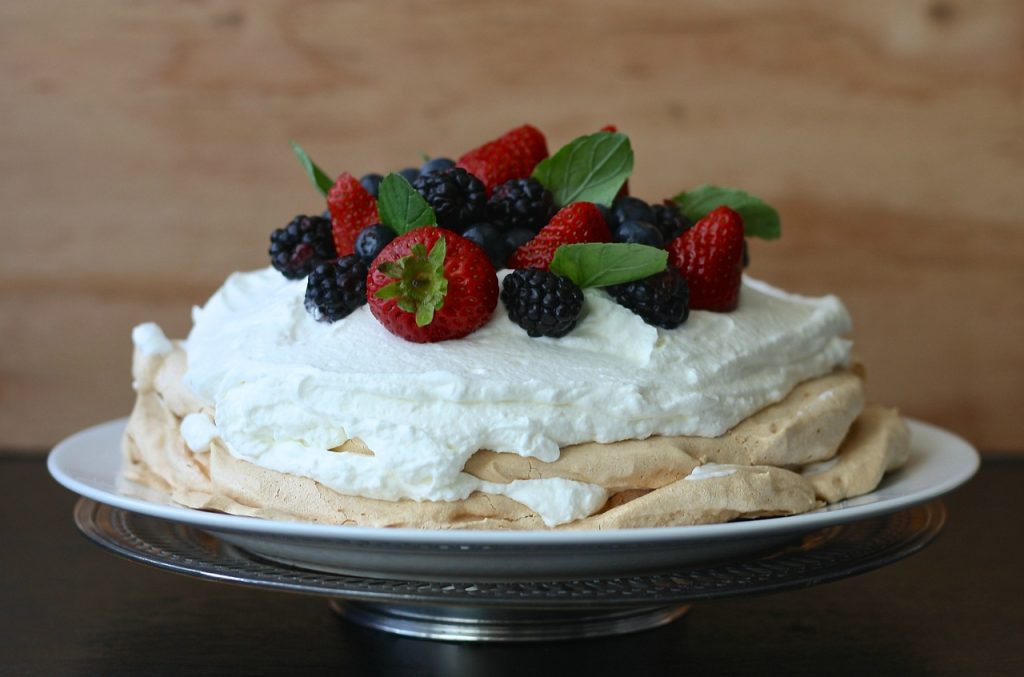
This light meringue dessert celebrates performance. Created to honour Russian ballerina Anna Pavlova during her 1920s tour of Australia and New Zealand, it reflects her graceful style: a crisp exterior and soft, airy interior topped with fresh fruit. Both countries claim their invention, which only adds to the story.
When you dig into pavlova, you’re tasting cultural pride, artistic tribute, and friendly rivalry. Each spoonful feels delicate yet celebratory, mirroring the elegance of dance. You can appreciate how a dessert became a symbol of admiration and national pride. Its story adds sweetness beyond the sugar.
8. Doner Kebab
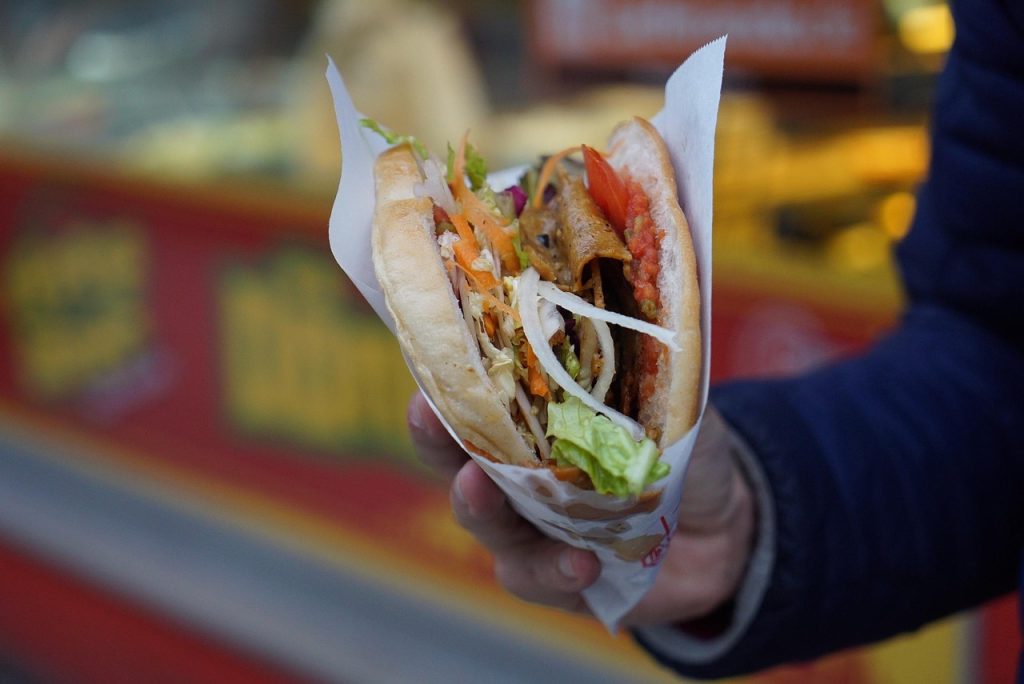
What feels like fast street food has roots in 19th-century Anatolia. In Bursa, cooks began stacking seasoned meat on a rotating spit and roasting it vertically. That innovation spread across the Ottoman Empire and beyond. By the 1960s and 1970s, Turkish workers brought doner to Germany and the world, turning it into the ubiquitous wrap you know today.
Every bite ties back to centuries of culinary evolution. You can taste the careful seasoning and slow cooking in each slice. Its journey from local specialty to global favorite shows how tradition travels. Understanding its past makes each wrap more satisfying.
9. Shawarma
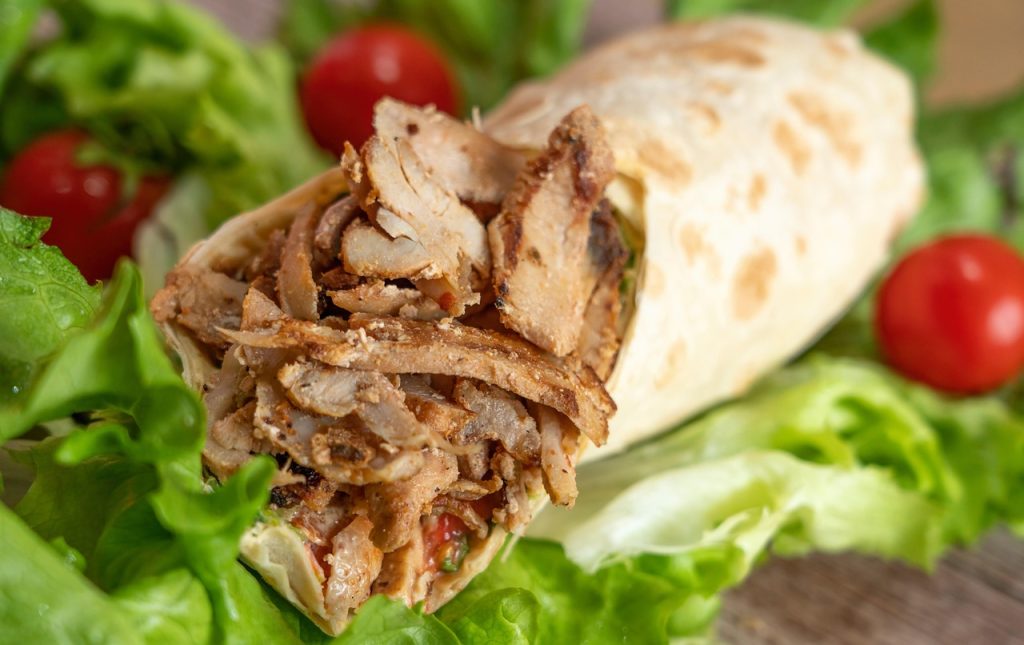
Shawarma’s story links you to the Levant and the Ottoman cooking tradition. The method of stacking and roasting slices of meat on a vertical spit is centuries old. As it spread across the Middle East, each region made it its own, adding local spices and accompaniments.
When you enjoy shawarma, you’re tasting a technique that travelled across borders and time, turning simple roasted meat into a beloved street dish. Each bite reflects generations of flavor and adaptation. You notice how spices and cooking methods create depth and aroma. Its history turns every wrap into a small journey through culture.
10. Sushi
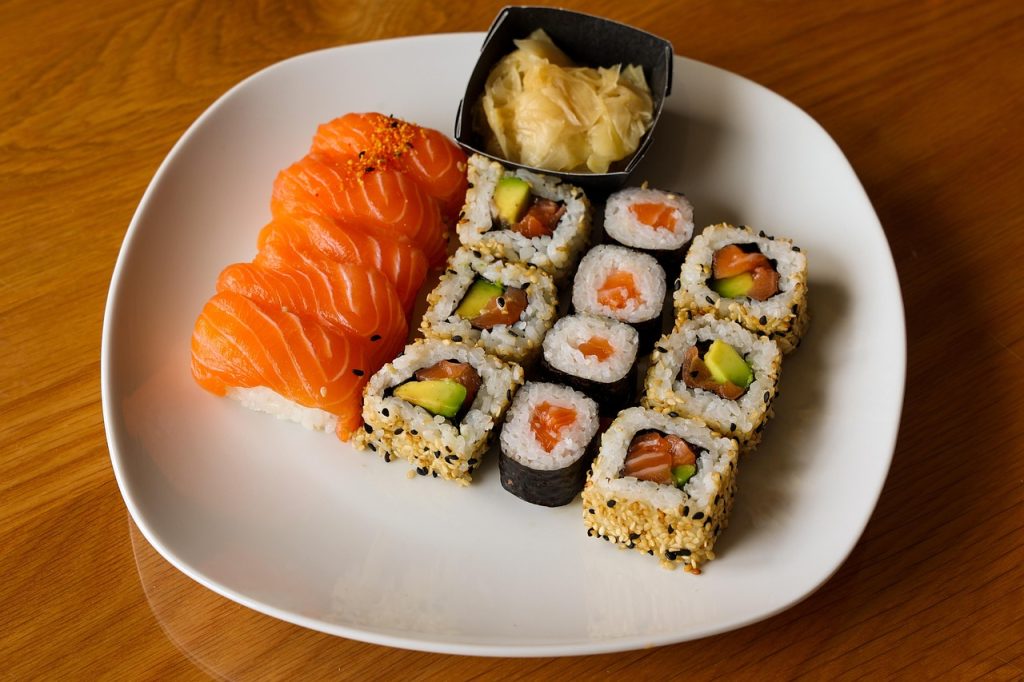
Sushi didn’t begin as the fresh rolls you know today. Its earliest forms came from preserved fish and rice in Southeast Asia, a technique that spread to Japan. Over centuries, Japanese chefs refined the recipe, transforming it into vinegar‑seasoned rice with fresh fish.
When you eat sushi, you’re tasting a culinary evolution from preservation necessity into refined art. Each piece shows the care and precision of generations of chefs. You can sense the balance of flavors and textures that make it timeless. Its history turns eating into an appreciation of skill and culture. Knowing this story deepens every bite.
11. Chicken Tikka Masala
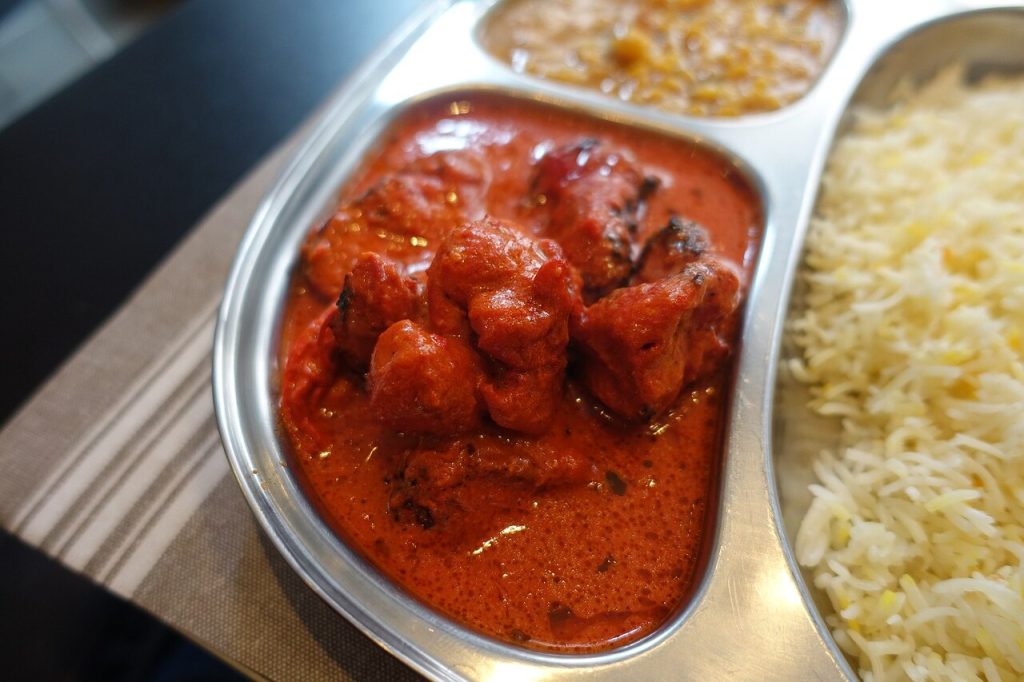
What many think of as Indian was actually shaped in the UK. Chicken tikka masala combines grilled chicken with a creamy, spiced sauce. It likely emerged when South Asian cooks adapted their food to British tastes, adding a tomato and cream sauce to satisfy local preferences. When you enjoy it, you’re tasting cultural fusion and adaptation. Each bite shows how food evolves to meet new tastes and settings.
You can appreciate the harmony of spices and richness in every serving. Its story reminds you that cuisine is never static. Knowing its background makes every mouthful more meaningful. It teaches you that traditions can adapt without losing their soul. You see how innovation can honor heritage while creating something entirely new.
12. French Fries
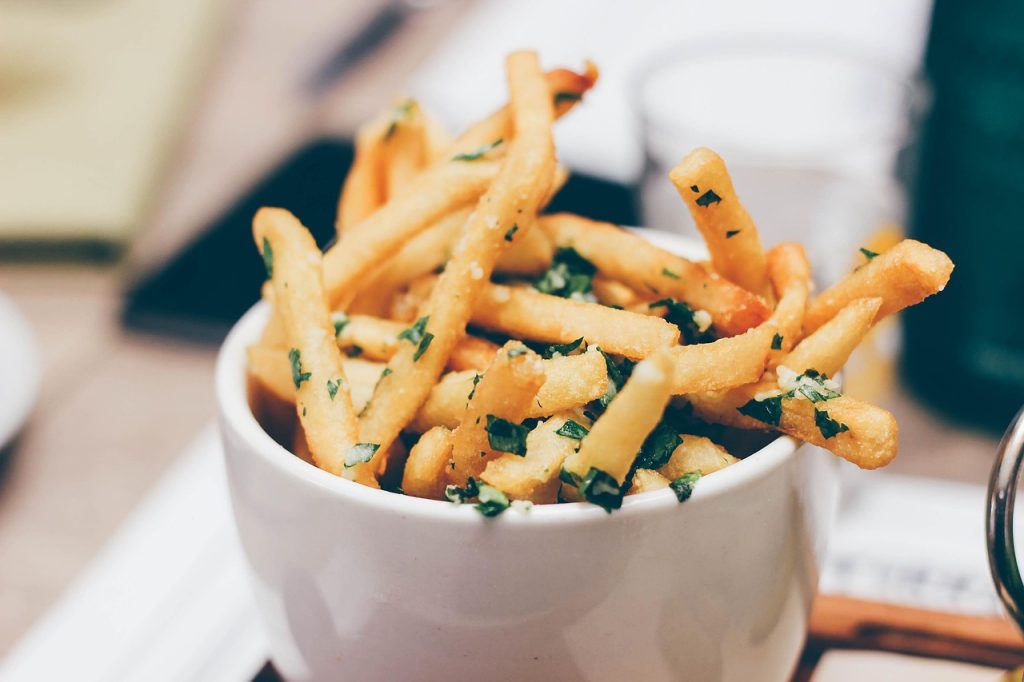
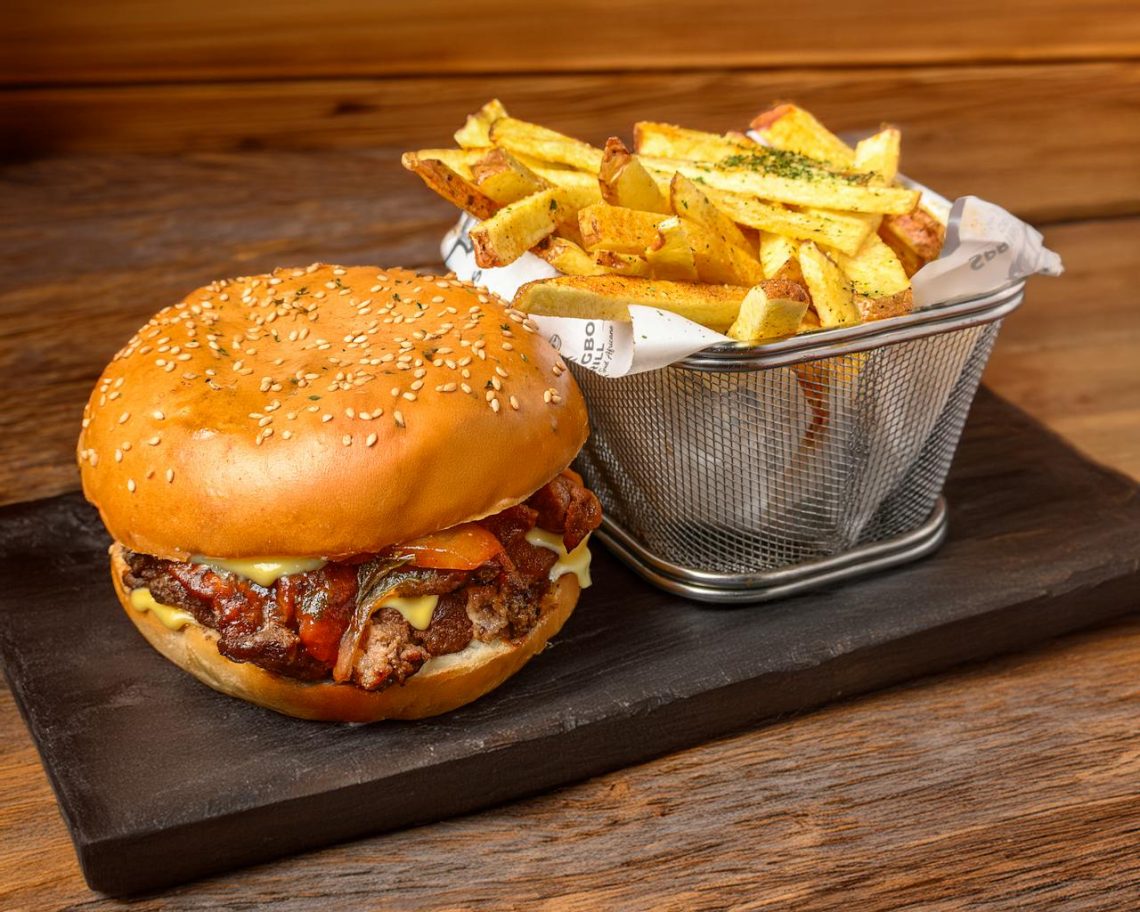
Called French fries in much of the world, these crispy potatoes likely started in Belgium, where villagers fried potatoes when fish were scarce. American soldiers in World War I popularised the term “French” because that was the language of the region’s army.
When you snack on fries, you’re tasting a dish shaped by geography and war. Each bite carries the ingenuity of people making do with what they had. You notice the golden crunch and comforting saltiness that made them so popular. Their story reminds you that even humble ingredients can become global favorites. Knowing this history adds flavor to every fry you enjoy.