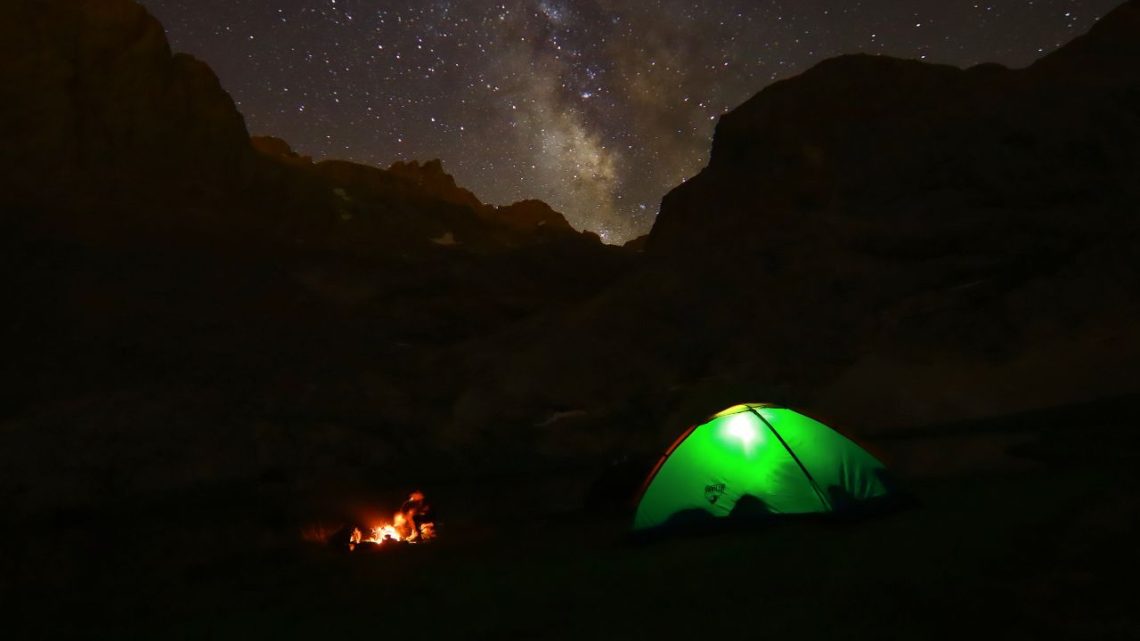
Camping alone can be an empowering and introspective experience, offering complete freedom and uninterrupted time with nature. However, solo campers must carefully choose destinations where safety, stability, and outdoor infrastructure are well-established. Some countries face significant challenges, such as armed conflict, high crime rates, unpredictable law enforcement, or dangerous wildlife, that make remote exploration hazardous. Even skilled hikers or experienced backpackers may find themselves without support in emergencies or exposed to risks that cannot be managed alone.
1. Venezuela
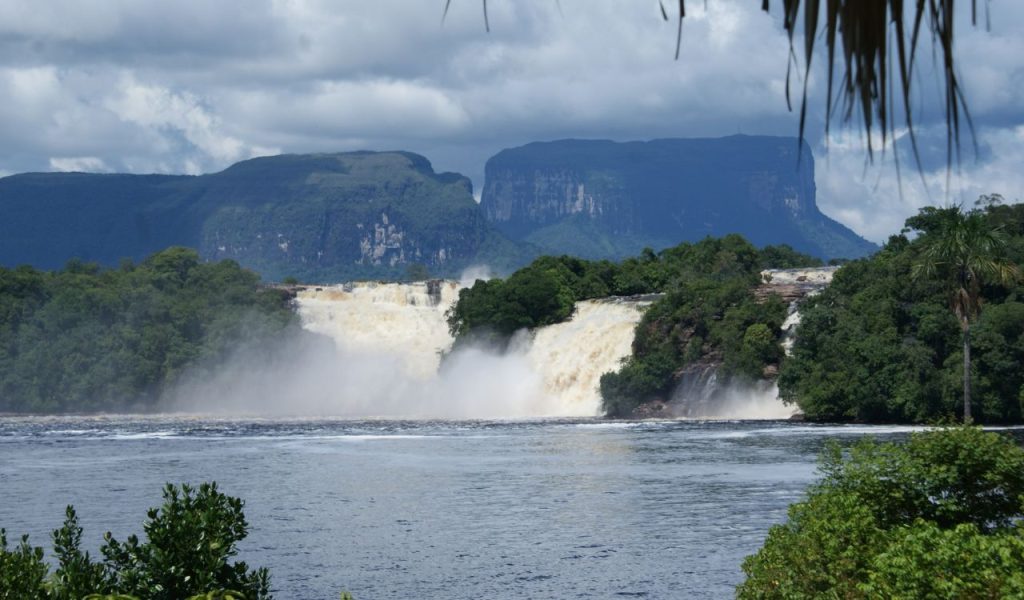
Venezuela’s mountains, waterfalls, and national parks once attracted adventurers from around the globe, but today the country suffers from severe instability. Hyperinflation, shortages of basic goods, and widespread violent crime have created an environment where travelers, especially solo campers, face significant danger in remote regions. Many rural roads are unpatrolled, fuel is often unavailable, and encounters with armed groups or desperate individuals are common. Emergency services are limited, and communication networks are unreliable, making it difficult to get help if problems arise during a camping trip.
2. Afghanistan
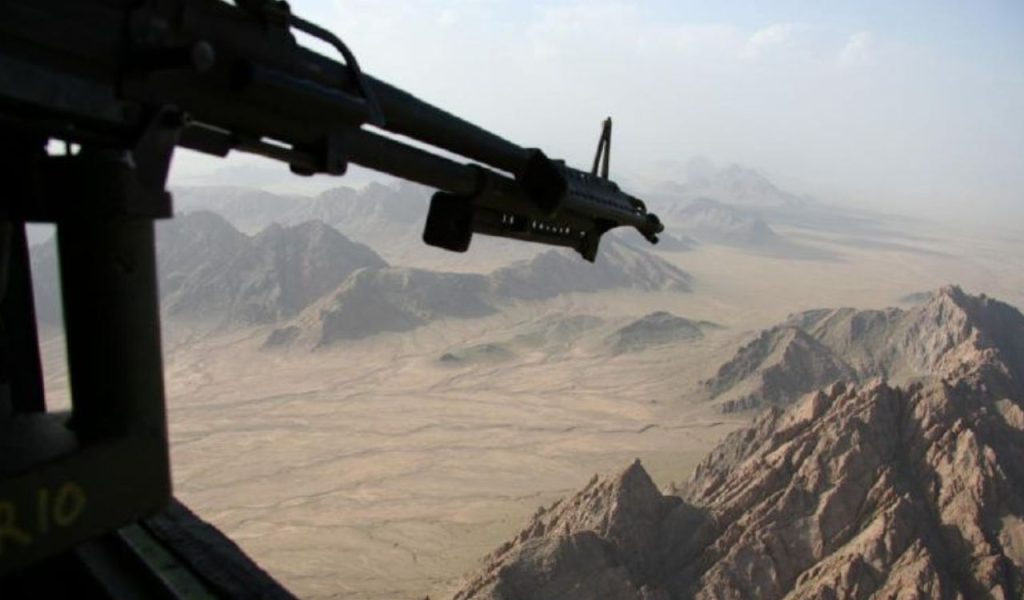
Afghanistan’s towering peaks and dramatic landscapes might seem appealing to adventurous campers, but decades of conflict have made large portions of the country extremely unsafe. Landmines, unexploded ordnance, and active militant activity remain serious threats in both populated and isolated areas. Many regions require travelers to pass through checkpoints that can shift hands without warning. There are almost no secure campgrounds, and wilderness routes are rarely documented or monitored. Solo campers would face enormous risks due to unpredictable conditions, lack of rescue services, and minimal government oversight.
3. Somalia
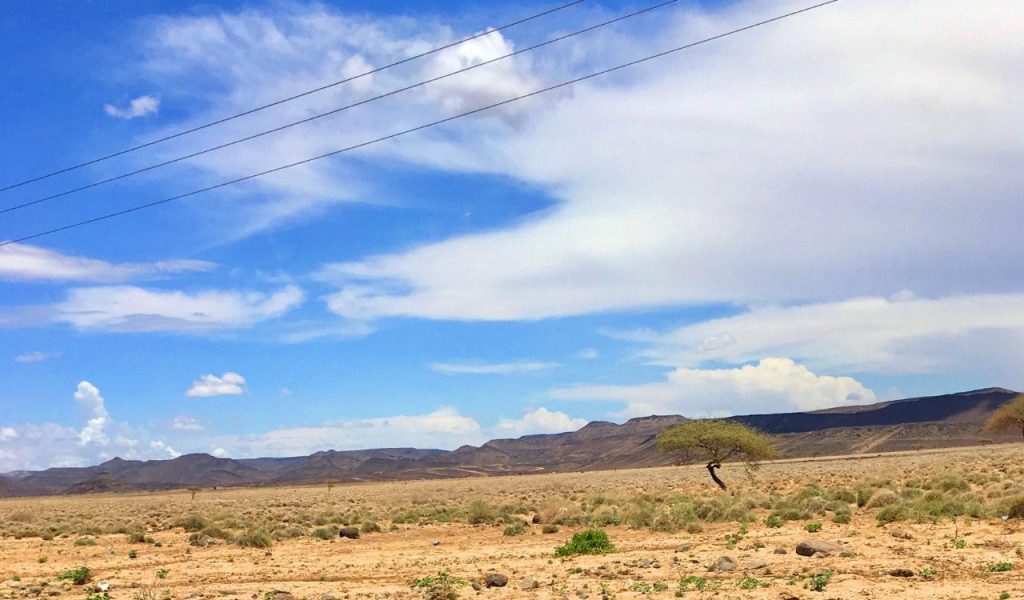
Somalia continues to struggle with internal conflict and the presence of armed groups, making travel outside major cities incredibly dangerous. Rural areas are largely ungoverned, and travelers can easily encounter roadblocks controlled by militias or criminal organizations. Kidnappings and targeted attacks are frequent, especially against foreign visitors. Infrastructure for outdoor activities is extremely limited, with no reliable campsites, marked trails, or emergency medical support. Solo campers would be isolated, vulnerable, and unable to depend on governmental aid if something went wrong.
4. South Sudan
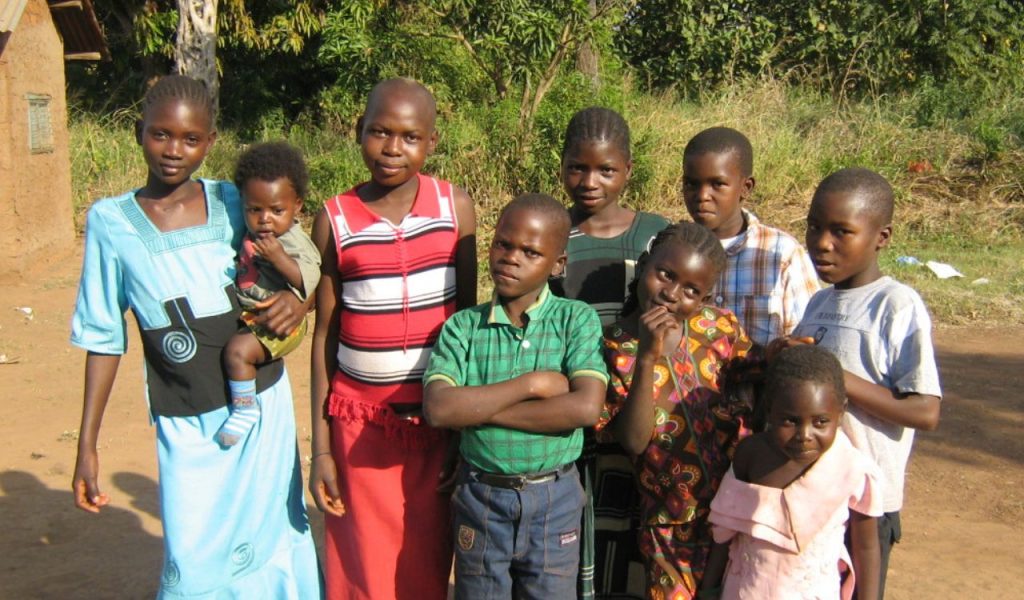
South Sudan’s incredible biodiversity and vast natural areas are overshadowed by ongoing conflict and political instability. Rural regions often experience tribal clashes, banditry, and unpredictable violence. Roads are poorly maintained and can become impassable, leaving travelers stranded without support. In addition to human-related risks, the country’s large wildlife population, including elephants and predators, poses additional challenges for solo adventurers. Emergency response systems are sparse, and accessing medical care can be nearly impossible in remote parks or villages.
5. Central African Republic
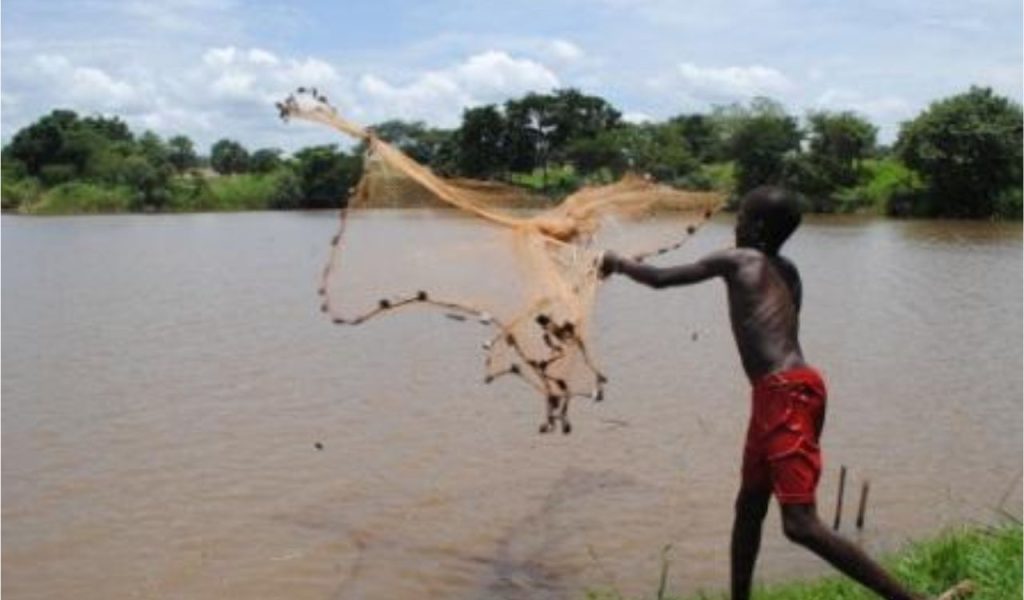
The Central African Republic contains dense forests, rolling savannas, and unique wildlife, but much of the nation is controlled by armed militias. Road ambushes, robberies, and violent encounters are common outside protected urban zones. Even experienced travelers often rely on local escorts for basic transit, let alone wilderness exploration. The country’s rugged terrain complicates navigation, and the absence of established campgrounds leaves visitors exposed. Without reliable communication systems or emergency services, a solo camper would face extreme isolation and high risk.
6. Yemen
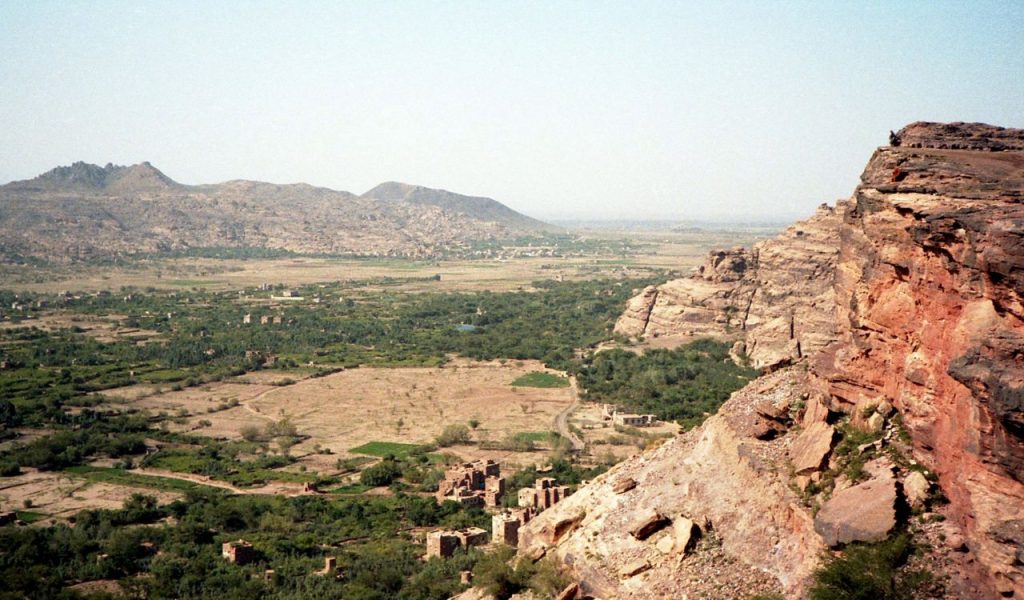
Yemen’s mountainous landscapes and coastal regions once offered serene outdoor experiences, but years of civil war have devastated the country’s safety and infrastructure. Many regions are active conflict zones, with shifting frontlines, checkpoints, and aerial strikes. Roads may be closed without warning, and humanitarian access is heavily restricted. Rural areas often lack drinking water, food access, and medical facilities. Solo camping is not only dangerous but nearly impossible, as even short trips outside urban areas require extensive security planning and local guidance.
7. Haiti
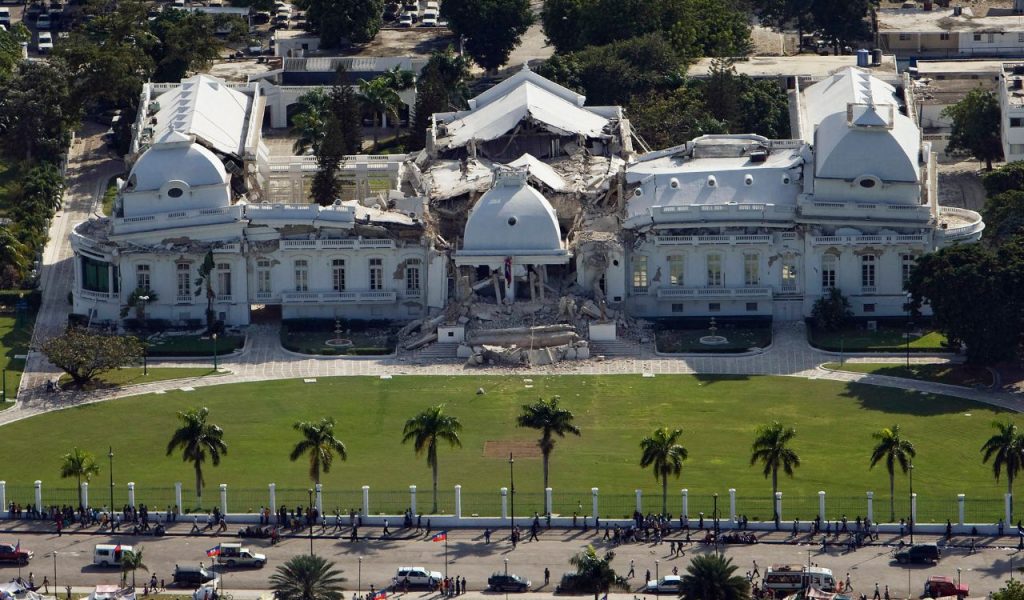
Haiti’s natural environment is beautiful, but its ongoing political turmoil and high rates of gang-related violence make it unsuitable for solo outdoor travel. Kidnappings, robberies, and targeted assaults occur regularly, especially in rural or unpoliced areas. Infrastructure challenges—such as damaged roads, unreliable transportation, and power outages compound the difficulty of reaching safe camping spots. Even locals seldom camp recreationally outside secure properties, and emergency services are limited. A lone camper would be vulnerable and unable to rely on rapid assistance if issues occurred.
8. Nigeria
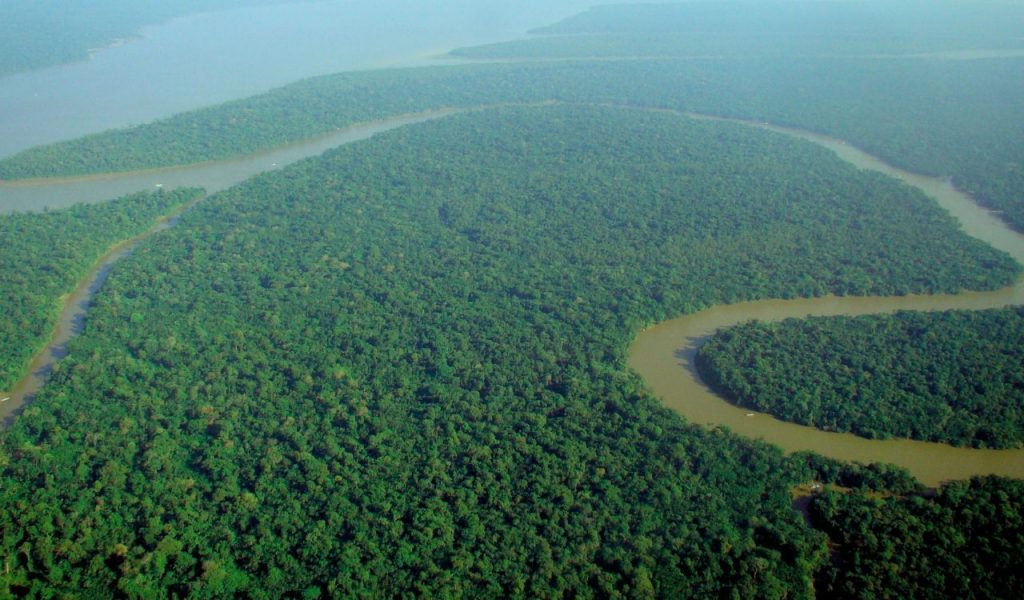
Nigeria offers diverse ecosystems ranging from savannas to rainforests, but certain regions of the country experience severe security issues. Armed bandit groups, extremists, and kidnappers operate in multiple states, particularly in northern and central areas. Rural travel often requires heavily guarded convoys, and isolated areas can become high-risk zones without warning. While some southern national parks are safer, they still lack the robust camping infrastructure needed for solo, self-supported travel. Navigation and communication challenges further increase the dangers for independent campers.
9. Honduras
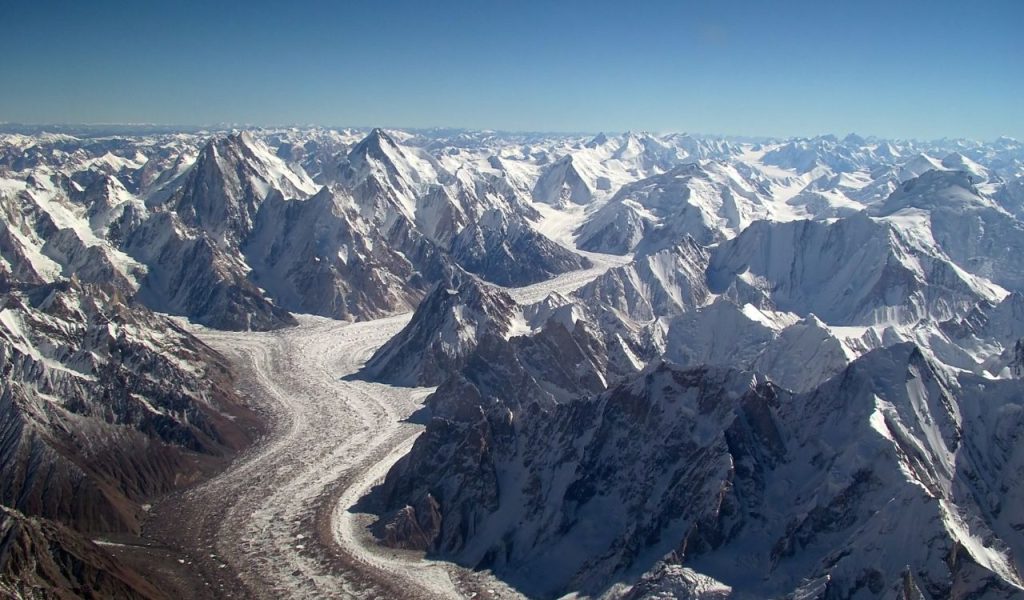
Pakistan’s mountain ranges, including the Karakoram, Hindu Kush, and Himalayas, draw trekkers with world-class scenery. While many tourist regions are generally safe when visited with guides, other areas near border zones remain insecure due to the presence of militant groups and unpredictable political dynamics. Remote terrain can be extremely challenging, with harsh weather, high altitudes, and limited access to rescue services. Solo campers could easily become stranded or lost, especially when venturing off established trekking routes. Phone coverage and medical access can be hours or even days away.
10. Papua New Guinea
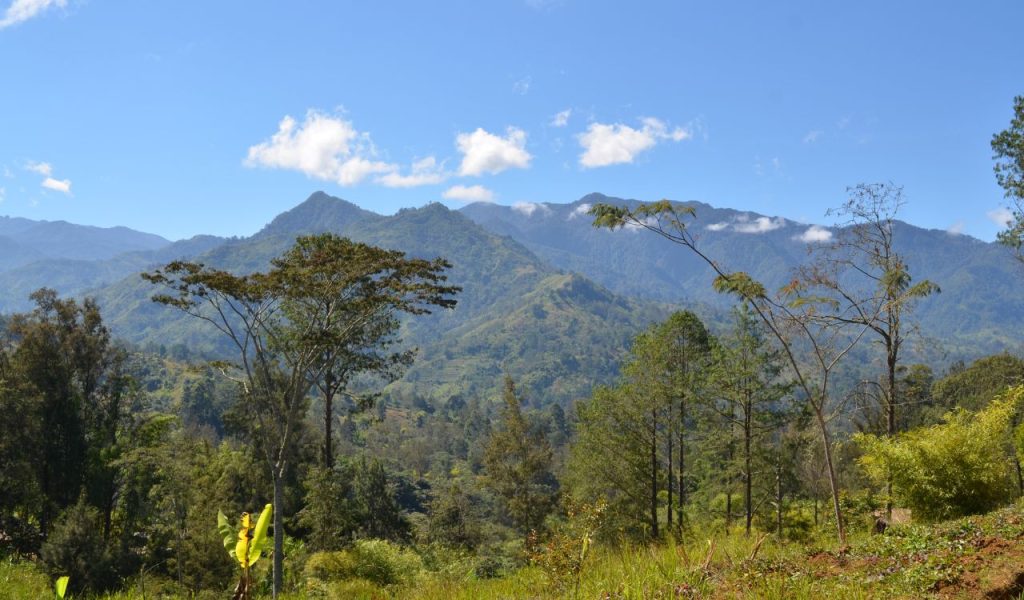
Papua New Guinea is known for its dense jungles, rugged mountains, and unique tribal cultures, but these same features make it a risky destination for solo camping. Crime rates are high, particularly in rural and highland areas, where tribal disputes can escalate rapidly. Many communities maintain strict territorial boundaries, and unaccompanied visitors may unknowingly enter sensitive areas. Navigational difficulties, unmarked trails, aggressive wildlife, and limited emergency capabilities further increase the danger. Even seasoned adventurers typically rely on local guides for safety.