
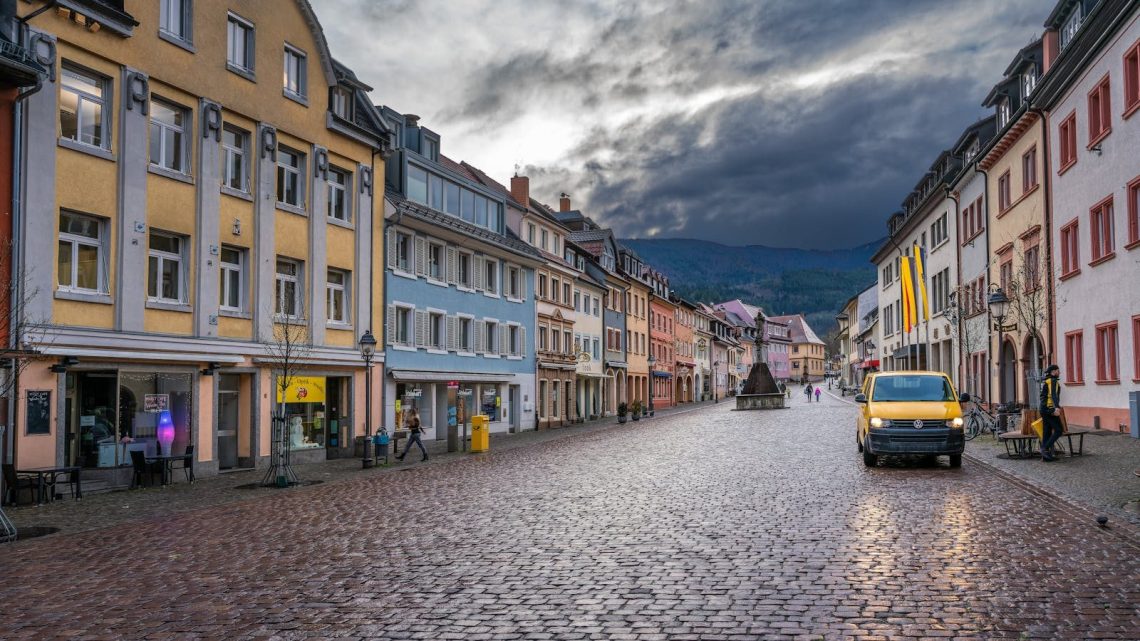
The quiet is real. So is everything else.
Small town life has a mythology in American culture — the slower pace, the friendly neighbors, the tight-knit community, the freedom from urban stress and expense. The mythology is partially true. It exists alongside realities that people who romanticize small towns from a distance do not anticipate until they are in the middle of them. Here is the honest version from people who have lived it.
Everyone Knows Your Business.
The social fabric of a small town is woven tightly enough that privacy is a different concept than in urban settings. Your new car, your medical appointment, your dinner guests, and your argument at the hardware store are known to a significant portion of the community by the following morning. This is not malicious — it is the natural consequence of living in a place where relationships are dense and information travels through personal networks rather than anonymously. Decide in advance how you feel about it.
Everything Requires Driving.
Small town life almost universally means driving everywhere for everything. The grocery store is twenty minutes away. The nearest hospital with a full emergency department might be forty-five minutes away. The airport is an hour and a half away. The freedom from traffic is real. The dependence on a functioning vehicle is also very real and has significant implications for cost, mobility, and daily time management.
The Social Options Are Limited and So Is the Dating Pool.
In a town of 2,000 people, the number of social events, restaurants, bars, entertainment venues, and potential romantic partners is genuinely constrained. People who thrive in small towns tend to be people who make their own entertainment, enjoy the outdoors, are deeply invested in community organizations, and are comfortable with a social life that is narrower but deeper than urban alternatives.
The Economy May Not Support Your Career.
Small town economies often do not have the professional opportunities that urban economies have. Remote work has changed this significantly but not universally. People who move to small towns for lifestyle reasons sometimes find that the professional opportunities available locally do not match their training, experience, or income requirements. Research the local economy as carefully as the lifestyle before making the move.
The Community Takes Care of Itself — and Expects You to Contribute.
Small town communities have volunteer organizations, civic institutions, and mutual aid networks that function because people participate. The fire department may be all-volunteer. The library board needs members. The school needs chaperones. The expectation that residents contribute to community life is real and noticeable. People who move to small towns and do not participate are noticed and remembered.
The Politics Are Often Different From What You Expect.
Small town America is politically diverse in ways that national media coverage does not represent accurately. Towns that vote overwhelmingly for one party at the national level often have genuinely bipartisan local governance where the shared interests of a small community override national partisan divisions. Local politics in small towns is frequently more pragmatic and less ideological than the national picture suggests.
Nature Is Right There and It Changes Your Life.
The access to outdoor space, natural quiet, dark skies, wildlife, and seasonal beauty that small town living provides is genuinely transformative for people who value it. People who move from cities to small towns with outdoor access consistently report that the daily relationship with natural environment is one of the most meaningful changes in their quality of life.
The Doctor Shortage Is Real.
Rural healthcare access in America is a genuine crisis. Many small towns have limited primary care options, no specialist care locally, and wait times for medical appointments that urban residents would find unacceptable. People with ongoing medical needs or who require specialist care should research healthcare access in any small community they are considering before making a commitment.
The Restaurants Are What They Are.
Small town food options are what they are. There is often a diner, a pizza place, a Chinese restaurant, a Mexican restaurant, a bar with a kitchen, and perhaps one newer establishment reflecting current food trends. The restaurant variety available in any city of meaningful size does not exist in most small towns. People who move from diverse urban food cultures to small towns frequently report that food is one of the most significant lifestyle adjustments.
You Will Probably Love It or Hate It. There Is Not Much Middle Ground.
Small town life tends to produce strong reactions from people who choose it as adults. People who fit — who value community, outdoor access, quiet, and the particular depth of relationships that come with living in one place among the same people over time — often describe it as the best decision they ever made. People who do not fit figure it out relatively quickly. The mythology is real for the people it is true for.
Go slowly. Rent before you buy. Meet the neighbors before you commit.