
For decades, many retail giants felt woven into everyday life, brands so big, so widely recognized, and so deeply rooted in American shopping culture that their presence seemed permanent. Families visited them for holidays, school shopping, weekend outings, or last-minute purchases, and their catalogs, commercials, and storefronts defined entire eras. Yet behind the scenes, growing debt, slow adaptation to technology, management missteps, and shifting consumer habits created cracks that widened faster than anyone expected. When these cracks finally gave way, some of the world’s most iconic retailers vanished with shocking speed.
1. Toys “R” Us
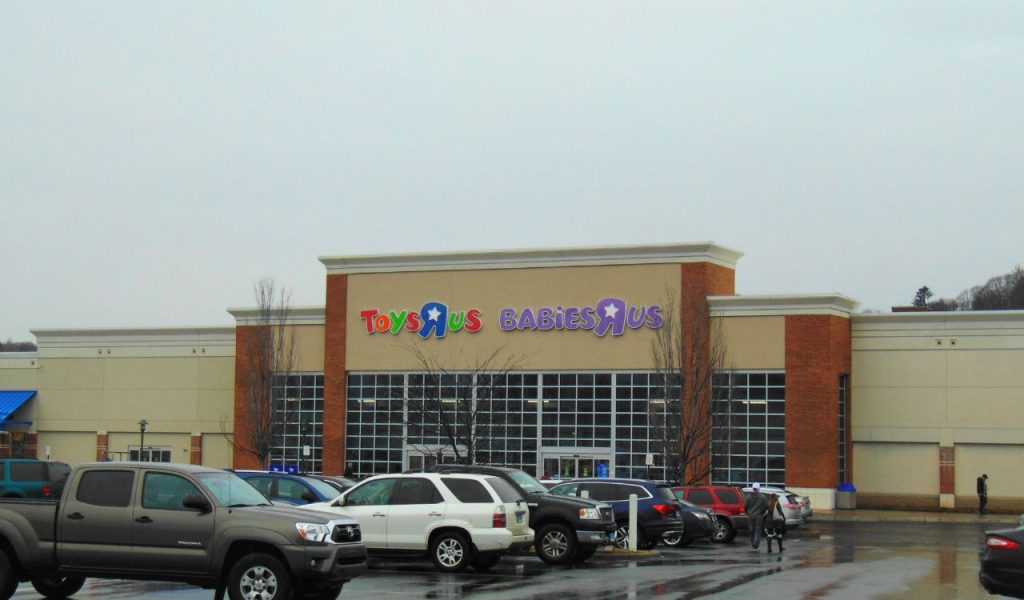
For generations, the brand stood as the ultimate destination for kids and parents alike, a massive, colorful world of toys unlike anything else in retail. With its beloved mascot, Geoffrey the Giraffe, and huge warehouse-style stores, the company seemed untouchable. But behind the scenes, a crushing leveraged buyout saddled it with billions in debt, making reinvestment nearly impossible. At the same time, competition from online retailers and big-box stores dramatically reshaped the toy market. While customers still loved the brand, financial instability.
2. Sears
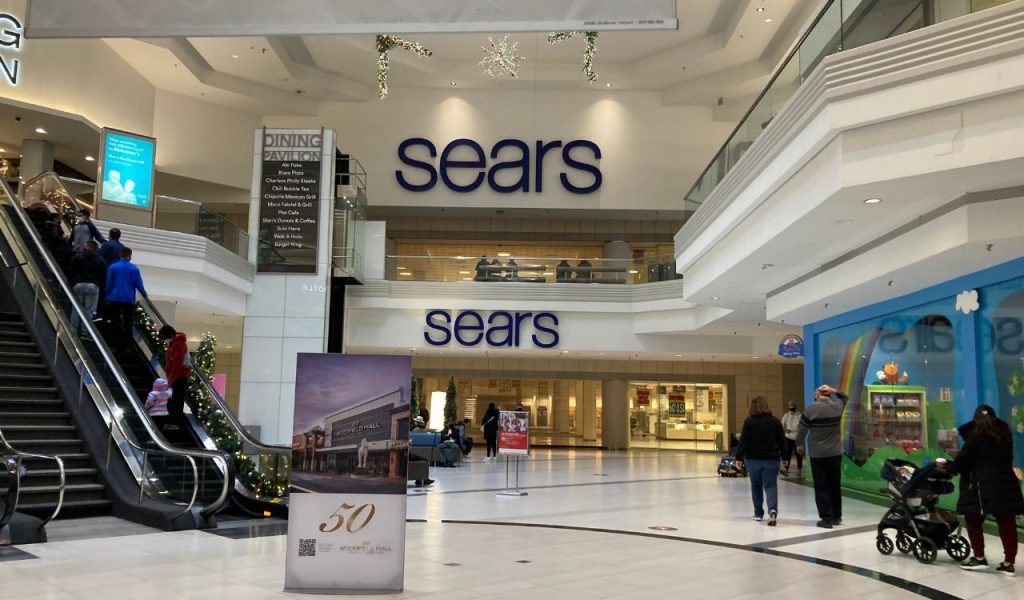
Once the largest retailer in the world, Sears shaped American shopping culture for over a century. Its catalog was revolutionary, bringing appliances, clothing, furniture, and even house kits directly to consumers long before online shopping existed. But years of poor leadership decisions, neglected stores, and a failure to modernize steadily eroded its dominance. As competitors modernized and e-commerce surged, Sears clung to outdated strategies and suffered from shrinking foot traffic. By the time the company attempted reinvention, it was too late; the stores had deteriorated, and customer trust had faded.
3. Circuit City
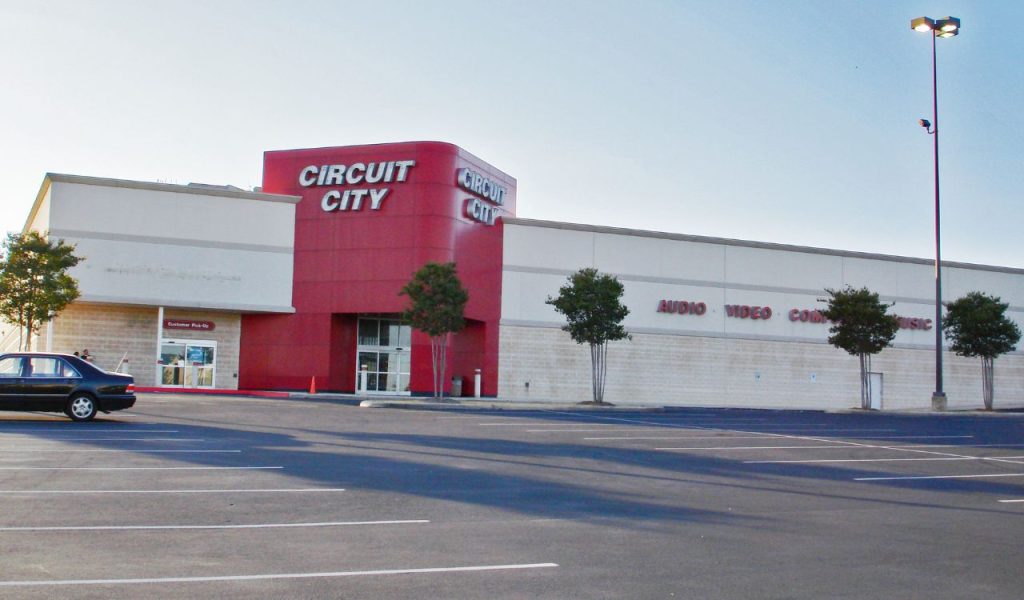
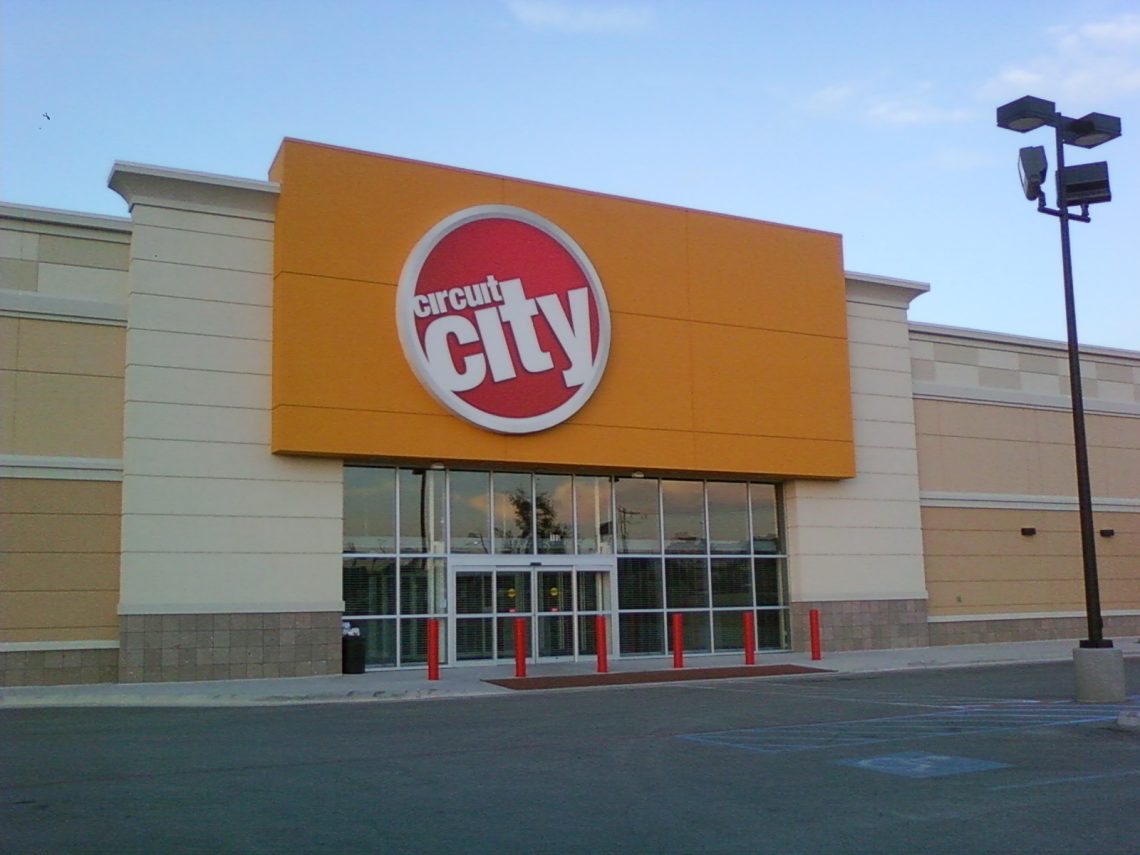
During the 1980s and ’90s, Circuit City was a powerhouse in consumer electronics, known for its wide product selection and early edge in tech retail. But a series of damaging decisions, such as eliminating its experienced sales staff, mishandling inventory, and failing to adopt competitive pricing, left the chain vulnerable just as consumer expectations were shifting. When big-box competitors and online sellers entered the market with better prices and more efficient models, Circuit City struggled to keep up. The economic recession of 2008 delivered the final blow, pushing the chain into liquidation by 2009.
4. Sports Authority
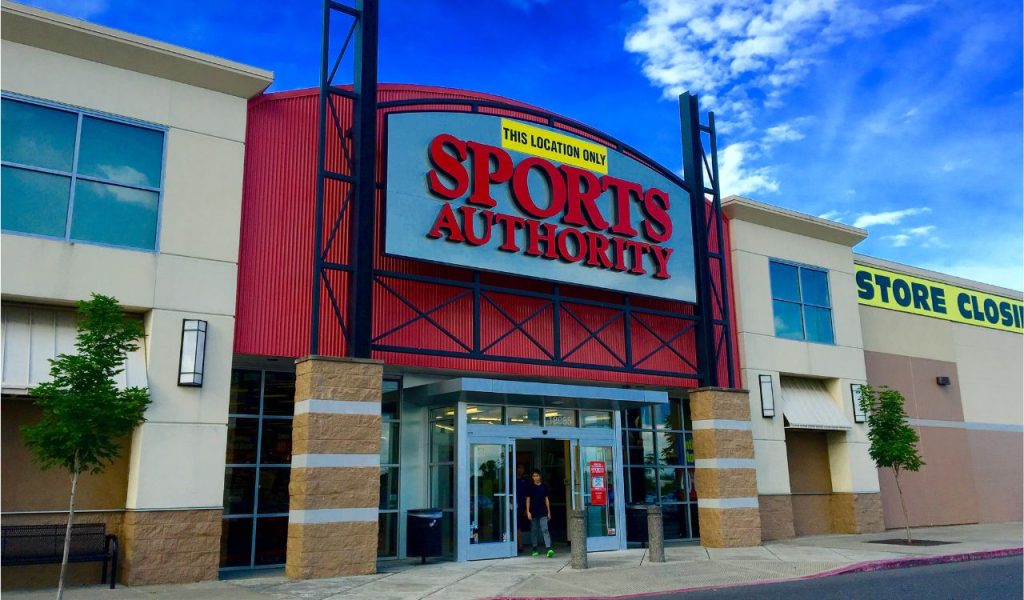
For years, Sports Authority was one of the largest and most trusted names in athletic retail. Families relied on it for school sports gear, athletes shopped there for equipment, and weekend adventurers browsed its vast aisles for outdoor essentials. But beneath the surface, the chain was struggling with outdated store layouts, rising operational costs, and a failure to keep pace with online competitors who offered lower prices and faster delivery. Instead of reinventing customer experience, the company continued expanding, adding even more stores despite declining foot traffic. In 2016, debt.
5. Linens ‘n Things
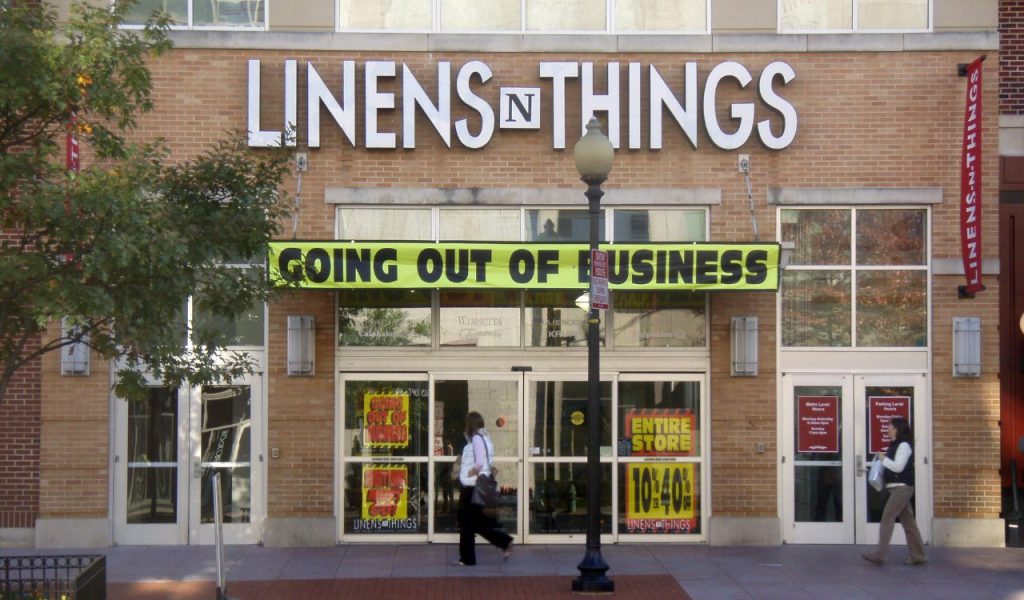
Once a major presence in the home goods market, Linens ‘n Things offered everything from bedding and décor to housewares and seasonal items. In the early 2000s, it competed head-to-head with Bed Bath & Beyond, and for a time, the two chains dominated the category. But behind the scenes, poor financial decisions, high lease costs, and the impact of a leveraged buyout placed enormous strain on the company. When the 2008 recession hit, consumer spending dropped sharply, especially in home goods, and the retailer had no financial cushion to fall back on. It went bankrupt.
6. Borders Group
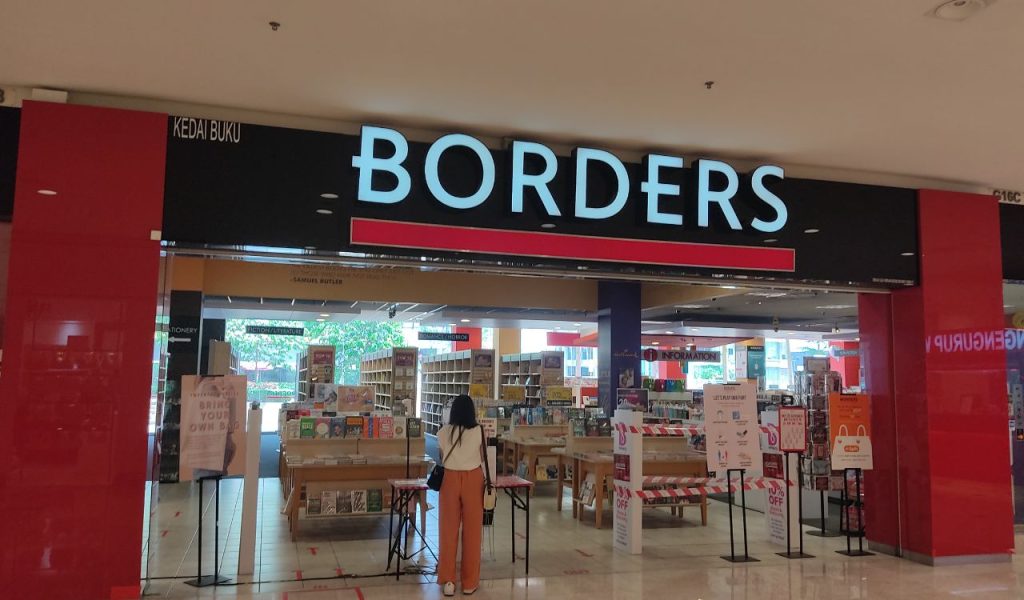
Borders was once a favorite destination for readers, offering expansive book selections, music sections, and cozy in-store cafés that encouraged customers to linger. But as the digital age accelerated, the chain made several critical missteps—it invested heavily in CDs and DVDs just as those formats were collapsing, outsourced its online sales to Amazon, and adopted e-books far too late to compete. Meanwhile, rivals like Barnes & Noble adapted more quickly, and online retailers offered better prices and convenience. Saddled with too many large stores and declining revenue, Borders filed for bankruptcy in 2011. Within months, all stores closed, ending an era for devoted book lovers.
7. RadioShack
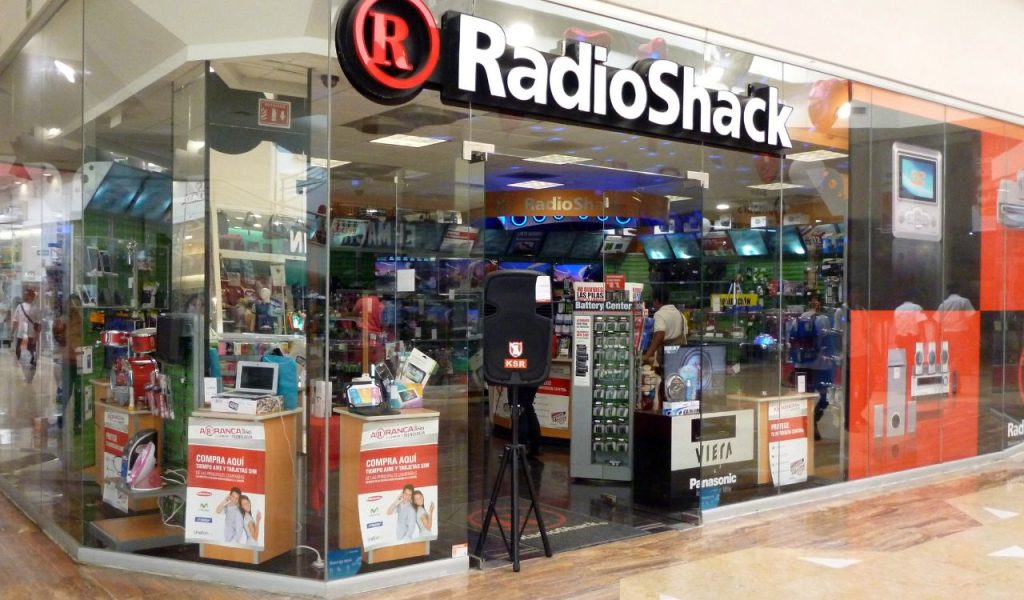
RadioShack began as a haven for electronics hobbyists, DIY tinkerers, and early adopters of new tech. For decades, it thrived by offering parts, components, and gadgets that couldn’t easily be found elsewhere. But as technology evolved toward smartphones and tablets, the company struggled to redefine its identity. Big-box retailers took over mainstream electronics sales, and online stores became the go-to source for niche components. Years of unfocused branding, outdated store formats, and declining sales pushed the chain into two rapid-fire bankruptcies in 2015 and 2017.
8. Payless ShoeSource
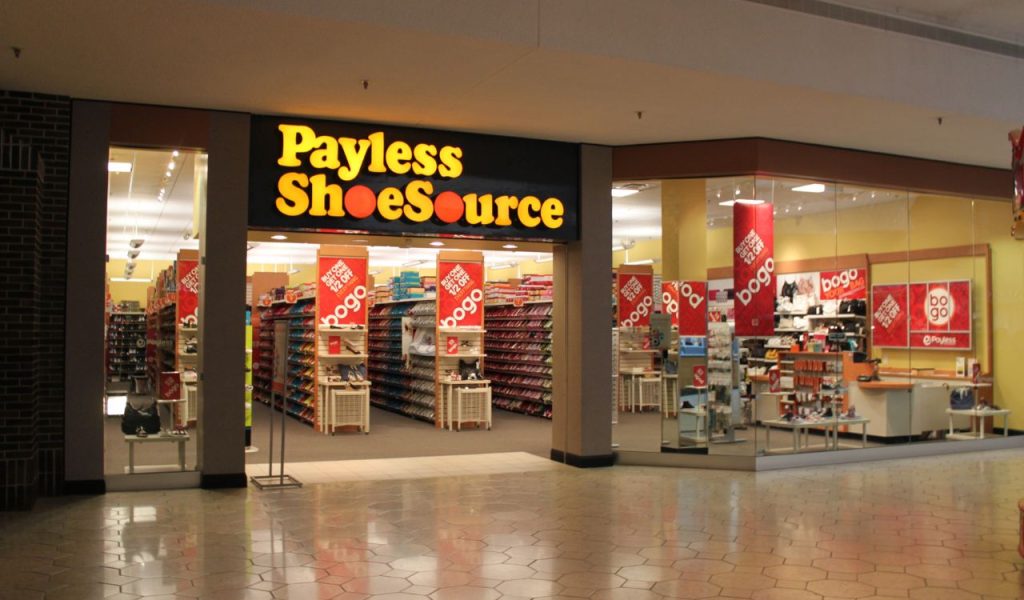
Known for its affordable footwear and frequent family shopping trips, Payless built decades of loyalty through accessible prices and widespread locations. But as online competition grew and fast-fashion retailers expanded their shoe offerings, Payless found it harder to keep customers coming through its doors. A major challenge came from the massive debt accumulated through private-equity ownership, leaving the company with little room to innovate or modernize stores. By 2019, Payless shocked customers by announcing the closure of all U.S. locations, its second bankruptcy in just two years.
9. The Limited
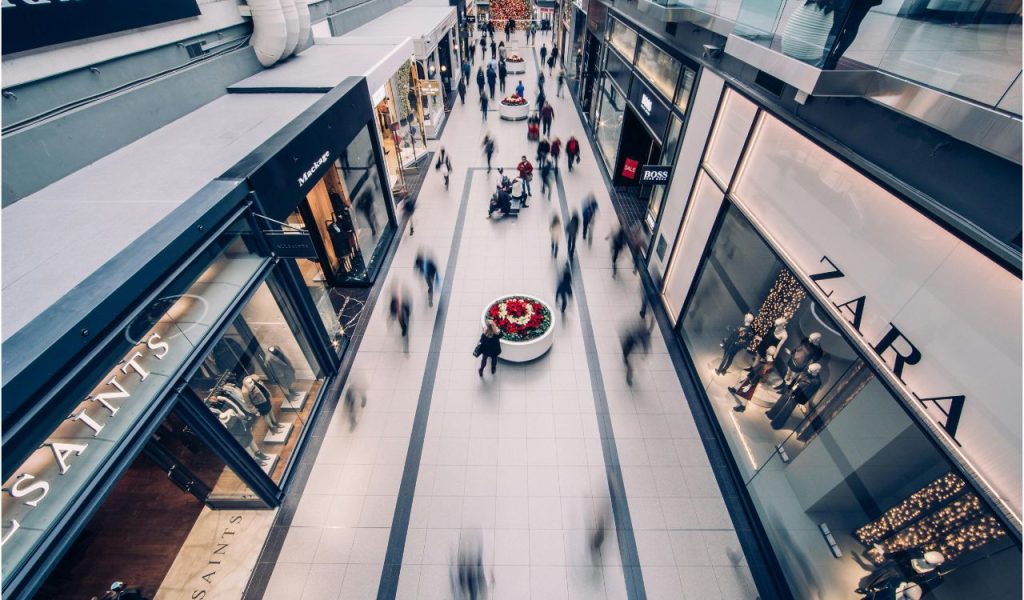
The Limited was once a cornerstone of American mall fashion, known for stylish, office-friendly clothing that appealed to young professionals. But as shopping trends shifted toward fast fashion, online retail, and trend-driven styles, the brand struggled to maintain relevance. Years of declining sales, fierce competition, and underinvestment in digital platforms weakened its ability to keep up. By early 2017, the company made a stunning announcement: every one of its brick-and-mortar stores would close immediately. The brand briefly returned online, but its longstanding physical presence disappeared almost overnight, surprising many loyal customers