

Growing up before smartphones meant you relied on memory and instincts to get through the day. You woke to an alarm clock, not notifications, and memorized phone numbers instead of checking a screen. You carried keys, wallet, maybe a paperback for waiting moments.
Life felt slower because you couldn’t tap a screen to fill every quiet moment. You focused on the world around you, used printed maps, asked for directions, and listened to records or cassettes.
Those routines shaped your sense of time, patience, and memory. You learned to appreciate small, unhurried moments in ways you don’t think about today.
1. Dialing a Landline Took Patience

When you made a phone call you used a landline that stayed in one place. You lifted the receiver, listened for a dial tone, and dialed numbers one at a time. If someone else in the house was already on the phone, you waited your turn. You couldn’t rush the process by tapping faster. Landlines taught you that reaching someone wasn’t always instant.
You rarely memorized a long string of digits by rote now, but back then you knew friends’ and relatives’ numbers like secret codes. That rhythm of waiting and retrying shaped your expectations about technology and communication, and it made waiting for a response feel normal rather than frustrating.
2. Music Was Physical and Intentional
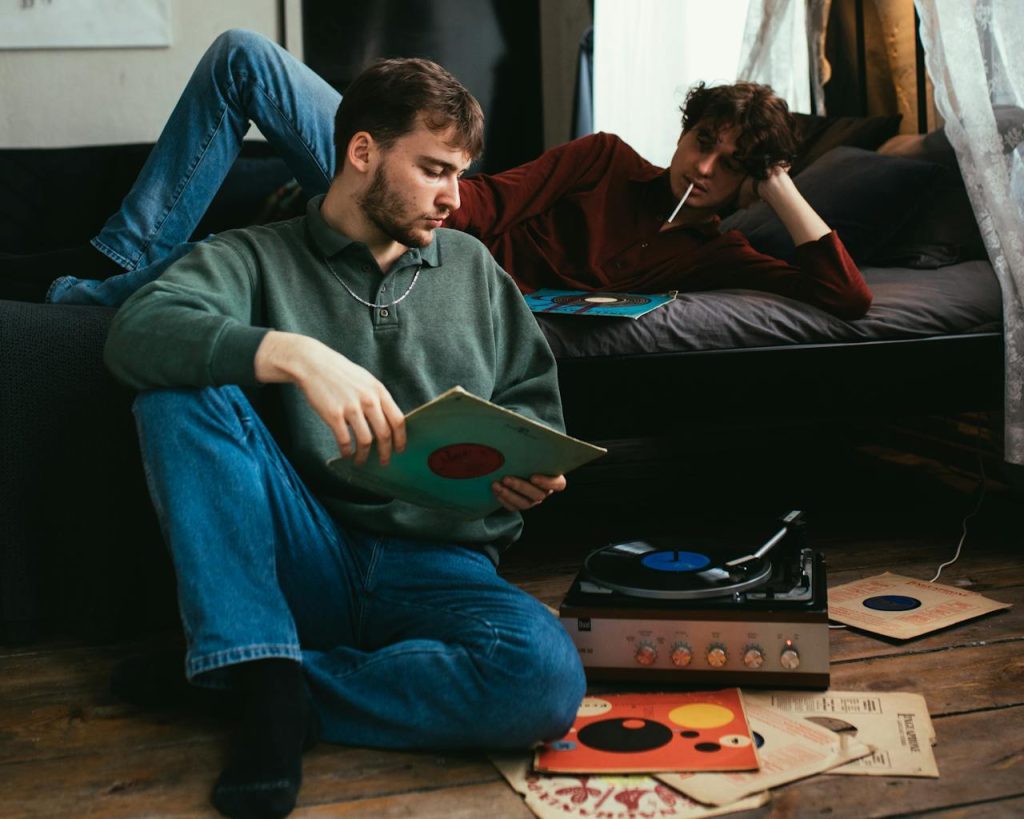
Before portable music players were everywhere you carried a mix of tapes or a stack of vinyl records. You dropped a cassette into a Walkman and clipped it to your belt. You learned where the play and record buttons were without looking. If you wanted to skip a song you tapped the fast‑forward button and listened until you heard the next track. It took practice and attention.
Music was physical. Sometimes you swapped tapes with friends and discovered new songs. That ritual wasn’t about convenience. It was about making choices with intention, because every movement of your finger changed what you heard next.
3. Printed Maps Were Essential

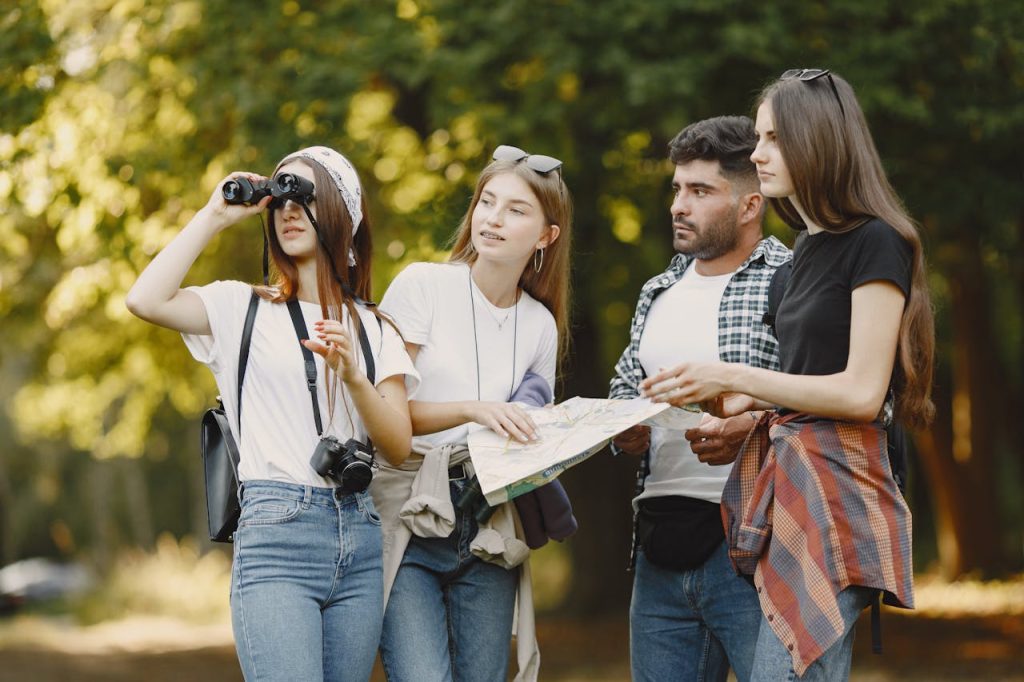
When you were out with friends you used printed maps to find your way. You spread those maps across the hood of the car and traced routes with your finger. You learned to recognize town names and highway numbers because you saw them on paper. If you missed a turn you pulled over and folded the map again, trying not to crease it the wrong way. Asking someone for directions wasn’t a last resort, it was normal.
You watched landscapes and road signs instead of staring at a screen. You formed a mental picture of the route you were taking. You figured out your best path with your own sense of direction.
4. Letters Required Patience and Care
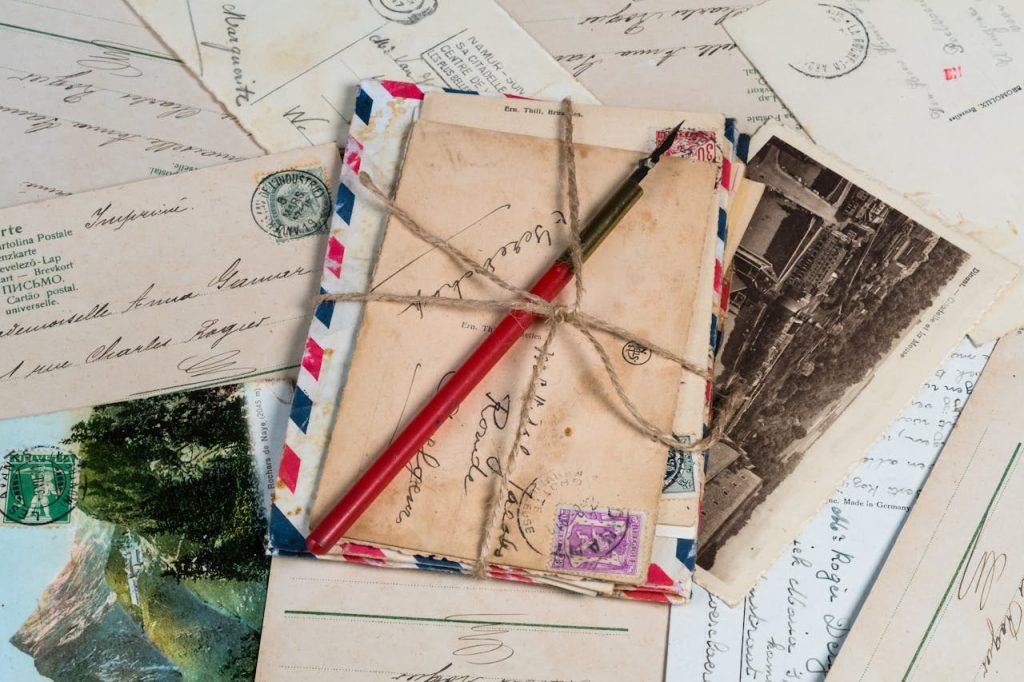
Waiting for a letter was part of everyday life. When you mailed a postcard or letter you guessed how many days it would take to reach someone. You checked the mailbox after school and felt a small thrill when the flag was up. You opened envelopes carefully, saving letters in a drawer or box because they had weight and texture and your friend’s handwriting on them. The physical presence of a letter made it feel important.
You learned patience because you couldn’t speed up delivery. You wrote your thoughts, licked the stamp, and believed the rest was out of your hands. Those moments taught you to be comfortable with delays and uncertainty.
5. Social Plans Needed Real Coordination
Planning social time required coordination without instant messages. You set a day and time to meet, and you actually showed up then. If something changed you called ahead or waited by the agreed location. Not everyone could reply immediately, so you learned to trust that people would show up when they said they would.
When you agreed to meet a friend after school you remembered the plan. You looked forward to catching up in person rather than checking an app to see if they were available. That made each get‑together feel more significant. You felt present in the moment because you weren’t juggling threads of texts or tapping for updates.
6. Memorizing Facts Was a Skill
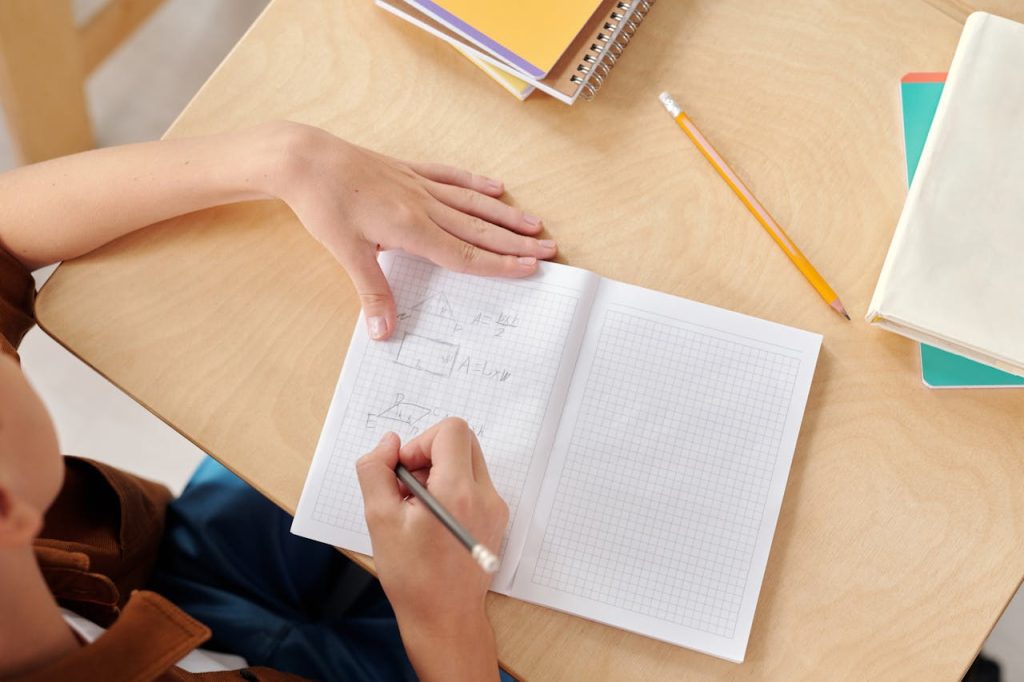
You figured out how to remember things because notes weren’t digital and search wasn’t a tap away. You used sticky notes, scribbled things in a little notebook, or just held facts in your head. You remembered birthdays, anniversaries, and phone numbers because there was no alternative method to save them. Memory was a skill you built through repetition.
You wrote essays by typing or handwriting and checked facts in books. You looked up definitions in dictionaries, flipping pages with your fingers. That practice made you a strong reader and thinker because you had to engage deeply with information rather than skim and skim again online.
7. Waiting Taught Patience Everywhere

Everyday life required you to wait and be present. Whether waiting for a bus, a friend’s call, or a letter, you learned that the world didn’t move at the speed of an app. You noticed details, observed people, and appreciated small interactions. Life demanded patience, and it rewarded focus.
You became comfortable with gaps in time because there was no way to fill them instantly. You didn’t measure life in notifications or updates, but in small, real experiences that left a lasting memory. That awareness made everyday moments richer and shaped how you value presence today. You learned to slow down and truly notice what was around you.
8. Asking Questions Was Face-to-Face

Before you could search anything online, you asked people directly. Whether it was homework help, directions, or advice, you learned to approach someone and speak. You listened closely, remembering details, because the answer wasn’t waiting in a pop-up or search bar.
Asking questions in person made conversations richer. You noticed tone, body language, and expressions. That practice sharpened your observation skills and memory, because you couldn’t just scroll back or reread a text. Real interaction taught patience, focus, and the value of listening fully. It also made learning feel more personal and meaningful.
9. Free Time Was Self-Directed

Entertainment didn’t come with autoplay or endless scrolling. You had to decide what to do with your free time, whether it was riding bikes, reading, playing outside, or drawing. That choice required imagination and initiative.
You discovered hobbies organically, learned to occupy yourself, and sometimes even got bored which was part of the process. Boredom forced creativity and reflection, making your free time meaningful. You learned to enjoy moments without digital prompts, shaping independence and self-reliance. Those experiences taught you to value your own company and creativity. They also made you appreciate small joys in everyday life.