Here’s the thing about growing up in the 1970s: family life revolved around habits you probably never thought about until now. You’d gather around the radio to catch a favorite show, celebrate every Sunday with a big dinner, and pass handwritten letters between cousins. You played outside until dark, walked to school with neighbors, and honestly expected everyone to show up at family reunions.
These traditions weren’t just routines. They built rhythms that shaped how you connected with people. Over time, many of these slipped away because life got busier, tech changed how you interact, and the ways you spend time together evolved.
1. Sunday Dinner Together
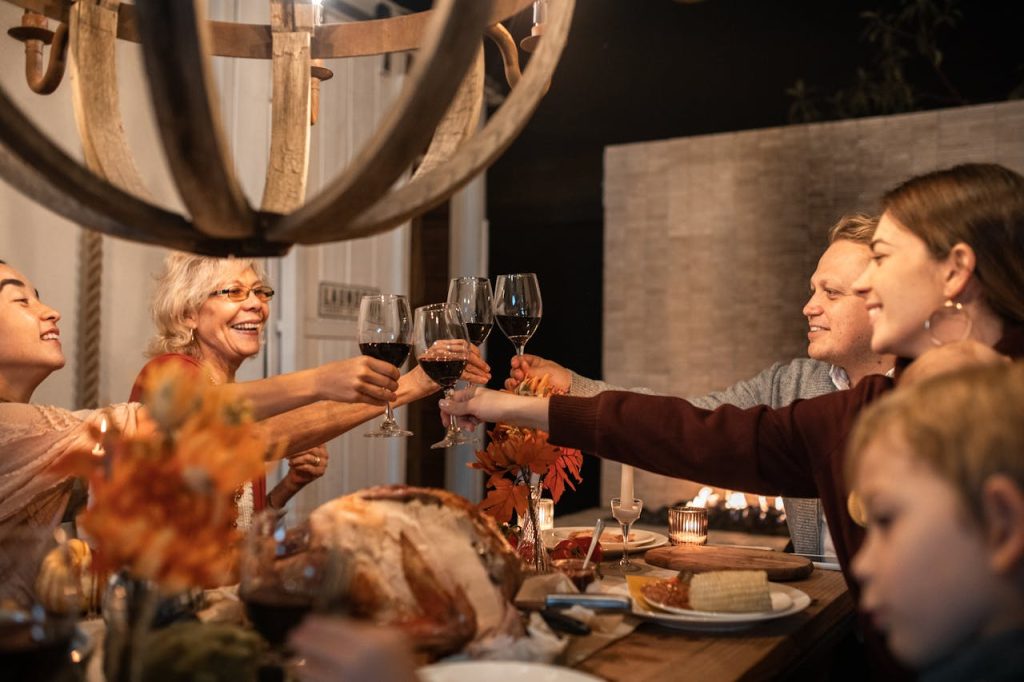
In the 1970s, Sunday dinner wasn’t optional; it was tradition. You planned the whole week around it. The extended family often showed up, and everyone pitched in on cooking. You didn’t rush or eat in front of the TV. You sat at the table, passed bowls around, and talked about what you’d been up to.
Today, you’re more likely to eat whenever you have time, often alone or with screens on. That kind of intentional weekly family gathering, where stories get shared, and laughter floats around the table, just doesn’t happen the way it did back then. You felt a real sense of connection, knowing everyone had a chance to be heard and appreciated.
2. Playing Outside Until Dark

When you were a kid in the 1970s, your neighborhood was your playground. You’d ride bikes, play hide and seek, or kick a ball around until streetlights flickered on. Parents trusted you to come home when dinner was ready, not a text message. There were no strict schedules or parent chaperones. You learned independence and social skills from negotiating games and rules with friends.
Today, worries about safety, traffic, and screens have kept kids indoors more. That simple freedom to roam your block after school and stay out until dark is a tradition many don’t realize they’ve lost. You built friendships that lasted because you spent hours figuring out games, solving disputes, and creating your own adventures.
3. Handwritten Letters to Family
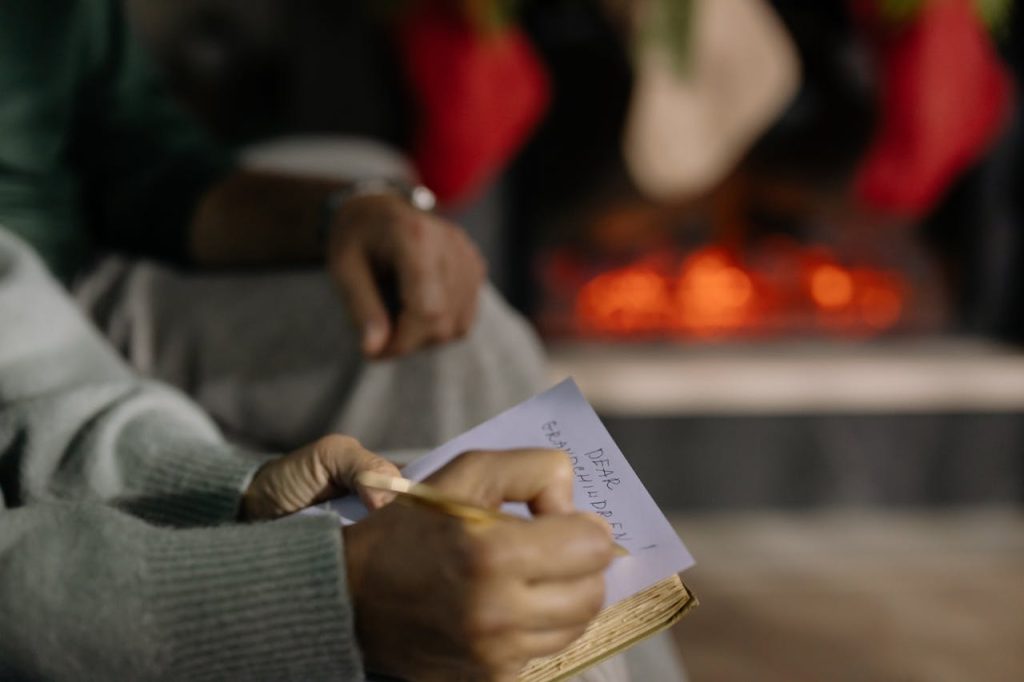
Before email and texting, you wrote letters by hand. You described school events, cracked jokes, asked about cousins, and maybe doodled in the margins. You kept stamps handy and looked forward to the mail carrier’s whistle. These letters went in envelopes with your best handwriting on display and spent days traveling to reach relatives.
That pace and anticipation taught patience and made arriving mail exciting. Now messages are instant and fleeting. The idea of sitting down to write about your week, send it off, then wait for a reply is something people born later never experienced as the norm. You treasured each response, rereading letters again and again, and felt a genuine connection that today’s instant messages rarely create.
4. Family Board Game Night
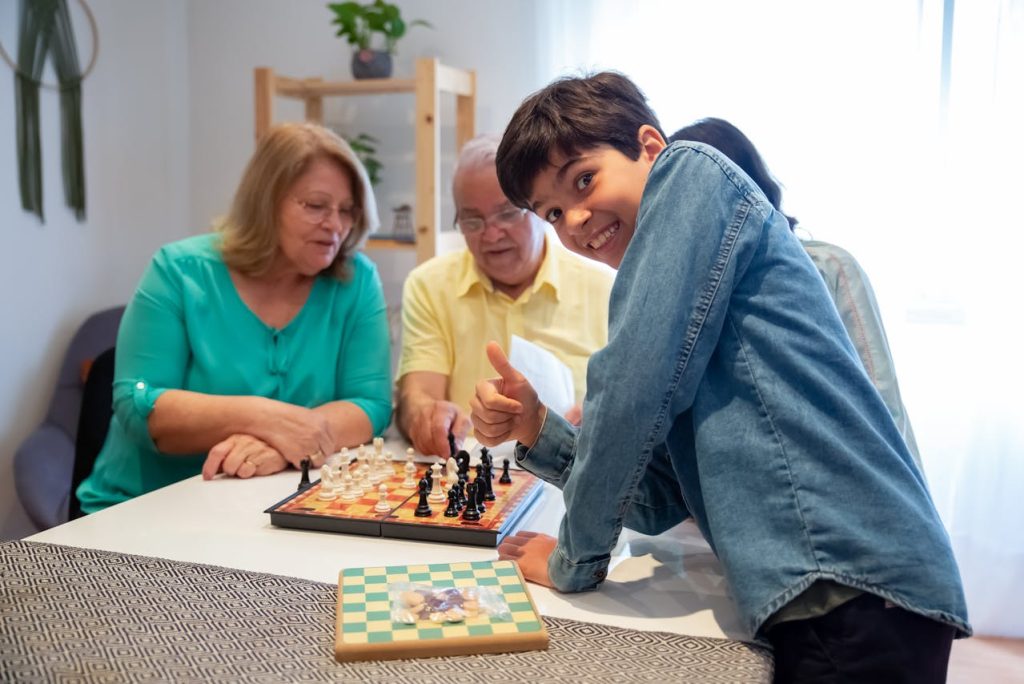
Board games were how you entertained in the 1970s. After dinner, you’d clear the table, pull out a game like Monopoly or Clue, and settle in for a couple hours of competition and laughter. There were no consoles, nothing to plug in. You talked, teased each other, and learned rules together. Someone might argue about whose turn it was or who cheated. Those moments built a connection.
Today, game nights still exist, but they’re often digital and solo. The classic board game night that drew the whole family into a shared living room experience has faded in many homes. You looked forward to these evenings all week, knowing the fun, laughter, and friendly rivalry would bring everyone closer in ways screens never can.
5. Riding Bikes as Primary Transport
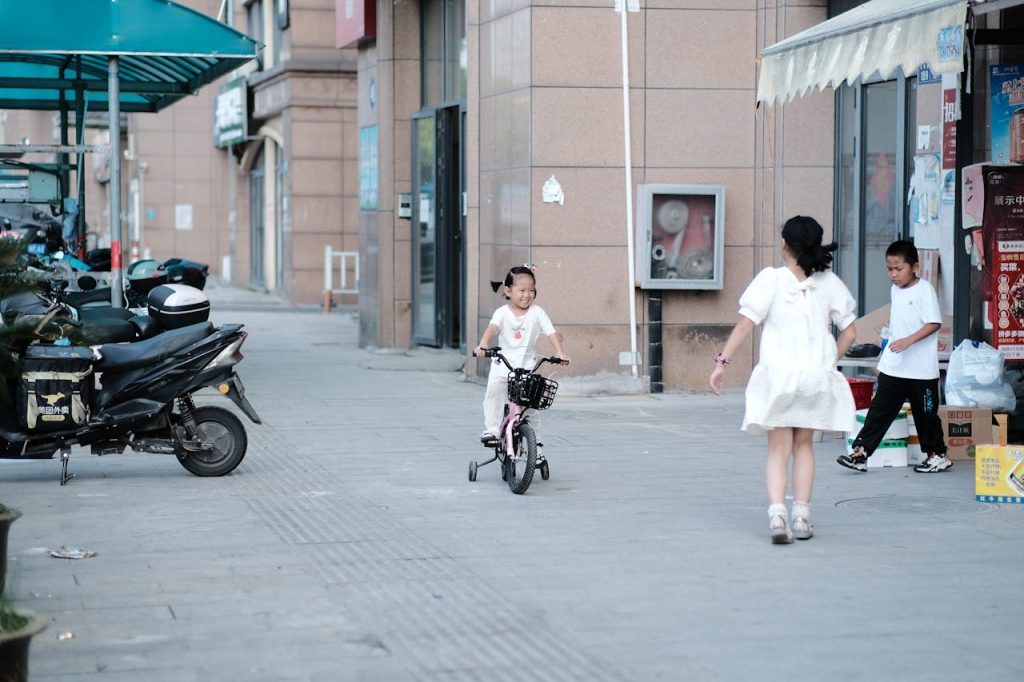
Back then, you didn’t need a parent to drive you everywhere. You hopped on your bike to visit the store, a friend’s house, or the local park. You learned basic repairs and got comfortable navigating your neighborhood streets. Bikes were how you claimed independence before a driver’s license. You didn’t think about gas or parking. Now kids are often driven everywhere, and bikes are more for exercise or sport than everyday transport.
That shift changed how you learned responsibility, explored your surroundings, and bonded with neighborhood kids without adults standing nearby to supervise. You felt a sense of freedom and confidence, knowing you could handle small challenges on your own while exploring the world around you.
6. Neighbors as Part of Your Family Circle
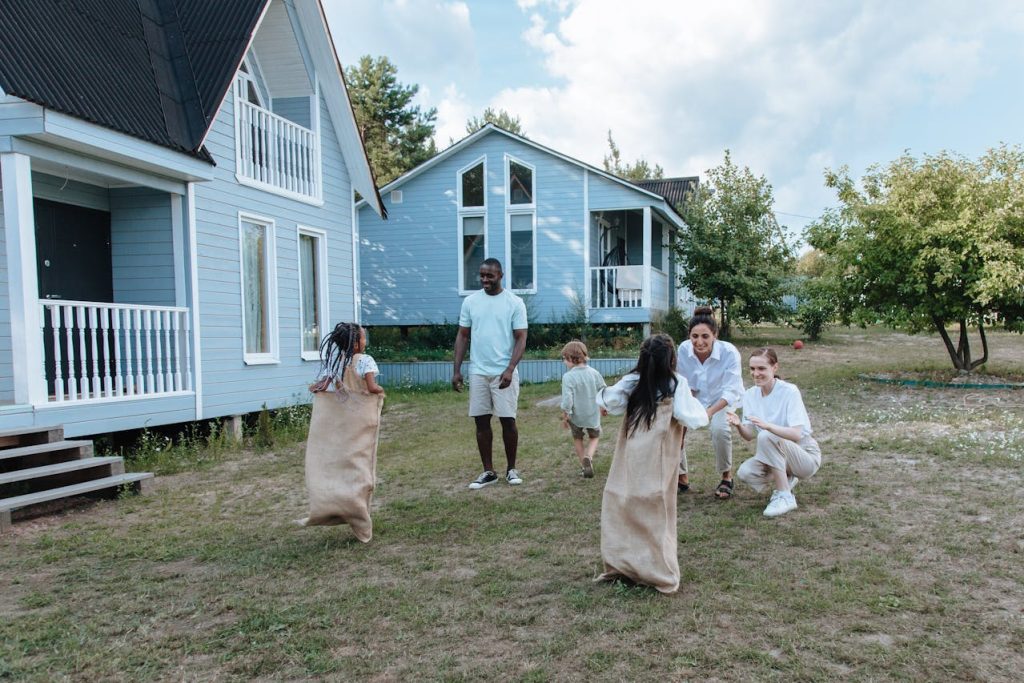
Neighbors weren’t strangers in the 1970s; they were part of your extended circle. You borrowed sugar from Mrs. Patel down the street, played tag with the Johnson kids next door, and looked out for each other’s pets. Adult neighbors checked in on you without it feeling intrusive. You had impromptu barbecues and borrowed tools as a matter of course.
Today, people keep more to themselves, and digital connections often replace neighborhood ties. That sense of living in a community where everyone knew your name, waved when you passed, and genuinely cared about your day isn’t as common anymore. You built trust and a sense of belonging, knowing support and friendship were just a doorstep away whenever you needed them.
7. Family Road Trips Without Screens

A 1970s road trip was all about the journey. You packed sandwiches, pointed at roadside attractions, and played license plate games. There were no tablets to occupy the back seat, so you talked, sang along with the radio, and argued about who got the window seat. You didn’t rush. Stops were part of the fun. You made memories because you were present with each other.
Now families often rely on screens to keep kids quiet, and trips focus on destinations over conversations. The shared experience of unhurried travel with nothing but family interaction has largely faded. You discovered the joy of simple moments together, learning about each other, and creating stories you would laugh about for years to come.
8. Celebrating Every Birthday With a Homemade Cake
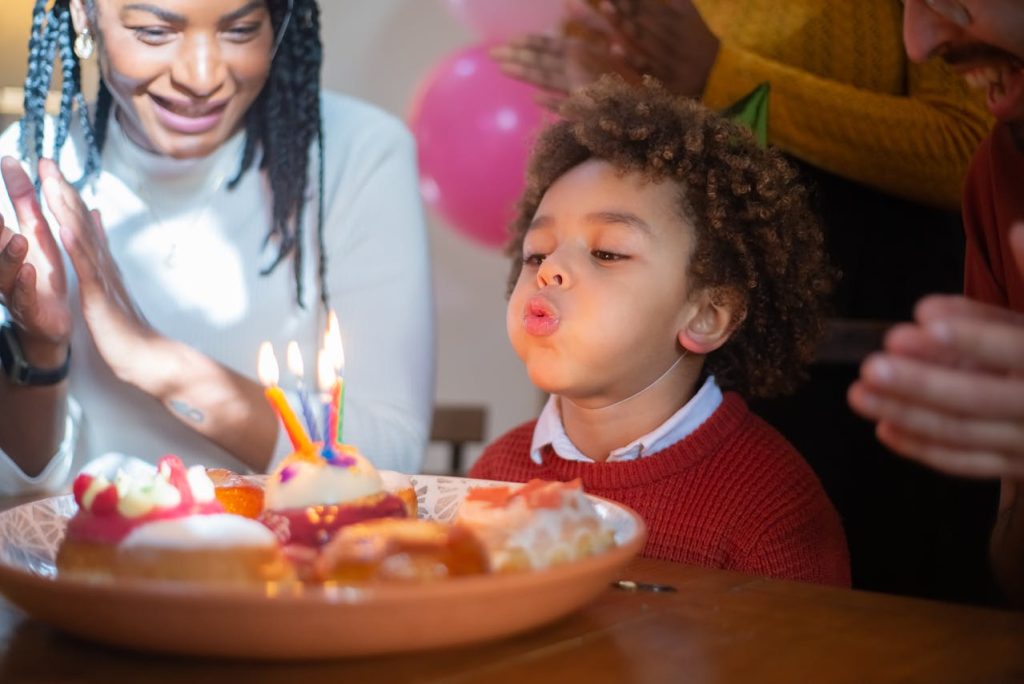
Birthdays in your house probably meant a homemade cake, candles, and singing around the kitchen table in the 1970s. You picked the flavor, helped mix the batter, and watched your family fuss over each detail. Presents came after hugs and photos. The day felt special because everyone made time for you.
Nowadays, many celebrations are scheduled events or outsourced to venues, and the ritual of baking together, sharing stories about past birthdays, and savoring the cake without rushing through the moment is something lots of people don’t even notice they’ve lost. You felt truly celebrated, knowing the effort, love, and attention from your family made the day unforgettable in a way store-bought parties rarely do.
9. Watching TV Shows Together at the Same Time
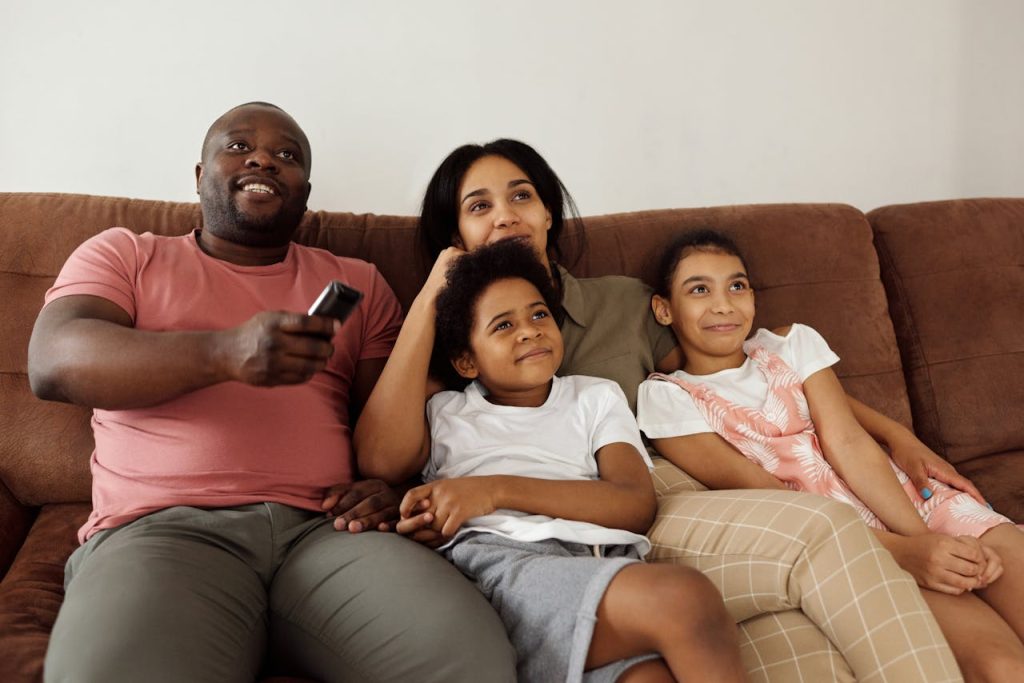
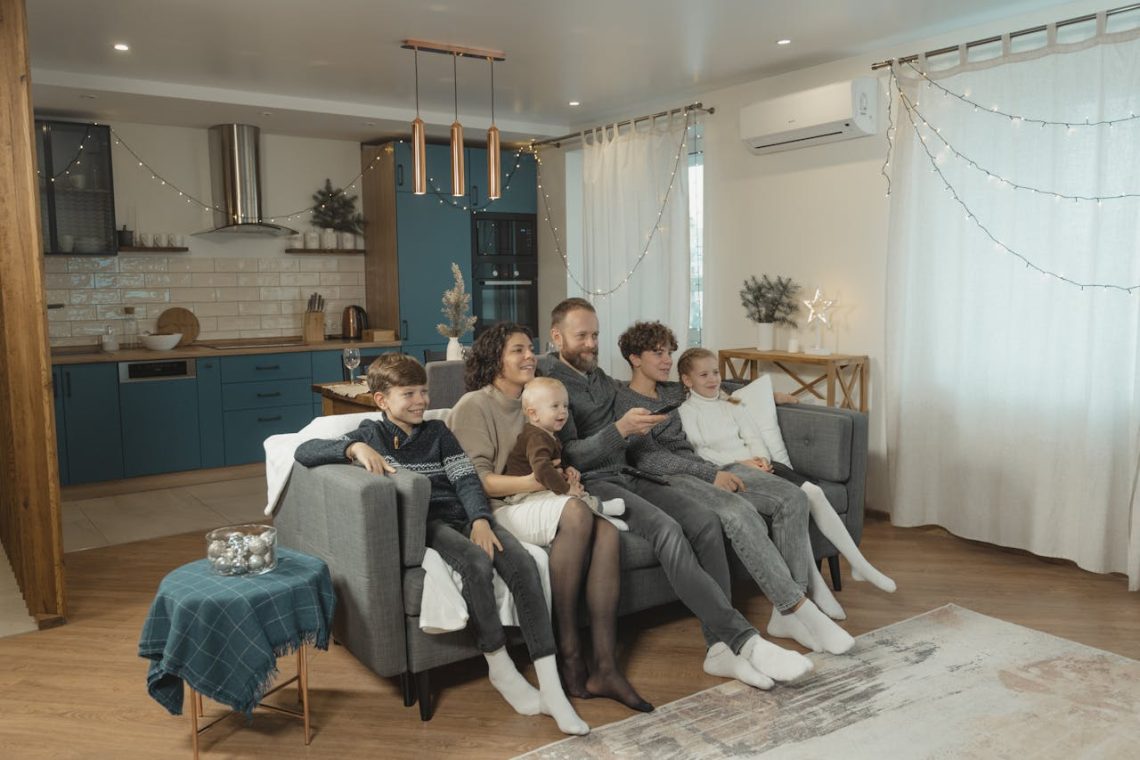
Television brought families together in the 1970s because schedules were fixed. You knew the night your favorite show aired, and you gathered in the living room to watch it together. You discussed plot twists at breakfast the next day and waited a whole week for the next episode. It created shared experiences and conversation.
Today, everyone streams what they want, when they want, on personal devices. That collective ritual of tuning in together at a set time, sharing laughter or suspense in the same room, and connecting over the latest episode just doesn’t happen like it used to. You built anticipation and shared excitement, knowing that watching and reacting together made the stories more memorable and strengthened family bonds.