Work talk changes with age, and some phrases that used to echo through offices and on shop floors now feel dated or out of place. You probably heard these lines in movies, from older coworkers, or in old memos. They made sense in a world of punch clocks, typewriters, and long afternoon breaks.
Today, you might barely notice them, or they might make you smile because they feel like a time capsule. What this really means is you get a snapshot of how work used to be talked about, and how language shifts as routines and technology change. Let’s break down eight old-school work phrases Americans rarely hear now and what they meant when people did use them.
1. Clocking in and clocking out
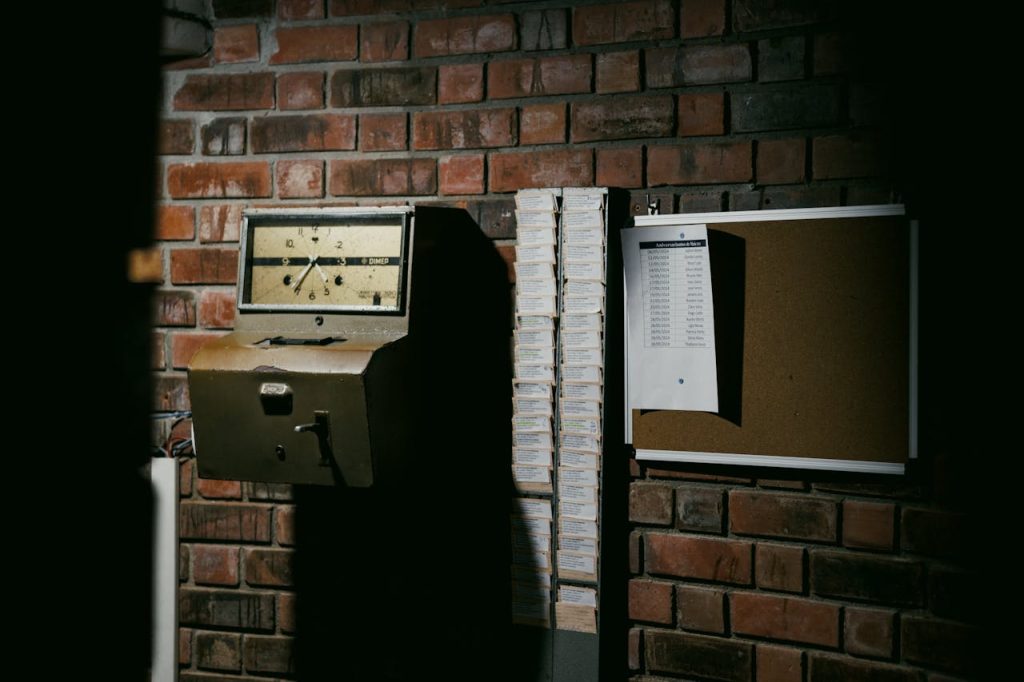
You’ve likely seen time clocks in old movies. Workers literally slid a card into a machine to record when they began and ended a shift. That act was called clocking in and clocking out, and it was part of daily life in factories and offices alike.
With smartphones, flexible schedules, and digital systems that track hours automatically, very few people actually “clock” anything anymore. You still might hear it as a joke or in a nostalgic way, but it doesn’t reflect how most workplaces log your time now. The phrase lives on mostly in memory and in culture, not in daily use. Before digital tracking, missing a punch could mean lost pay or disciplinary notes, so accuracy mattered a lot.
2. Touch base
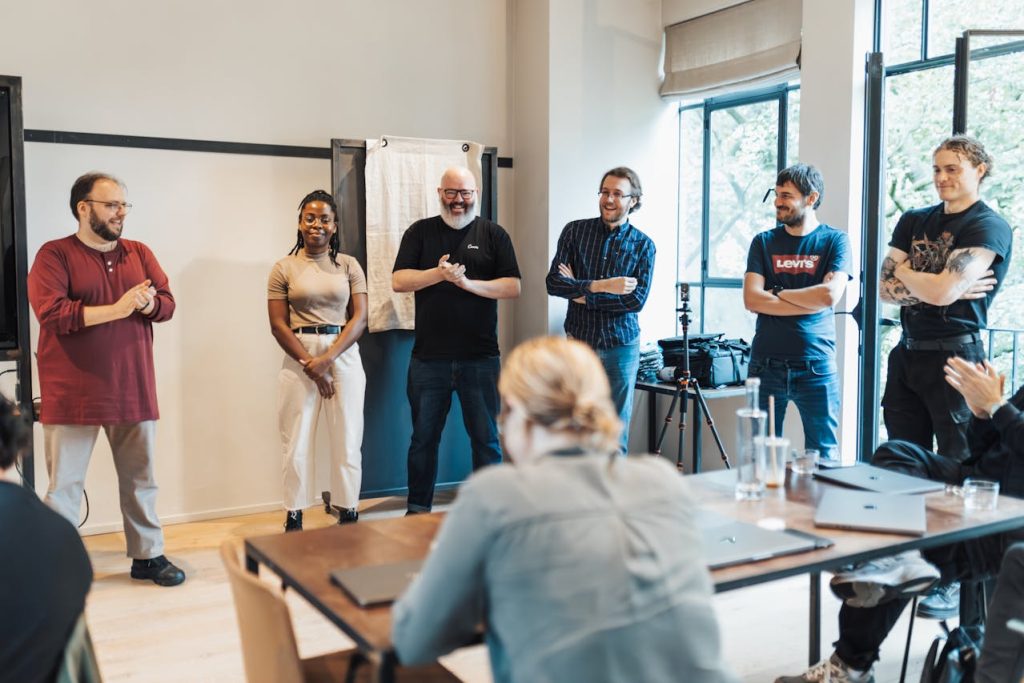
This one used to mean checking in briefly with a colleague about a task or plan. It came from sports, where a player touches a base to show they’re safe, then keeps moving. At work, it signaled a quick, informal update. Today, coaches and coworkers tend to schedule meetings, use chat apps, or send messages instead.
You still hear “touch base” now and then, but it’s getting rarer as people choose clearer ways to say what they want. What you really need now is concrete time and deliverable updates, not a vague get‑together. The phrase stuck around in emails and memos for years, but younger workers often find it vague or old-fashioned, preferring direct communication.
3. Back to the drawing board
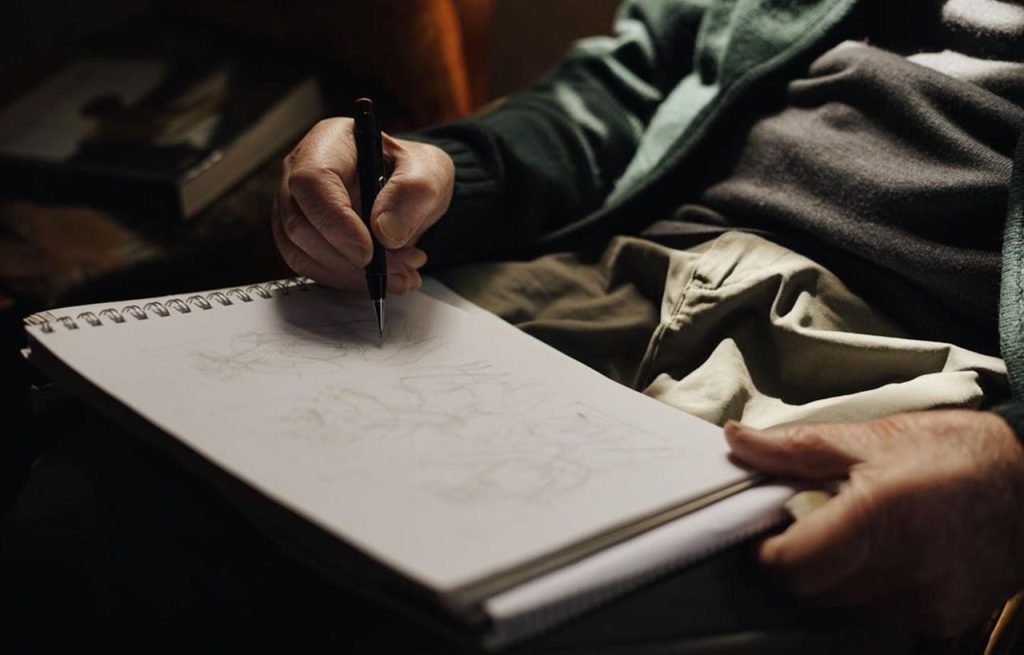
Long before digital design tools, designers sketched ideas on paper. If a plan failed, someone sent everyone “back to the drawing board” to start over. It summed up the idea of restarting with fresh thinking after a flop. Now most design work happens on computers, and teams iterate quickly with prototypes and tests.
Because of that, the literal board is gone, and the phrase feels old school. You might still hear it for dramatic effect, but it’s less common in everyday workplace chat because the tools and pace of work have changed. The phrase also captured the patience and effort once needed to revise work, something digital tools now streamline instantly.
4. Burning the midnight oil.
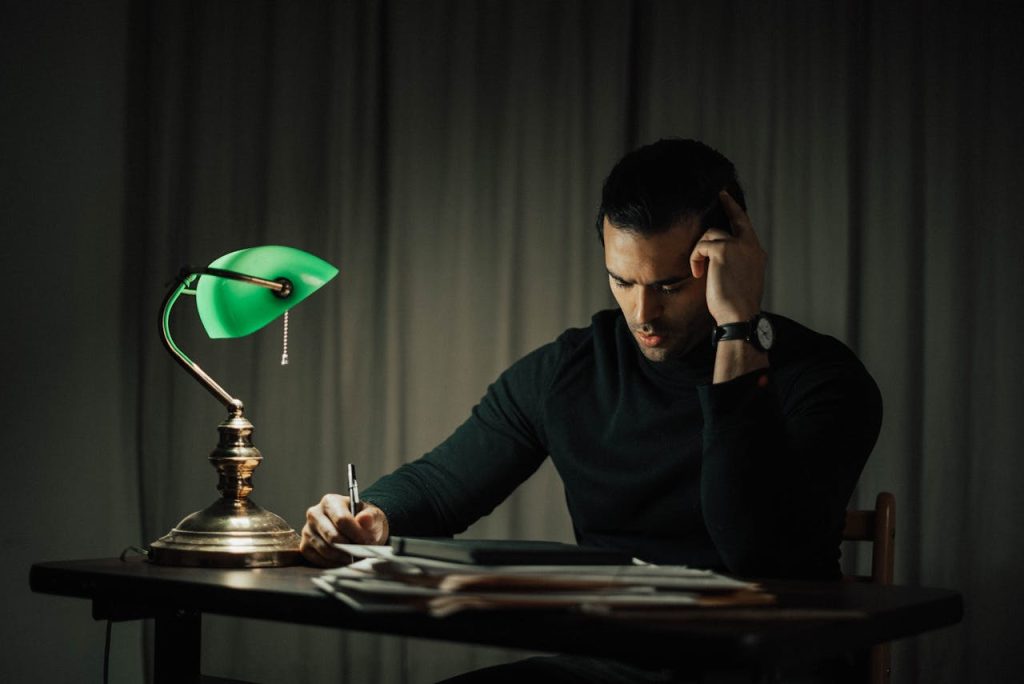
Before electric lights, people worked late by oil lamps. “Burning the midnight oil” meant staying up late to finish work. These days, work often happens around the clock with devices everywhere, so being up late isn’t tied to lamps and oil. You still hear it in culture, but it doesn’t feel anchored to what people actually do.
Most teams talk about deadlines, time zones, or work‑life balance instead. The idea survives more as a metaphor in stories and speeches than as part of daily office vocabulary. It also reflected dedication and sacrifice in a way that modern remote work rarely emphasizes. Staying late used to be visible proof of commitment, not just a line on a calendar.
5. On the same page

This one used to come from printed manuals, where everyone literally had to be reading the same page to discuss details. At meetings, you’d check that everyone was aligned on facts before moving forward. Modern teams use shared files and real‑time collaboration tools, so being literally on a page isn’t a thing.
People might still use the phrase to mean agreement, but younger workers might replace it with talk of shared screens or documents. The phrase feels a bit dated because it reflects an era of physical print. It also highlighted the importance of clarity, making sure no one misunderstood instructions before taking action.
6. Take five

This came from workers being told to take a five‑minute break. “Take five” meant step away from the job for a bit and come back refreshed. Today, break culture varies widely, and many workplaces don’t call out five‑minute breaks in that way. People talk about stepping away to stretch, grabbing coffee, or pausing notifications instead. You might hear “take five” as a casual suggestion, but it’s not a formal phrase you’d expect in memos or schedules anymore.
The phrase feels like a snapshot of industrial era norms. It also showed managers cared about short, structured rest periods, something that modern flexible schedules handle more informally.
7. Closing time
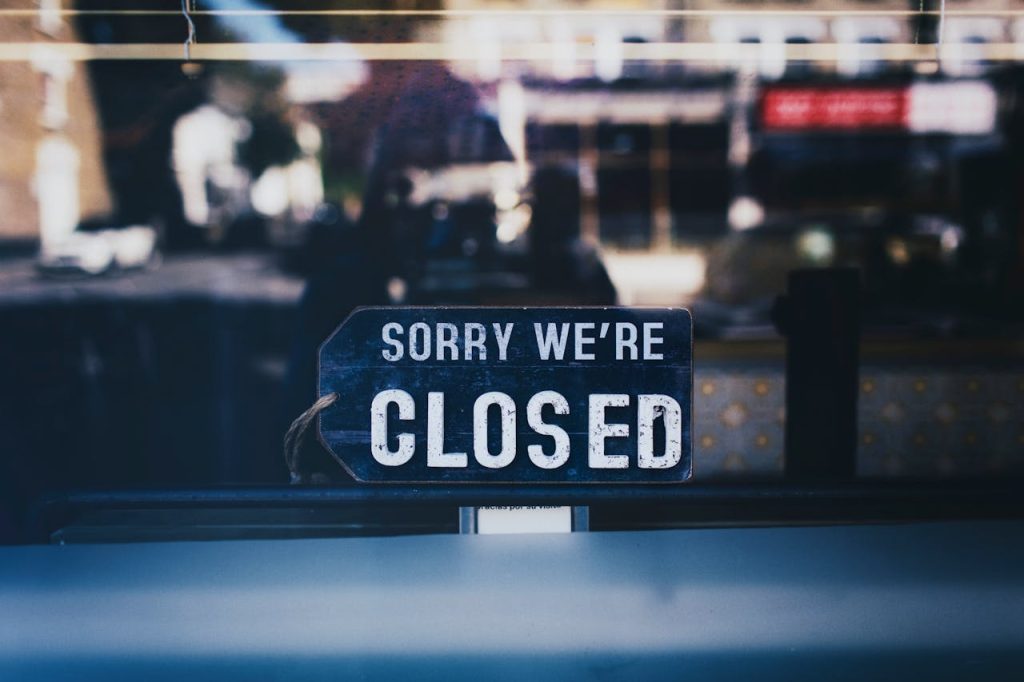
In retail and hospitality, “closing time” was the firm end of the workday when doors shut and lights went off. Nowadays, many people don’t have a fixed closing time. With remote work and flexible schedules, you might log off at different hours and not have a clear closing ritual. The phrase still exists to mark the end of business hours for shops and restaurants, but you won’t hear it often in office culture.
Work isn’t tied to literal door locks and shutters the way it once was. It also reinforced a clear boundary between work and personal life, giving employees a dependable signal that the day was over. The routine helped structure daily schedules in a way modern flexibility rarely does.
8. Out of pocket (old meaning)
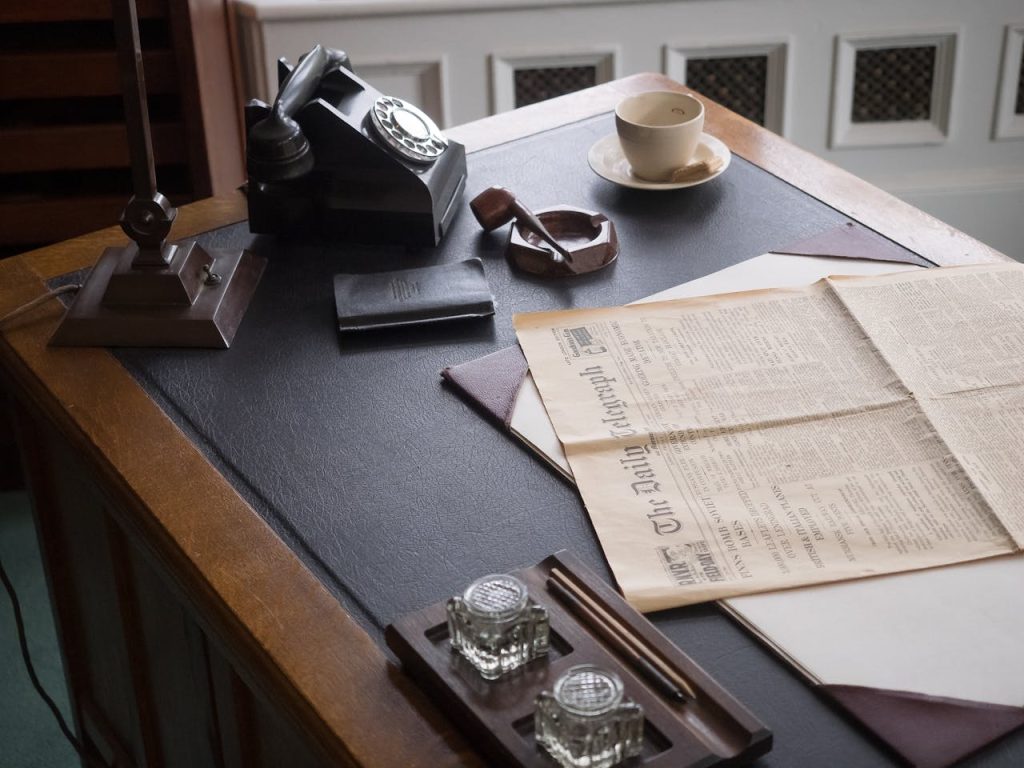
Decades ago, “out of pocket” meant you were unreachable or away from work. People would say they’d be out of pocket until a meeting ended or a trip was over. Now that phrase often refers to expenses you pay yourself. The older meaning has faded because people are rarely truly unreachable; smartphones keep you in contact even on vacation.
Because the newer meaning is about money, the old sense pops up less and can confuse people. It’s a good example of how work vocabulary can shift entirely over time. It also reminded colleagues when someone was temporarily unavailable, helping manage expectations before instant messaging made constant contact possible.