

When buyers step into a home, their first impressions form in seconds, long before they walk from room to room. What truly shapes those early reactions isn’t always the paint color or furniture; it’s the small details that hint at how the home has been cared for over time. Even though buyers rarely point these things out, they quietly evaluate cleanliness, maintenance, and condition from the moment they enter. A faint smell, a scuffed baseboard, or a flickering light can influence whether the home feels inviting or raises silent red flags. By paying attention to these subtle details, sellers can create a smoother, more appealing experience that makes buyers instantly feel more confident about the property.
1. Lingering Smells — Good or Bad

The scent of a home is one of the very first things buyers notice, and it instantly shapes their emotional reaction. Odors from pets, smoke, cooking, or dampness can make a home feel less clean, even before a buyer takes their first full look around. On the other hand, strong air fresheners or overpowering candles can make buyers suspect that something unpleasant is being masked. A fresh, neutral smell is the most inviting. Opening windows, deep cleaning fabrics, and avoiding heavy fragrances help create an environment that feels clean, natural, and comfortable, allowing buyers to focus on the space rather than the scent.
2. Scuffed or Dirty Baseboards & Doors

Baseboards and doors often go unnoticed by homeowners who see them every day, but buyers spot them immediately because they frame every room. When these areas show scratches, chips, dirt, or discoloration, buyers interpret them as signs of wear and deferred maintenance. Even if the rest of the room is spotless, scuffed trim can make a space feel older and less cared for. Giving baseboards and doors a wipe-down or a quick coat of paint instantly brightens the room’s appearance. This small effort communicates cleanliness and good upkeep, helping buyers feel more confident about the home’s overall condition.
3. Dirty Grout, Floors, or Carpets
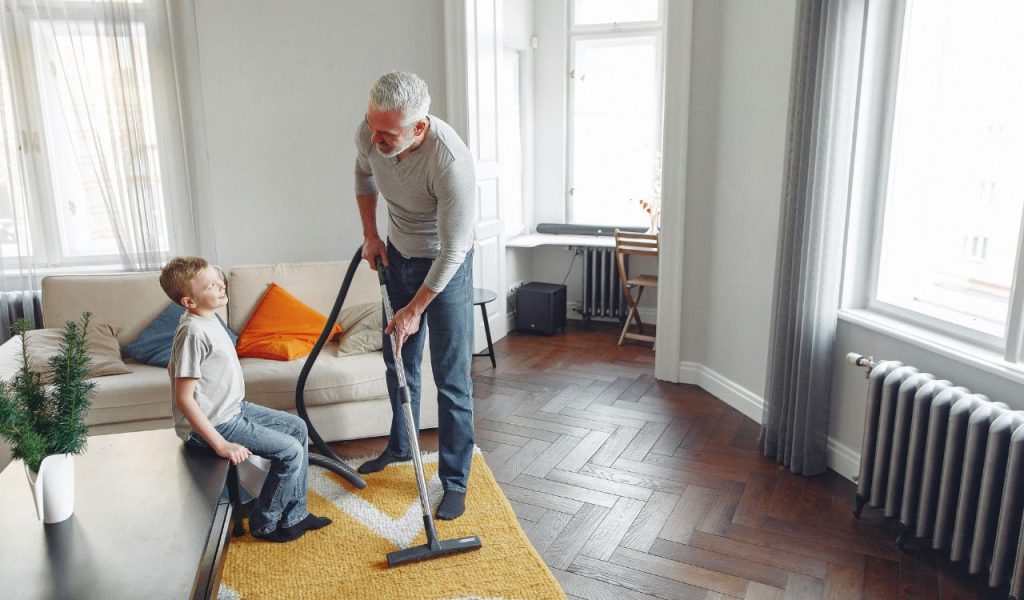
Buyers naturally look down as they walk, which makes flooring one of the most revealing features of any home. Dirty grout, worn tiles, and stained carpets can make even a well-decorated home feel neglected or outdated. Flooring tells a story of how the home has been lived in and maintained, and buyers tend to assume that if the floors aren’t clean, other hidden areas may not be either. A deep cleaning, steam treatment, or grout refresh can dramatically improve a buyer’s perception. Clean, bright floors make a home feel more inviting, better cared for, and easier to imagine moving into without extra work.
4. Sticky, Stiff, or Worn Doors & Windows

A door that sticks or a window that won’t open smoothly may seem minor, but for buyers, it’s an immediate signal that something may be off. These issues can imply shifting, poor maintenance, or unfinished repairs, and even if the cause is simple, buyers rarely assume that. Smooth, easy-to-use doors and windows create a sense of stability and reliability throughout the home. Simple fixes such as lubricating tracks, tightening screws, or adjusting hinges make a noticeable difference. When buyers see that these everyday features work effortlessly, they feel more confident that the home has been consistently and thoughtfully maintained.
5. Dripping Faucets or Visible Plumbing Issues

A dripping faucet, rust stain, or slow drain is one of the fastest ways to trigger concern in a buyer’s mind. Plumbing issues often suggest bigger problems behind walls or under floors, even if the real fix is minor. Visible wear, corrosion, or moisture signals can make buyers cautious about future repair costs. Addressing leaks, replacing outdated fixtures, or tightening fittings helps send the message that the home is well cared for and that its essential systems are functioning properly. Buyers feel reassured when they see clean, dry, efficient plumbing and are much more likely to view the home as dependable.
6. Dirty or Mismatched Light Switches & Outlet Covers

Buyers touch and see light switches and outlets throughout their walkthrough, making them small but highly noticeable details. When covers are yellowed, cracked, painted over, or mismatched, they give a room an instantly dated appearance. This creates the impression that updates have been piecemeal or rushed. Clean, uniform covers make rooms feel brighter and more cohesive. They are inexpensive to replace and take only minutes to install, but the impact on the overall feel of the home is surprisingly strong. Buyers appreciate spaces that feel clean and thoughtfully maintained, from the largest features to the smallest touches.
7. Outdated, Tarnished, or Broken Cabinet Hardware

Cabinet hardware might seem like a minor detail, but it strongly influences how modern a kitchen or bathroom appears. Old, tarnished, or loose knobs make the entire room feel outdated, even if the cabinets are in good shape. Buyers often interpret aging hardware as a sign that little else has been updated. Replacing hardware with clean, contemporary styles instantly refreshes the space and creates a more welcoming and polished impression. This small update helps buyers imagine the home as stylish, cared-for, and ready for their everyday life without requiring major renovations.
8. Overstuffed or Messy Closets

Closets are a major selling point, and buyers pay close attention when they open those doors. However, cluttered, overfilled closets make spaces appear smaller and less functional, even if they’re actually spacious. When buyers see overflowing shelves or cramped hanging space, they often assume the home lacks adequate storage. A tidy, half-full closet sends the opposite message—it creates a sense of roominess and organization. Clearing out unnecessary items and organizing what remains helps buyers envision their belongings fitting easily, making the home feel more livable and better designed for everyday needs.
9. Cracks or Bulges in Walls or Ceilings

Even small imperfections in walls or ceilings quickly catch a buyer’s attention. Cracks, uneven texture, or bulges can suggest settling, moisture damage, or past repairs that weren’t properly addressed. Even if the issue is minor or cosmetic, buyers often jump to worst-case assumptions because these flaws hint at hidden problems. Repairing cracks, smoothing surfaces, and ensuring ceilings and walls look clean and even helps reduce buyer worry. A well-finished home gives the impression of structural integrity and responsible long-term maintenance, reassuring buyers that the property is safe and sound.
10. Loose or Wobbly Banisters

A wobbly stair rail is more than an inconvenience; it sends a clear message about safety and maintenance. Buyers are quick to notice handrails, especially when going up or down stairs, and a loose banister can make them question how thoroughly the home has been cared for. Even if the fix is straightforward, the impression of neglect lingers. Tightening or reinforcing the banister instantly makes the home feel more secure and better maintained. Buyers appreciate when essential features like railings feel sturdy, reliable, and thoughtfully cared for throughout the home.
11. Poor or Flickering Lighting

Lighting has a powerful effect on how buyers experience a home. Dim rooms, dark corners, or flickering bulbs can make spaces feel smaller, outdated, or unwelcoming. Mismatched lighting temperatures, like mixing warm and cool bulbs, also create visual inconsistency that buyers notice immediately. Bright, even lighting helps showcase the home’s best features and creates a warm, inviting atmosphere. Something as simple as replacing bulbs, opening blinds, or choosing consistent lighting can dramatically improve the home’s appeal and encourage buyers to see it in its best possible light.
12. Evidence of Pets

Not all buyers are pet owners, and visible signs of pets like bowls, toys, cages, or hair can make them worry about odors, stains, or hidden damage. Even if the home is clean, these reminders may distract buyers or prevent them from fully imagining the space as their own. Keeping pet areas minimal, clean, and tucked away helps create a more neutral environment. When buyers walk through a fresh-smelling, well-kept home with few visible pet items, they can focus on the property itself rather than who lives there, making the home feel more appealing to a broader audience.