

The cost of living calculator does not include these. But they will find you.
Moving to or living in a major American city comes with a set of costs that standard cost-of-living comparisons routinely underestimate or ignore entirely. These are the expenses that residents discover gradually, often after they have already committed to a city, and that significantly affect the real cost of urban life. Here is what the brochure leaves out.
The Car Situation Is Expensive Either Way.
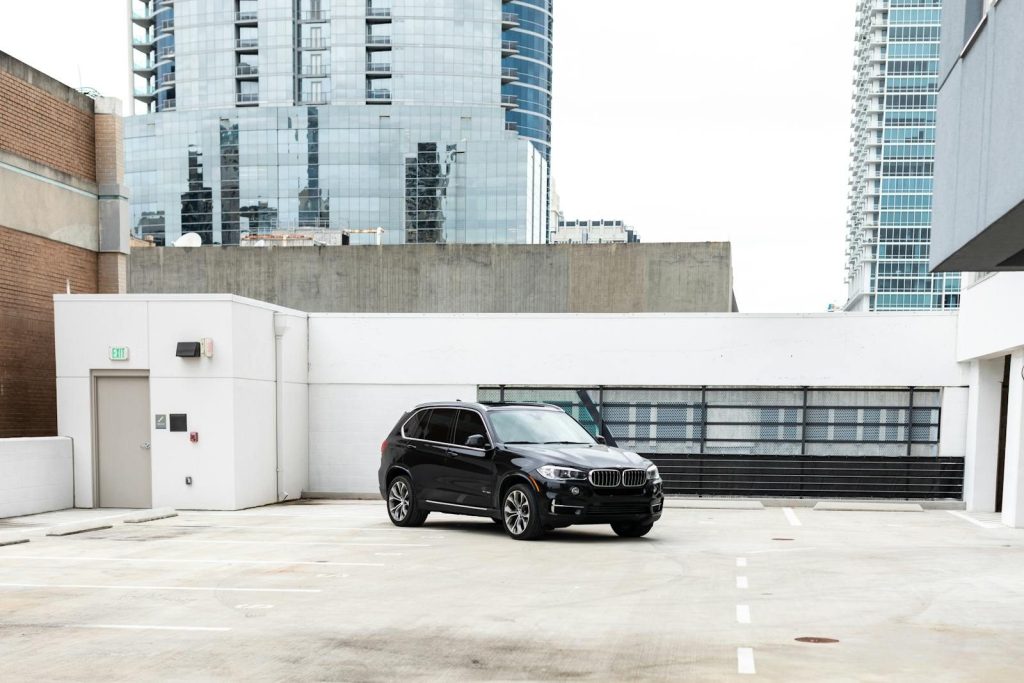
In car-dependent cities like Los Angeles and Houston, owning and operating a vehicle — insurance, parking, gas, maintenance — costs $800 to $1,500 per month when everything is calculated honestly. In transit-dependent cities like New York and San Francisco, not owning a car means paying for transit, taxis, ride-sharing, and the occasional car rental at a monthly cost that surprises people who thought they were saving money by going car-free.
The Grocery Premium Is Real.

Groceries in major coastal cities cost 20 to 40 percent more than the national average. In New York City, San Francisco, and Boston, a grocery run that costs $150 in a mid-size Midwestern city regularly costs $200 to $220. Eating out, which residents do more often because urban kitchens are small, adds to the food cost premium substantially.
Laundry Is a Monthly Expense.

In cities where apartment buildings do not have in-unit washers and dryers — which describes most urban apartments — laundry is either an ongoing cash expense at a laundromat or a pickup service that costs $80 to $150 per month. This is an expense that people moving from homes with laundry facilities genuinely do not anticipate.
Storage Is Surprisingly Expensive.
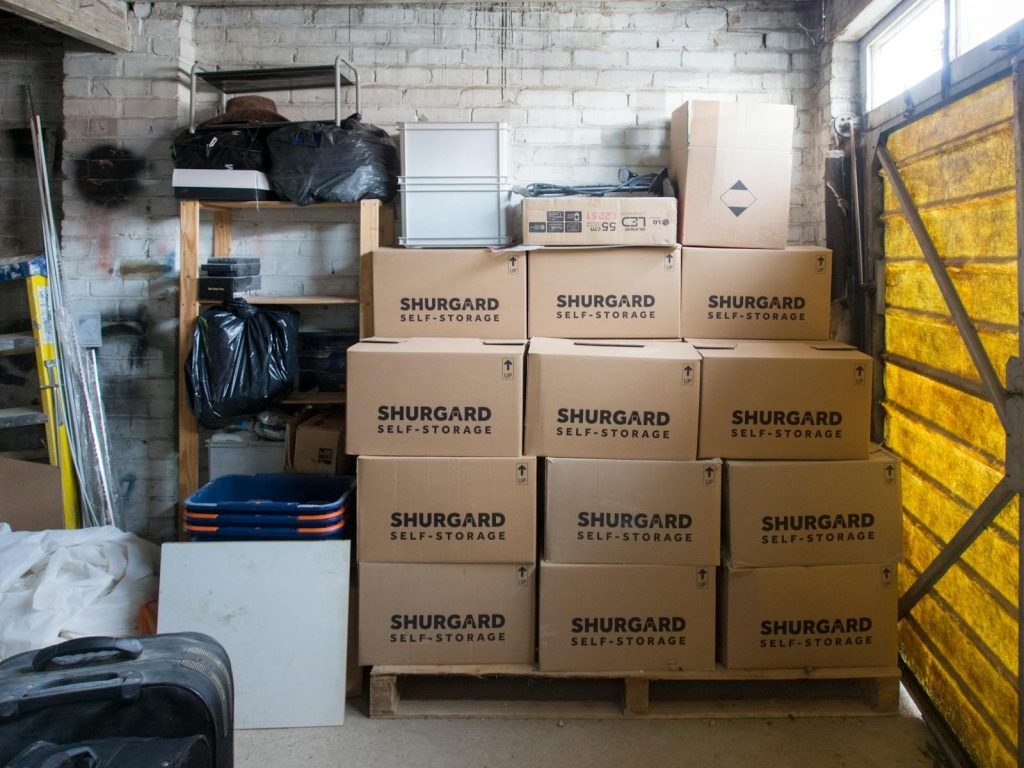
Urban apartments are small. The things that do not fit in small apartments go into storage units. A 5×10 storage unit in a major urban market costs $150 to $300 per month. Many urban residents pay for storage they forget they have because the cost disappears into the monthly budget without obvious accounting.
The Social Tax Is Real.

Living in a major city where there are always events, restaurants, and experiences means that the social pressure to participate is constant. Concert tickets, dinner reservations, weekend trips, birthday celebrations, and the general social infrastructure of urban life add a cost category that simply does not exist at the same level in smaller cities and towns. Budgeting for urban social life requires a specific line item.
Pet Ownership Is Dramatically More Expensive.

Dogs in cities require dog walkers ($20 to $30 per walk), doggy daycare ($40 to $80 per day), premium urban pet stores, and in many buildings a pet deposit and monthly pet fee. A dog that costs $100 per month in suburban home ownership can cost $600 to $1,200 per month in a major city.
The Commute Has a Real Dollar Value.

Even in cities with good public transit, commuting costs in time and money add up significantly. A 45-minute commute each way represents 7.5 hours per week — nearly an entire workday — that is not compensated. The psychological and physical cost of long commutes has been extensively studied. It is not just a time cost. It is a health and wellbeing cost.
Apartment Hunting Has Its Own Cost.

In major rental markets, moving costs — deposits, broker fees (which in many cities are paid by the renter), moving truck, and overlap in rent payments — can amount to $5,000 to $15,000 at each move. In cities where leases do not renew at the same rate and landlords raise rents aggressively, this moving cost is incurred more frequently than in more stable markets.
Healthcare Out-of-Pocket Costs Scale With Local Prices.

Healthcare costs in major cities are higher than in smaller markets for both insurance premiums and out-of-pocket expenses. A doctor’s visit copay in a major city hospital system is typically higher than in a regional health system. Dental and vision care in major cities are priced for the urban market.
The Opportunity Cost of Small Apartments.
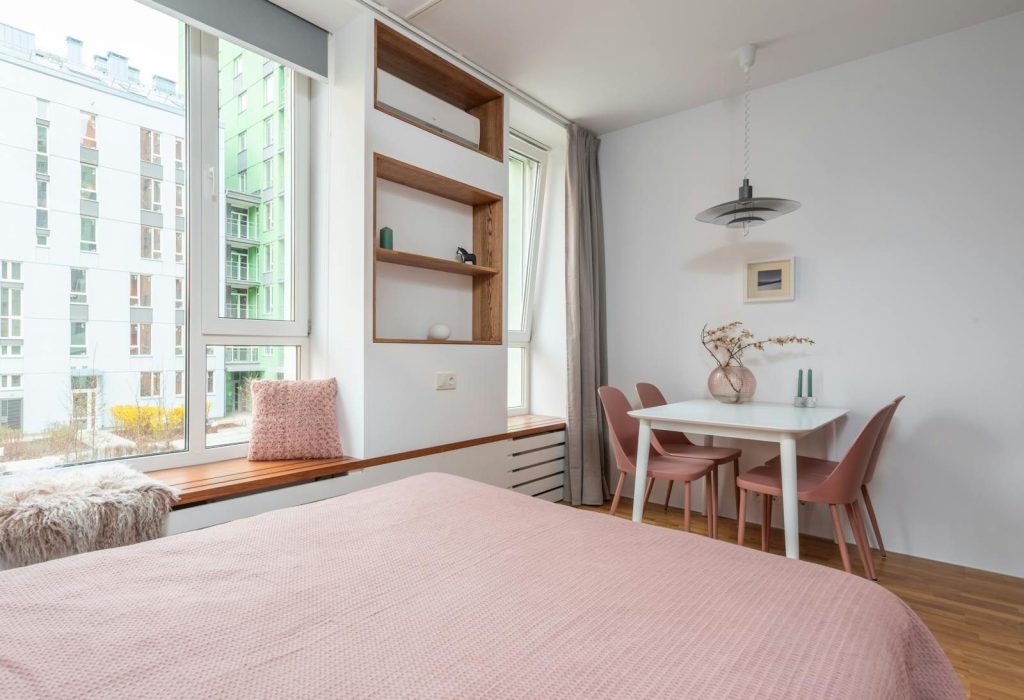
Urban apartments are small. This means furniture is smaller, entertaining is harder, hobbies that require space are impossible, and the psychological experience of being in a small space accumulates over time in ways that do not appear in a budget but significantly affect quality of life. People who move from larger spaces frequently underestimate this cost until they have lived with it for a year.
Budget for all of it. Then add twenty percent. You will need it.