
If you grew up in the ’60s or ’70s, you probably don’t think twice about the routine errands that filled your week. You walked or rode your bike to the corner store to buy candy, stamps, or a loaf of bread. You made special trips to the dairy to return glass milk bottles and pick up fresh eggs.
Paying bills meant a visit to the bank or post office, not a tap on a screen. You waited for the phone booth to be free if you needed to call someone.
These tasks weren’t chores so much as part of your rhythm, woven into the way you moved through your neighborhood and connected to the people who worked there.
1. Trips to the Corner Store
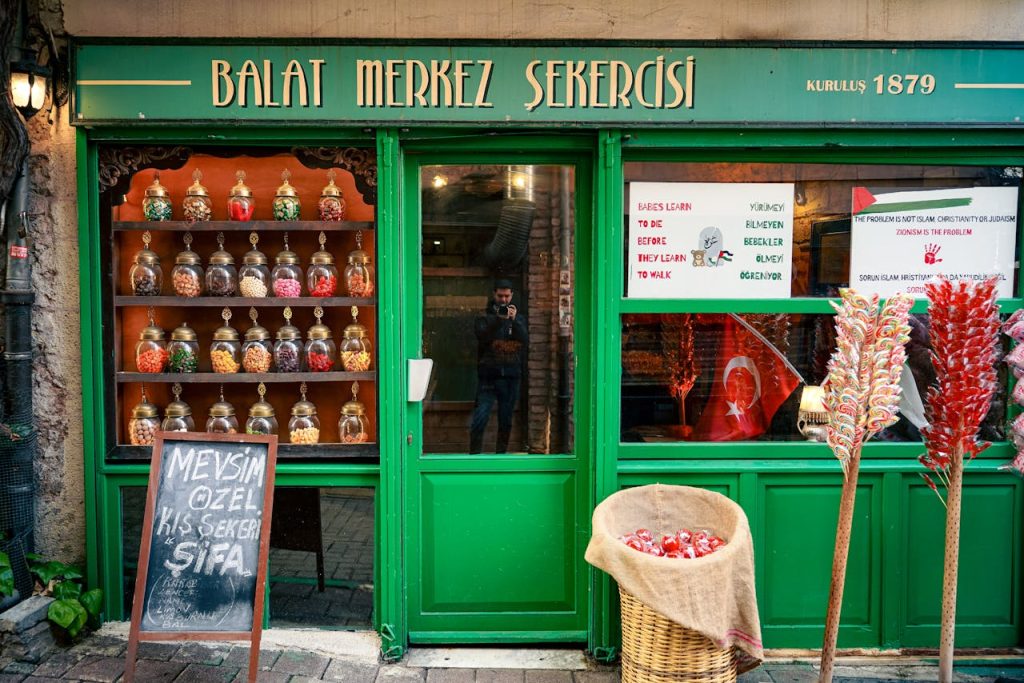
You walked or biked to the corner store almost every day. Coins jingled in your pocket as you selected candy, bread, or stamps. The owner knew you by name, and maybe you had a small tab for treats.
Running that short errand wasn’t just about buying something. It was a chance to see neighbors, notice details of your street, and soak in the smells, sounds, and rhythms of the neighborhood. Those small trips were woven into the heartbeat of your day.
You might have lingered a moment to chat with a neighbor or watch a neighbor’s dog chase its tail. Each visit left little memories, small snapshots of everyday life that stick with you decades later.
2. Paying Bills in Person
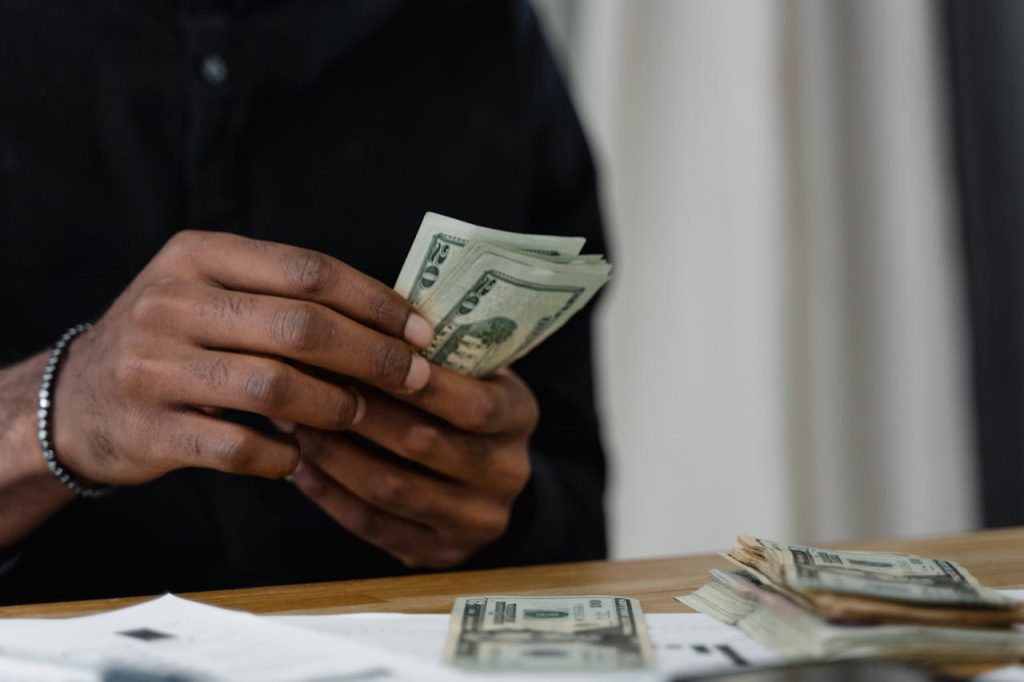
Paying bills meant gathering envelopes and walking to the bank or post office. You filled out slips, stood in line, and watched the clock as you waited. Clerks often asked about family, making the trip feel personal.
Those visits connected you to the adult world. Dropping off a check made you feel responsible and part of a rhythm beyond your home. You saw familiar faces, made small talk, and understood the value of handling money in the real world.
You learned patience as you waited your turn, watching the world go by outside the windows. Each trip became a small lesson in responsibility and staying aware of the life happening around you.
3. Returning and Picking Up Milk
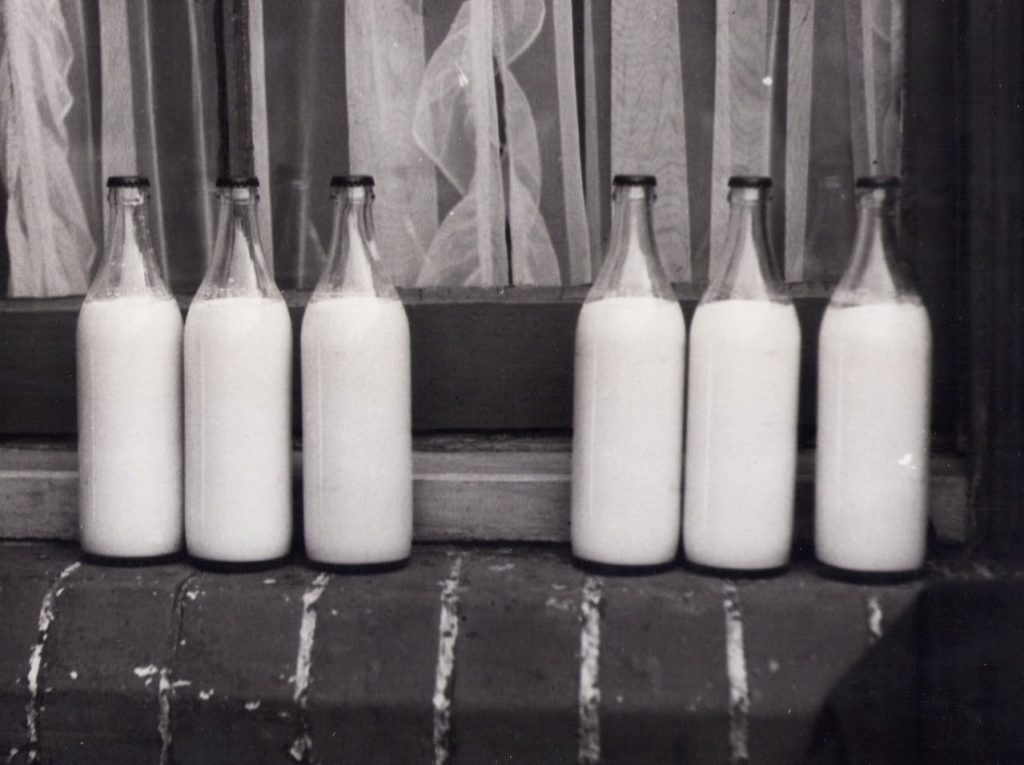
Milk came in heavy glass bottles, not cartons. You carefully carried empties back to the dairy and picked up fresh ones, juggling eggs or other items along the way.
The milkman’s whistle or the dairy’s screen door was part of your week’s soundtrack. Returning bottles and picking up new ones gave you a sense of purpose, connecting you to the simple rhythm of daily life and the source of what you drank every morning.
Sometimes you timed your trip to catch the milkman making his rounds, waving as he delivered bottles to neighbors. You learned to balance the weight of the glass without spilling, building small skills in coordination and care.
4. Renting Movies and Records
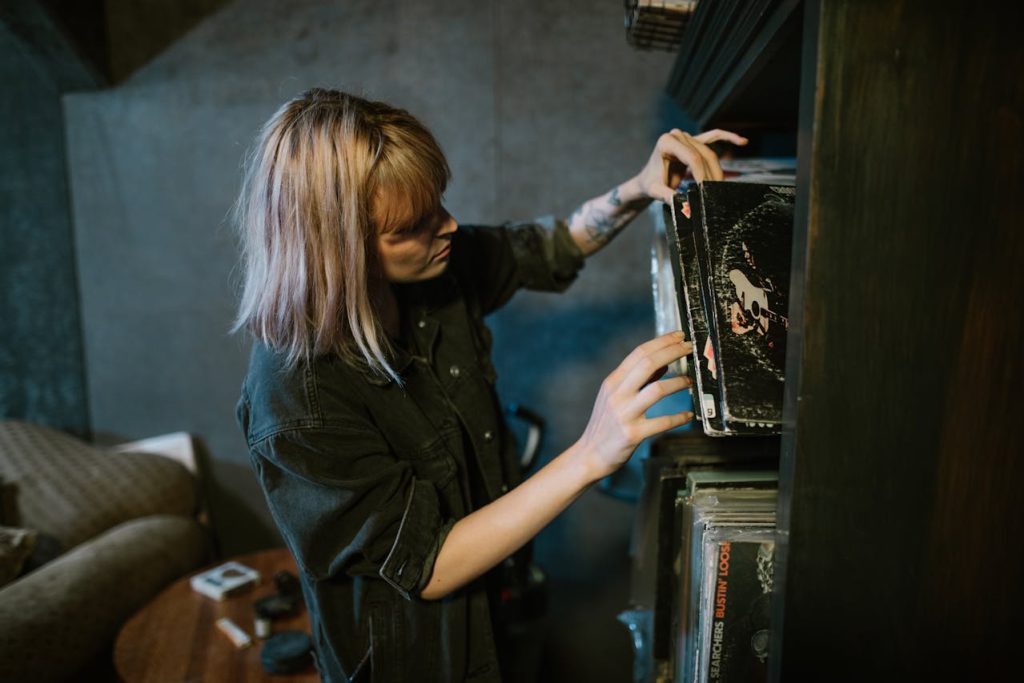
Renting movies or records was a weekend ritual. You browsed aisles, read titles, and debated choices with friends before making your pick.
The anticipation didn’t end at checkout. You carried your selection home on your bike or walked, imagining when you’d watch or listen. These small errands built excitement, social connection, and a sense of personal investment in what you brought home.
You might have returned a few times before deciding, comparing covers, or reading the back descriptions carefully. Sometimes you lingered to watch others browse, discovering new favorites you hadn’t considered.
5. Phone Booth Calls
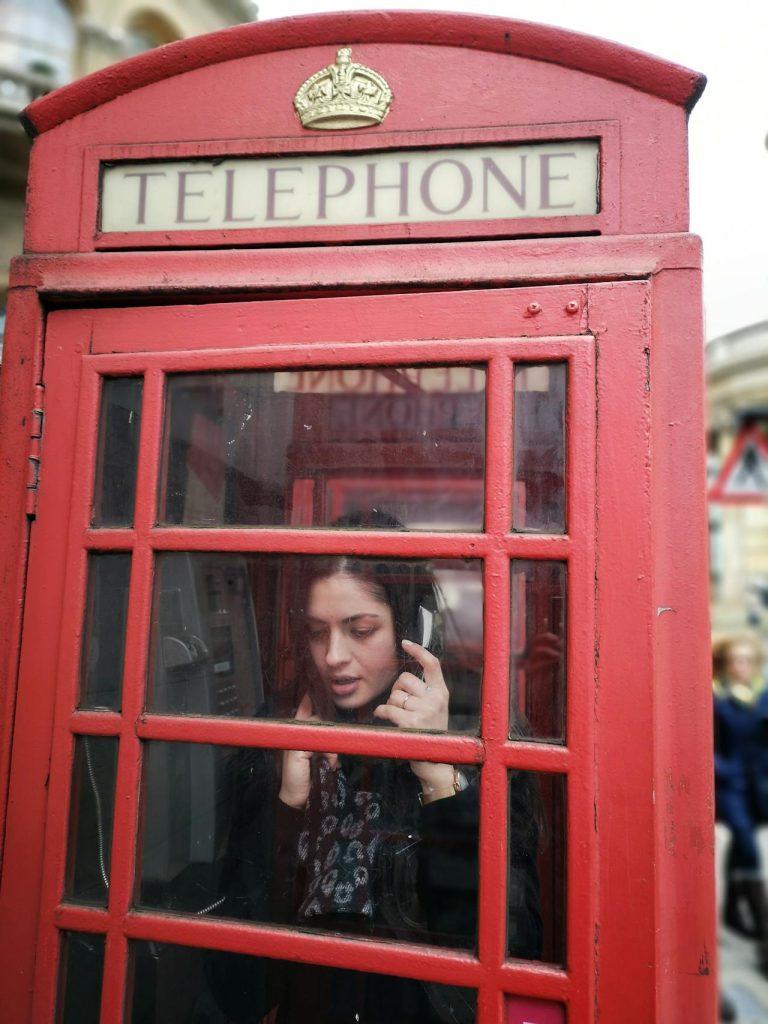
Making a call outside the house meant finding a free phone booth. You carried coins, listened for a dial tone, and carefully dialed each number. Strangers might line up behind you, chatting or watching as you call.
Memorizing numbers and planning conversations made each call intentional. The ritual of standing there, twisting the rotary dial, and hearing voices on the other end gave every conversation a sense of presence and purpose that modern instant calls rarely have.
Sometimes you waited your turn for a booth, noticing who else was around. You learned to speak clearly and concisely, knowing coins and time were limited.
6. Sending Letters by Mail
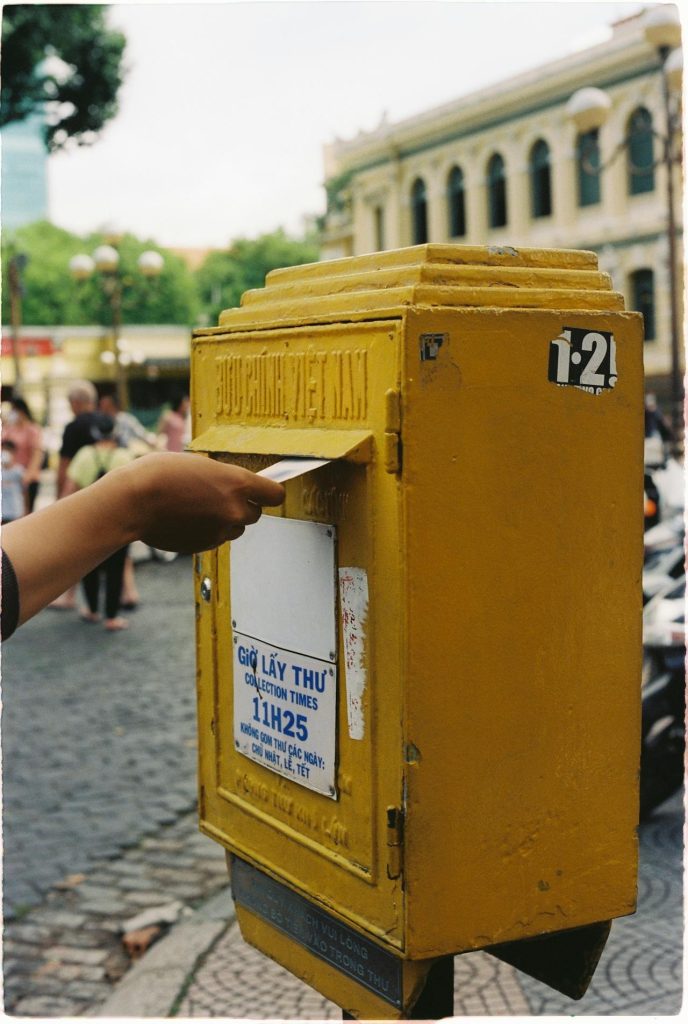
Sending a letter required choosing the right stamp, folding paper carefully, and walking to the post office. You heard the satisfying clunk as it dropped in and imagined it traveling far.
Birthday wishes, thank you notes, and postcards were tangible, personal acts. Writing by hand tied you to friends and family in a deliberate way, creating small moments of connection before email and text replaced envelopes.
You often paused on the way, thinking about what the recipient would feel reading your words. Sometimes you decorated the envelope, making each letter unique. Those walks to the post box became quiet moments of meaningful tasks.
7. Pumping Your Own Gas

You learned to pump gas young, lifting the heavy nozzle and listening as numbers spun. Sometimes you wipe the windshield or chat with the attendant inside.
The scent of gasoline, the routine of standing by your car, and brief exchanges with attendants made this chore a small but memorable part of daily life. It wasn’t just about fuel; it was about connection, responsibility, and participating in the rhythm of errands.
You figured out how to judge when the tank was full without overfilling, gaining a small sense of mastery. Sometimes you lingered a moment to watch other cars or notice the passing day.
8. Trips to the Corner Store
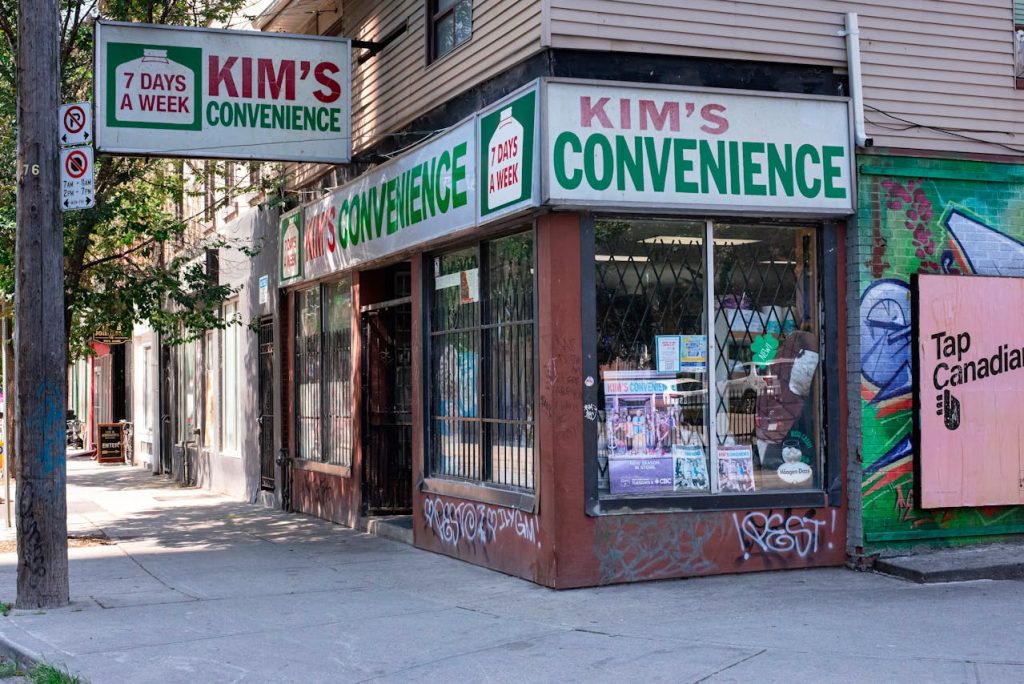
You walked or biked to the corner store almost every day, coins jingling in your pocket as you picked up candy or stamps. The owner knew you by name, and maybe you had a small tab for treats. Those short trips weren’t just about purchases; they were tiny rituals that let you see neighbors, notice the sights and sounds of your street, and soak in the rhythm of your neighborhood.
Sometimes you lingered a moment to chat with a neighbor. Each visit left little memories, snapshots of everyday life that stay with you decades later. Running errands this way made you feel connected, aware, and part of the pulse of your community.