Ancient communities in Hungary deliberately concealed at least six separate metal hoards around a mysterious hilltop settlement as far back as the 15th century B.C., according to a new study that combined laser technology with hands-on fieldwork.
Within a single year of research, scientists using metal detectors pulled more than 300 artifacts from both the Late Bronze Age (1450–800 B.C.) and the Early Iron Age (800–450 B.C.). Among the recovered items were jewelry pieces, military decorations, and weapons that had lain undisturbed for millennia.
The earliest discoveries trace back to somewhere between 1400 and 1300 B.C., though most of the collection clusters around the 1080–900 B.C. window. Published on March 27 in the journal Antiquity, the study also documents amber beads, textile and leather fragments, and tusks from both boar and domestic pig — painting a vivid picture of life in ancient Central Europe.
The dig site sits at Somló, a dramatic volcanic hill rising sharply above the otherwise flat terrain of western Hungary. The area is celebrated today for its wine, but its archaeological importance first surfaced in the late 19th century when local farmers started turning up ancient relics while working their land. Those early finds — bronze vessels, weapons, and ornamental pieces — pointed to a thriving human presence stretching from the 13th through the sixth centuries B.C. Unfortunately, nobody documented exactly where those original discoveries were made, and the identity of western Hungary’s ancient inhabitants remains unknown, according to lead author Bence Soós, an archaeologist-museologist at the Hungarian National Museum.
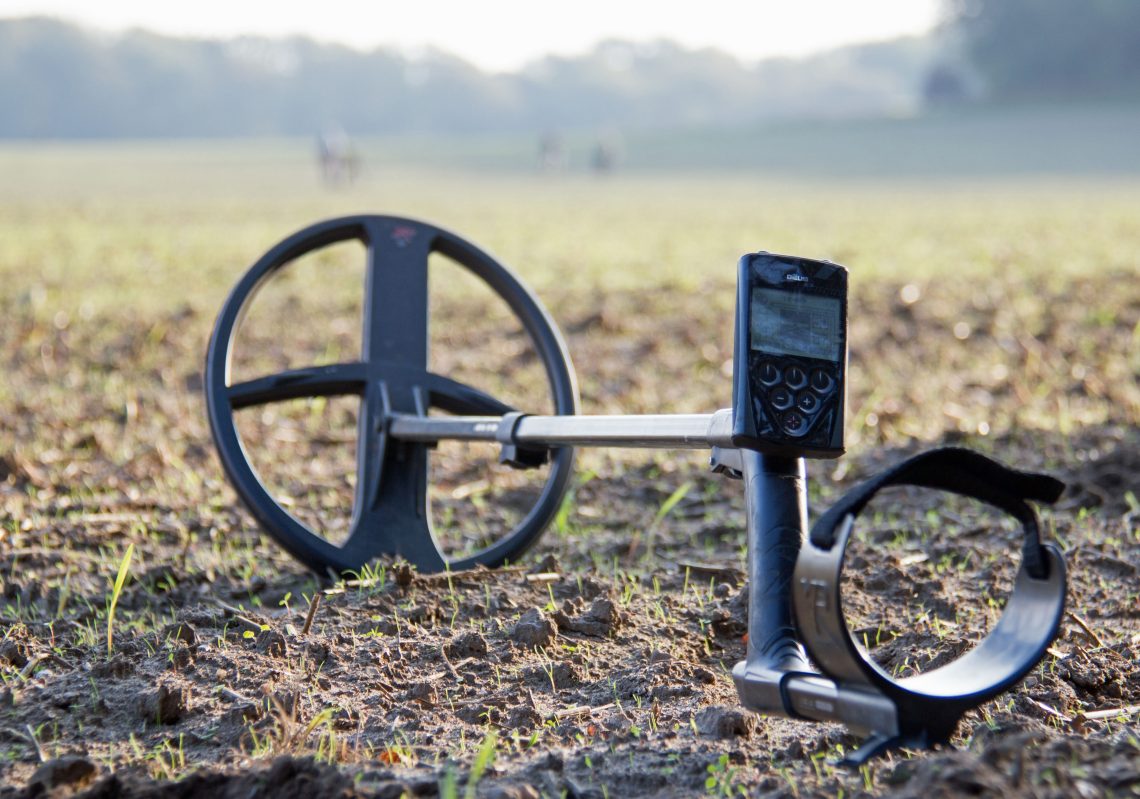
Earlier excavations around Somló had already produced Early Iron Age burial goods from large ceremonial mounds, leading some researchers to theorize that striking landmarks like this hill functioned as power bases for a warrior elite. That hypothesis pushed Soós and his team — supported by dedicated volunteers — to launch a thorough new investigation. Their methods included systematic metal-detector sweeps, walking surveys across open fields, and lidar scanning, where laser pulses fired from aircraft precisely map the ground’s hidden contours beneath vegetation.
“Thanks to the efforts of our volunteers, our investigations documented the first metal hoards on Somló,” Soós said. “In the first year of research, six Late Bronze Age and Early Iron Age metal assemblages were discovered.”
By April 2025, the total metal find count had surpassed 900 objects, the majority clustered on a plateau along the hill’s southeastern face. A significant portion of those objects relate to bronze working, strongly implying that metal production happened right there on the hill itself.
What makes these finds especially compelling is the window they open onto a poorly understood period — the shift from the Late Bronze Age into the Early Iron Age during the late ninth century B.C. One assemblage, designated Hoard V, stands out in particular. It represents the earliest known evidence of local metal deposition customs during this transitional era and features metal objects deliberately stored inside a ceramic vessel — a combination never previously recorded in western Hungary from the close of the Late Bronze Age.
Taken together, the Somló discoveries reinforce a growing picture of tribal or clan-based societies led by warrior elites occupying this region between the 13th and sixth centuries B.C. Somló Hill itself may have served as both a seat of authority and the focal point of a broader community whose traditions centered on the ritualistic burial of metal wealth.
Although the team has yet to confirm the physical remains of a bronze-working workshop, they did uncover structural evidence of a building on the site. Future investigations, the researchers wrote, aim to piece together a clearer timeline of how long Somló was inhabited and what drove its people to keep burying their most valuable possessions in the ground.