

Strong relationships rarely look dramatic from the outside. They grow through quiet habits, daily choices, and the way two people treat each other when life becomes complicated. Real understanding does not mean you always agree. It means you recognize each other’s perspectives and care enough to respond thoughtfully. Respect works the same way. It shows up in how you listen, how you handle conflict, and how you support each other’s independence.
Trust, communication, emotional safety, and mutual support form the foundation. When these elements are present, the relationship feels stable rather than fragile. Here are eight clear signs that what you have together is built on genuine understanding and lasting respect.
1. You Feel Safe Sharing Your Thoughts

In a healthy relationship, you do not feel the need to edit every thought before speaking. You can share opinions, concerns, or even unpopular feelings without worrying that your partner will dismiss or mock you. Emotional safety allows honest conversations to happen naturally.
This kind of openness builds trust over time. Studies from the Gottman Institute show that couples who respond to each other’s emotional bids with interest and empathy tend to maintain stronger connections. When your partner listens carefully and takes your perspective seriously, it signals that your voice matters. That sense of security becomes the foundation for a deeper understanding.
2. Disagreements Stay Respectful
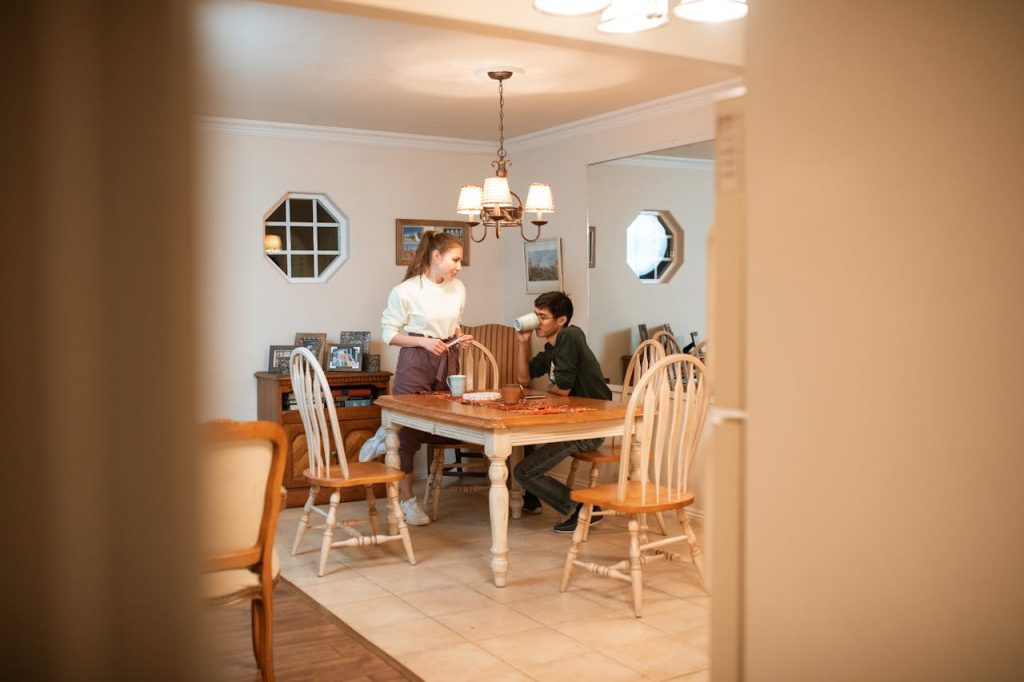
Every couple argues. The difference in strong relationships is how those disagreements unfold. Instead of turning conflicts into personal attacks, you both focus on solving the problem at hand.
Respectful conflict means avoiding insults, blame, and harsh language. You might disagree strongly, but you still treat each other with dignity. According to relationship research published by the American Psychological Association, couples who maintain calm communication during disagreements are far more likely to resolve issues constructively. The goal is not to “win” the argument. The goal is to understand each other and move forward together.
3. You Support Each Other’s Independence

Real partnership does not erase individuality. Healthy relationships allow both people to maintain personal interests, friendships, and goals outside the relationship. You remain connected while still having space to grow as individuals.
When you respect your partner’s independence, you show trust in their choices and confidence in the relationship itself. Relationship psychologists often note that personal autonomy supports long-term satisfaction because it reduces resentment and emotional burnout. You encourage each other’s ambitions, hobbies, and friendships instead of feeling threatened by them. That freedom allows both of you to return to the relationship with more energy, perspective, and appreciation for what you share together.
4. Listening Matters as Much as Speaking

Understanding grows when both people feel heard. In relationships built on respect, listening is not just waiting for your turn to talk. You focus on what your partner is saying and try to understand the feeling behind the words.
Active listening means paying attention, asking thoughtful questions, and acknowledging emotions instead of brushing them aside. Communication research from relationship studies at Harvard University shows that people feel closer to partners who reflect back what they hear and respond with empathy. When your partner listens carefully and remembers what matters to you, it sends a clear message that your experiences are important. That kind of attention builds trust and strengthens the emotional connection over time.
5. You Apologize and Take Responsibility

Mistakes happen in every relationship. What matters is how you respond afterward. In strong partnerships, both people are willing to admit when they are wrong and offer sincere apologies.
Taking responsibility shows maturity and respect for the other person’s feelings. Instead of shifting blame, you acknowledge the impact of your actions and try to repair the situation. Relationship experts widely agree that repair attempts, such as apologies or calm discussions after conflict, are a key predictor of long-term stability. Owning your mistakes shows that the relationship matters more than your ego.
6. Small Acts of Kindness Are Consistent

Grand romantic gestures can be exciting, but everyday kindness shapes the real experience of a relationship. Small actions like checking in after a stressful day, remembering details that matter to your partner, or offering help without being asked quietly show that you care.
Research in relationship psychology suggests that frequent positive interactions build emotional reserves within a partnership. These small moments add up, creating a pattern of warmth and reliability that both people can depend on. Over time, kindness becomes a habit rather than an occasional effort. When that happens, the relationship feels steady and supportive because you both know the other person is paying attention and showing up in meaningful ways.
7. You Celebrate Each Other’s Success

A relationship built on understanding allows both people to shine. When something good happens in your partner’s life, you feel proud rather than competitive. Their achievements feel meaningful to you because you see them as part of the life you are building together.
Psychologists call this “active constructive responding.” Instead of reacting with indifference or jealousy, you respond with enthusiasm and curiosity. Studies published in the Journal of Personality and Social Psychology show that couples who celebrate each other’s achievements report higher relationship satisfaction. Asking questions, sharing excitement, and recognizing your partner’s effort strengthen emotional connection. It shows that their growth matters to you, and that success is something you both value and support.
8. Trust Feels Natural, Not Forced

Trust is often discussed as a rule or expectation, but in strong relationships, it feels natural. You do not constantly question your partner’s intentions because their actions consistently match their words.
Trust grows through reliability and honesty. Over time, repeated positive experiences build confidence that your partner will respect your feelings and commitments. According to long-term relationship research from the Gottman Institute, trust develops when partners repeatedly choose actions that prioritize the relationship’s well-being. When trust becomes the default, both people can relax and focus on building a future together.