


Life thirty years ago moved at a noticeably different pace compared to today. Daily routines were shaped by limited technology, slower communication, and a stronger reliance on physical presence. Many simple activities that now take only a few seconds once required planning, patience, and sometimes a bit of luck. People organized their schedules around television broadcasts, store hours, and landline phone calls. Information was harder to access, and many tasks required traveling to specific places rather than completing them from home.
1. Communication

Thirty years ago, communication required much more effort and patience than it does today. Most homes relied on landline telephones, which meant people could only make or receive calls when they were physically at home. If someone wanted to talk to a friend or family member, they had to dial their number and hope the person was available. If the line was busy or no one answered, there was nothing to do except try again later. Long-distance calls were often expensive, so conversations were sometimes kept short to avoid large phone bills. Letters were also a common way of staying in touch, especially with relatives who lived far away.
2. Navigation
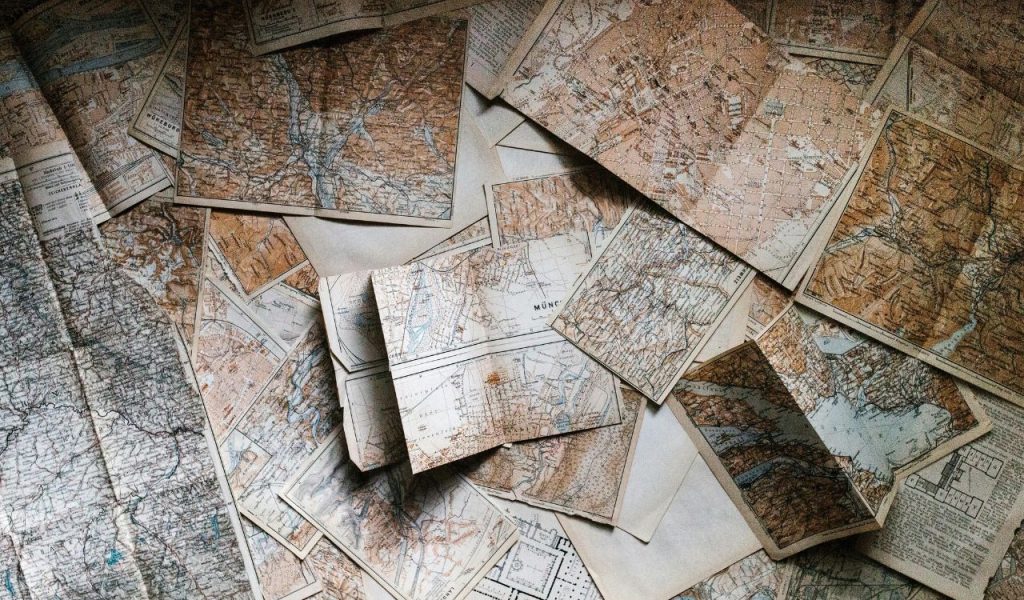
Finding directions thirty years ago was often a small adventure that required preparation and attention. Before leaving for a trip, people usually studied printed maps or asked someone for directions. Travelers frequently wrote instructions on paper, listing landmarks, street names, or highway numbers they needed to follow. If a wrong turn was taken, it could take a long time to realize the mistake and even longer to correct it. Asking strangers for help was common when someone became lost, especially in unfamiliar cities. Gas stations and small shops often served as places where travelers stopped to ask for guidance.
3. Movie Nights
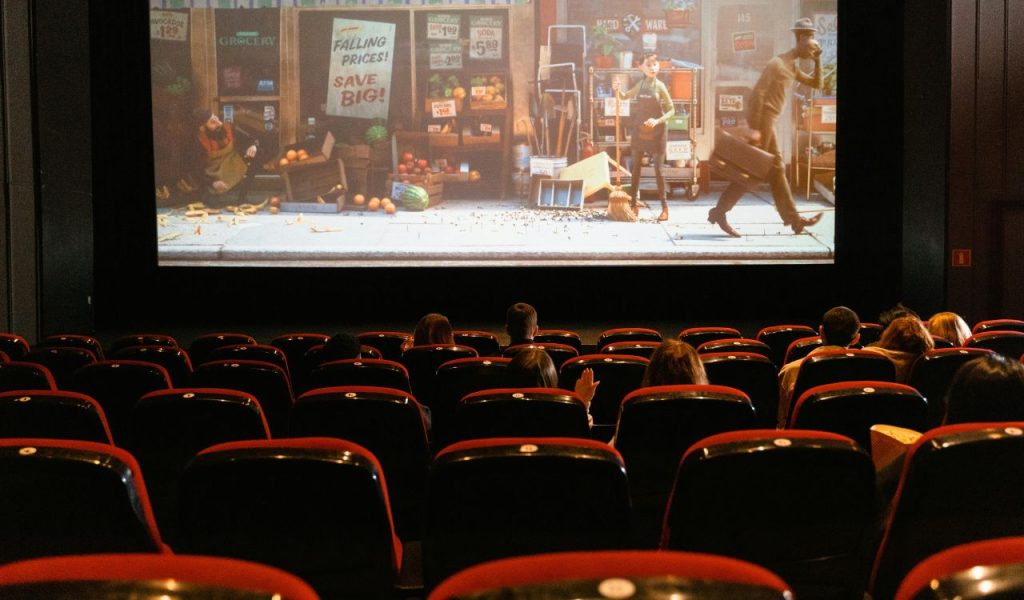
Watching movies at home thirty years ago was a very different experience from what people enjoy today. Entertainment options were limited compared to modern streaming libraries. Many families visited video rental stores to choose a movie on VHS tape for the evening. These stores were often busy on weekends, and sometimes the most popular films were already rented out, forcing customers to select something else. After bringing the tape home, viewers had to insert it into a VCR and rewind it if the previous renter had not done so. Television broadcasts also played a major role in entertainment, and viewers had to plan their schedules around specific broadcast times if they wanted to watch a particular film.
4. Photography
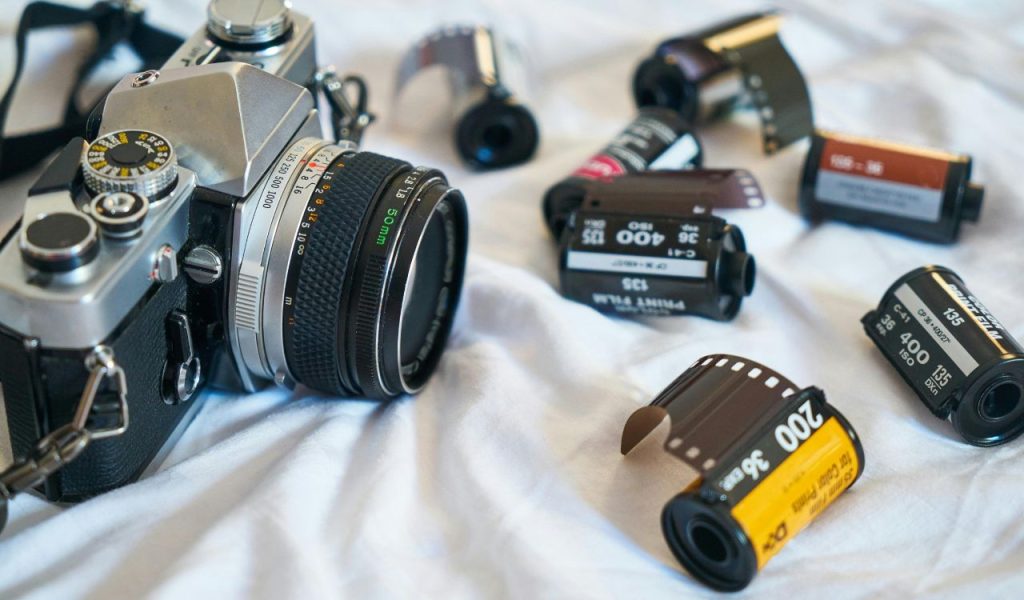
Photography thirty years ago required patience and careful decision-making because every photo mattered. Most cameras used film rolls that allowed only a limited number of pictures, usually twenty-four or thirty-six exposures. Because of this restriction, people thought carefully before pressing the shutter button. Taking too many unnecessary photos meant running out of film before an important moment occurred. After finishing a roll, the film had to be taken to a photo lab or store to be developed. This process could take several days, and there was always a sense of anticipation while waiting to see the results.
5. Shopping

Shopping thirty years ago usually involved visiting multiple physical stores to compare products and prices. If someone needed a specific item, they often had to travel to several locations before finding exactly what they wanted. Store hours were limited when purchases could be made, and popular products sometimes sold out quickly. Catalog shopping existed, but it required placing orders by phone or mail and waiting weeks for delivery. For many people, shopping trips were planned activities that took a significant portion of the day. Today, online shopping has transformed the entire experience.
6. Information

Accessing information thirty years ago often required considerable effort and time. When people needed answers for school assignments or personal curiosity, they frequently visited libraries to search through books, encyclopedias, and newspapers. Research meant carefully reading printed material and sometimes copying notes by hand. Librarians were valuable guides who helped visitors locate the resources they needed among countless shelves of books. Finding specific information could take hours, and sometimes the desired material was not available at all. Television documentaries and educational programs also served as important sources of knowledge.
7. Music Access
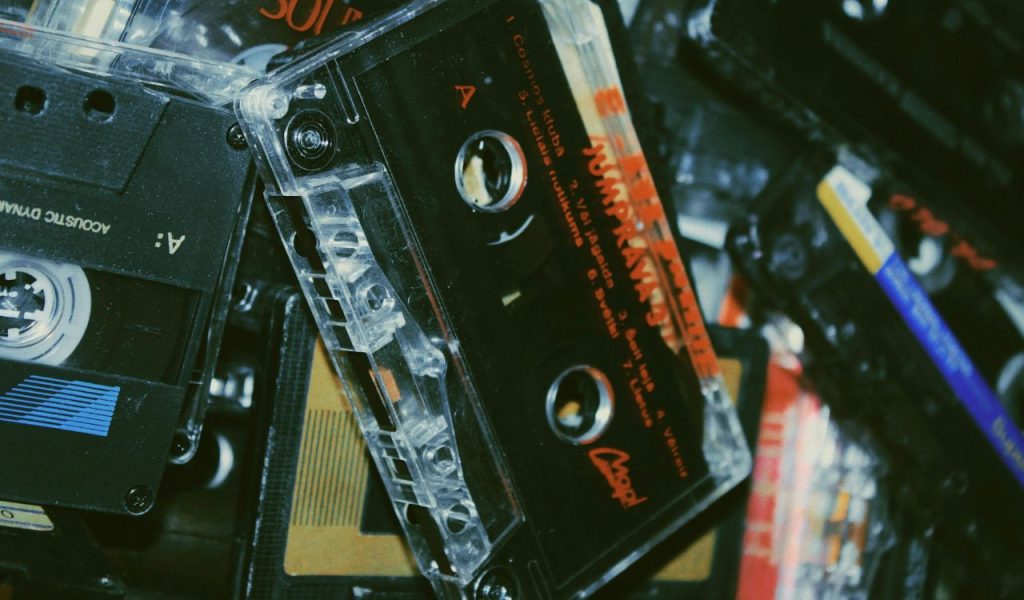
Listening to music thirty years ago required owning physical media or waiting for songs to play on the radio. Many people collected cassette tapes or compact discs, and building a music collection often took years. If someone wanted to hear a particular song, they usually needed to purchase the entire album containing that track. Radio stations played an important role in introducing listeners to new music, but audiences had little control over what songs were played and when. Recording songs from the radio onto blank tapes was a common activity, though it required careful timing.
8. Social Connections
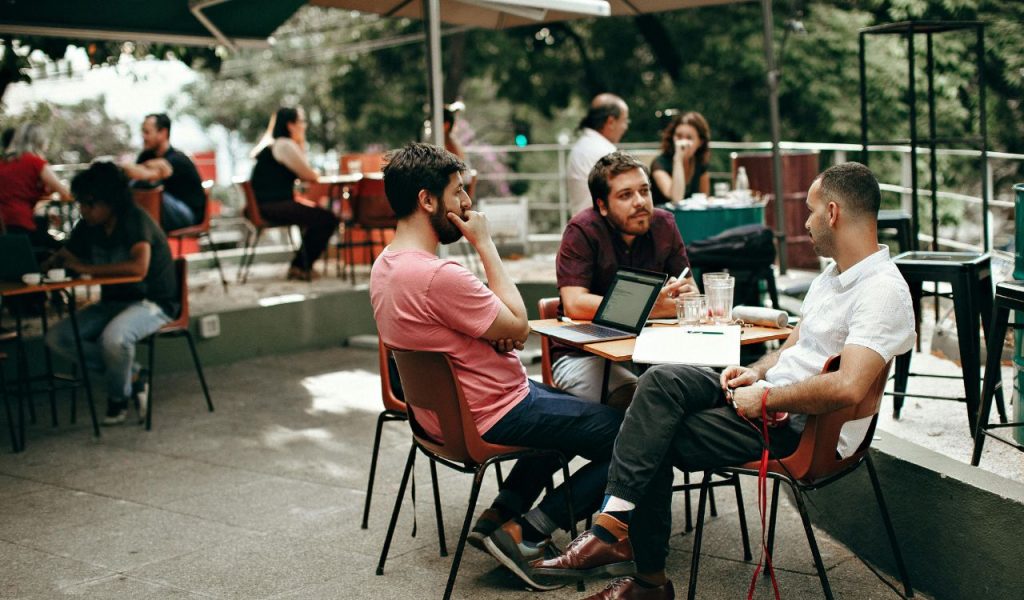
Meeting new people thirty years ago typically happened through physical environments such as schools, workplaces, neighborhoods, or community gatherings. Friendships and relationships are developed through repeated in-person interactions and shared activities. Social circles were often limited to people who lived nearby or participated in the same events. Making new connections sometimes required attending social gatherings or being introduced by mutual friends. Today, digital platforms have dramatically expanded the ways people meet and interact with others.