
You want your kids to grow up confident, resilient, and ready to face life’s challenges. The choices you make today set the stage for how they handle tomorrow. Simple actions, repeated consistently, leave a lasting impact. Listening, guiding, and modeling healthy behaviors are the quiet investments that pay the biggest dividends in the future. What feels small today can build character, skills, and emotional strength that last far beyond their childhood.
You don’t need grand gestures or perfect routines. Experts in child development emphasize that predictable schedules, emotional support, and encouragement give children a sense of security and competence. By creating moments of connection and teaching practical life skills, you’re giving your kids tools they’ll use every day of their adult life. These habits are the real foundation of lasting success.
1. Encourage Curiosity and Questions

When you foster curiosity, your kids learn to approach the world thoughtfully. Answer questions patiently, explore topics together, and let them investigate safely. This nurtures critical thinking and a love for learning that stays with them into adulthood.
It’s not about having all the answers. The value lies in showing your children that exploration is welcomed and mistakes are opportunities. Studies in cognitive development suggest that children encouraged to ask questions develop stronger problem-solving skills, creativity, and persistence over time. It also teaches them confidence, showing that their ideas and observations truly matter.
2. Read Together Daily

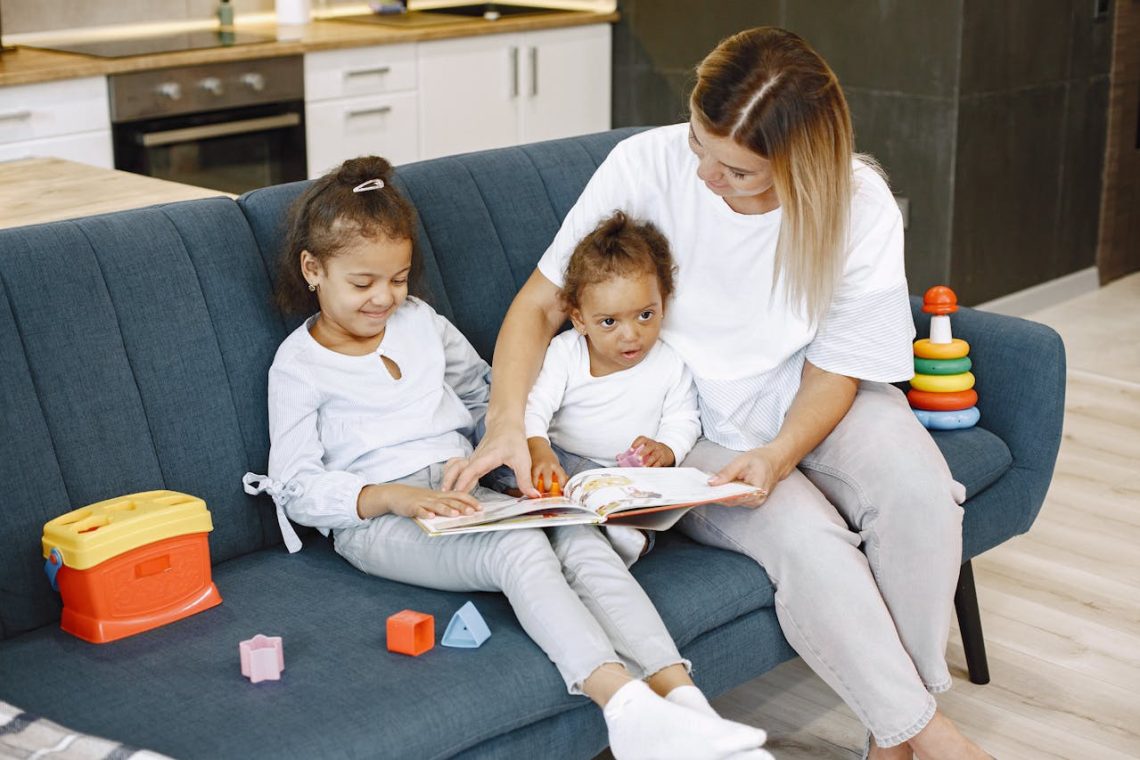
Reading together builds vocabulary, comprehension, and empathy. A consistent reading habit strengthens your bond and creates a safe, cozy routine your kids will cherish long after they leave the house.
Even short sessions matter. Choose stories that challenge their thinking, spark discussion, or introduce new perspectives. According to the American Academy of Pediatrics, reading aloud daily improves language development and school readiness, giving children a head start in both academics and social skills. Sharing your thoughts about the story encourages conversation and helps them connect lessons to real-life situations.
3. Model Healthy Habits

Your behavior teaches more than words ever could. Eating well, exercising, and prioritizing mental health set examples your children internalize. They learn that self-care is essential, not optional.
Include your kids in meal prep, walks, or mindfulness practices. Research shows that children imitate parental habits. By demonstrating balance and self-respect, you’re equipping them with strategies to maintain their own health and resilience throughout life. These shared activities also create positive memories, making healthy habits feel enjoyable rather than a chore. Modeling consistency shows your children that small, daily choices truly shape long-term well-being.
4. Teach Emotional Awareness

Help your kids identify and express feelings. Naming emotions, talking through challenges, and showing empathy encourage healthy coping skills.
Emotional intelligence is linked to success in relationships, academics, and workplace performance. By validating their feelings and guiding them through problem-solving, you provide tools that build confidence, reduce anxiety, and foster long-term emotional resilience. Encourage them to reflect on how different situations make them feel, helping them recognize patterns in their emotions. Teach them simple strategies like deep breathing or journaling to manage strong feelings effectively.
5. Introduce Financial Literacy

Simple lessons about saving, spending, and budgeting prepare kids for financial independence. Start with allowances, goal-setting, or involving them in household budgeting decisions.
According to the National Endowment for Financial Education, children exposed to financial education early develop better money management skills, confidence in financial decision-making, and a reduced risk of future debt. Show them how to compare prices and make thoughtful choices, turning everyday shopping into a practical lesson. Encourage saving for both short-term treats and long-term goals to teach patience and planning. Discuss real-life consequences of financial decisions to help them understand responsibility and build lasting money habits.
6. Encourage Responsibility

Assign age-appropriate chores and responsibilities. Completing tasks consistently teaches accountability, organization, and pride in contribution.
This isn’t about perfection. It’s about building a sense of competence. Research shows children who regularly take on responsibilities develop higher self-esteem and better executive functioning, skills essential for school and adult life. Start with small, manageable tasks and gradually increase complexity as they grow, reinforcing their confidence. Explain why each chore matters to the household, connecting effort to meaningful outcomes. Offer guidance when needed but allow them to problem-solve independently, fostering decision-making skills.
7. Foster Social Skills
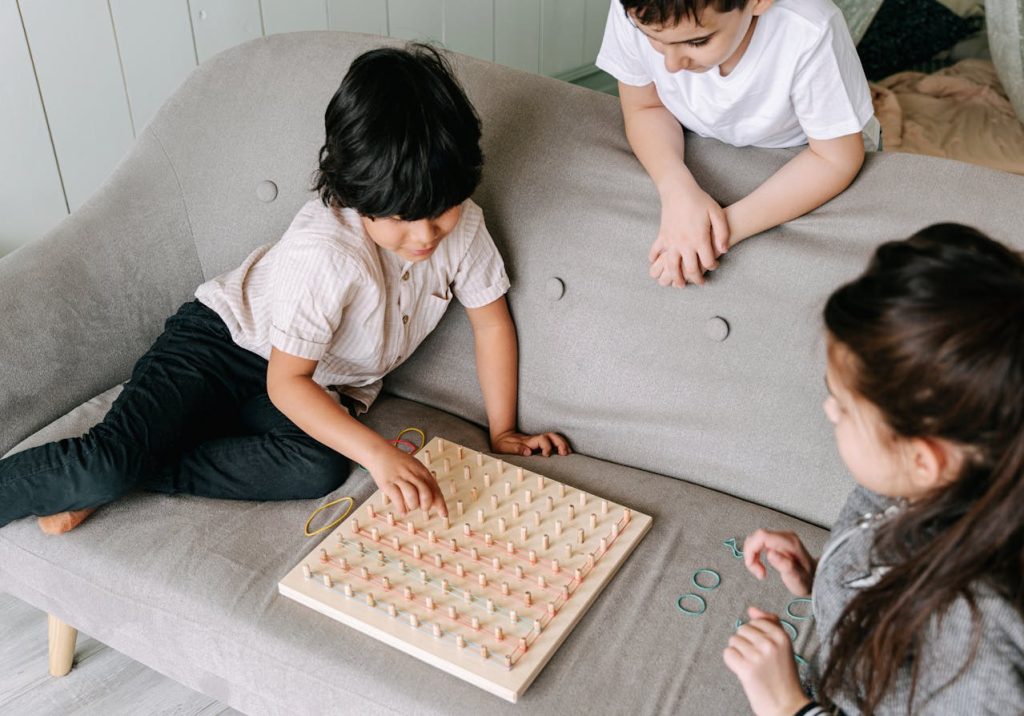
Encourage teamwork, sharing, and respectful communication. Arrange playdates, group projects, or family discussions that reinforce cooperation and empathy.
Social competence predicts long-term outcomes like relationship satisfaction and professional success. Children who practice collaboration and conflict resolution early develop the tools to navigate complex social environments confidently. Model positive interactions yourself, showing how to handle disagreements calmly and respectfully. Teach them to listen actively and consider others’ perspectives, strengthening empathy and understanding. Praise cooperative behavior and problem-solving during group activities to reinforce the value of teamwork.
8. Celebrate Effort, Not Just Success

Praise persistence, curiosity, and creativity, not only outcomes. Kids who learn to value effort develop grit and resilience, which serve them through challenges they’ll face later.
Carol Dweck’s research on growth mindset highlights that children praised for effort are more willing to take risks, learn from failure, and tackle difficult tasks. This mindset becomes a cornerstone for lifelong learning and self-improvement. Encourage them to set personal goals and reflect on the progress they make, not just the final result. Share your own experiences of overcoming challenges to normalize learning from mistakes. Remind them that trying new approaches and embracing challenges is more important than always succeeding.