
The 1990s had their own social code. You did not need a follower count or a viral clip to measure status. You just watched what someone wore, what they listened to, and how they carried themselves in the hallway. Cool felt visible and immediate. It lived in CD binders, after-school hangouts, and the way you answered the house phone without sounding too eager.
Pop culture research from the Pew Research Center and media archives from MTV show how deeply music television, malls, and teen magazines shaped identity in that decade. You did not just follow trends. You performed them. If you recognized these signals, you knew exactly where someone stood on the social ladder.
1. You Owned the Right Sneakers
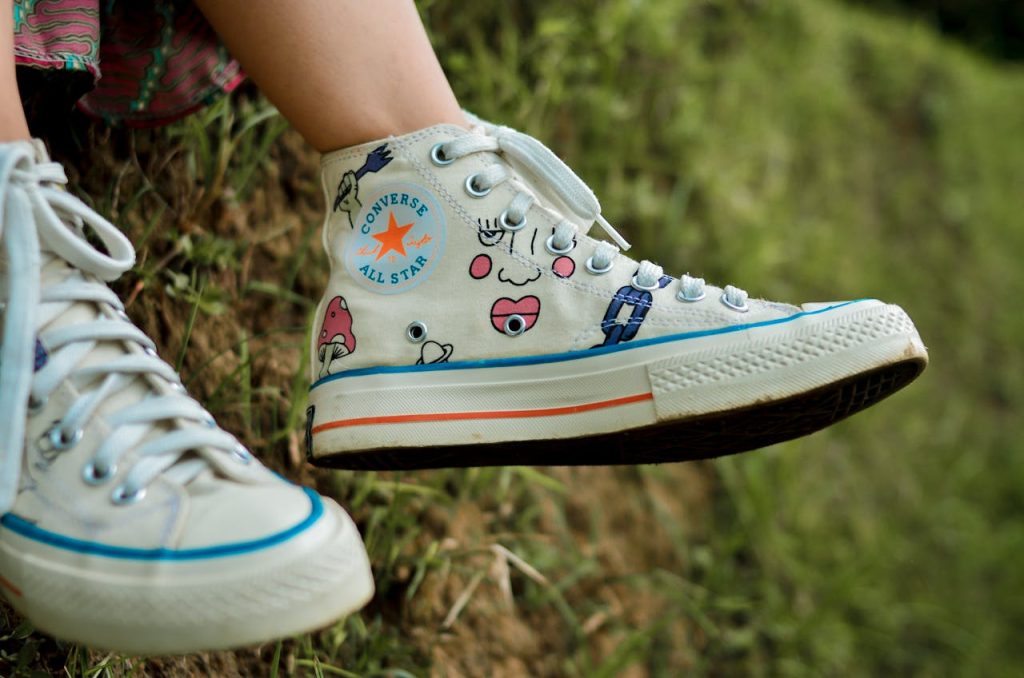
If you walked into school wearing fresh Air Jordan or classic Converse Chuck Taylor All-Star sneakers, people noticed. Footwear signaled taste and, often, access. Sneaker culture grew rapidly in the 90s, fueled by sports icons and hip-hop influence. The right pair told everyone you were paying attention. Scuffed generic shoes did not carry the same weight. You did not have to say a word. Your laces did the talking.
You kept them clean, even if it meant walking carefully through the hallway. You knew which colorways were rare and which ones were everywhere. When someone complimented your shoes, you acted casual, but you felt the win.
2. Your Backpack Was JanSport or Nothing

A plain backpack would get your books from class to class. A JanSport backpack did something else. It marked you as part of the mainstream teen culture of the time. The brand’s simple design and durability made it practical, but the logo patch became a quiet badge. You slung it over one shoulder and felt instantly current. The right bag suggested you knew what mattered.
You chose classic colors like black, navy, or deep red to keep it versatile. You tucked notes, folded magazines, and a well-worn planner inside. You let friends sign the fabric with markers by the end of the year. You compared patches and keychains clipped to the zipper pulls. And if the bottom never ripped, you respected it even more.
3. You Watched MTV Religiously
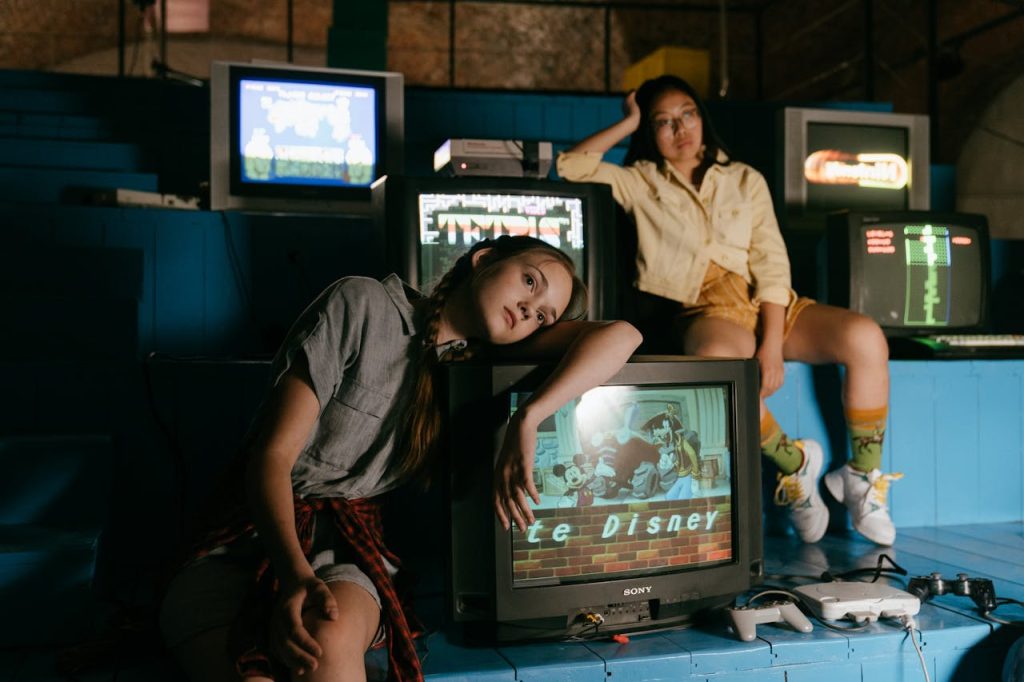
If you could debate the latest video rotation on MTV, you were in the loop. Shows like Total Request Live turned music into a daily conversation. You did not stream on demand. You waited, called in votes, and talked about premieres the next morning. Knowing lyrics and video details gave you social currency. Music television shaped fashion, slang, and even attitudes.
You rushed home after school to catch your favorite video before it dropped off the countdown. You memorized premiere dates and argued about which artist deserved the top spot. You copied outfits and hairstyles you saw on screen the very next week. You recorded videos on VHS so you could replay them later. And if you missed an episode, you felt completely out of sync the next day.
4. You Quoted the Right Movies

Cool kids did not just watch movies. You quoted them. Lines from Clueless and Pulp Fiction slipped into everyday talk. Film critics and cultural historians often note how 90s cinema blended irony with style, creating characters teens wanted to imitate. If you understood the references, you belonged. If you did not, you felt it immediately.
You repeated the funniest lines at lunch until everyone joined in. You adjusted your tone to match the character delivering the quote. You judged people quietly by whether they caught the joke. And when someone nailed a reference, you knew they were on your wavelength.
5. You Had a Discman and a Curated CD Collection
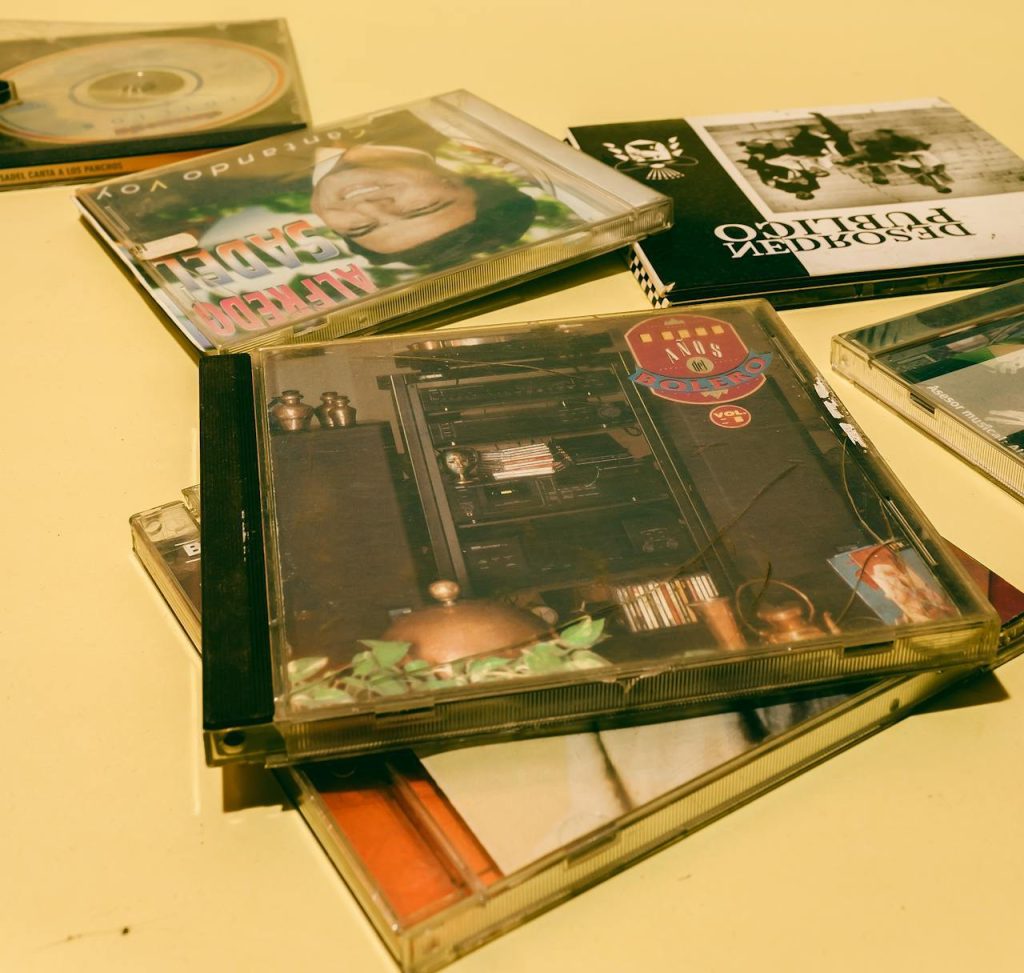
Before playlists lived in the cloud, you carried them in a binder. A portable Sony Discman clipped to your belt meant you controlled your soundtrack. Albums from Nirvana or Backstreet Boys signaled your tribe. The Recording Industry Association of America reports that CD sales peaked in the late 90s, confirming how central physical music was. Sharing headphones felt personal. Your mix defined you.
You flipped through scratched cases like they were prized trophies. You burned custom CDs and labeled them in careful handwriting. You skipped tracks with precision, timing each button press perfectly. You guarded your favorite album so no one walked off with it. And when someone asked to borrow a CD, you chose carefully.
6. You Mastered AIM Away Messages

When AOL Instant Messenger took off, your away message became your billboard. You crafted song lyrics, inside jokes, or cryptic quotes to hint at your mood. Friends checked your status as casually as they now scroll feeds. Early internet studies from institutions like the Pew Research Center document how teens used messaging platforms to build identity. A clever away message meant you understood digital cool before it had a name.
You updated it the second something dramatic happened. You used just enough mystery to make people curious. You checked who signed on and off, like it actually mattered. You felt a small thrill when your crush messaged you first. And you logged off strategically so you did not look too available.
7. You Shopped at the Right Mall Stores

Walking out of Abercrombie & Fitch or Hot Topic with a branded bag said a lot. Retail analysts have written about how mall culture peaked in the 90s, turning stores into social stages. You did not just buy clothes. You bought affiliation. Preppy, punk, skater, or pop fan, your store of choice made your identity visible.
You kept the shopping bag visible as you walked through the food court. You met friends under the same store sign every weekend. You tried on outfits just to see who noticed the change on Monday. You flipped through racks quickly because you already knew the vibe. And when a new collection dropped, you made sure you were there early.
8. You Carried Yourself Like You Didn’t Try Too Hard

Here is the thing. True 90s cool required effort that looked effortless. You leaned against lockers, spoke with dry humor, and acted unimpressed. Teen culture experts often describe this as performative nonchalance, a reaction to hyper-commercial media. If you tried too hard, people saw it. If you seemed naturally confident, you won. Cool was less about perfection and more about posture.
You pretended not to care, even when you absolutely did. You kept your reactions measured, never overly excited. You laughed softly instead of loudly to stay composed. You avoided chasing trends too obviously. And you understood that silence, used well, carried power.