
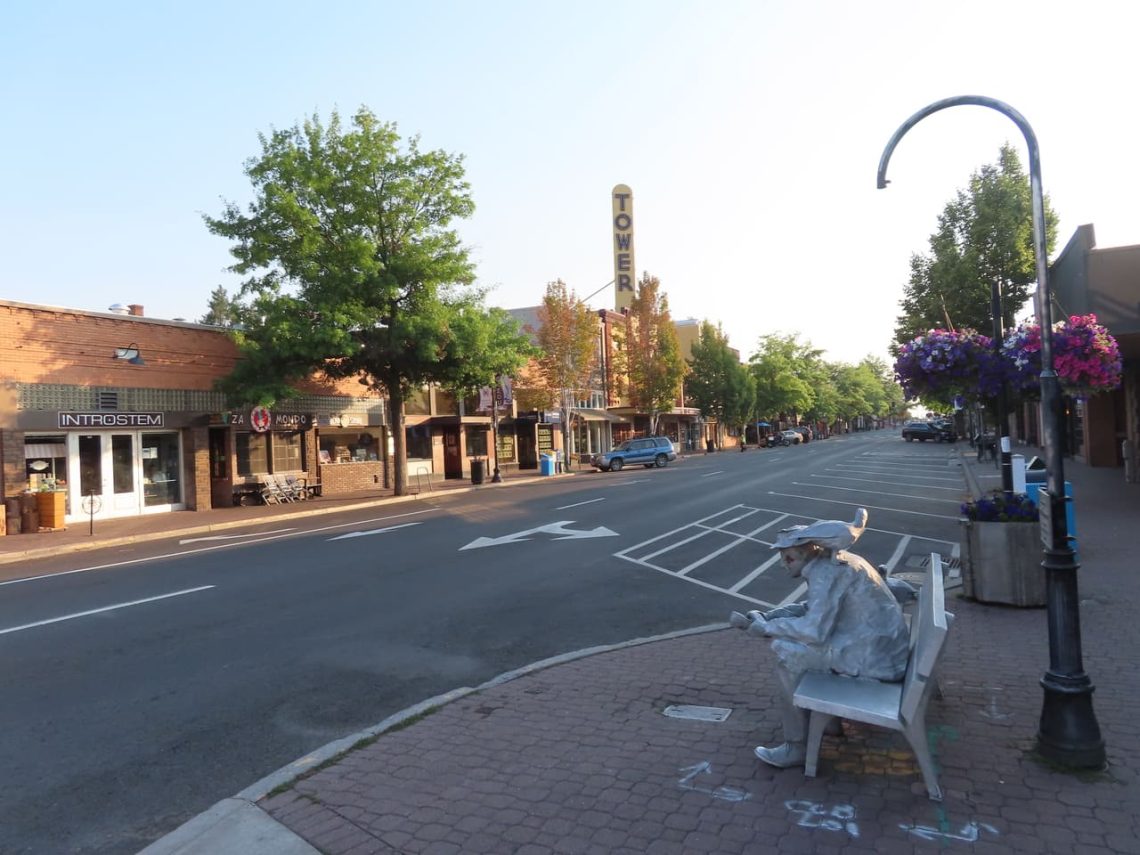
You’ve seen photos of small towns that look calm, pretty, almost like a movie set. But living there isn’t always that peaceful. Quiet streets can hide long winters, or social isolation. Some places charm you at first, then make you ask if trade‑offs are worth it.
What feels like calm can become routine slow days that gets heavy. You deserve a heads‑up before packing up and moving somewhere that looks peaceful online but feels very different in everyday life. Even the friendliest neighbors can feel distant, and local quirks that seem charming at first can test your patience.
It’s better to know what you’re signing up for before you commit.
1. Boulder, Colorado
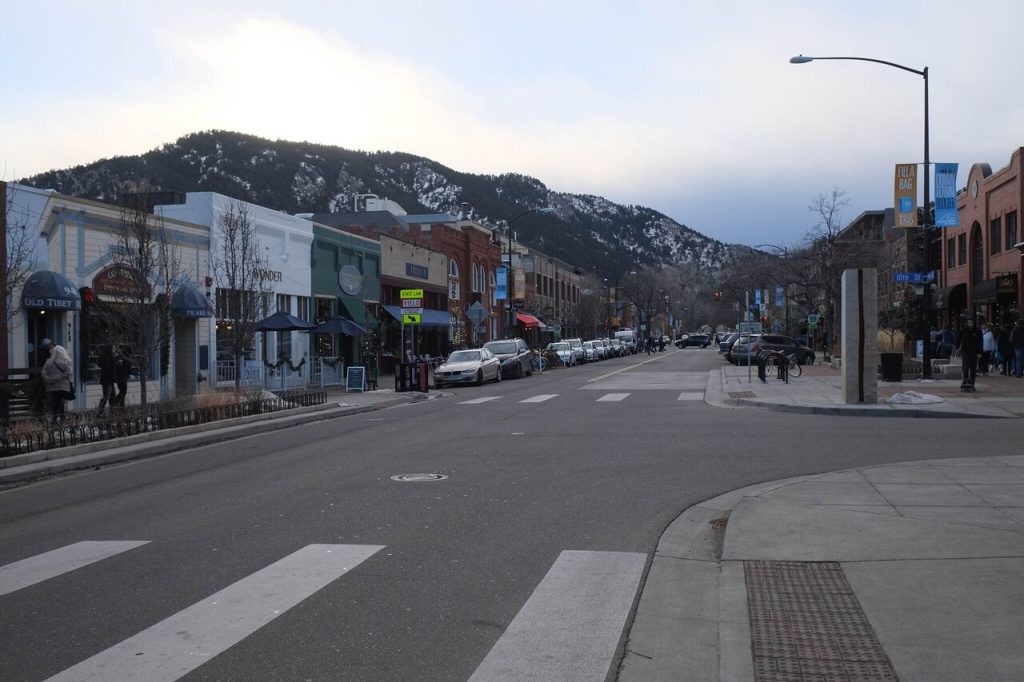
You might think Boulder is perfect because of the mountain views and outdoor trails. At first, it feels like a dream: sunny days, bike paths everywhere, easy access to nature. Once you live there, you notice the cost of housing is sky‑high and rents climb every year. Traffic on small roads can be frustrating, and finding affordable groceries feels like a chore.
Locals love it, but your paycheck has to stretch to match the lifestyle. What looks peaceful can come with financial stress if you’re not prepared to absorb the cost of living. Winters bring heavy snow and occasional road closures, which can make everyday life even more complicated.
2. Burlington, Vermont
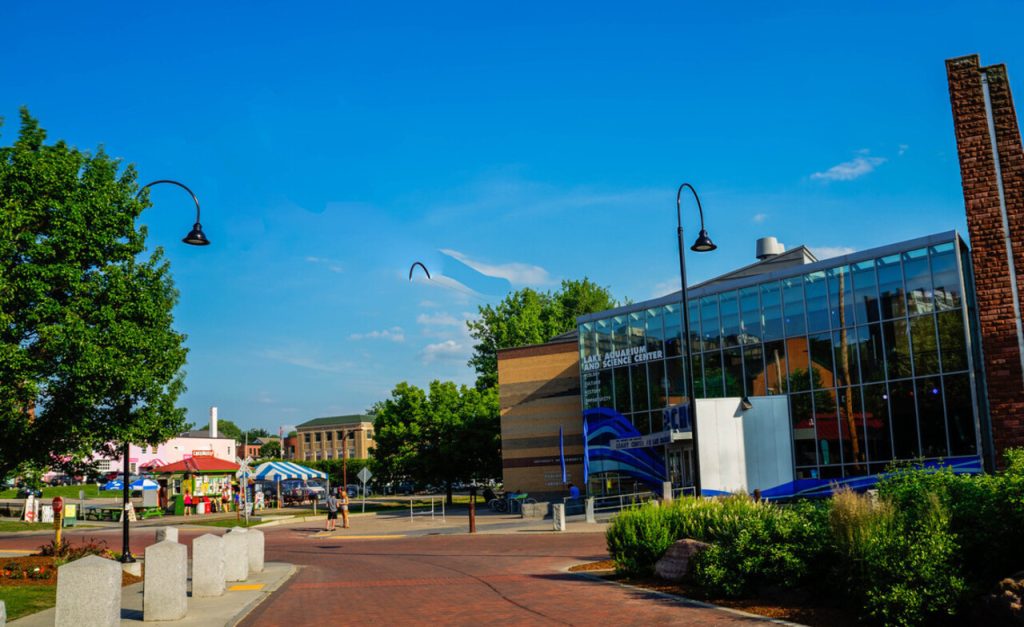
Burlington sits on Lake Champlain and looks like a postcard with friendly streets and farmers’ markets. You can walk everywhere, and the small downtown feels welcoming.
Winter hits hard, though, and snow can bury cars for days. Jobs in your field might be scarce unless you work remotely or start your own thing. Quiet evenings can feel lonely if you’re used to city buzz.
People who love winter sports thrive here, but if you want regular nightlife or cultural events, you might feel limited. Peaceful on the surface, challenging underneath. Grocery options can be limited in winter, so planning ahead becomes part of daily life.
3. Asheville, North Carolina
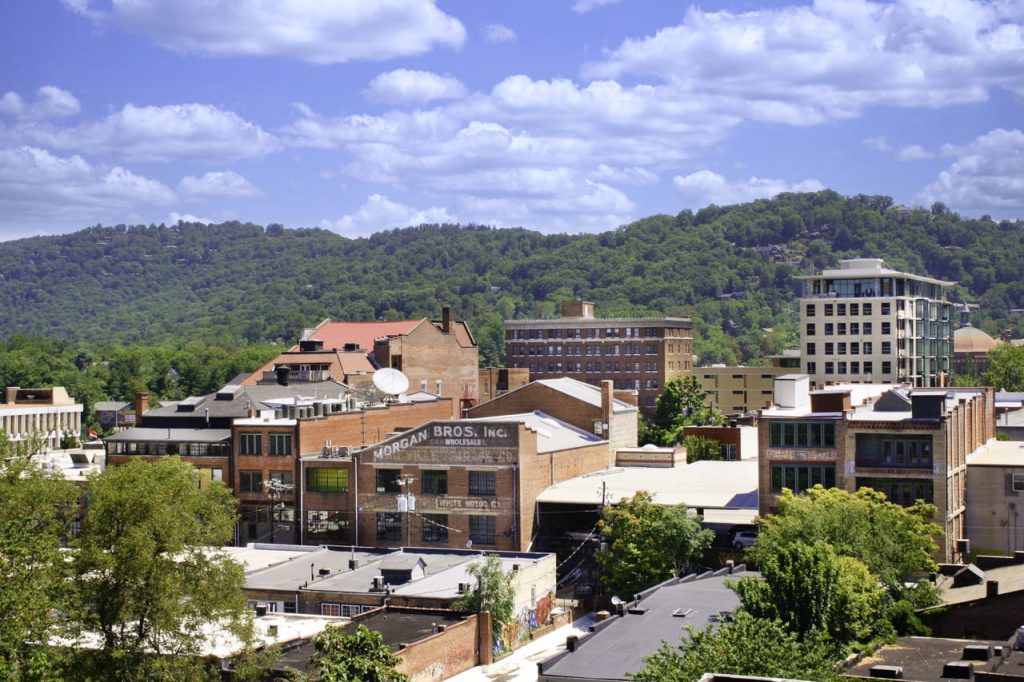
Sunlight filtering through Blue Ridge trees makes Asheville feel like a retreat when you first arrive. Art galleries and local breweries make weekends feel special.
Once you settle in you realize locals talk about traffic and rising rent a lot. Tourism surges in peak seasons, crowding streets you thought were quiet. Jobs outside art or hospitality are harder to find.
You might love the vibe, but long summers and busy weekends can wear you down. It’s peaceful until you live there full‑time and see how everything ebbs and flows. Winter brings quiet streets and short days, which can feel isolating if you’re used to constant activity.
4. Key West, Florida
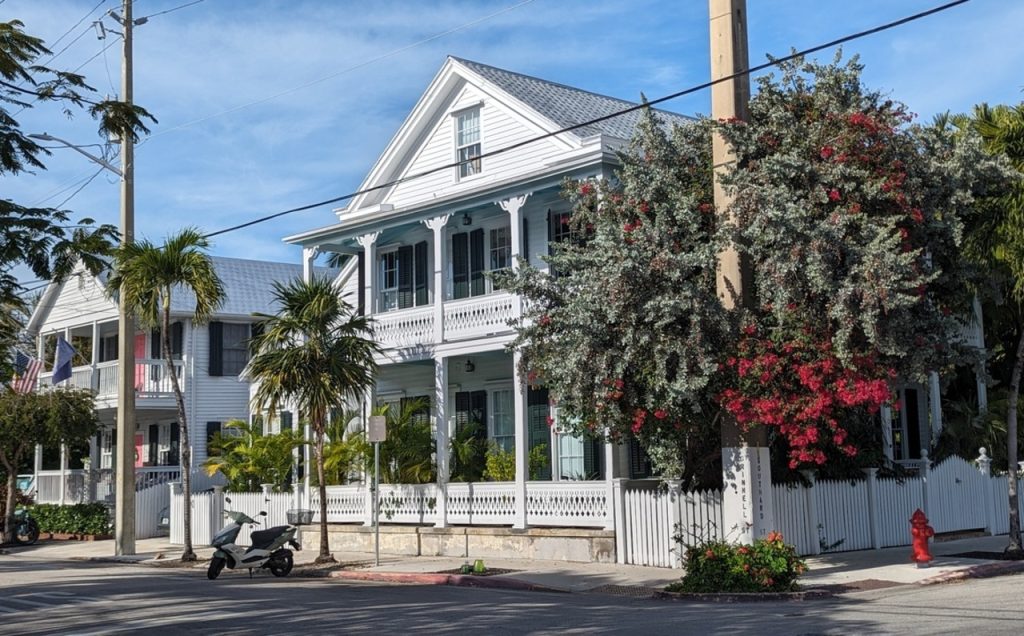
Key West feels laid‑back in every postcard shot: pastel houses, ocean air, and sunsets tourists line up for. Living there, you notice every good rental is gone in days, and home prices feel out of reach. Hurricanes are very real. Work options are mostly tourism-related, so if your career isn’t in that world, your choices are limited.
The tropical pace slows you down, but it can also make errands and routine tasks feel like slow chores instead of calm breaks from life.
Traffic gets heavy during high season, and everyday errands take longer than you expect. Even locals warn newcomers that paradise comes with serious practical challenges.
5. Bend, Oregon
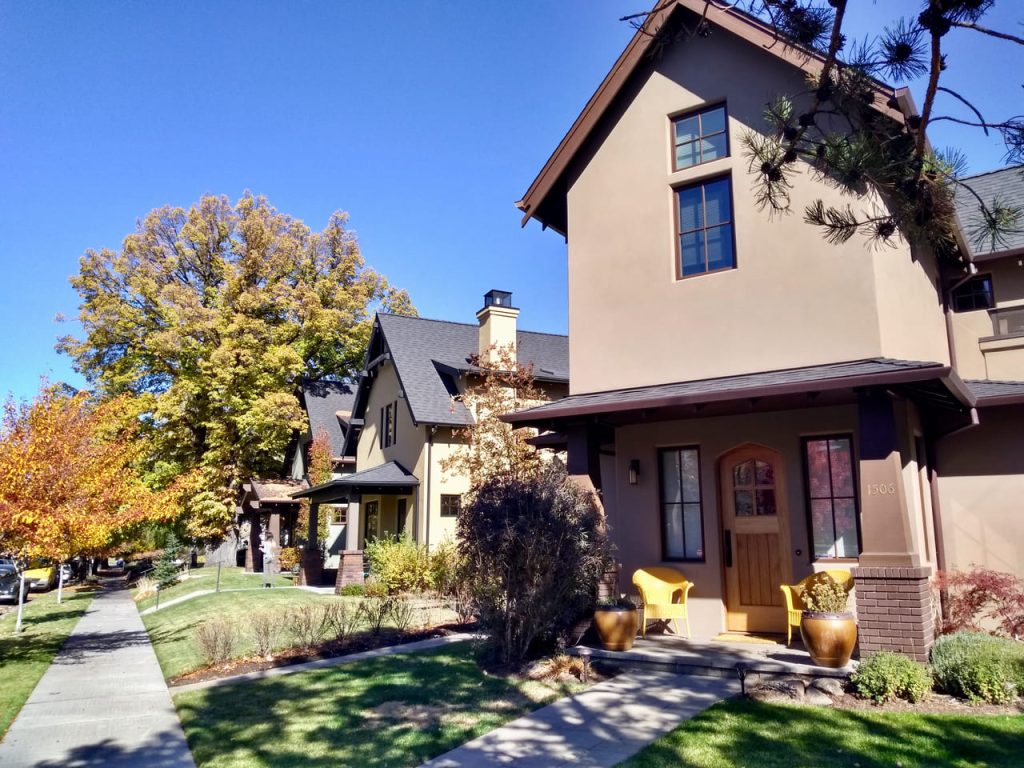
Bend’s river views and mountain trails make it look like the ideal peaceful town. During your first weeks you’ll bike riverside, sip coffee on patios, and think you scored big.
Over time you notice how packed trails get on weekends and how housing costs continue to rise. Locals joke about “summer traffic” even though it’s a small city. Winters are long and dark, and if you don’t ski you might feel restless.
Peace in pictures doesn’t always match peace in daily life once you navigate the cost and crush of visitors. Grocery runs take planning, and small medical facilities can mean long drives for appointments.
6. Santa Fe, New Mexico
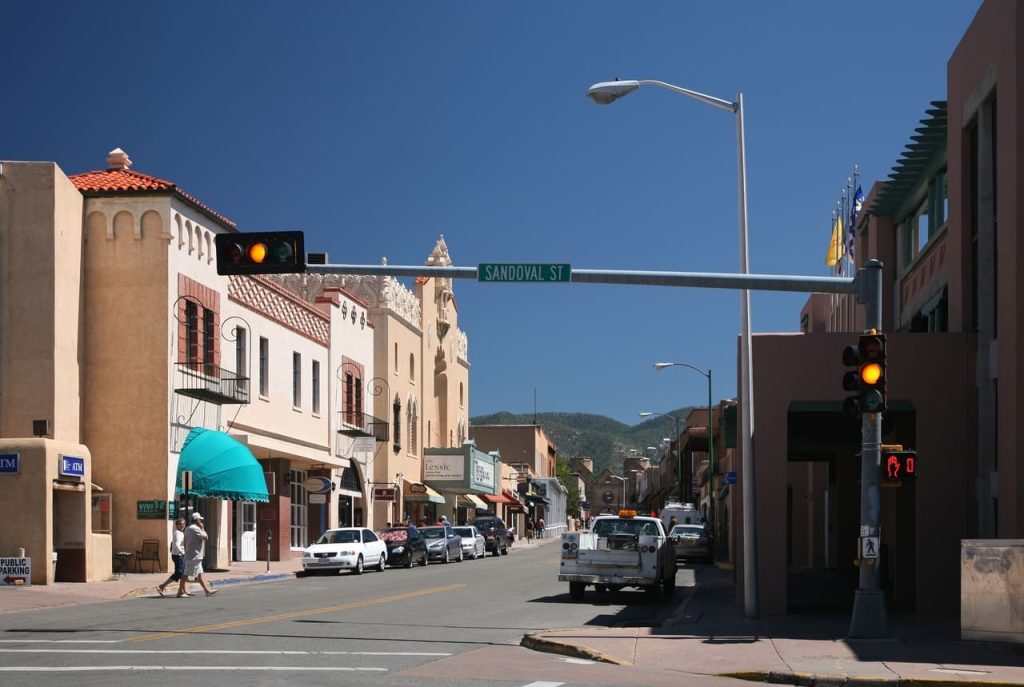
Santa Fe’s adobe streets and art scene feel peaceful when you’re visiting. Once you live there, the high desert climate shows its sharp edges.
The cost for art and gear can surprise you, even though food and housing don’t always stay cheap. The town’s culture is deep and lovely, but if you’re craving big city amenities or lots of job options, you might feel stifled.
Quiet here can mean slow evenings with limited entertainment outside a few galleries. Winters bring stark isolation if you’re not prepared for short days and cold nights. Local events are wonderful, but they often cater to tourists rather than full-time residents.
7. Traverse City, Michigan
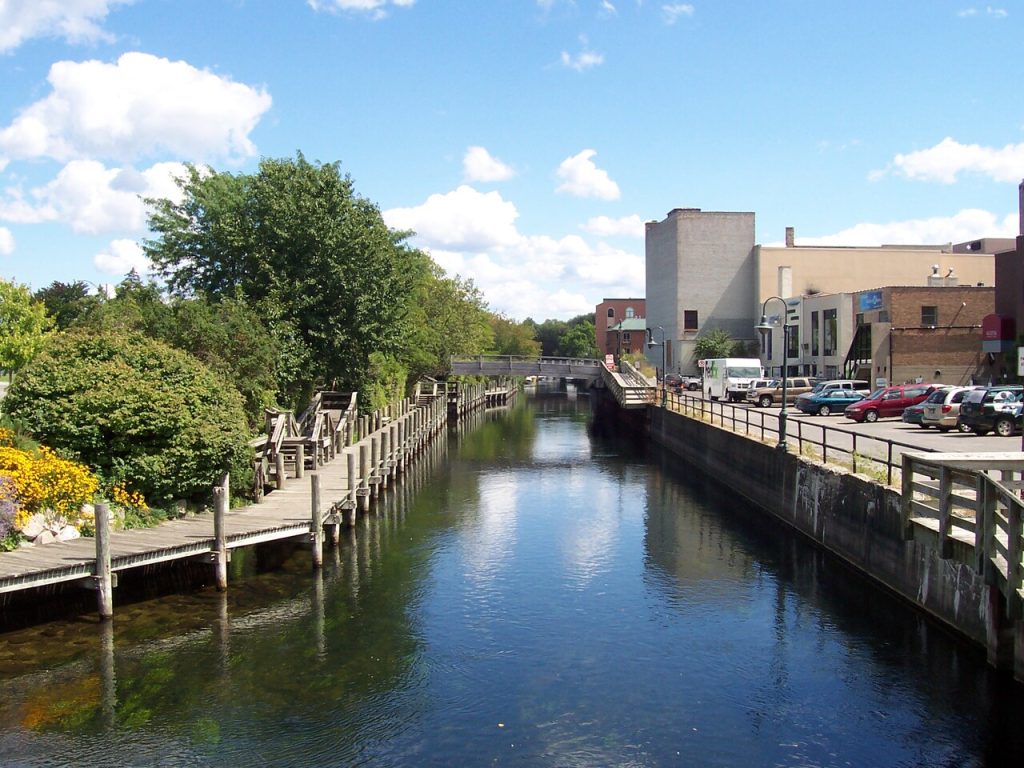
Traverse City looks calm with its bay views and cherry farms as a backdrop. Summers feel easy with beach days and local markets, and you think you found a forever place. Winters, though, bury the region in snow and limit travel for months.
Job choices shrink once tourism slows, and small social circles can make weekends feel empty. You may love the water and woods, but the weather and seasonal swings are bigger parts of life than most visitors expect. Peace becomes a predictable routine unless you adapt.
Grocery trips and errands can turn into long drives, and local services often close for weeks in winter. You learn to embrace the quiet.
8. Charlottesville, Virginia
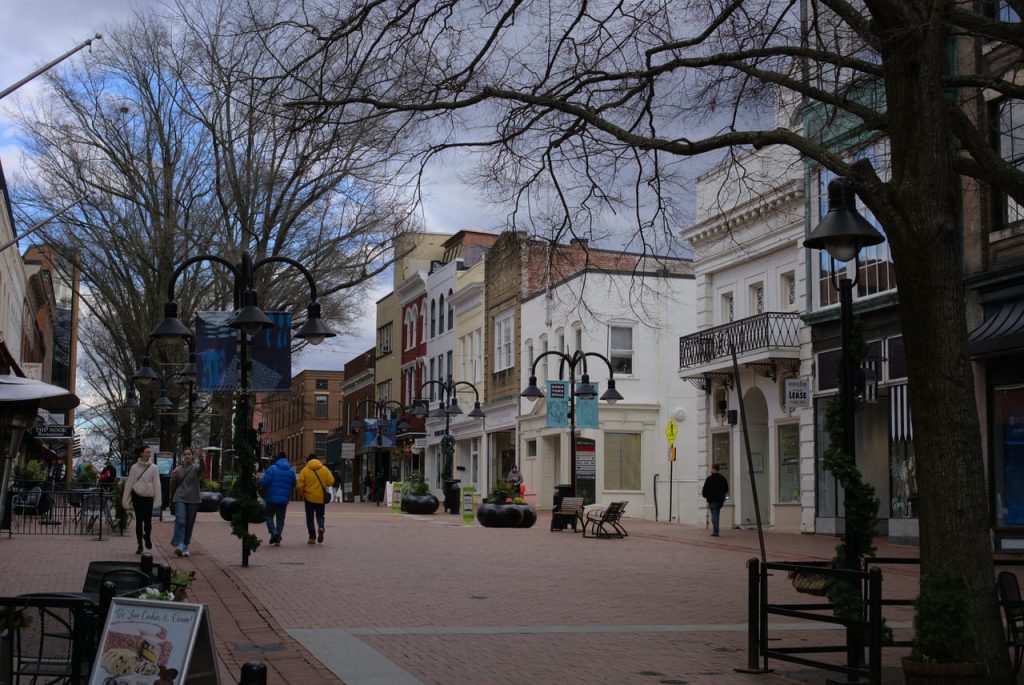
Historic homes and rolling hills make Charlottesville feel friendly at first sight. College‑town energy brings cafes and lectures you enjoy in your first months.
After settling in, you notice traffic near the university can choke roads, and parking becomes a daily puzzle. Housing costs trend upward thanks to demand from students and retirees alike.
Social life can revolve around campus activities, which feels great if you’re plugged in, but isolating if you’re not. Peace here comes with crowds and competition for space. Winters can feel quiet and empty once students leave town, making weekends slow.
9. Hood River, Oregon
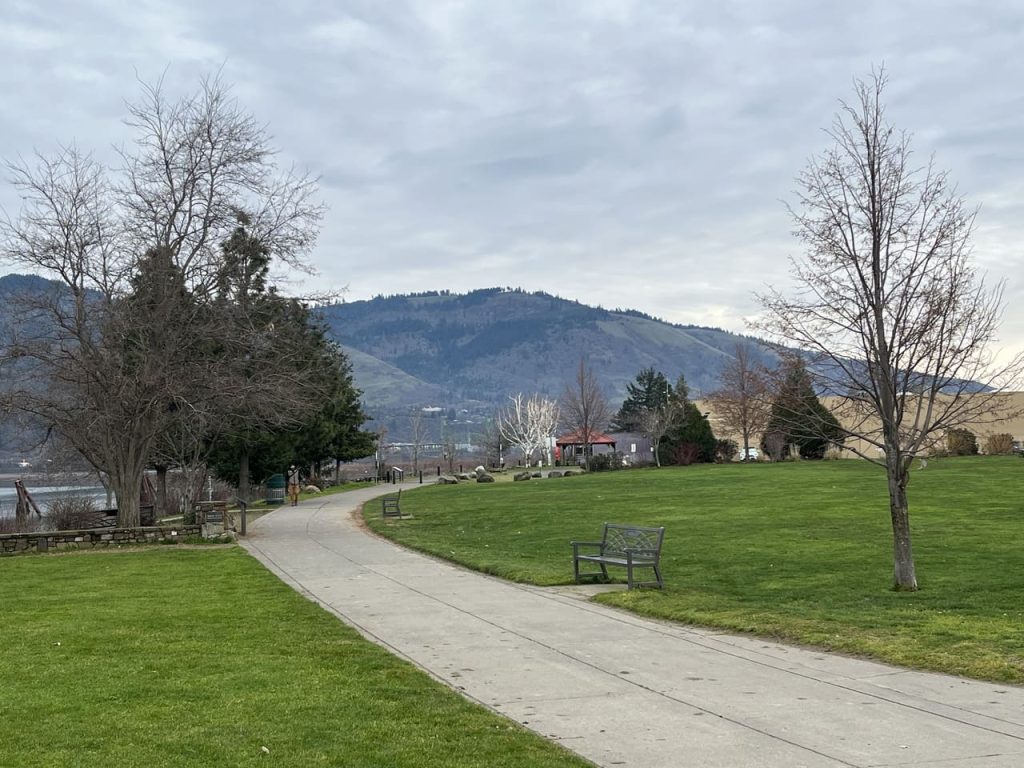
Hood River looks peaceful, perched above the Columbia with windsurfers dotting the river. It feels like a nature lover’s dream as you unpack your bags.
After living here full-time, you notice how small-town life shrinks your options for dining and cultural events once tourist season fades. Jobs are mostly tied to recreation and hospitality, so if your career lies elsewhere, you balance passion with practicality. Winters are gray and wet, too.
Peace isn’t gone, but the gaps between good days can stretch long. Grocery shopping and errands often require planning because local stores close early.
10. Bar Harbor, Maine
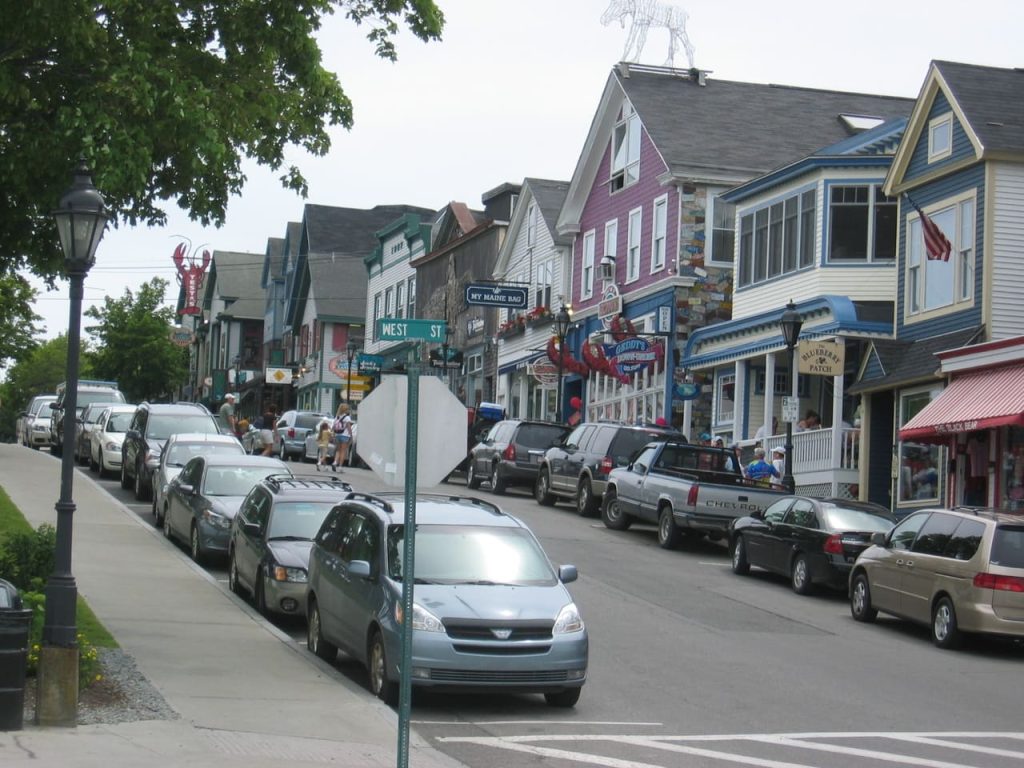
Bar Harbor feels serene on summer mornings with fog lifting off the ocean and lobster boats bobbing. Once you live here, you see how short the tourist season really is and how quiet the town becomes afterward.
Many businesses close in winter, and finding full‑time non‑seasonal work can be tough. Ferries slow to a crawl, roads empty, and friends who came for seasonal jobs leave. If you want a steady community life year‑round, it can feel sparse.
Winter storms can isolate the town for days, making trips to the mainland tricky. Local services shrink in the off-season, so planning ahead becomes essential for daily life.